







Blue Pottery Plates
Blue pottery plates combine utilitarian earthenware with enduring cobalt decoration across centuries of international kiln traditions.
Blue Pottery Plates
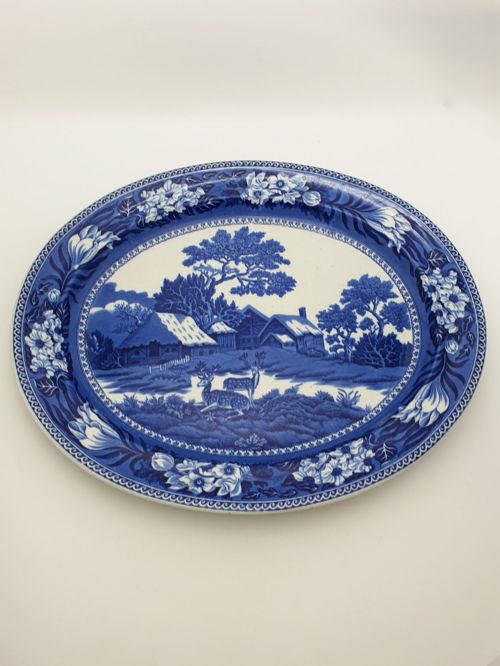
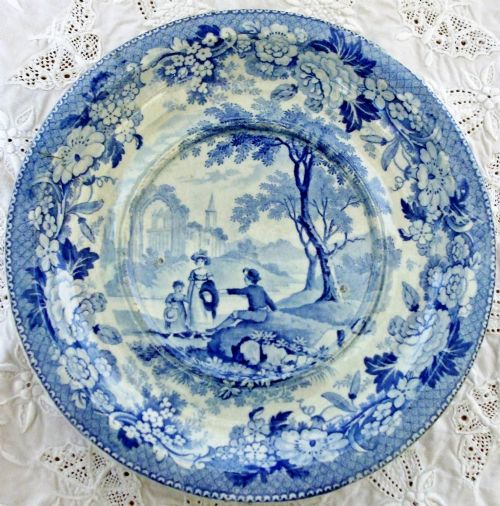
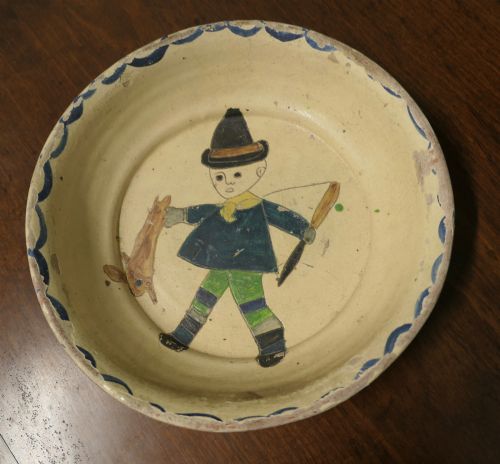
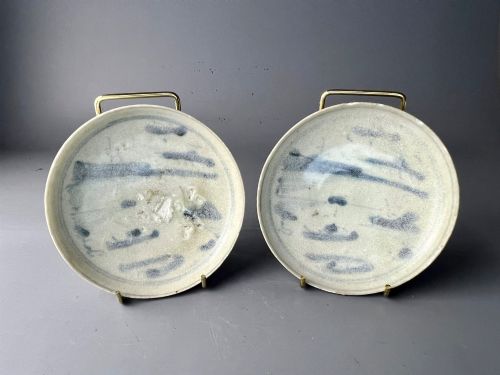
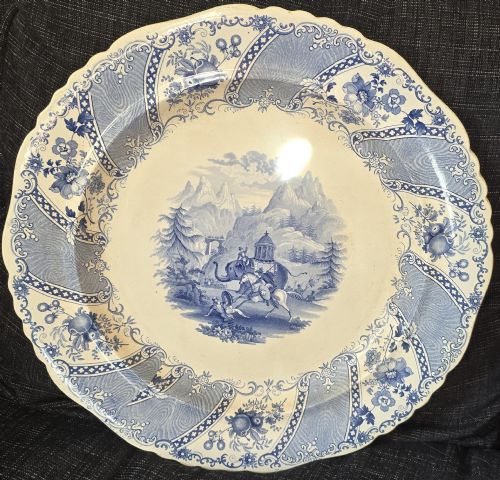
Collectors seeking blue pottery plates encounter a diverse range of earthenwares, porcelains, and tin-glazed vessels spanning from the seventeenth century through the twentieth. These domestic and decorative pieces include large chargers, shallow bowls, and transferware platters originating from English potteries, Dutch workshops, and Asian kilns. The selection on this page leans heavily toward nineteenth-century transfer-printed wares and earlier Delft vessels.
The forms vary from simple everyday dishes to expansive chargers designed for display, alongside specialised serving vessels sharing the cobalt palette. Makers utilised contrasting styles including English Chinoiserie, Japanese Imari, and European Delftware to satisfy shifting domestic tastes. Each piece reflects the specific manufacturing techniques and aesthetic priorities of its period of origin.
Materials and production techniques
Potters built these wares using earthenware, ironstone, or porcelain bodies, applying metallic cobalt oxides beneath or over opaque white tin glazes. Artisans achieved intricate surface patterns either through hand-painting or by pressing copperplate transfer prints onto porous biscuit surfaces before final glazing and firing. These methods ensured durable decoration capable of retaining vibrant blue hues across centuries of use.
Blue Pottery Plates Retail Price Guide 2026
Typical asking prices for blue pottery plates among the pieces listed under this phrase on Sellingantiques today, from the lower quarter to the upper quarter. They describe what is for sale here now, not the wider market.
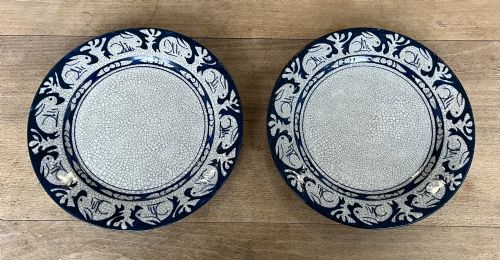
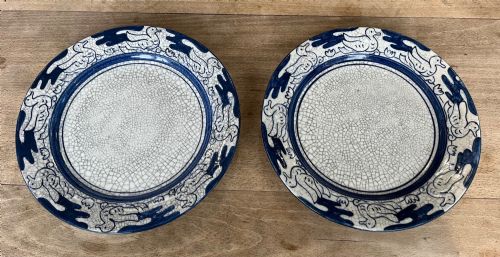
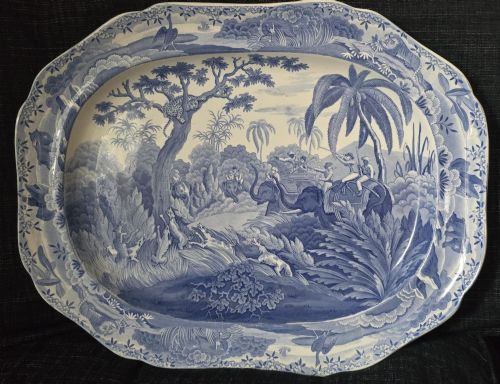
Several plates depict historical landmarks and exotic beasts, including elephants and leaping bears, alongside traditional pastoral scenes.
Assessing quality in blue pottery
Quality rests upon the crispness of the cobalt application, the stability of the ceramic body, and the precision of the potter's shaping. Finer examples display sharp transfer details or skilled brushwork without blurring, alongside well-balanced glazes free from excessive pooling or crawling. The historical significance of the pattern and the reputation of the producing factory further distinguish superior specimens from standard utilitarian output.
Spode·William Smith And Co·Doulton Lambeth·Minton·John Rogers And Son·Stubbs·Davenport·Masons
The Blue Pottery Plates Glossary
- Transferware
- Earthenware decorated by applying a printed paper design from an engraved copper plate onto the ceramic body. This technique enabled intricate pictorial scenes to be mass-produced with consistent detail.
- Tin-glazed earthenware
- Pottery coated with an opaque white glaze containing tin oxide, providing a smooth surface for painted cobalt decoration. This method defines traditional Delftware.
- Imari
- Japanese porcelain decorated in underglaze blue, iron red, and gilt, which heavily influenced European pottery designs. The style is recognised by its dense, compartmentalised patterns.
- Charger
- A large decorative plate primarily intended for display on walls or sideboards rather than dining use. These substantial vessels often feature elaborate painted or printed scenes.
- Biscuit
- Unglazed ceramic ware that has been fired once in a kiln and remains porous. Glazes and transfer prints are applied to this state before the final glost firing.
Blue Pottery Plates: Frequently Asked Questions
How do I clean antique blue pottery plates?
Wash these pieces gently by hand using warm water and mild soap, avoiding harsh scouring pads or modern dishwashers. Rapid temperature changes can craze fragile glazes, so drying them carefully with a soft cloth is essential.
Displaying them securely on padded plate hangers protects the edges from chipping. Regular dusting keeps the surfaces clear without risking moisture damage to old earthenware bodies.
Were these plates used for daily dining?
While smaller dishes served functional roles at the table, large chargers and platters were primarily reserved for ceremonial feasts or decorative display. Utilitarian pieces often show light surface wear from cutlery and historical use.
Heavily decorated examples from the seventeenth and eighteenth centuries quickly transitioned into ornamental pieces for Welsh dressers and dining room walls.
What does Imari mean on a pottery label?
Imari refers to a distinct decorative palette combining underglaze cobalt blue with iron red and gilt highlights, originating from Japanese export kilns. European potteries frequently copied these vibrant arrangements on their own porcelain and ironstone bodies.
Plates bearing this description display complex floral and geometric motifs divided into symmetrical panels.