
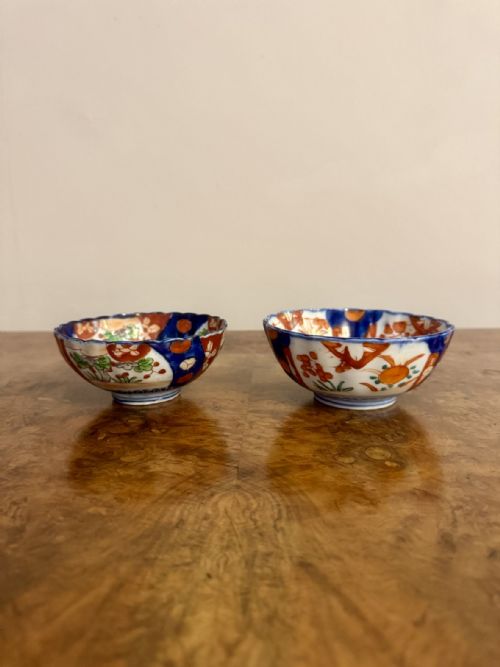
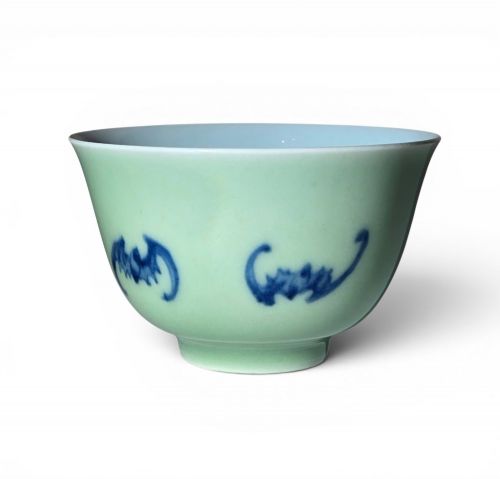
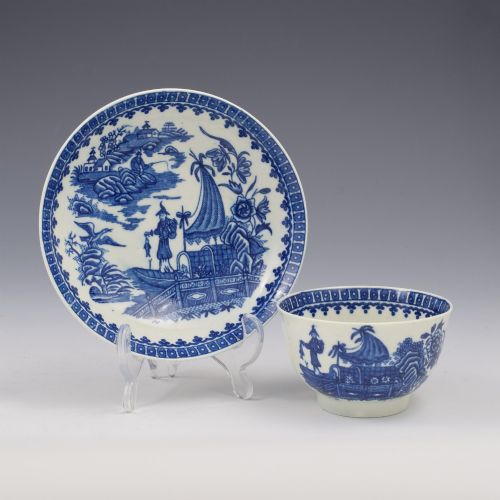


Blue Porcelain Tea Bowl
A blue porcelain tea bowl brings centuries of maritime trade and domestic ritual straight to your cabinet.
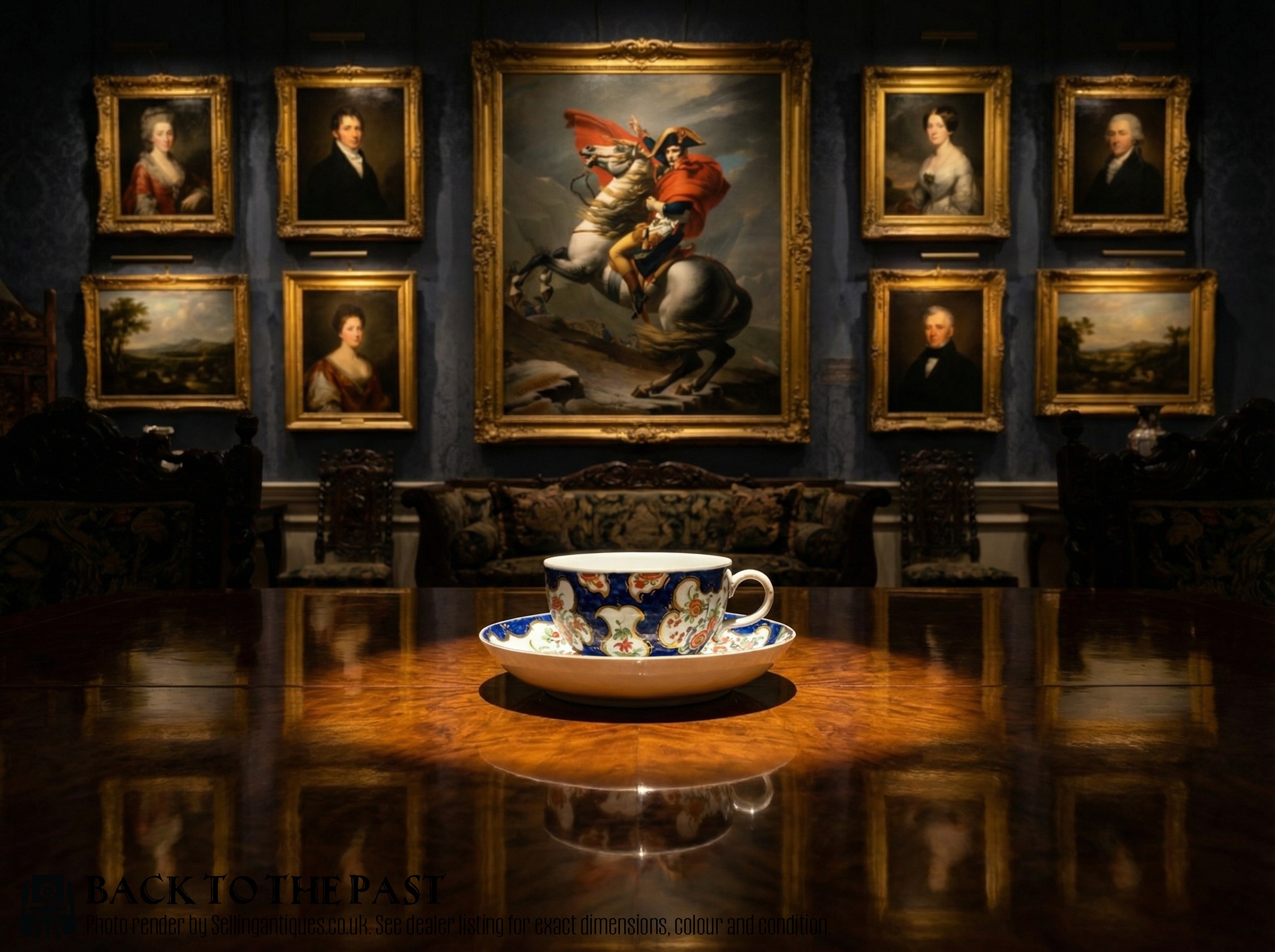
Blue Porcelain Tea Bowl
A blue porcelain tea bowl sits comfortably in the palm, designed for the quiet appreciation of steeped leaves before handles became common on English cups. These delicate vessels span the eighteenth century through the Victorian era, drawing on Chinese export traditions and domestic manufactories alike.
The 18th Century examples from English houses sit alongside pieces originating in the Qing Dynasty and Kangxi Period. You encounter fluted profiles, simple round bowls, and matching saucers decorated in underglaze blue and cobalt glaze.
Moulded blue and white patterns sit alongside gilt accents and enamel highlights. Collectors find both individual vessels and remnants of larger tea services on these shelves.
How they were made
Potters shaped these vessels using porcelain, soft-paste porcelain, and bone china, often throwing them on a wheel or pressing them into moulds. Cobalt glaze and underglaze blue pigment were applied directly to the body before the final firing fused the glassy surface.
Some workshops added gold leaf, enamel, and delicate turquoise guilloche borders over the glaze during a subsequent low-temperature firing. This combination of mineral pigments and high heat yielded the durable yet translucent bodies seen today.
Forms on this page range from simple tea bowls and saucers to complete afternoon tea services, sugar boxes, and slop bowls.
What varies in quality
The crispness of the cobalt painting and the thinness of the porcelain body define the upper tier of these pieces. Potters who achieved an even, luminous glaze without dark pooling or surface pitting produced the most desirable examples.
Finely pencilled motifs, such as the Fisherman pattern or intricate floral borders, reveal the hand of a skilled decorator. The precision of the moulding and the stability of the porcelain during high-temperature firing separate workshop masterpieces from ordinary output.
Royal Crown Derby·Lowestoft Porcelain·Caughley Porcelain·Flight Barr And Barr
The Blue Porcelain Tea Bowl Glossary
- Soft-Paste Porcelain
- An artificial porcelain composition fired at lower temperatures than true hard-paste porcelain. This body absorbs glaze differently and often shows a warm, creamy translucency.
- Cobalt Glaze
- A deep blue metallic oxide used beneath or within the glaze for ceramic decoration. It withstands high kiln temperatures without losing its intense hue.
- Tea Bowl
- A handleless drinking vessel for tea popular before the widespread adoption of handled cups. They require both hands to cradle comfortably.
- Underglaze Blue
- Pigment applied to the ceramic body before the transparent glaze is applied and fired. This technique seals the decoration permanently beneath a glossy protective layer.
Blue Porcelain Tea Bowl: Frequently Asked Questions
How do I hold an antique tea bowl?
Cradle the small vessel gently in the palm of your hand rather than pinching it by the rim. The absence of a handle invites a closer connection to the warmth of the porcelain.
Allow your fingers to support the base while your thumb rests near the lip. This traditional grip protects the delicate foot rim and mirrors how these pieces were used centuries ago.
Were these bowls meant for everyday use?
Georgian and 18th Century households utilised these fragile vessels during formal afternoon tea gatherings. They formed part of prized services brought out for honoured guests.
Over time, as handleless designs gave way to teacups, many tea bowls transitioned from dining tables to display cabinets and collectors' shelves.
How do I distinguish English porcelain from Chinese export?
English factories like Worcester and Lowestoft experimented with soft-paste porcelain and bone china bodies that often display creamy tones under strong light. Chinese export pieces typically utilise harder, crisper porcelain bodies with distinct potting traits.
The blue pigments and painting styles also betray their origin, with English decorators reinterpreting Asian motifs through a domestic lens.
Can I display my tea bowls safely?
Position your bowls in stable cabinets away from direct sunlight and heavy foot traffic that might cause vibrations. Secure shelving ensures these pieces remain safe from accidental knocks.
Keep them away from rapid temperature fluctuations to protect the ancient glaze and any delicate gold leaf or enamel details.