
Blue Porcelain Table
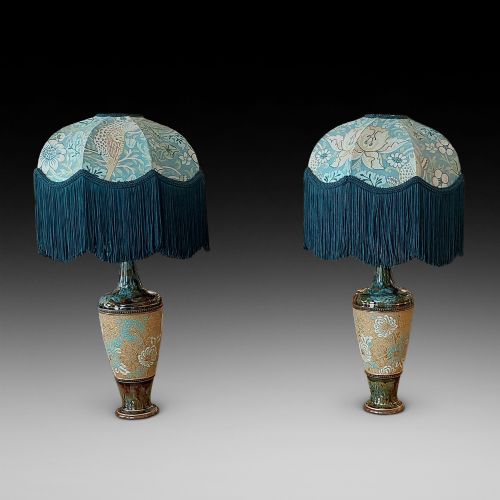
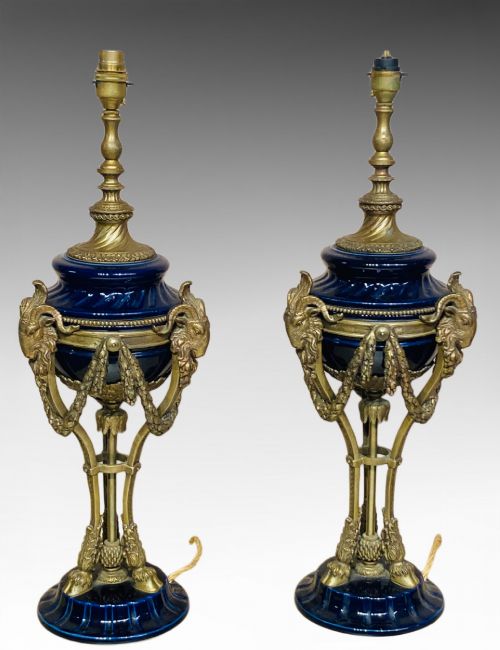
These pieces, found under the search phrase blue porcelain table, combine ceramic bodies with gilt bronze mounts to serve as lamps, clocks, and decorative objects.
Blue Porcelain Table
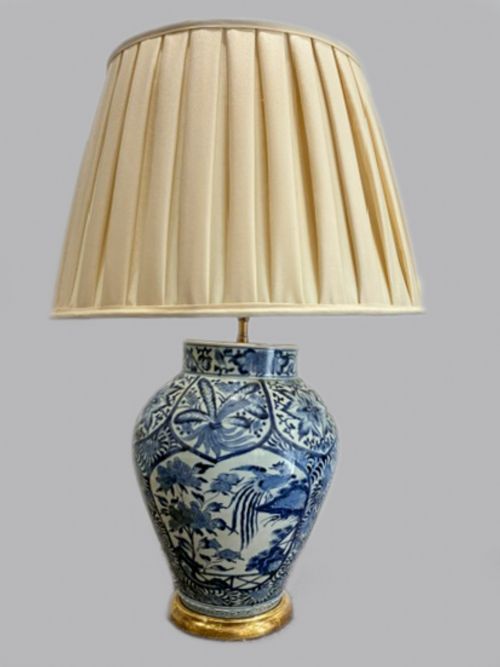
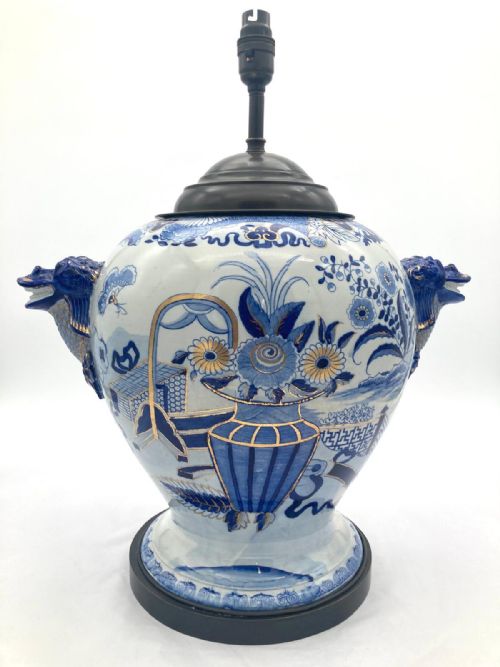
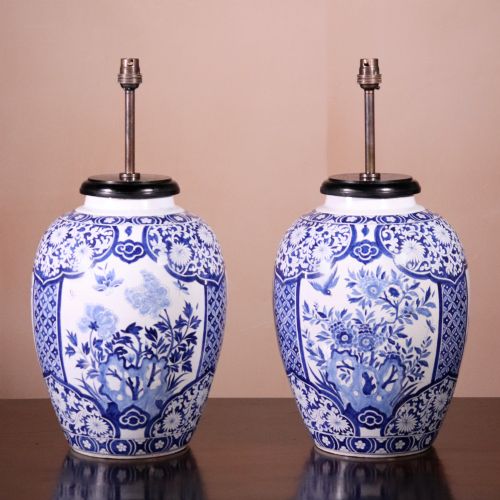
A blue porcelain table selection typically centres on lamps, mantel clocks, and garniture items derived from nineteenth-century French and English workshops. Many examples incorporate converted vases or jars from earlier Chinese dynasties and European factories, mounted with brass or ormolu for domestic illumination.
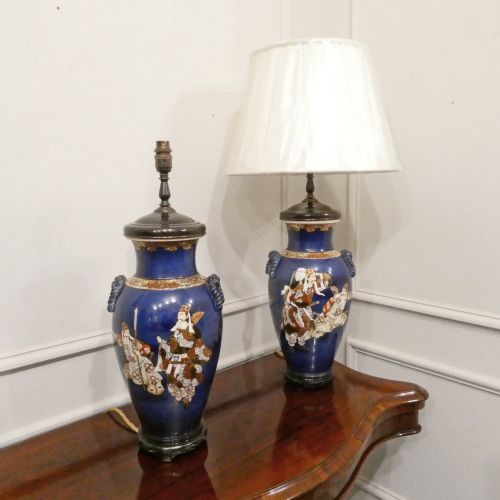
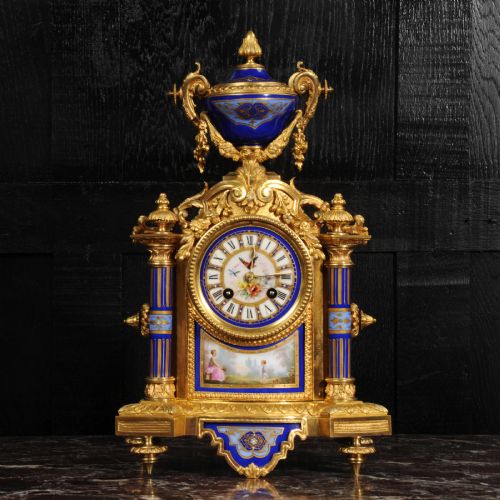
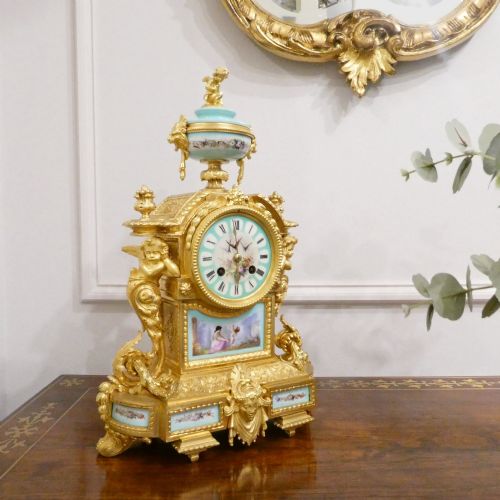
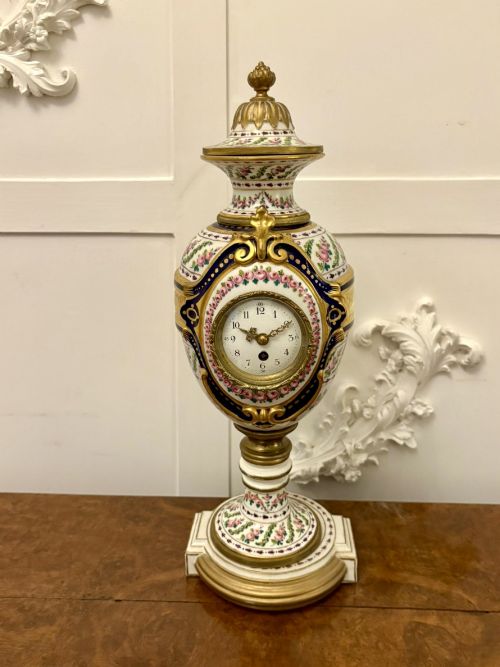
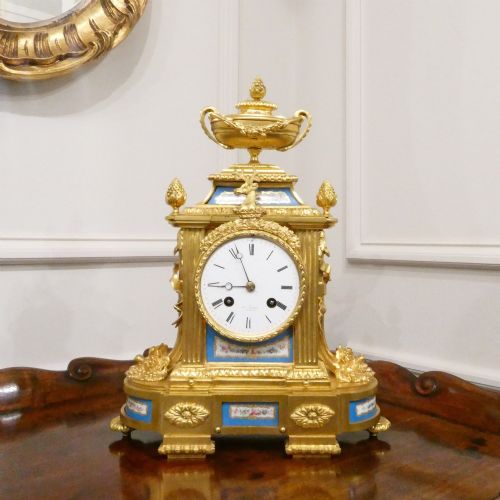
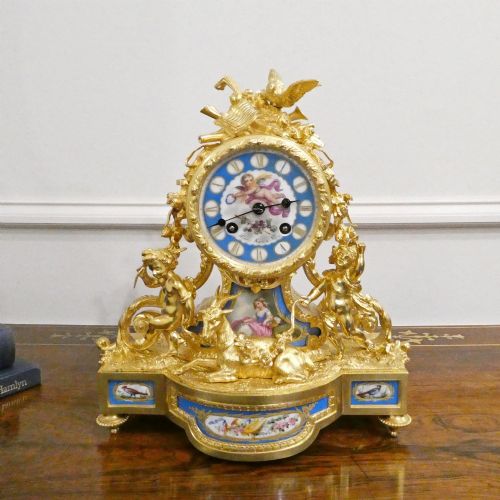
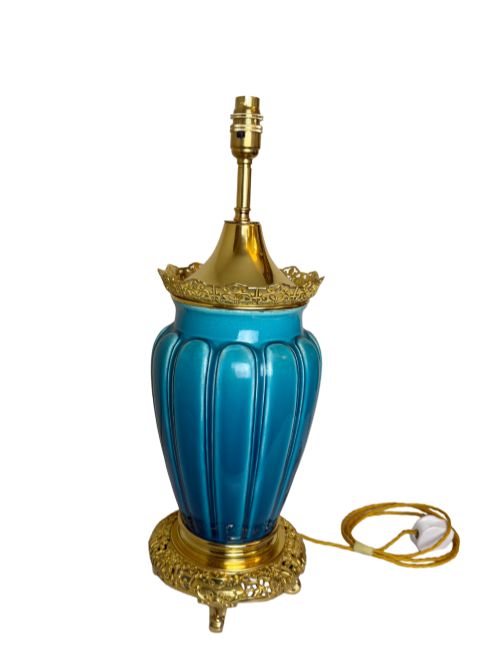
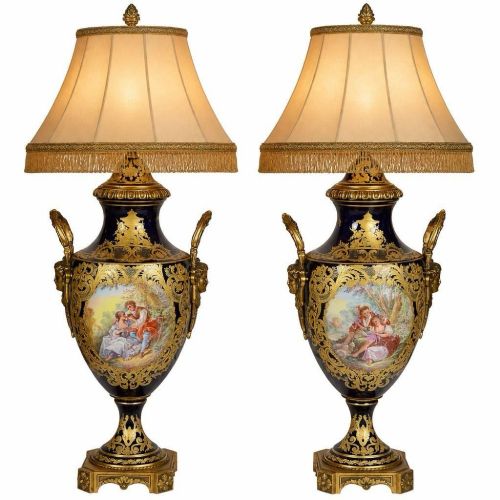
The dominant forms on this page include pairs of porcelain urns and baluster vases adapted into table lamps, often resting on cast metal bases. Alongside these lighting pieces, nineteenth-century French mantel clocks featuring cobalt or turquoise ceramic panels alongside gilt bronze figures appear frequently.
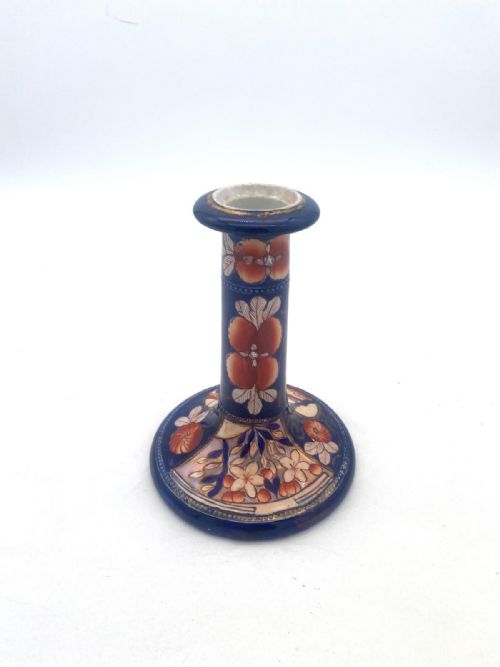
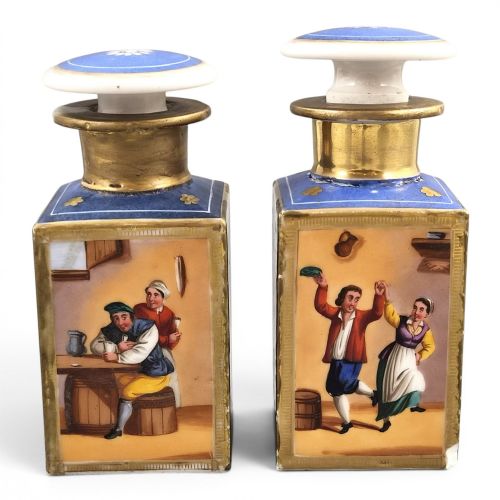
Buyers also encounter table wares such as ironstone tureens, Delft vessels, and perfume bottles spanning the seventeenth to the twentieth centuries. These objects display styles ranging from French Rococo Revival and Louis XVI to Chinoiserie and Victorian ornamentation.
Materials and construction methods
The construction relies on the union of fired ceramic bodies with cast metal components. Potters shaped porcelain, ironstone, and Delft clay before applying underglaze blue, enamel hand-painting, or monochrome glazes such as Bleu de Roi and celadon.
Metalworkers fabricated mounts in brass, gilt bronze, and ormolu to encase the ceramic bases, secure clock movements, and form lamp fittings. These metallic elements were cast, chased, and gilded to complement the smooth glaze of the porcelain.
Several elephants made of porcelain double as candelabras, holding candles upon their gilded backs.
Factors that distinguish individual examples
Quality rests upon the crispness of the bronze chasing and the depth of the porcelain glaze. Finer pieces display carefully articulated ormolu mounts with sharp leaf and scroll work, paired with evenly fired ceramic surfaces free of pitting.
The integration of converted elements determines the structural integrity of lamp and clock conversions. Superior examples maintain the original balance of the vessel without damaging the ceramic body during the wiring or movement fitting process.
Japy Freres·Henry Marc·Etienne Lenoir·PH Mourey·Masons Ironstone·Hicks and Meigh·Jacob Petit·John Davenport of Longport·Royal Doulton·Vion and Baury·Spode·Ridgways China·Doulton Burslem
The Blue Porcelain Table Glossary
- Ormolu
- Gilded bronze mounts applied to furniture, clocks, and porcelain bases. This technique involves coating a bronze object with a mercury and gold amalgam before heating.
- Sevres style
- Ceramic decoration imitating the French royal porcelain factory output. The term describes nineteenth-century pieces featuring rich blue grounds and hand-painted pastoral scenes.
- Ironstone
- A patented ceramic body developed in the nineteenth century for durability. It combines earthenware clay with feldspar and slag to create a dense, heavy material.
- Bleu de Roi
- A deep royal blue glaze developed at the Sevres pottery in the eighteenth century. It provides a dark, uniform background often contrasted with gilt detailing.
- Garniture
- A set of matching decorative vessels, usually numbering three or five pieces, designed to display on a mantelpiece or side table.
Blue Porcelain Table: Frequently Asked Questions
How are these porcelain lamps wired?
Most antique lamps are converted from older vases, jars, or candlesticks and have been rewired for modern electrical standards.
Wiring methods vary, but quality conversions run the cord through existing apertures or custom brass fittings to preserve the ceramic body.
What periods do these pieces date from?
The inventory spans several centuries, ranging from seventeenth-century Japanese and Chinese pieces to nineteenth-century European reproductions and twentieth-century lighting.
Nineteenth-century French and English items form the largest portion of the available selection.
How should I clean blue porcelain table lamps?
Dust ceramic surfaces gently with a dry, soft cloth to protect hand-painted glazes and enamel work. Metal mounts require care to avoid abrasive contact with the surrounding porcelain body.
Are mantel clocks in working order?
Many nineteenth-century mantel clocks retain their original mechanical movements by makers such as Japy Freres or Henry Marc.
Buyers should review individual descriptions to confirm whether a clock has been fully restored or serviced.