





Blue Porcelain Punch Bowl
A blue porcelain punch bowl brings centuries of export trade and formal hospitality directly to the modern dining table.
Blue Porcelain Punch Bowl
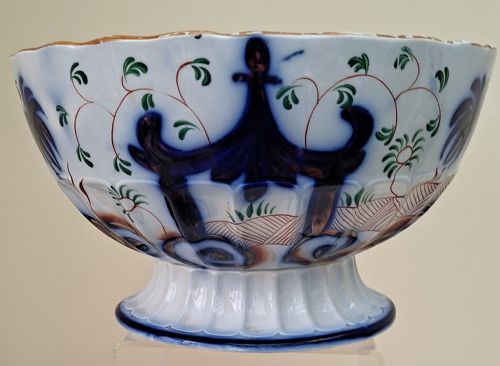
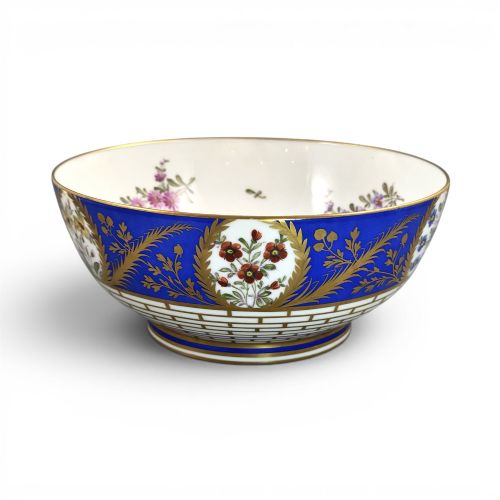
A blue porcelain punch bowl is a deep serving vessel designed for mixed beverages, appearing across periods from the sixteenth century to the early twentieth century. Buyers seeking this form encounter significant global variety, from early Chinese export wares to later Japanese Imari productions and European revivals. These vessels range from domestic utility forms to large ceremonial centrepieces intended for communal dining.
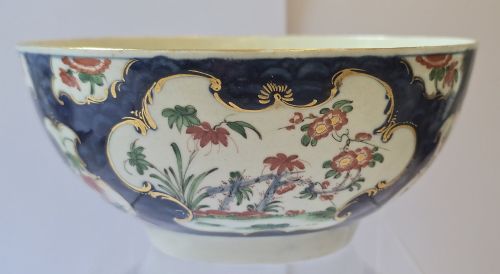
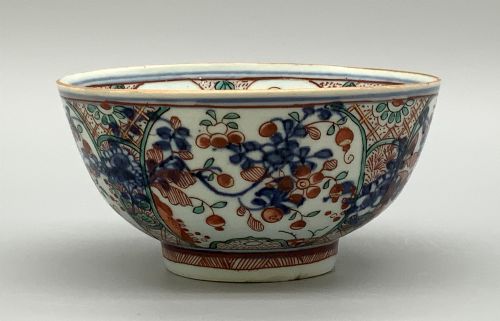
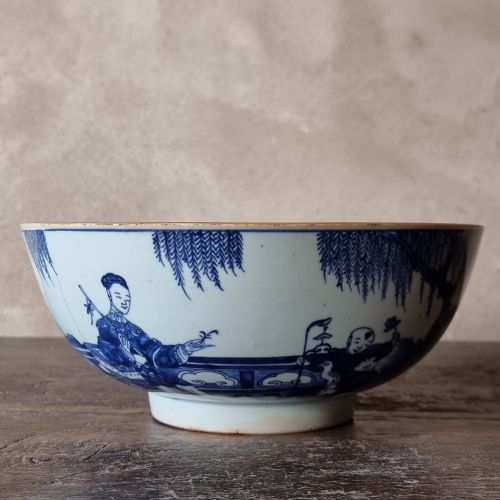
The material record on this page spans foundational East Asian dynasties through to European factories including Worcester, Samson of Paris, and Doulton Burslem. Eighteenth-century Chinese export and English porcelain examples sit alongside nineteenth-century Japanese Imari pieces featuring characteristic scallop edges. This mix reflects how potters across continents continually reinterpreted the deep bowl format.
While some pieces function strictly as decorative bowls or soup tureens, the core punch bowl shape remains defined by generous proportions and stable footed bases. Buyers are most likely to meet nineteenth-century Japanese Imari interpretations or eighteenth-century Chinese and English porcelain examples in current inventory. Each iteration demonstrates the enduring appeal of cobalt blue decoration against a white ceramic ground.
Materials and production methods
Cobalt glaze and cobalt underglaze dominate the decorative vocabulary, applied to a dense porcelain body before firing. Artisans utilised cobalt oxide to achieve deep blue tones that withstand high kiln temperatures without losing definition. This pigment often sits beneath a clear glossy glaze, protecting the painted surface from daily wear.
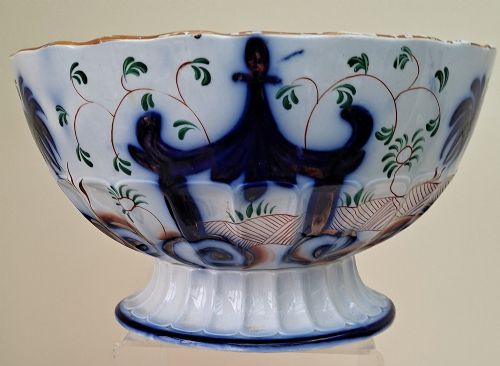
Gilding, gold leaf, and enamel additions frequently supplement the blue underglaze decoration, particularly on Japanese Imari and European revival pieces. These secondary colours and metallic accents required subsequent low-temperature firings to adhere securely to the glazed porcelain surface. Earthenware and ironstone alternatives also appear, demonstrating how varied ceramic bodies met the demand for durable punch bowls.
Blue Porcelain Punch Bowl Retail Price Guide 2026
Typical asking prices for blue porcelain punch bowl among the pieces listed under this phrase on Sellingantiques today, from the lower quarter to the upper quarter. They describe what is for sale here now, not the wider market.
Listings feature porcelain, earthenware, and ironstone bodies decorated with cobalt glaze, enamel, and gold leaf.
Distinctions in quality
Quality rests upon the crispness of the cobalt painting and the refinement of the porcelain body. Finer bowls display precise brushwork with deep tonal variation, whereas lesser examples show blurred lines or muddy glaze pooling. The thinness and translucency of the ceramic body also signal superior production standards.
The integration of secondary embellishments like gold leaf and enamel separates standard domestic wares from high-status presentation pieces. Well-preserved gilding that retains its original burnish indicates careful handling and superior initial craftsmanship. Conversely, heavily worn surfaces or crude restoration efforts diminish the visual coherence of the bowl.
Dr Wall Worcester·Samson Paris·Doulton Burslem·Wedgwood·Mason
The Blue Porcelain Punch Bowl Glossary
- Cobalt underglaze
- A blue pigment applied directly to the unfired ceramic body before glazing and high-temperature firing. This technique ensures the decoration remains permanent and protected beneath the glassy surface layer.
- Imari
- A Japanese export style characterised by a palette of cobalt blue, iron red, and gold. It gained immense popularity in Europe during the seventeenth and eighteenth centuries.
- Footed bowl
- A vessel elevated on a distinct ring base or pedestal foot. This construction lifts the bowl above the table surface for improved presentation.
- Soup tureen
- A large covered serving vessel related in form and scale to the punch bowl. These pieces often share similar decorative motifs and factory origins.
- Kakiemon
- An asymmetric Japanese ceramic style featuring delicate enamel painting on a milky white porcelain body. It heavily influenced European factories during the eighteenth century.
Blue Porcelain Punch Bowl: Frequently Asked Questions
What is a blue porcelain punch bowl?
A blue porcelain punch bowl is a large, deep ceramic vessel traditionally used for mixing and serving communal drinks during social gatherings. These pieces combine functional capacity with decorative cobalt painting.
Over the centuries, potteries in China, Japan, and Europe adopted this versatile form. Today, they serve primarily as decorative centrepieces or display items in domestic interiors.
How do I care for antique porcelain?
Antique porcelain requires gentle hand washing in lukewarm water with mild soap to protect fragile glazes and delicate gold leaf details. Avoid abrasive sponges or harsh chemical detergents that can scratch the ceramic surface.
Display the bowl away from direct sunlight and high-traffic edges where accidental knocks might occur. Stable placement ensures these historic vessels remain secure for daily appreciation.
Were these bowls used only for punch?
While originally designed for communal punch service involving wine, spirits, and fruit, these large bowls adapted easily to other household roles. Families frequently utilised them for display, floral arrangements, or holding seasonal fruits.
Their substantial size and decorative presence made them versatile objects in historic dining rooms. This adaptability explains their survival across multiple centuries of domestic life.