


Blue Porcelain Desk Lamp
These blue porcelain desk lamps bring historic ceramic bodies and metal mounts into modern workspaces as functional task lighting.
Blue Porcelain Desk Lamp
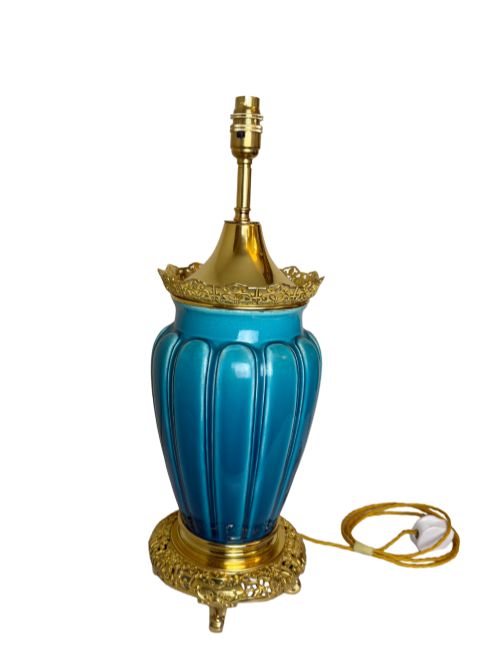
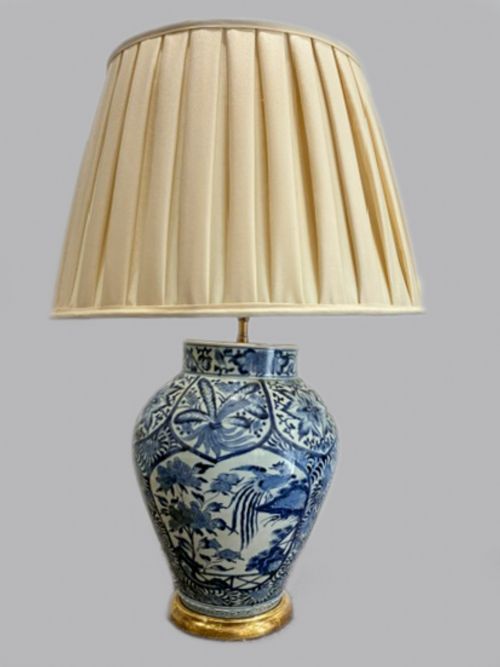
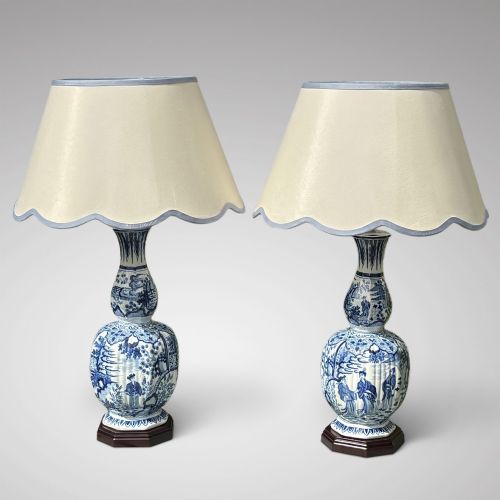
A blue porcelain desk lamp combines a glazed ceramic vessel with electrical fittings to illuminate a work surface. The ceramics originate from diverse historical traditions, including Chinese ginger jars and Japanese Arita Imari vases.
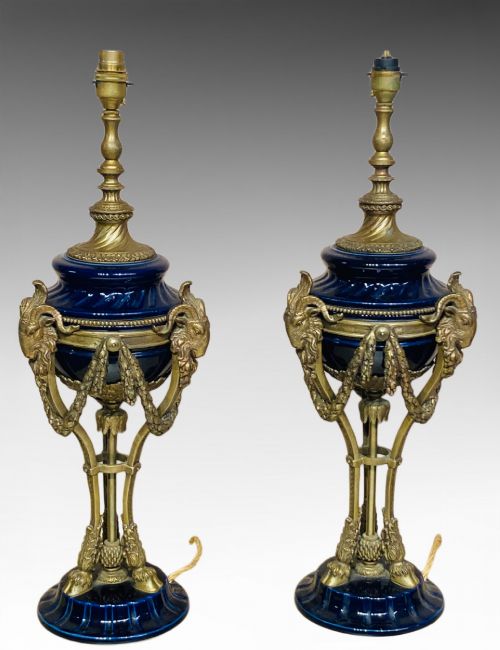
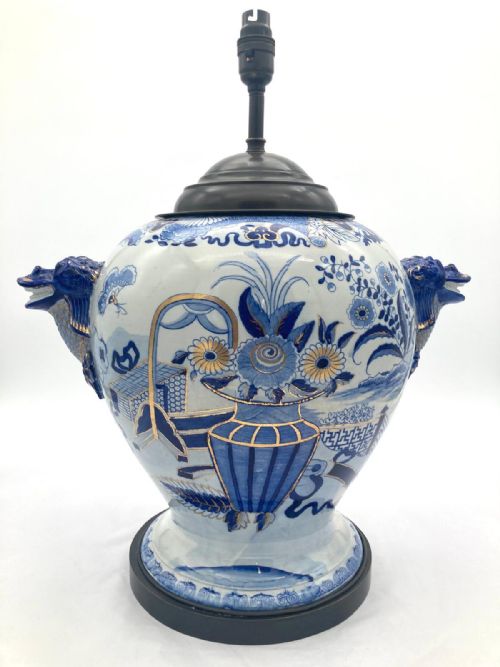
Many examples utilise European porcelain and earthenware bodies, such as French Sèvres style vases or Delft blue and white vessels. These pieces range from seventeenth-century conversions to twentieth-century art deco designs.
Materials and conversion techniques
The bodies of these lamps are formed from porcelain or earthenware, glazed in various shades of blue, turquoise, and powder blue. Potters shaped these ceramics on wheels or in moulds before firing them at high temperatures.
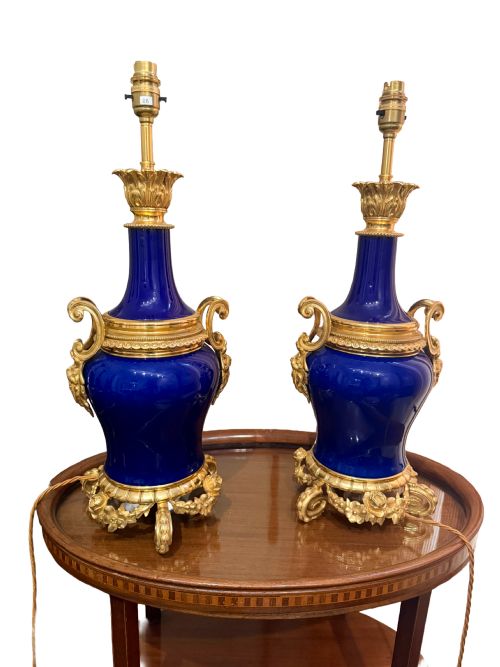
Vases and jars from earlier centuries were later converted into lamps by drilling the ceramic base and fitting electrical components. Metal mounts in gilt bronze, brass, or ormolu were secured to support the structure.
Shades constructed from fabric or silk complete the assembly, often paired with handmade elements that complement the hand-painted motifs on the ceramic surface.
Many seventeenth-century vessels started their European journeys holding spices before eventually finding new careers as modern desk companions.
Assessing quality in construction and material
The standard of the metal mounts dictates much of the visual character in these pieces. Finely chased ormolu and gilt bronze display crisp detail and heavy gauge casting, whereas simpler brass mounts offer a more utilitarian appearance.
Ceramic quality is judged by the precision of the cobalt underglaze painting, the depth of the turquoise or powder blue glaze, and the absence of firing distortions in the porcelain body.
The conversion process itself affects the overall integrity, particularly how cleanly the ceramic was drilled and how securely the electrical hardware integrates with the original vessel.
Hicks and Meigh·French Sevres
The Blue Porcelain Desk Lamp Glossary
- Ormolu
- Gilded bronze mounts used extensively on French furniture and decorative objects. This technique involves applying a mercury and gold amalgam to cast bronze before heating.
- Imari
- A style of Japanese export porcelain characterised by underglaze blue and overglaze iron red and gold. These wares were produced in Arita and shipped to Europe from the seventeenth century onward.
- Ginger jar
- A wide-mouthed storage jar of Chinese origin, typically featuring domed lids and rounded bodies. They are frequently adapted into table lamps.
- Cloisonné
- An ancient technique for decorating metal object surfaces using strips of metal to create compartments filled with paste or enamel. This method appears on select metal bases paired with porcelain bodies.
- Crackleware
- Pottery featuring a network of fine cracks intentionally created in the glaze layer. This aesthetic characteristic appears on various nineteenth-century Chinese vessels.
Blue Porcelain Desk Lamp: Frequently Asked Questions
How do I convert a vase safely?
Converting an antique vessel requires professional drilling through the base to pass wiring without cracking the ceramic. A qualified electrician should install the lamp holder and ensure the internal fittings meet safety standards.
Fittings must be secured without placing undue pressure on the antique body. Using non-damaging mounting brackets helps preserve the structural integrity of the porcelain.
Are these lamps stable on desks?
The stability depends heavily on the width of the ceramic base and the weight of the metal mounts. Heavier ormolu bases provide a solid foundation for daily use.
Placing the lamp on a level surface prevents tipping, particularly when paired with larger fabric or silk shades. Selecting a balanced proportion between base and shade keeps the centre of gravity low.
How do I clean glazed porcelain?
Dust the ceramic surface regularly with a soft, dry cloth to prevent grime accumulation. Avoid harsh chemical cleaners that might damage historical glazes or painted enamel details.
Metal mounts require gentle wiping with a dry or barely damp cloth. Care must be taken to keep moisture away from any electrical components during cleaning.
Can I replace the fabric shade?
Replacing the shade is straightforward provided the new shade matches the fitter type and scale of the lamp. Proportion remains key so that the shade does not overwhelm the ceramic body.
Silk and fabric shades diffuse light effectively for desk tasks. Choosing colours that echo the blue tones of the porcelain helps maintain a cohesive visual appearance.