





Blue Polychrome Ceramic Vase
A blue polychrome ceramic vase brings rich cobalt and contrasting pigments together on earthenware, porcelain, or tin-glazed surfaces.
Blue Polychrome Ceramic Vase
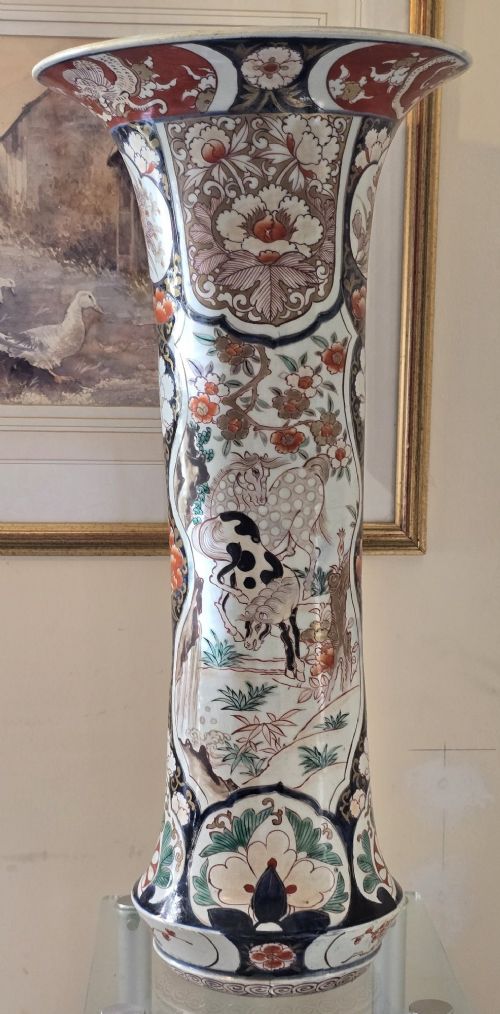
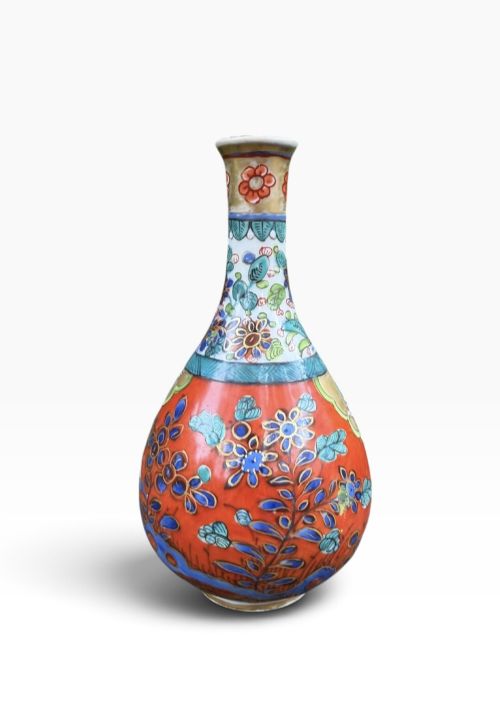
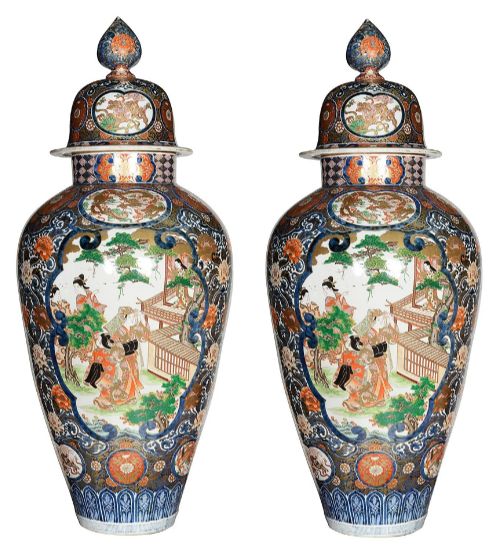
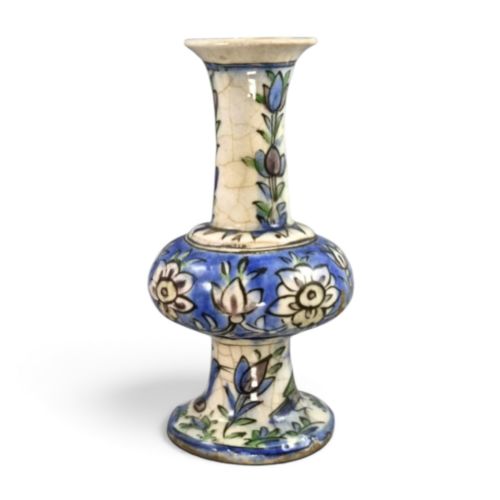
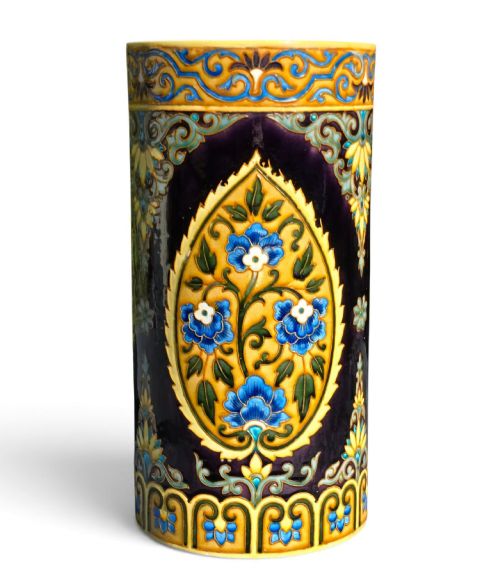
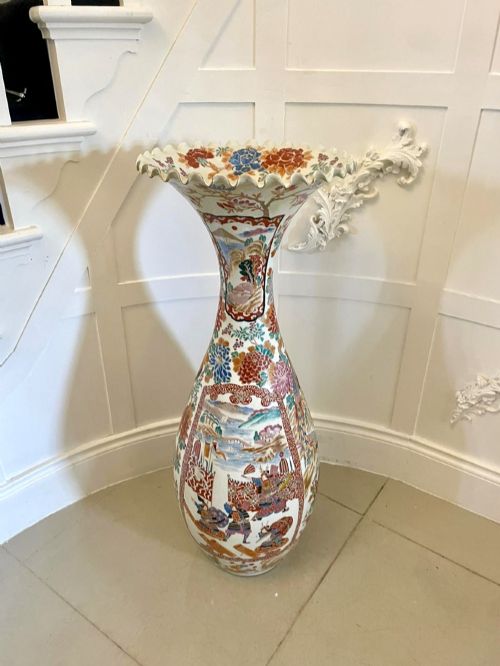
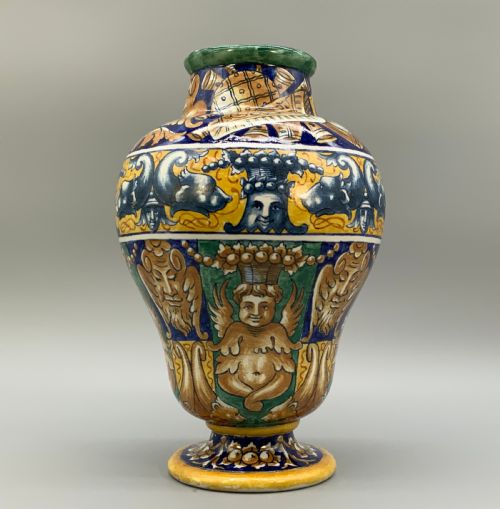
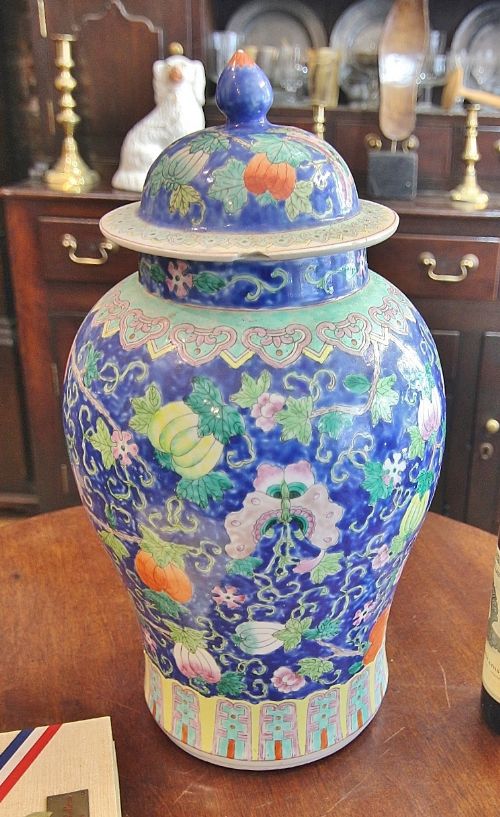
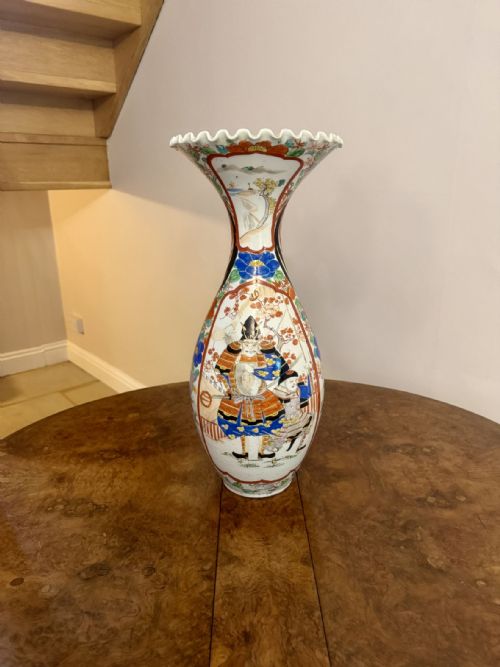
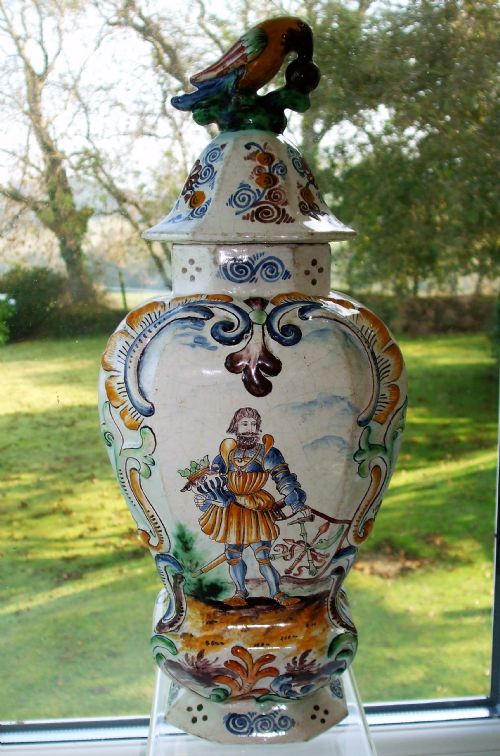
A blue polychrome ceramic vase unites centuries of global ceramic traditions, ranging from large Japanese Imari and Satsuma floor pieces to Dutch Delftware, Italian Majolica, and Qajar Persian vessels. These forms include lidded jars, umbrella stands, baluster shapes, and table lamps spanning the eighteenth, nineteenth, and twentieth centuries.
The buyer most frequently encounters nineteenth-century Japanese Imari porcelain alongside European interpretations of Asian and Middle Eastern aesthetics, such as Iznik-revival earthenware and Dutch Delft faience. Such pieces serve as striking focal points in a room, offering robust scale and vibrant multi-coloured palettes applied over crisp white or deep blue grounds.
Materials and Techniques
Potters utilised earthenware, ironstone, and porcelain as foundations, applying tin glazes or clear lead glazes to seal the porous clay bodies before painting. Artisans built up designs using cobalt blue underglaze accompanied by enamel pigments in iron red, green, and yellow, occasionally incorporating gold leaf to highlight intricate motifs.
Moulding and throwing techniques dictated the ultimate profile of each vessel, from ribbed floor vases to delicate flare-neck shapes. Kiln firing fixed the mineral pigments permanently into the glaze, creating the durable decorated surfaces seen on Majolica, Faience, and Imari works.
Blue Polychrome Ceramic Vase Retail Price Guide 2026
Typical asking prices for blue polychrome ceramic vase among the pieces listed under this phrase on Sellingantiques today, from the lower quarter to the upper quarter. They describe what is for sale here now, not the wider market.
Buddhistic lions peer out from seventeenth-century jars, guarding vibrant blue and white glazes against bright bursts of iron red.
Evaluating Execution
The distinction between ordinary and superior examples lies in the crispness of the hand-painted brushwork and the precision of the polychrome enamel application. Finer vessels display confident, detailed linework and harmonious colour saturation that remain vibrant across the entire body of the ceramic.
Construction weight and the purity of the glaze also separate tiers of quality, with superior pieces showing even glazing without pooling or excessive cracking. The ambition of the form, whether a heavily moulded Italian Majolica urn or a finely potted Japanese porcelain vase, dictates the level of artisanal skill invested in the creation.
Théodore Deck·Jules Vieillard·Mason's Ironstone
The Blue Polychrome Ceramic Vase Glossary
- Polychrome
- Decoration utilising multiple colours painted onto ceramics. This technique allows artisans to combine cobalt blue with contrasting iron reds, greens, and enamels.
- Tin-Glazed Earthenware
- Pottery covered with a white tin-oxide glaze that provides an opaque background for painting. Examples include Delftware and Majolica.
- Imari
- Japanese porcelain decorated in underglaze blue, iron red, and gold. This style originated in Arita and heavily influenced European ceramic production.
- Faience
- European tin-glazed earthenware produced widely in France, Holland, and other regions. The technique mimics the appearance of imported Chinese porcelain.
- Ironstone
- A durable type of heavy earthenware patented in the nineteenth century. It resists chipping and serves as a robust body for colourful patterns.
Blue Polychrome Ceramic Vase: Frequently Asked Questions
What is tin-glazed earthenware?
Tin-glazed earthenware is pottery coated with a glaze containing tin oxide, which fires to an opaque white surface. This bright background allows painters to apply colourful decorative scenes directly onto the unfired glaze.
Potters in Holland, Italy, and France utilised this method to create Majolica, Delftware, and Faience vessels.
How were these vases used?
These decorative vessels served as grand decorative statements on mantelpieces, sideboards, or floor stands within period interiors. Larger examples functioned as umbrella and stick stands in hallways.
Many ceramic jars and lidded vases also held dried botanicals or simply displayed the artistic skill of the workshop.
Can I use these vases as lamps?
Many ceramic vases from the nineteenth and twentieth centuries were adapted into table lamps to suit domestic lighting needs. These conversions often utilise existing baluster or jar forms while preserving the painted decoration.
Careful wiring allows collectors to live with antique porcelain and earthenware in contemporary settings without altering the main body of the vessel.