



Blue Persian Weaving
Blue persian weaving brings together hand-knotted carpets, tribal bags and flatweaves crafted across nineteenth and twentieth-century Persia.
Blue Persian Weaving
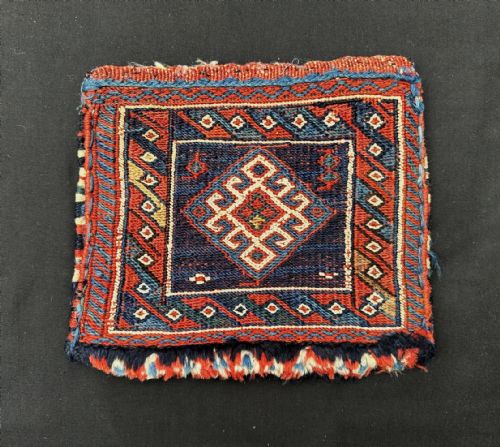
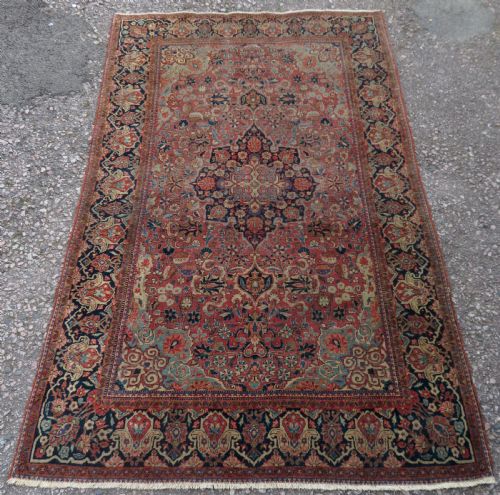
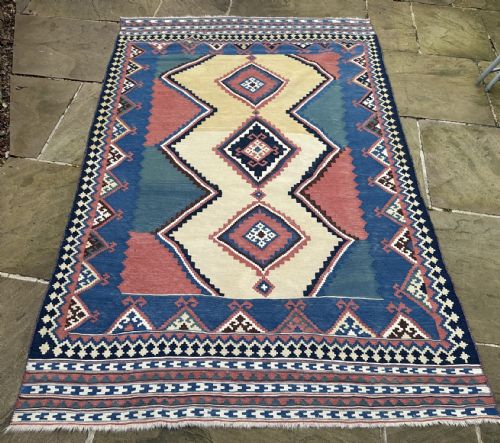
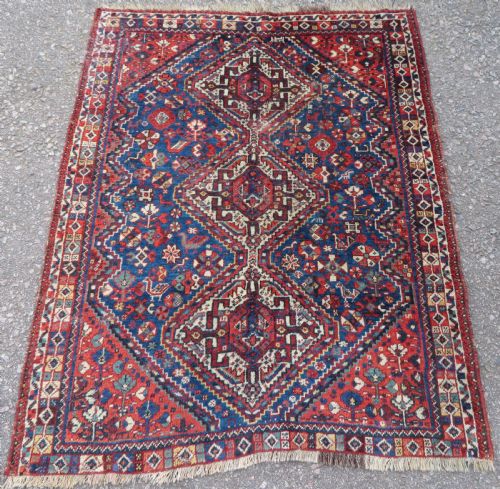
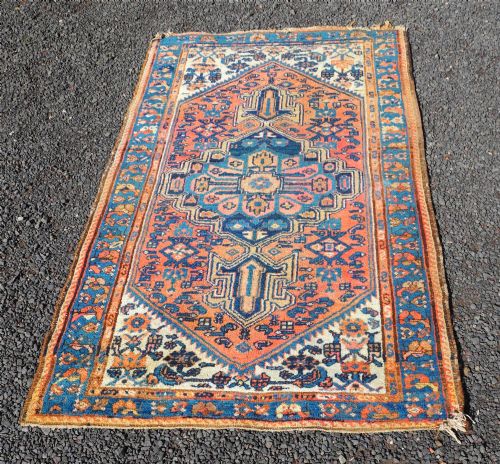
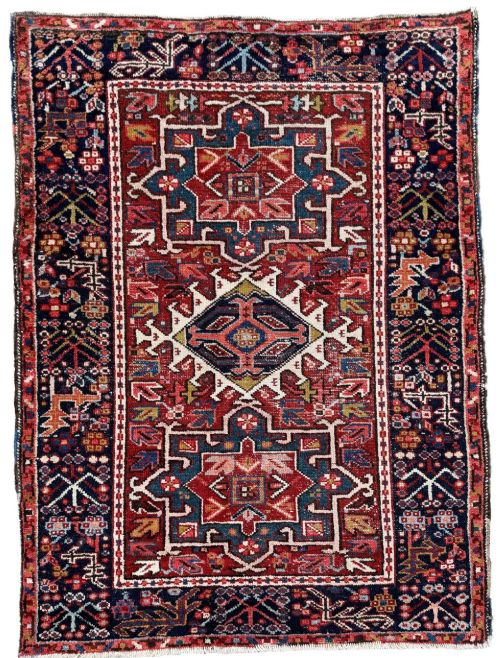
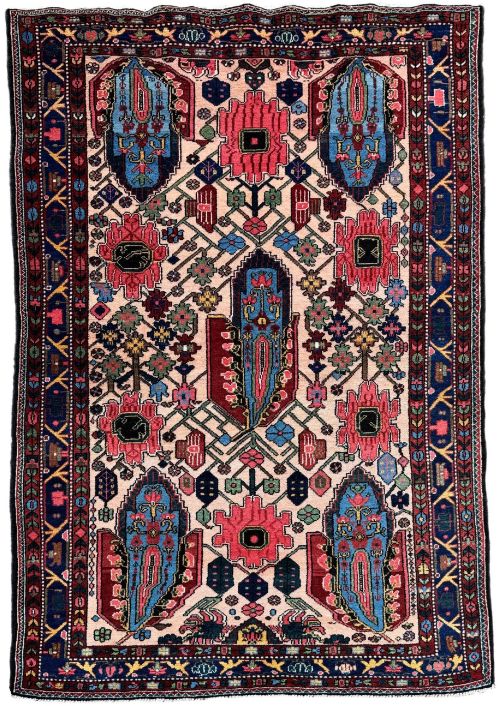
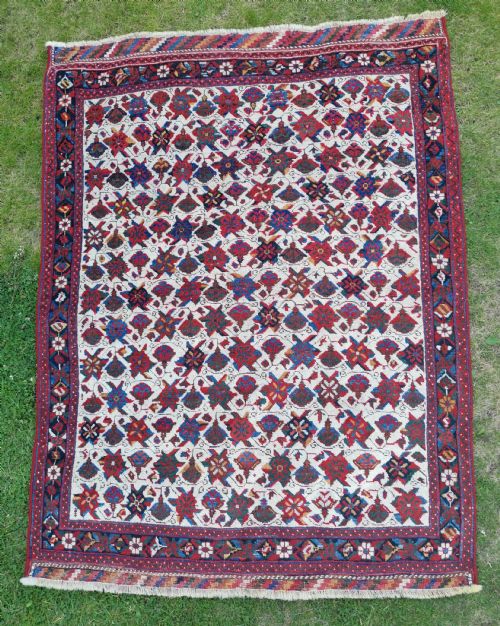
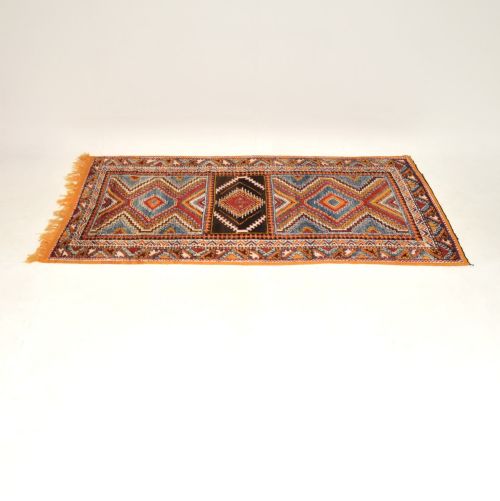
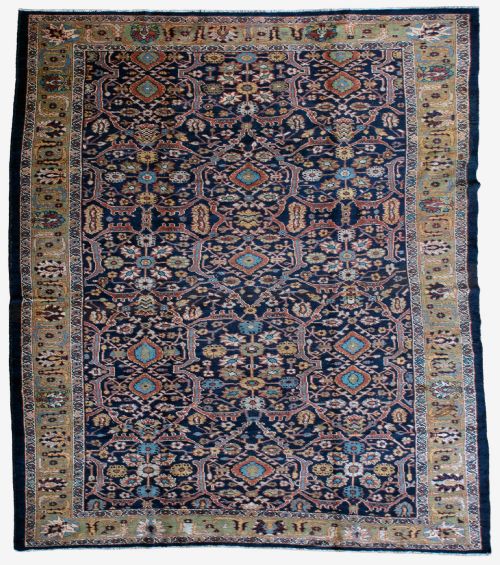
When you search for blue persian weaving, you encounter a diverse range of nomadic and village textiles originating from regions such as Khorassan, Fars, and Luristan. These pieces encompass large room-size carpets, small scatter rugs, kilims, and utilitarian tribal containers like vanity bags and salt bags.
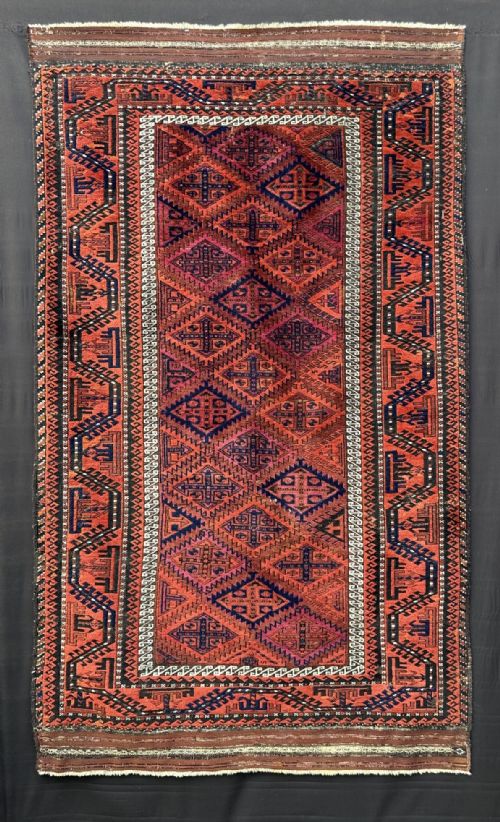
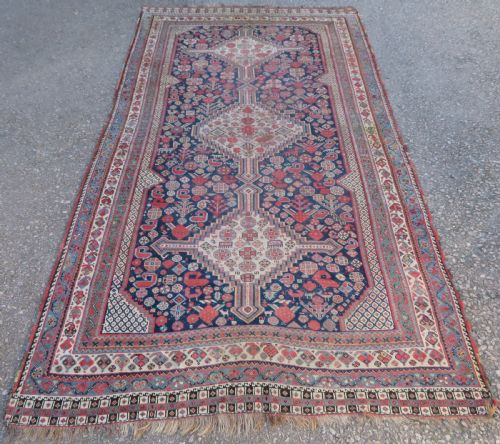
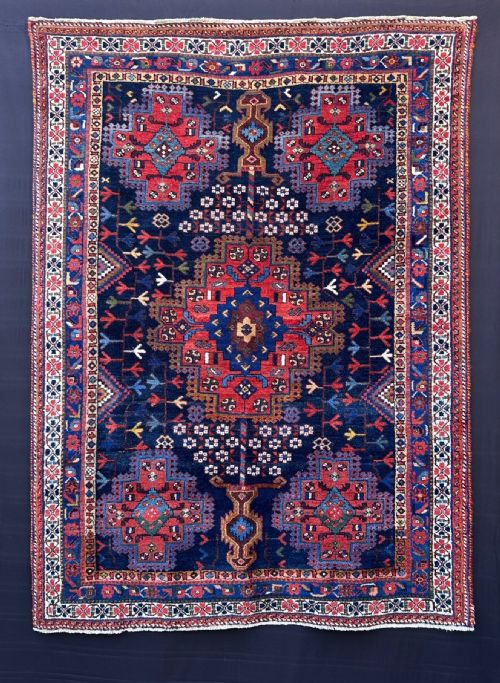
The objects span from the nineteenth century through the mid-twentieth century, showcasing designs linked to specific groups including the Bakhtiari, Afshar, Khamseh, and Baluch tribes. On this page, you are most likely to meet village and tribal rugs featuring geometric medallions or traditional repeating motifs.
The form of the textile often dictates its original domestic or nomadic purpose, ranging from floor coverings to saddle covers and bagfaces. Each piece reflects the regional palette and weaving traditions passed down through generations of makers.
Materials and construction
The foundation of these textiles relies predominantly on wool and cotton, with many pieces incorporating hand-spun wool and natural dyes to achieve their distinct colour depth. Silk highlights occasionally appear in finer workshop productions, adding subtle contrast to the denser wool piles.
Weavers utilised hand-knotting techniques for carpets and pile rugs, alongside flatweave methods for kilims and tribal bagbacks. The integration of local materials directly correlates with the geographic location of each tribe or village workshop.
Blue Persian Weaving Retail Price Guide 2026
Typical asking prices for blue persian weaving among the pieces listed under this phrase on Sellingantiques today, from the lower quarter to the upper quarter. They describe what is for sale here now, not the wider market.
Nomadic weavers occasionally wove tiny stray bird motifs into dark wool fields, adding secret life to utility bags.
Judging quality in tribal and village textiles
Quality rests upon the handling of the wool, the precision of the knotting or flatweaving, and the vibrancy derived from natural dyes. Finer examples display greater density in the pile and more deliberate execution of intricate geometric or pictorial motifs.
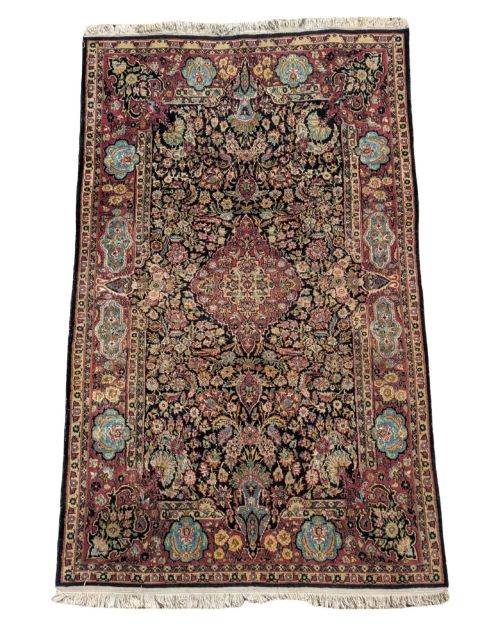
The integrity of the structural foundation and the preservation of original edges and tribal details heavily influence the standing of a piece. Workshop carpets from centres like Kashan or Heriz present a different technical refinement compared to utilitarian nomad salt bags.
The Blue Persian Weaving Glossary
- Kilim
- A flatwoven carpet or rug produced without a pile, traditionally utilised by nomadic groups for floor coverings or practical household storage.
- Bagface
- The decorative front portion of a tribal storage sack, often preserved and mounted as a small decorative textile.
- Medallion
- A central ornamental design motif placed in the field of a rug or carpet, frequently geometric or floral in structure.
- Pile
- The upright yarn loops that form the plush surface of a hand-knotted rug, distinct from flatweaves.
- Natural Dyes
- Colourants derived from plant, insect, or mineral sources, used historically to dye wool and cotton before the advent of synthetic alternatives.
Blue Persian Weaving: Frequently Asked Questions
How do I identify a tribal rug?
Tribal rugs typically display asymmetric geometric patterns, spontaneous design variations, and materials like hand-spun wool reflecting regional nomadic traditions.
These pieces often feature specific tribal motifs tied to groups such as the Baluch, Qashqai, or Afshar, differing from formal city workshop carpets.
How should I care for an antique rug?
Regular gentle vacuuming without a rotating brush helps maintain the wool pile and removes trapped dust particles safely.
Keeping the textile away from direct sunlight prevents natural dye fading, while professional cleaning preserves the historic fibres.
Are these textiles made with natural dyes?
Many older pieces utilise natural dye sources derived from plants and minerals, yielding rich and stable tones that age gracefully over time.
Subtle colour variations across the wool field often indicate traditional dyeing methods and batch preparation.