

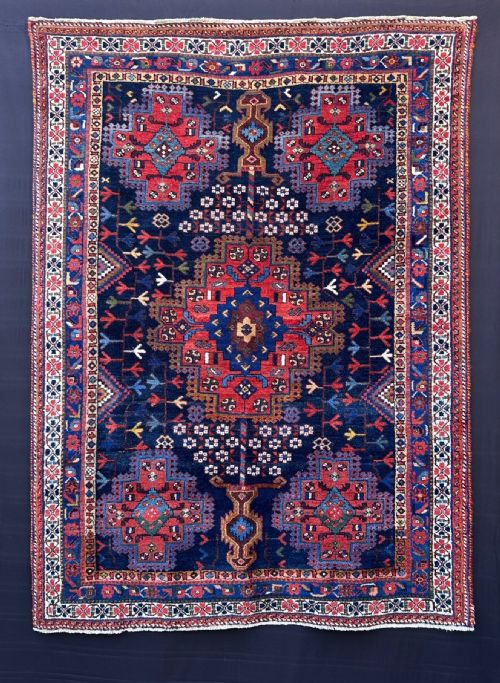
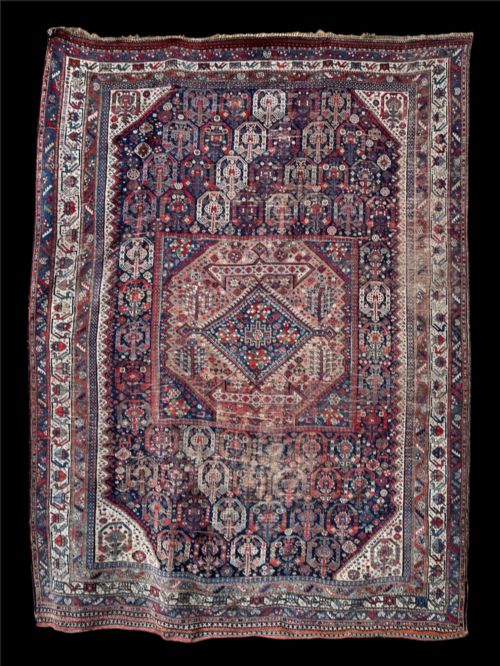
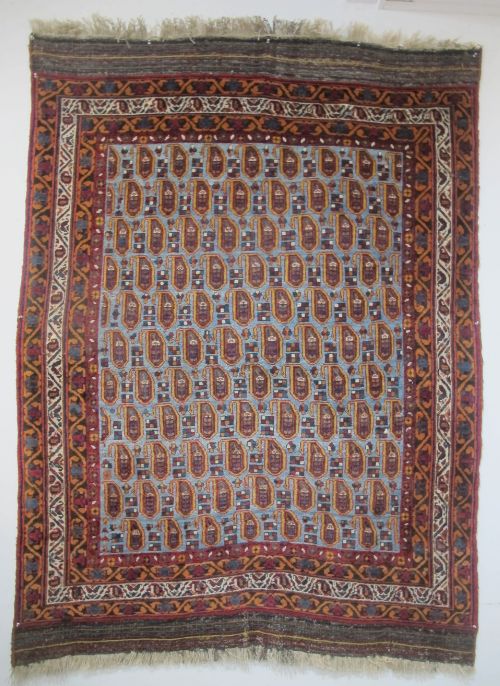
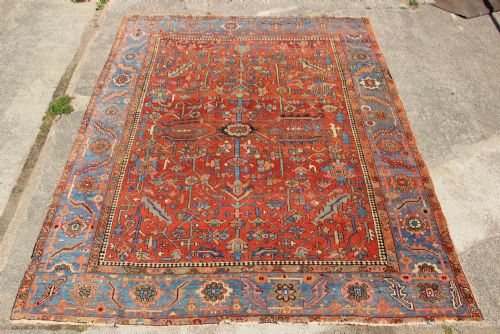




Blue Persia Tribal Carpet
These pieces known as a blue persia tribal carpet are hand-knotted nomadic and village textiles woven for practical everyday floor coverings and utility.
Blue Persia Tribal Carpet
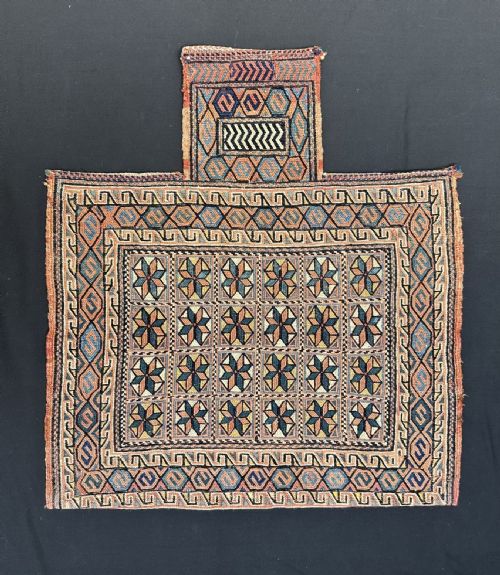
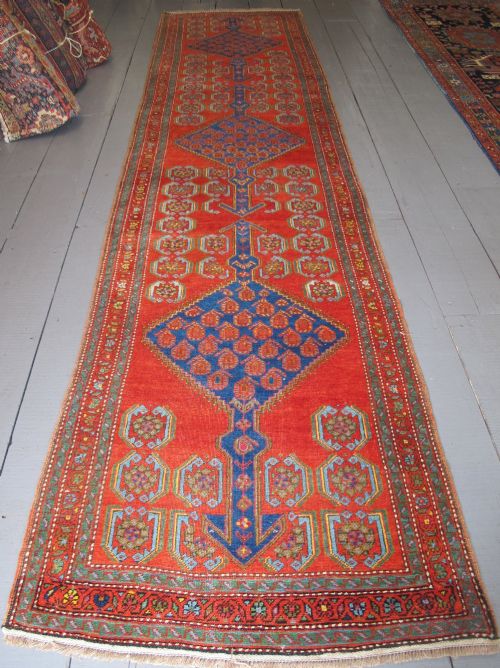
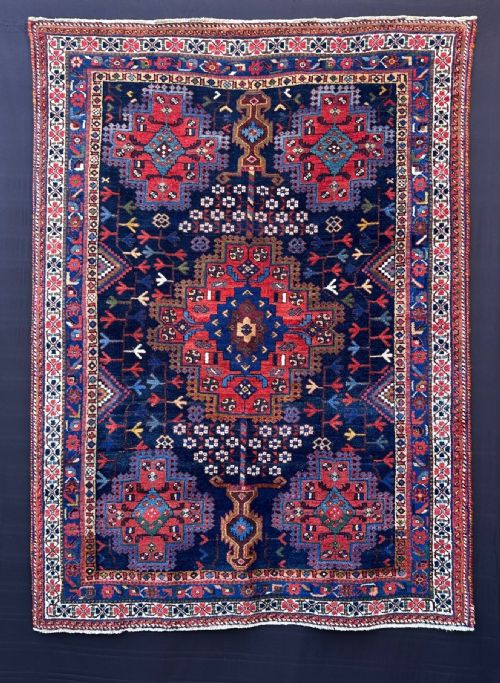
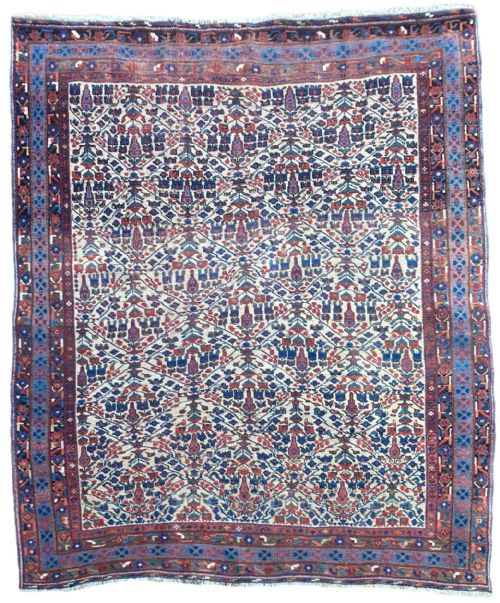
A blue persia tribal carpet encompasses traditional floor coverings, runners, and salt-bags produced by nomadic confederacies and village weavers across various regions of Persia. The inventory spans pieces originating from the nineteenth and early twentieth centuries, including works attributed to Afshar, Khamseh, Bakhtiari, Baluch, and Shahsevan groups.
Buyers will encounter specific formats ranging from square area rugs and long hallway runners to smaller prayer rugs and tribal textiles featuring characteristic geometric and medallion motifs. These items reflect the distinctive regional aesthetics of Southern, Western, and North-Western Persia.
How They Were Made
The construction relies on wool piles knotted onto cotton or wool foundations, utilising durable hand-spun materials suited for heavy daily use. Weavers employed natural dyes to achieve deep indigo blues alongside rich earth tones.
Techniques vary by tribal group, encompassing standard symmetrical or asymmetrical knotting alongside specialised flat-woven structures like Soumak work found on specific bags and textile pieces.
Several items double as nomadic storage, including salt-bags and half-saddlebags woven on the move.
What Varies in Quality
Quality rests upon the fineness of the knot density, the precision of the tribal iconography, and the complexity of the medallion or repeating field design. Tighter knotting allows for sharper delineation of intricate geometric motifs and boteh patterns.
The integrity of the natural dyes and the resilience of the wool foundation determine the longevity and visual depth of the textile over generations of wear.
The Blue Persia Tribal Carpet Glossary
- Boteh
- A recurring almond-shaped or paisley motif representing a floral shoot or cypress tree. It appears frequently in Afshar and tribal compositions.
- Soumak
- A flat-weave technique where coloured threads are wrapped over and under the warp threads. This method creates a sturdy structure without a pile.
- Medallion
- A central ornamental design element placed in the middle of the carpet field. These range from geometric octagons to elaborate multi-lobed forms.
- Warp
- The stationary vertical threads stretched on the loom that form the structural skeleton of the rug. The pile knots are tied directly onto these foundational cords.
Blue Persia Tribal Carpet: Frequently Asked Questions
How do I clean a tribal carpet?
Gentle surface brushing and professional specialist washing are required to protect natural dyes and wool fibres from damage.
Regular light vacuuming without a rotating power brush helps remove embedded dust safely.
Where were these carpets woven?
Production centres span regional provinces and tribal territories including Kerman, Luristan, Khorassan, and Azerbaijan.
Nomadic confederacies and village communities wove them on portable or stationary looms using local materials.
How do I identify tribal motifs?
Tribal designs typically utilise stylized geometric patterns, animal figures, and repeating botanical elements unique to specific weaving groups.
Comparing regional attribution helps distinguish Afshar and Khamseh styles from Bakhtiari or Baluch works.