

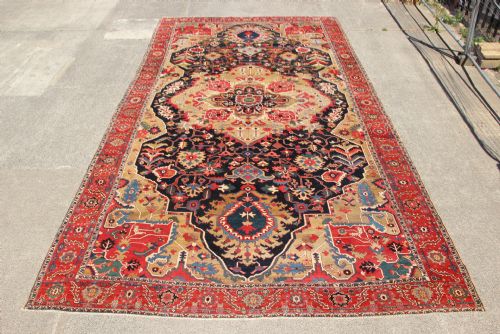
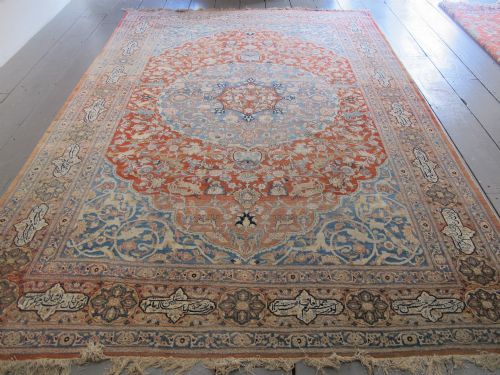
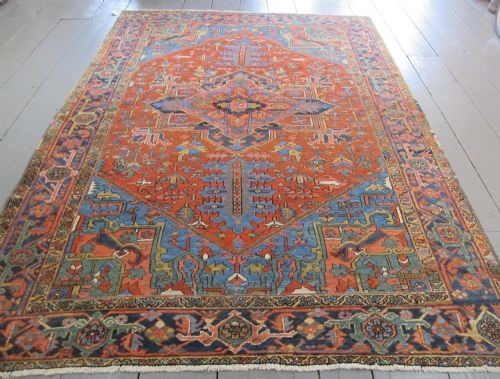
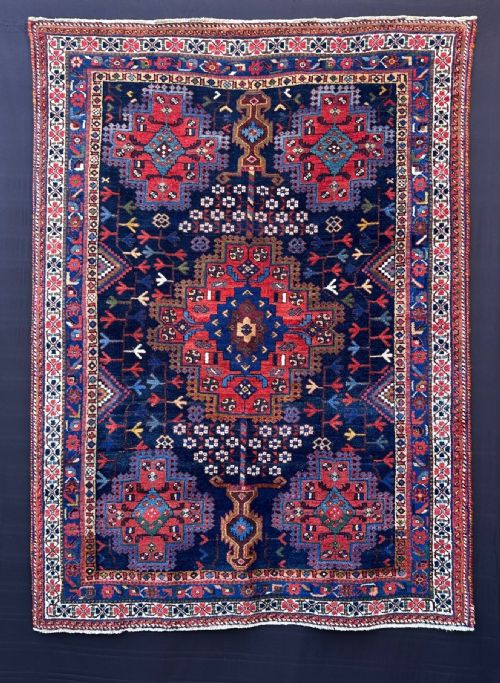
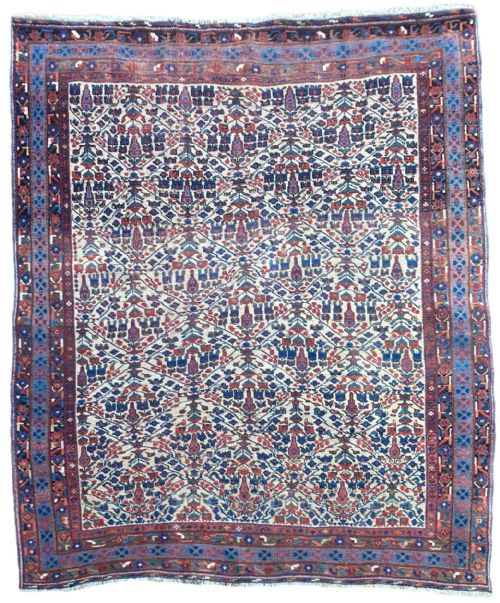


Blue Persia Floor Carpet
A blue persia floor carpet brings grounded warmth and enduring pattern to a room through centuries of weaving tradition.
Blue Persia Floor Carpet
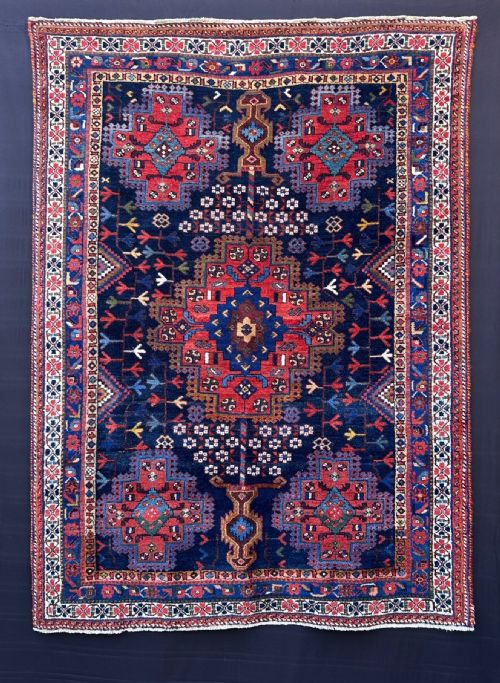
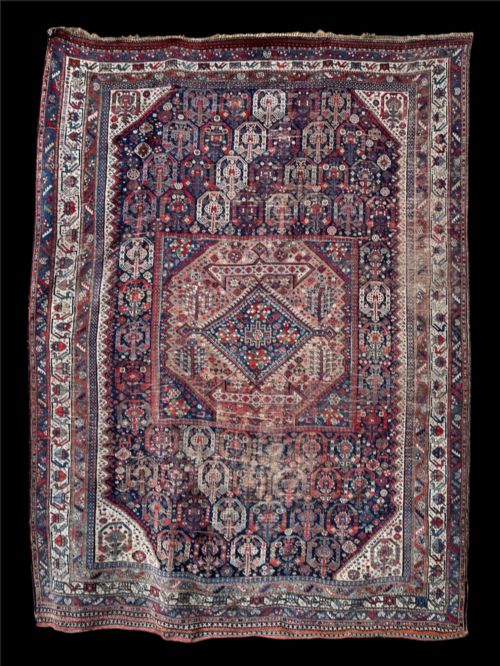
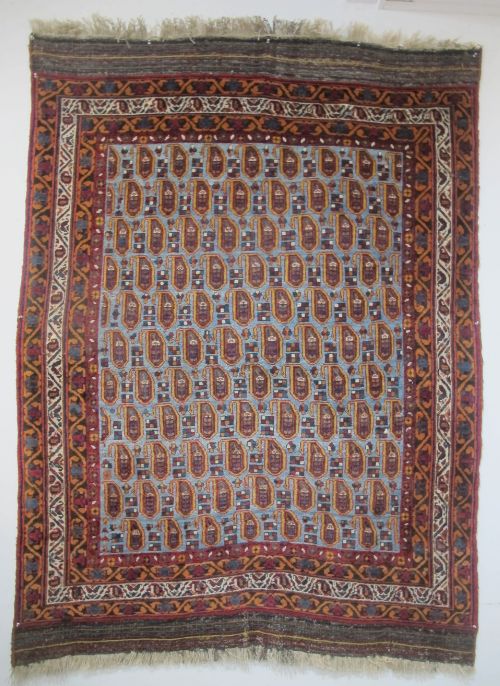
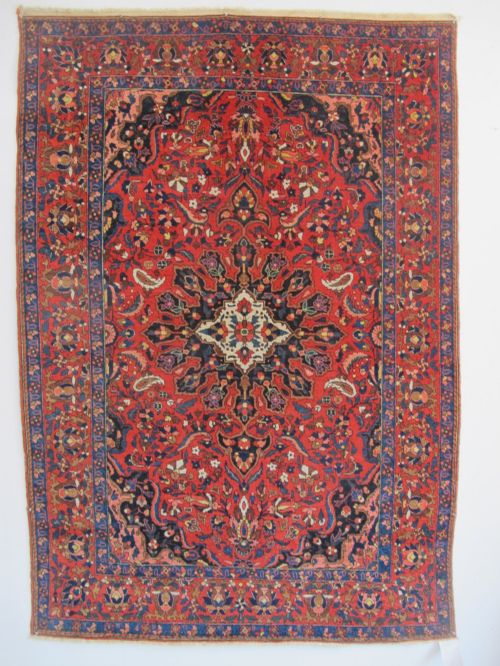
A blue persia floor carpet encompasses hand-knotted room-sized coverings and smaller rugs originating from traditional workshops and tribal regions across Persia. These floor coverings span the nineteenth and early twentieth centuries, reflecting diverse regional aesthetics from Heriz to Tabriz.
Buyers seeking this style frequently encounter room-sized carpets alongside hallway runners and compact area rugs. The selections available reflect regional weaving traditions from South Persia, the Chahar Mahal valley, and north-western workshops.
Village and tribal pieces appear alongside city-woven formats, displaying geometric medallions, repeating floral motifs, and structured tile patterns. Each piece carries the distinct structural traits of its specific geographic origin.
Materials and Construction Techniques
Weavers utilised natural wool for the pile, providing durability and a soft surface underfoot. Cotton served primarily for foundation warps and wefts, creating a stable grid that held the dense knots firmly in place.
Selected finer pieces incorporated silk highlights within the design to accentuate specific contours of the pattern. Artisans built these carpets using hand-tied knots on vertical looms, establishing firm tension across the entire foundation.
Nomadic weavers occasionally inserted deliberate small colour shifts into their borders to ward off the evil eye.
Factors Defining Quality
Knot density and structural tightness dictate the longevity and definition of the woven design. Finer knotting allows intricate curves and sharp geometric lines to render with absolute clarity.
The choice of wool and the depth of natural dye saturation influence the tactile richness of the pile. Even wear across the foundation and intact original selvedges indicate careful historic preservation.
Haji Jalili·Ziegler
The Blue Persia Floor Carpet Glossary
- Warp
- The stationary vertical threads stretched onto a loom that form the structural foundation of the carpet. Fringe ends originate from these running threads.
- Weft
- The horizontal threads passed back and forth between warp threads to lock the rows of knots into place. They give the carpet its structural stability.
- Selvedge
- The reinforced outer side edges of a carpet finished to prevent the unravelling of the side knots. Traditional bindings protect this vulnerable boundary.
- Pile
- The upright cut or looped yarn surface forming the soft upper layer of the carpet. Dense pile provides both cushion and protection to the foundation.
- Medallion
- A large central ornamental design motif placed prominently in the middle field of the carpet. Geometric and floral variations define regional identities.
Blue Persia Floor Carpet: Frequently Asked Questions
How do I clean a historic carpet?
Professional dusting and gentle surface washing by a specialist preserve the wool fibres and natural dyes. Avoid harsh chemical detergents and excessive moisture.
Regular light vacuuming without a rotating power brush prevents embedded dirt from cutting the wool pile over time.
Can I place these rugs in high traffic areas?
Sturdy village and tribal carpets handle moderate foot traffic well thanks to dense wool construction and strong cotton foundations. Hallways and living rooms suit these durable weaves.
Placing a quality underlay beneath the rug prevents slipping and reduces friction between the floor and the foundation fibres.
How do regional styles differ?
North-western workshops often favour bold geometric room formats, whilst city centres produce curved floral room carpets. Tribal weavers express local folklore through repeating geometric symbols.
Palettes and border arrangements change distinctly between regions, allowing experienced eyes to trace a piece back to its source.
What underlay should I use?
A breathable, natural rubber mesh underlay prevents the rug from sliding across smooth wooden or stone floors. This protective layer cushions the base.
Avoid solid synthetic pads that trap moisture beneath the carpet and accelerate wear on the cotton foundation.