
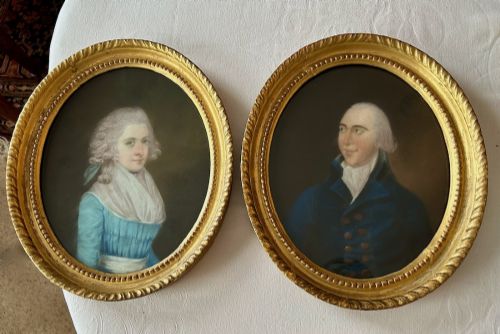
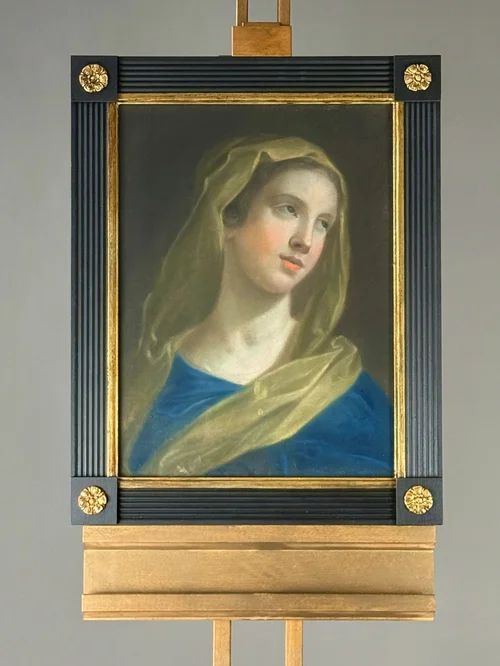
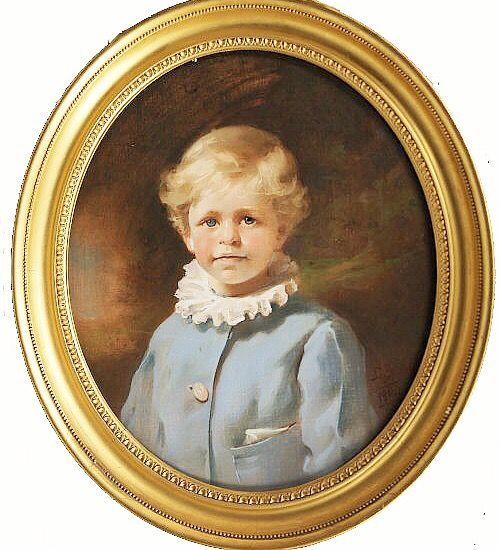
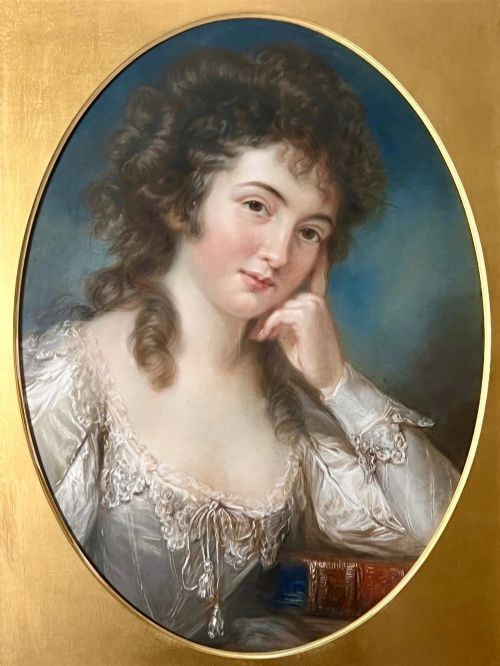




Blue Pastel Artwork
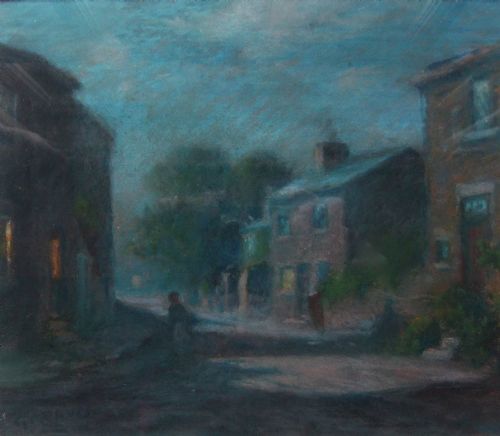
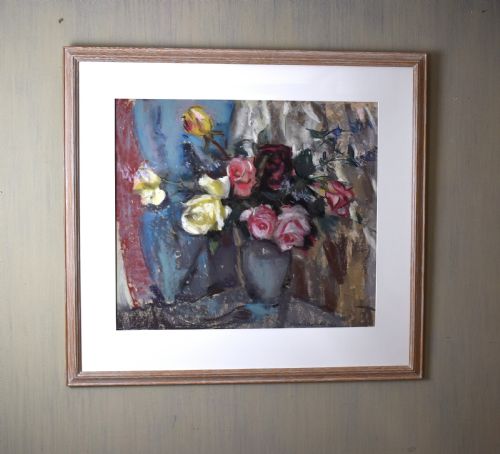
Blue pastel artwork encompasses works executed in pastel on paper, capturing delicate portraits, coastal scenes, and townscapes across several centuries.
Blue Pastel Artwork
Blue pastel artwork centres on works executed in pastel, capturing portraits, landscapes, and figure studies across various periods. These pieces range from eighteenth-century portrayals and nineteenth-century likenesses to mid-century depictions of harbours and street scenes.
Buyers encounter numerous forms on this page, notably pastel drawings, portraits, and framed wall art. The selection spans Georgian and Victorian examples through to post-impressionist and mid-century modern interpretations.
Origins vary widely, encompassing British, French, Dutch-Australian, and Canadian hands. Works frequently employ paper supports, occasionally accompanied by glass, giltwood, or wood framing to protect the delicate medium.
What varies in quality
Quality rests upon the sureness of the hand and the preservation of the delicate pigment layer. Superior examples demonstrate a confident command of form and expression, particularly within portraiture and landscape depth.
The integrity of the paper support and the presence of period framing influence the overall standard. Pieces retaining their original glass and framing without excessive pigment loss command greater appreciation.
Benedetto Luti·John Russell R.A.·Leon Sprinck·Denis William Reed·Frank Dobson
The Blue Pastel Artwork Glossary
- Pastel
- A dry painting medium consisting of powdered pigment and a binder rolled into sticks. It permits rapid application of pure colour and soft tonal transitions.
- Post-Impressionism
- An art movement following impressionism that explored emotional and structural responses through broader brushwork and expressive colour. Works in this style often emphasise simplified forms and bold palettes.
- Giltwood
- Wood carved and covered with a thin layer of gold leaf or gilt. It is frequently found on the decorative frames enclosing period works on paper.
- Watercolour
- A painting method where coloured pigments are suspended in a water-soluble vehicle. Artists occasionally combined this technique with pastel to enrich works.
Blue Pastel Artwork: Frequently Asked Questions
What is blue pastel artwork?
Blue pastel artwork comprises drawings and paintings executed primarily in pastel medium where blue tones predominate, ranging from eighteenth-century portraits to mid-century coastal scenes.
These pieces utilise paper supports and often feature historic framing with glass protection to safeguard the friable pigment.
How should I frame pastel art?
Pastel works require framing behind glass with a mount or spacer to prevent the glass from touching the pigment surface. This separation stops the dry pastel powder from adhering to the glass over time.
Historic giltwood frames often accompany period pieces, though conservation-grade backing and framing protect the paper from environmental damage.
How do I date a pastel painting?
Dating relies on the style of the portraiture or landscape, the characteristics of the paper, and any accompanying signatures or dealer attribution. Costume details and framing styles also provide reliable clues to the period.
Comparative analysis with documented works by known practitioners helps narrow the execution date.
Are pastels painted on canvas?
Pastel is traditionally applied to paper supports, though the medium occasionally appears alongside oil on canvas or mixed media. The selections here predominantly record paper as the primary support for pastel work.
Canvas is more commonly associated with the oil paintings found within the broader assortment on this page.