
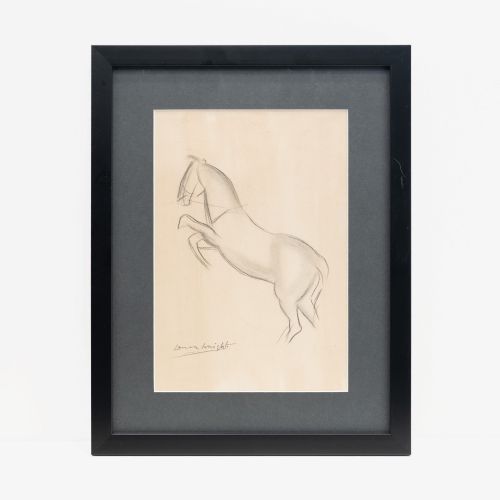


20th Century Paper Drawing
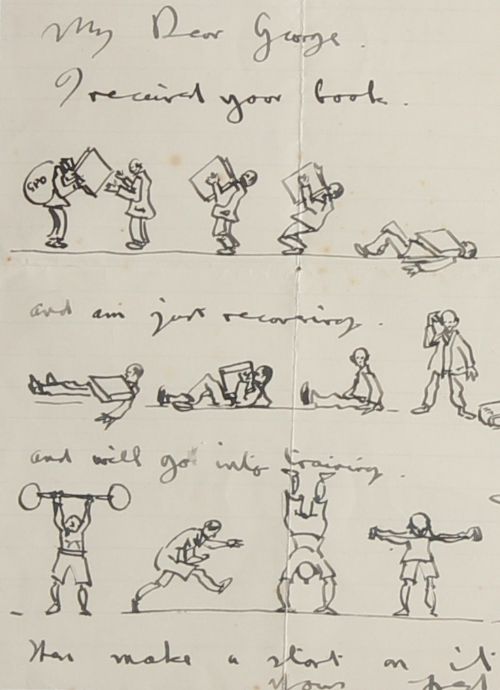
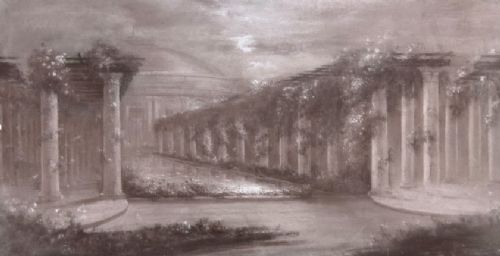
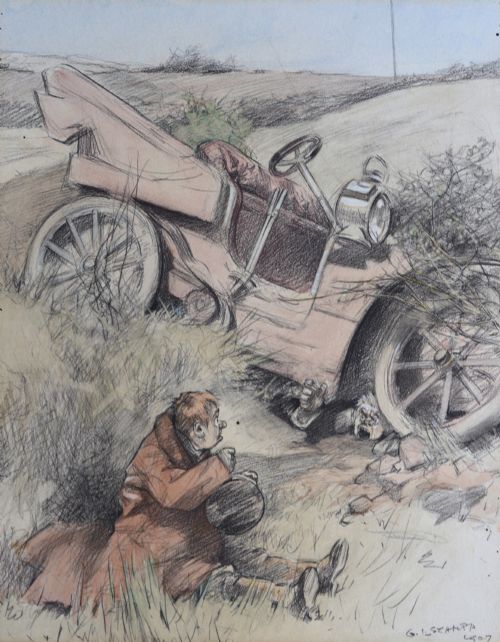
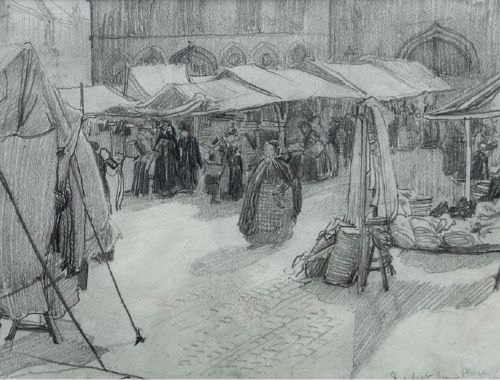
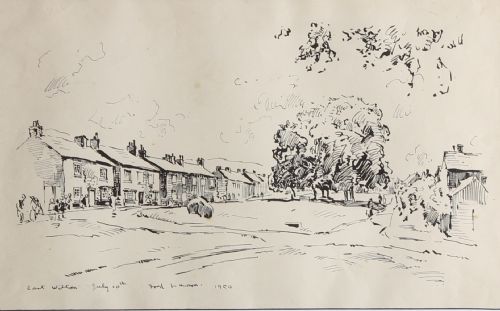
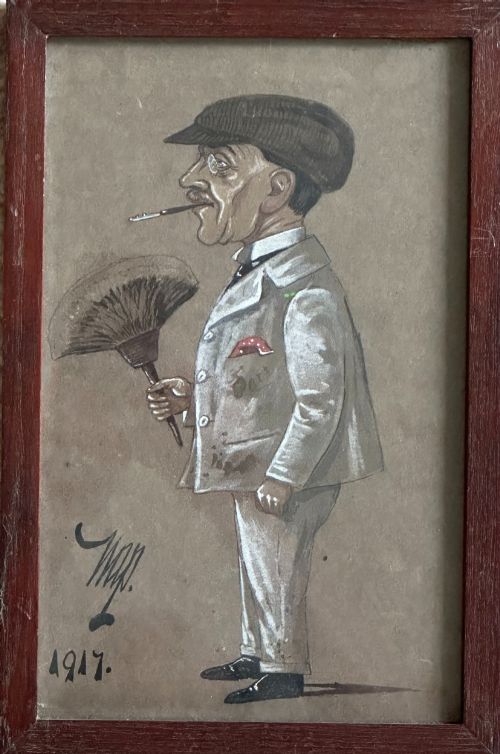
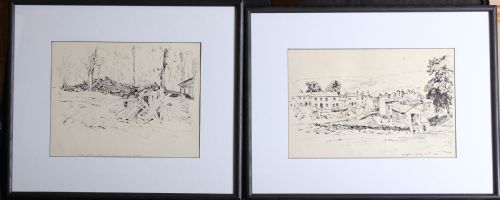
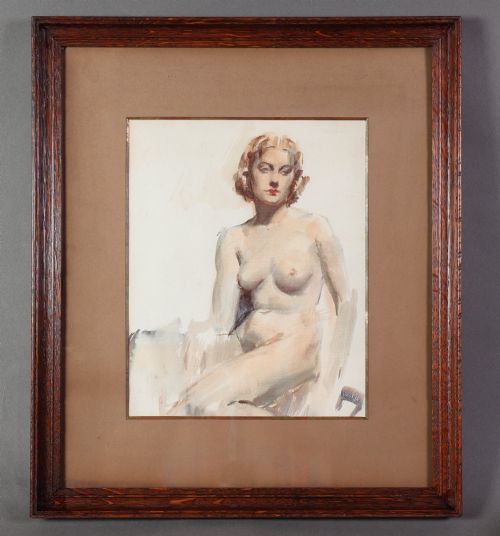
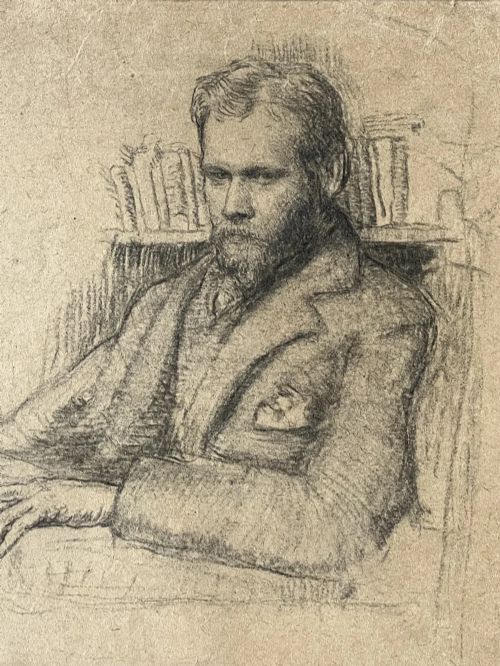
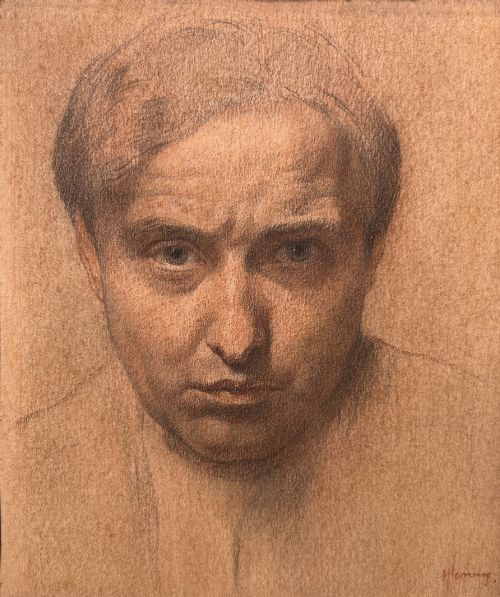
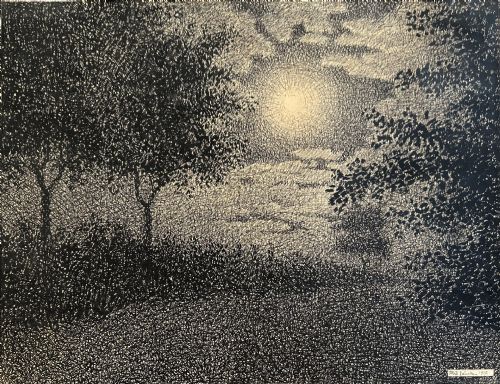
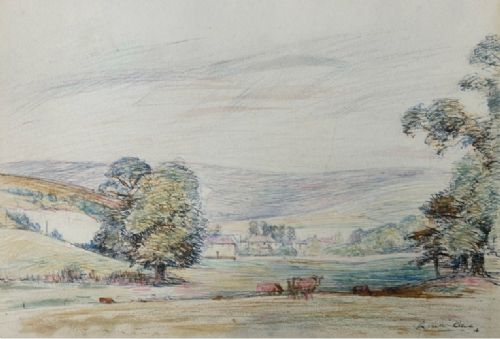
These pieces of 20th century paper drawing capture immediate movement and careful study through ink, charcoal, and watercolour.
20th Century Paper Drawing
A 20th century paper drawing captures the shifting artistic movements of the era, ranging from early Edwardian sketches to mid-century modern British landscapes. Buyers seek these works for their direct link to an artist's hand, preserved through intimate portraits, townscapes, and figure studies.
The selections on this page lean heavily towards original works on paper, featuring ink, pastel, and pencil creations framed behind glass. Landscapes, caricatures, and life studies dominate the form, reflecting the versatile output of British and European artists across the decades.
Materials and methods
Artists relied primarily on paper surfaces combined with graphite, charcoal, and ink to build form and shadow quickly or meticulously. Watercolour and gouache added washes of tone, while pastel introduced rich colour fields to scenes ranging from quiet rural pastures to bustling city streets.
Protective framing under glass preserved these delicate organic materials from atmospheric degradation over the decades. Wooden stretchers and simple mounts frequently support the paper sheets, maintaining their structural integrity without obscuring the edges.
Listings feature works spanning the Edwardian era through the nineteen sixties, utilising paper, charcoal, and ink.
Distinctions in quality
The distinction between ordinary sketches and master works rests upon the decisiveness of the line and the confidence of the composition. Stronger pieces reveal an economy of marks where every stroke defines mass and expression precisely.
Provenance and documented attribution elevate certain examples, particularly when signed by recognised names from early 20th century British and continental circles. The preservation of the paper itself, free from heavy foxing or fading, maintains the visual strength intended by the artist.
Fred Lawson·George Lorain Stampa·Henry Percy Huggill·Russell Sidney Reeves·Dame Laura Knight·John Hobson Nicholson·Demetrios Galanis·Denis William Reed·Lawrence Stephen Lowry·John Duncan Fergusson·Reginald G. Eves·Frank Dobson·Angus Rands
The 20th Century Paper Drawing Glossary
- Charcoal
- A dry drawing medium made from slowly burned organic material that produces deep blacks and easily blended shaded tones. It allows artists to achieve dramatic contrasts quickly on textured paper.
- Gouache
- An opaque water-based paint that provides solid, flat areas of colour and highlights over ink or pencil underdrawings. It differs from transparent watercolour by containing white pigment fillers.
- Foxing
- Brown spots and discolouration caused by chemical reactions in ageing paper exposed to humidity. Collectors monitor these spots to gauge the preservation state of early works.
- Pastel
- A powdered pigment compressed into a stick form that yields velvety, luminous colour surfaces. It requires careful glass framing to prevent the powdery medium from smudging.
- Provenance
- The documented history of ownership of an artwork tracing its path from the creator to the present marketplace. Clear provenance establishes authenticity and historical context.
20th Century Paper Drawing: Frequently Asked Questions
What is the difference between a study and a finished drawing?
A study represents a preparatory exploration of a subject, such as a single hand or a nude pose, focusing on specific anatomical or tonal problems. These works often show visible grid lines or quick corrections.
Finished drawings are executed as complete statements intended for exhibition or sale, possessing a higher degree of compositional resolution.
How do I identify a modernist paper drawing?
Modernist works abandon strict academic realism in favour of simplified forms, bold outlines, and expressive interpretations of perspective. Artists working in this mode prioritised emotional impact over photographic accuracy.
Materials often mix freely, combining pencil, ink, and wash to emphasise the graphic qualities of the flat sheet.
Why are drawings on paper often signed faintly?
Artists frequently signed working drawings with graphite or thin ink directly into the corner of the composition rather than applying a formal signature. These signatures served as personal records of completion rather than commercial displays.
Examining the handwriting against known examples helps confirm the creator's identity.