


British Pastel Sketch
These pieces of british pastel sketch bring intimate character to a room through delicate hand-drawn lines.
British Pastel Sketch
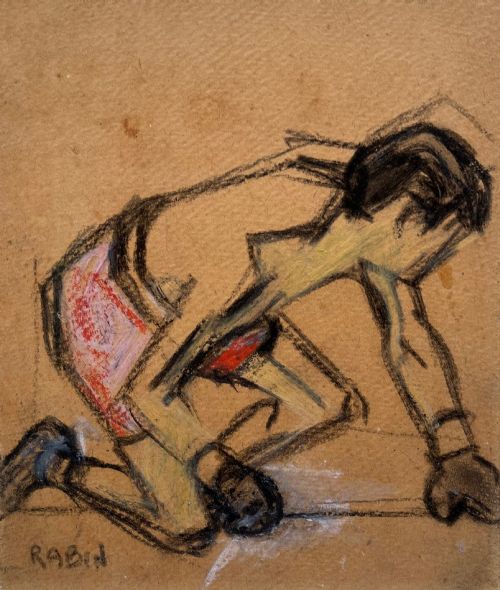
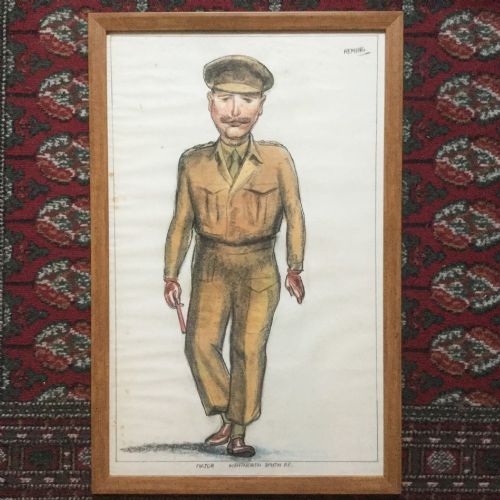
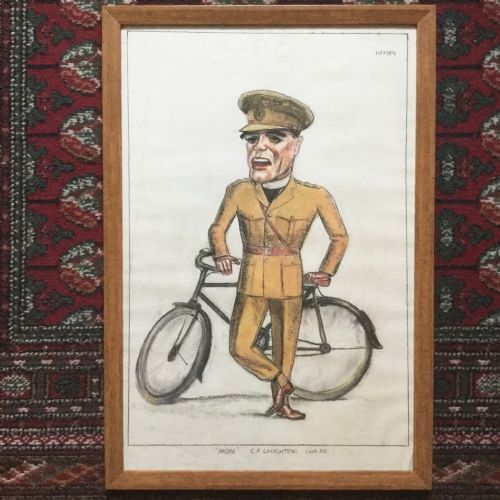
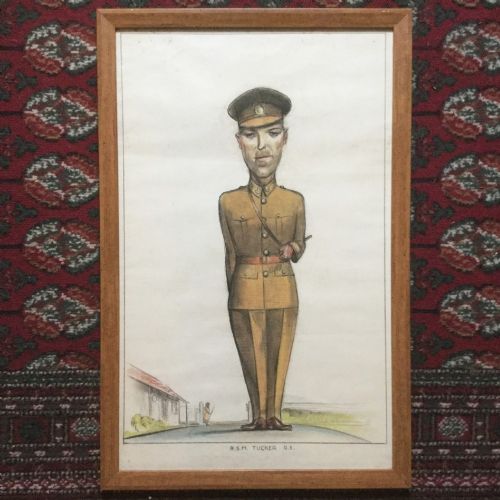
A british pastel sketch captures portraits, military officers, horses and figures on paper from periods spanning the 19th Century, the Edwardian era and the mid-20th Century. You meet works executed by named artists and anonymous hands alike, rendered in varied illustrative and realist styles.
The subjects range from wartime officer portraits and racing horses to funfair scenes and reclining nudes. Most examples arrive framed in wood or walnut behind glass, ready for hanging on a wall.
How they were made
Draftsmen worked primarily with pastel, chalk and charcoal applied directly onto paper or coloured paper surfaces. Some pieces incorporate gouache, watercolour or lithographic underlayers to build depth and tone.
Finished works received wooden or walnut framing, often protected beneath glass to preserve the fragile dry medium from smudging.
An anonymous military padre and several Royal Engineers officers immortalised their wartime service in chalk.
What varies in quality
The strength of the draftsmanship separates casual studies from resolved portraits, seen in the confidence of the charcoal lines and the blending of pastel pigment. Listed works range from rapid wartime records to fully signed compositions by elected Royal Academicians.
Condition of the paper and the integrity of the original frame also set examples apart, with well-preserved works retaining the fresh vibrancy of the chalk and gouache pigments.
Samuel Rabin·John Rattenbury Skeaping·Cecil Charles Windsor Aldin·Arthur Todd·Denis William Reed·Aubrey Sykes·John Macallan Swan·Frank Dobson·Sonia Lawson·George Richmond
The British Pastel Sketch Glossary
- Pastel
- A dry painting medium consisting of powdered pigment and a binder, producing velvety colour on paper. It requires glass framing to prevent smudging.
- Gouache
- An opaque water-based paint often combined with pastel or chalk to add solid highlights and body to a sketch. Artists use it to build areas of dense colour.
- Charcoal
- A carbon material used for initial sketching or finished monochromatic drawings. It creates deep, expressive dark lines.
- Coloured paper
- Tinted paper stock that provides a mid-tone background for pastel and chalk. This technique allows artists to work up highlights and shadows rapidly.
British Pastel Sketch: Frequently Asked Questions
What is a british pastel sketch?
It is an original artwork drawn on paper using pastel, chalk, or charcoal, often depicting portraits, animals, or figures.
These pieces capture immediate observations from artists working across the nineteenth and twentieth centuries.
How should I hang a pastel sketch?
Keep the artwork out of direct sunlight to prevent the dry pigments and paper from fading over time.
Ensure the piece remains securely framed behind glass to protect the delicate surface from moisture and physical damage.
Are these sketches signed by artists?
Many examples bear signatures, inscriptions, or attribution details linking them to known Royal Academicians and period draftsmen.
Other works remain unsigned, originating from wartime studios or anonymous drawing sessions.
What materials are used in these drawings?
Artists employed pastel, chalk, charcoal, and gouache applied to paper, sometimes working over lithographic prints or coloured sheets.
Frames are typically constructed from wood or walnut to house the paper securely.