

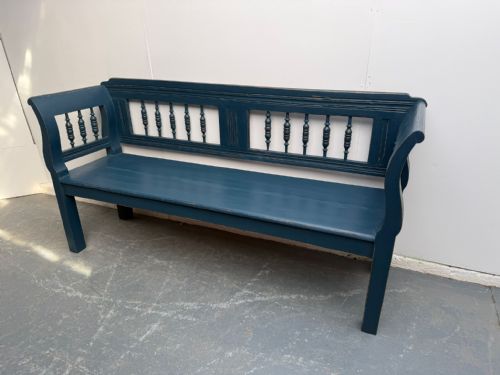


Blue Painted Furniture
Blue painted furniture brings tactile character into a room through honest timber surfaces and historic pigment.
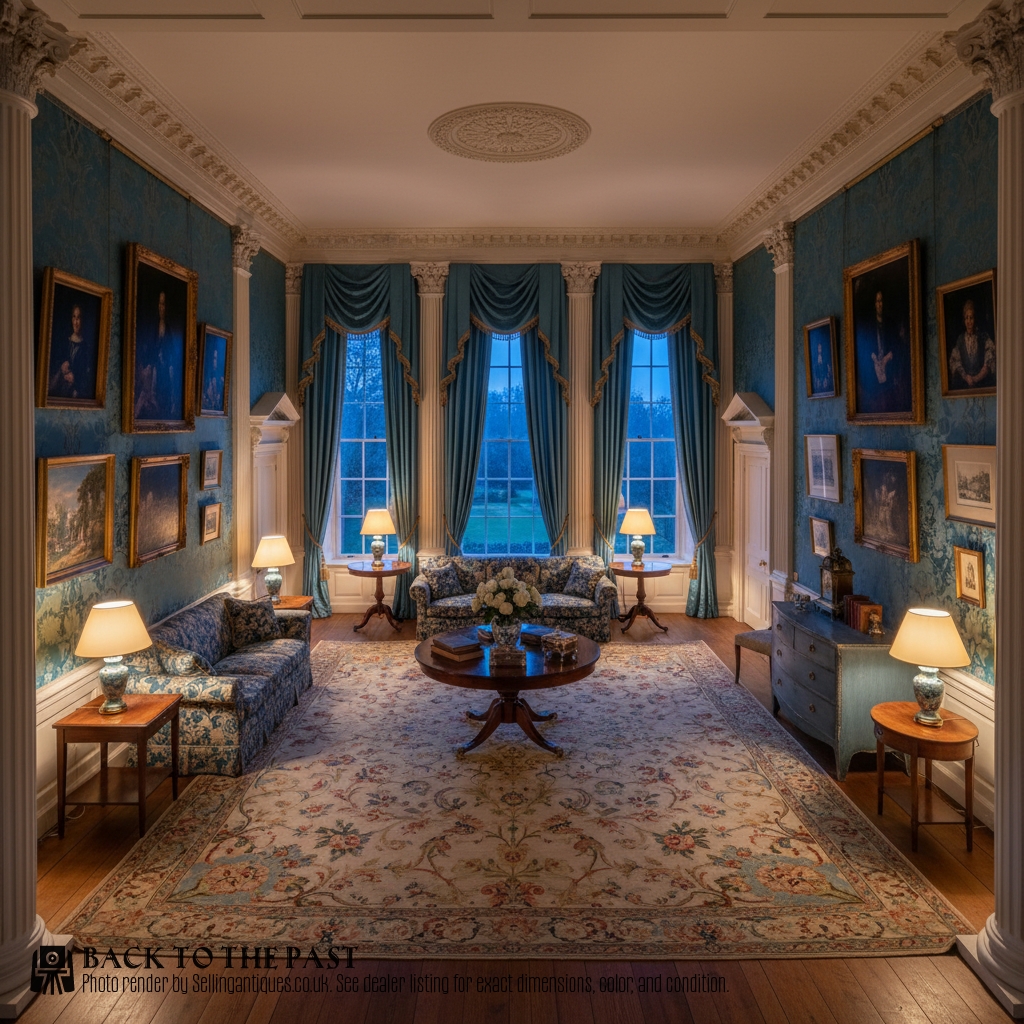
Blue Painted Furniture
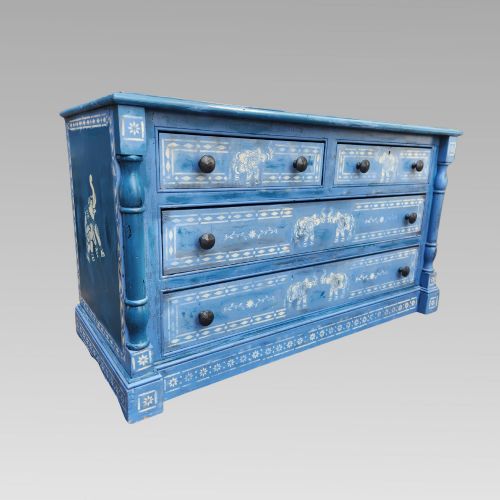
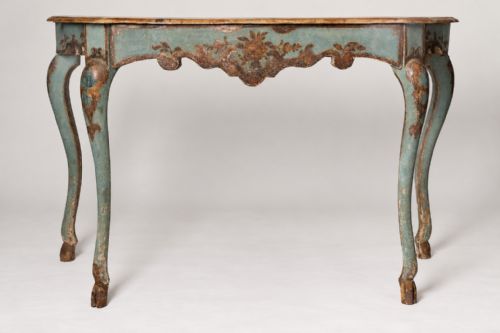
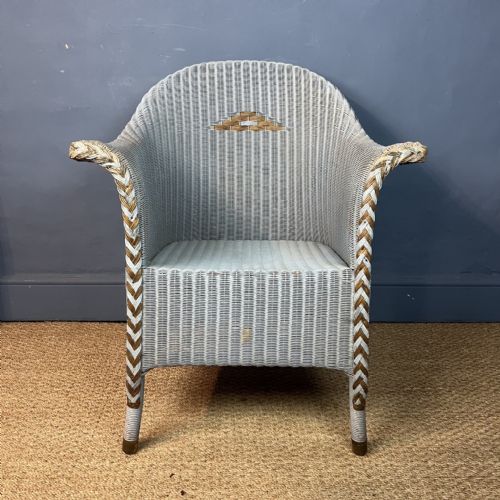
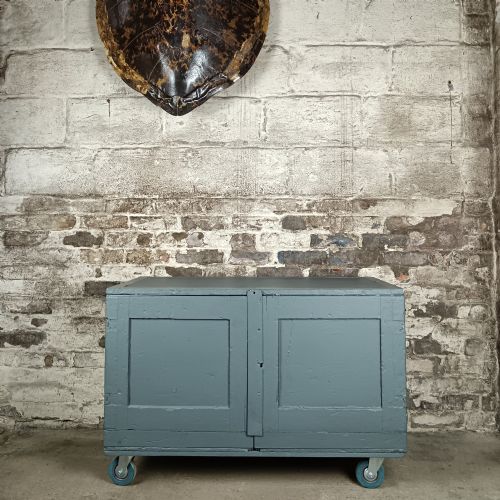
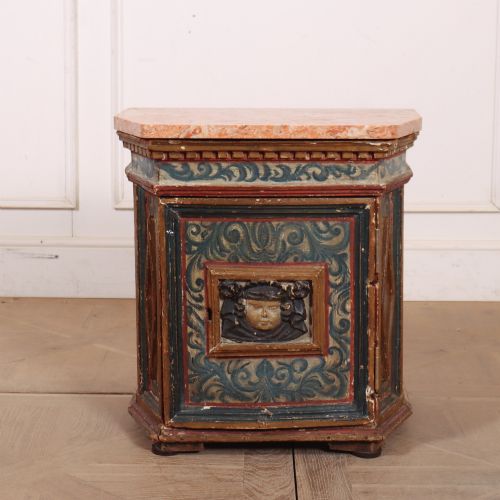
When searching for blue painted furniture, buyers encounter functional domestic forms built from timber and coated in historic or original pigments. These pieces span centuries of rural and formal European design, from English country houses to continental workshops.
Origins stretch across Sweden, Hungary, France, Italy, and England, demonstrating how regional traditions adapted simple pine and softwood into striking domestic focal points. Each item carries the distinct structural vernacular of its geographical source.
Materials and construction
Constructed primarily from pine and softwood, these items rely on straightforward joinery suited to domestic utilitarian roles. Carpenters utilised local timber, shaping panels and drawers to withstand daily household use.
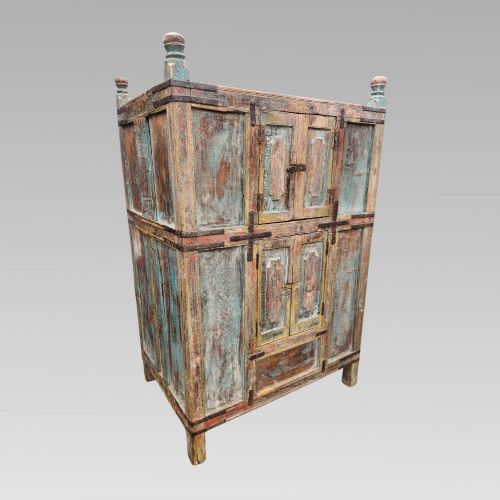
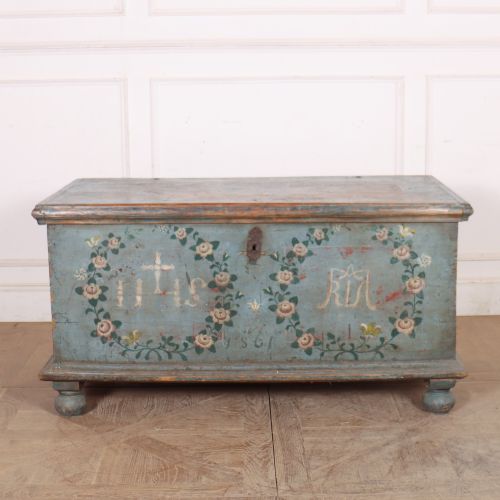
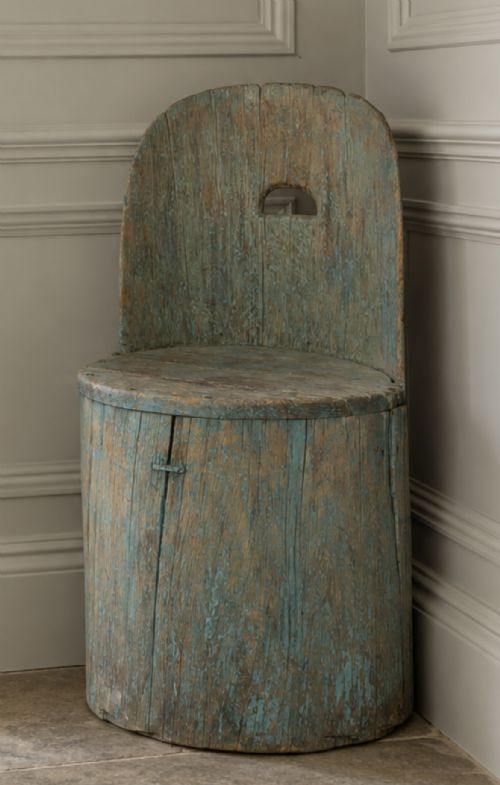
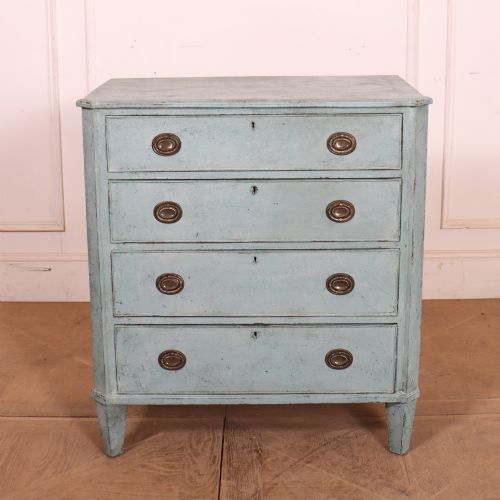
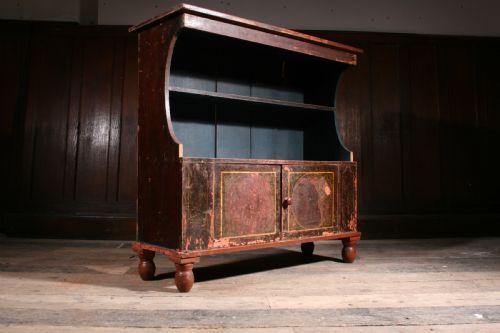
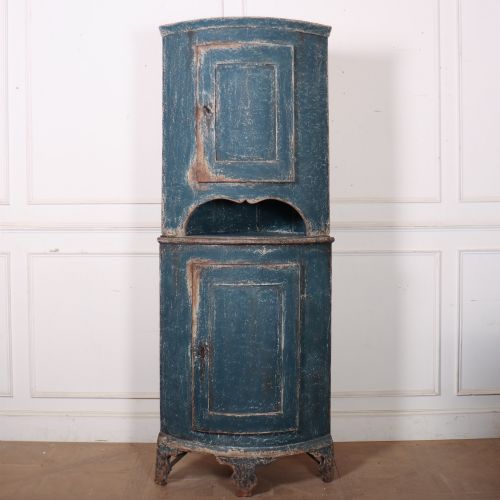
Surface coatings form the defining visual element, utilising oil or distemper paint applied directly to wood. Many examples retain scraped or original blue finishes, sometimes accented with brass hardware or iron fittings.
Blue Painted Furniture Retail Price Guide 2026
Typical asking prices for blue painted furniture among the pieces listed under this phrase on Sellingantiques today, from the lower quarter to the upper quarter. They describe what is for sale here now, not the wider market.
Listings span pine, softwood, and brass across eighteenth-century Georgian and nineteenth-century Scandinavian periods.
Distinctions in quality
Quality rests primarily in the integrity of the surface finish and the retention of original pigment. Pieces displaying undisturbed, scraped, or untouched historical paint layers command greater interest than later re-paintings.
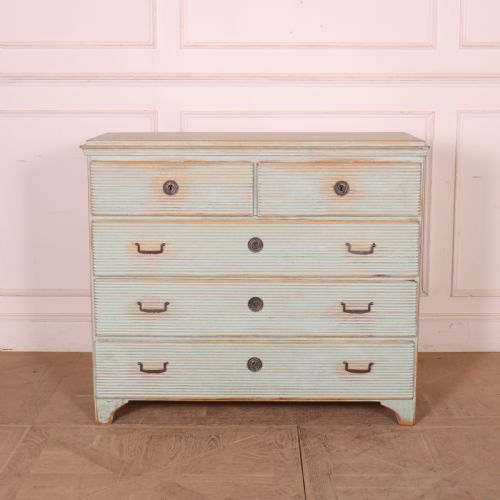
Proportion and regional detailing separate standard utilitarian items from finer examples. Balanced Gustavian proportions or intricate Hungarian bench carvings elevate simple pine structures into accomplished examples of vernacular design.
The Blue Painted Furniture Glossary
- Gustavian
- A Swedish neoclassical style characterised by lighter, restrained decorative carving and pale painted finishes. It emerged during the late eighteenth century under French influence.
- Commode
- A low cabinet fitted with drawers or doors, typically used for storage in bedrooms or reception rooms. Continental examples often feature bombé fronts or tapered legs.
- Almirah
- A tall freestanding cupboard or wardrobe used for domestic storage. Originating in South Asia, these substantial pieces often feature robust panel construction.
- Bergère
- An enclosed upholstered armchair with wooden framing. Eighteenth-century French variants display exposed painted beech or pine structures.
- Distemper
- A water-based paint medium utilising animal glue or size as a binder. It produces a matte finish common on early furniture surfaces.
Blue Painted Furniture: Frequently Asked Questions
How do I clean blue painted furniture?
Dust surfaces gently using a dry microfibre cloth to prevent accumulation. Avoid abrasive chemical cleaners that strip historic paint.
Moisture damages brittle distemper and old oil coatings. Wipe spills immediately with a barely damp cloth and dry thoroughly.
What is Gustavian blue furniture?
Gustavian design reflects Swedish neoclassical taste inspired by French royal courts. These items feature refined proportions and soft blue or grey paint layers.
Craftsmen adapted heavy continental forms into lighter, brighter furniture suited to Nordic interiors. Original examples display authentic wear beneath decades of historical finish.
How do I spot original paint?
Original finishes exhibit natural craquelure, fading, and wear consistent with age. Examine edges and recesses where modern sanding fails to reach.
Under magnification, historic pigment layers show multiple micro-applications and varied patination. Remnants of older ground colours often emerge beneath top coats.
Can I use these pieces daily?
Most items served domestic roles for centuries and withstand normal everyday use. Tables, benches, and chests handle standard household weight and storage.
Protect delicate surfaces from excessive heat and direct sunlight. Placing felt pads beneath objects prevents friction damage to historic painted tops.