
Blue Painted Ceramic
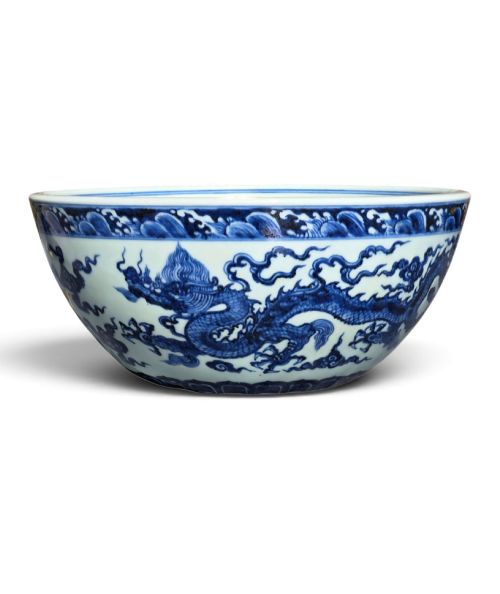
Blue painted ceramic objects bring cobalt and indigo tones directly onto porcelain, earthenware, and tin-glazed vessels from multiple centuries.
Blue Painted Ceramic
Blue painted ceramic items encompass a wide assortment of functional and decorative pieces, spanning centuries of global kiln production. Buyers searching for blue painted ceramic will encounter everything from tea services and tableware to large floor-standing vases and chargers.
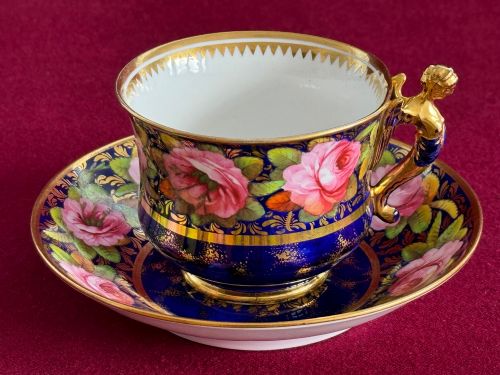
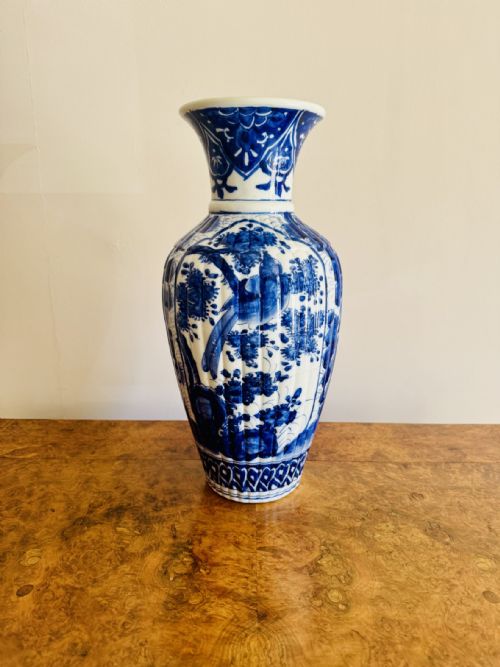
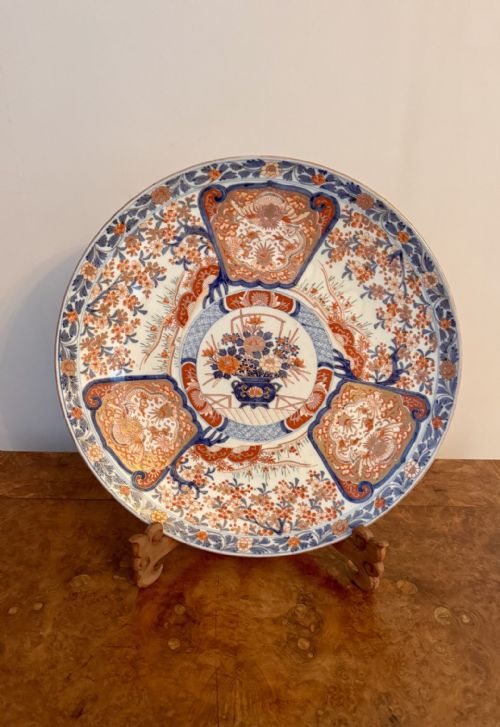
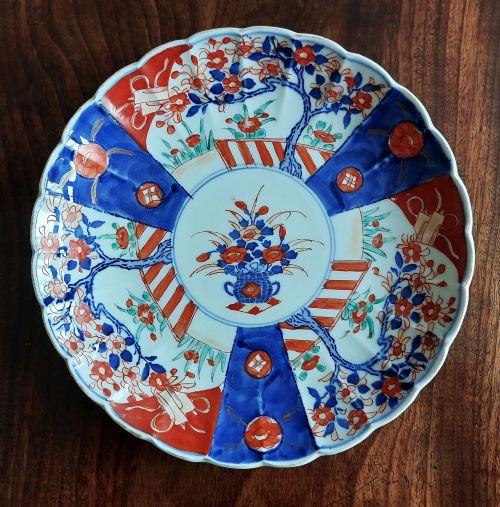
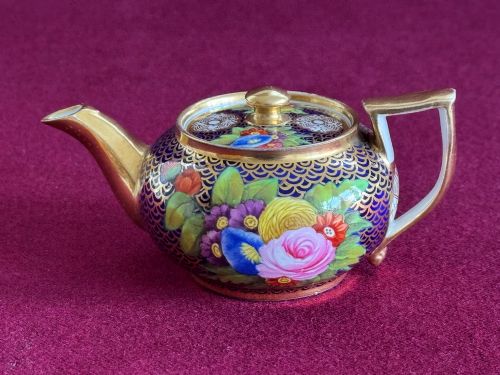
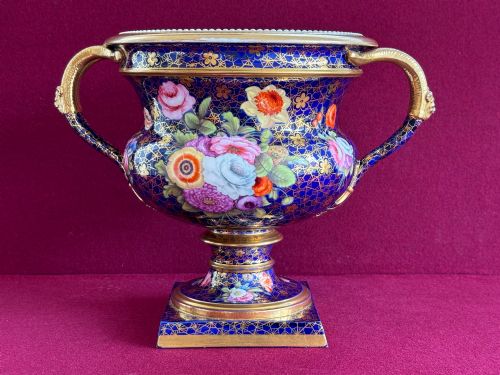
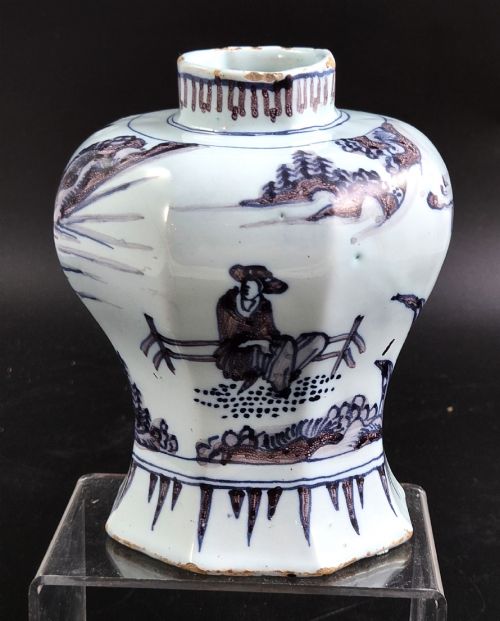
The selection ranges across distinct periods, featuring Georgian and Regency porcelain alongside 17th-century Dutch Delft and Japanese Imari wares. Forms include teapots, jugs, bowls, and cabinet vases decorated with cobalt pigments.
Origin points are diverse, covering English factories, continental potteries, and East Asian kilns. The overarching category centres entirely on ceramic bodies finished with blue painted decoration.
How they were made
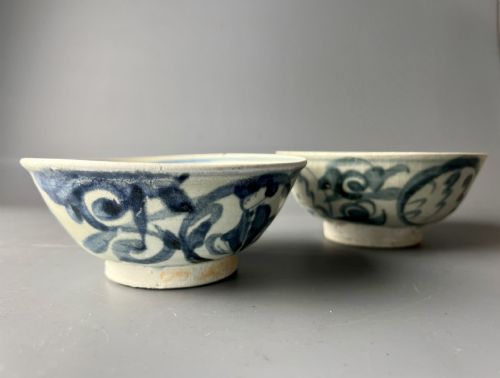
Potters shaped bodies from porcelain, earthenware, and tin-glazed clay before applying cobalt blue pigments by hand. Many pieces received a transparent glaze layer to seal the painted surface prior to high-temperature kiln firing.
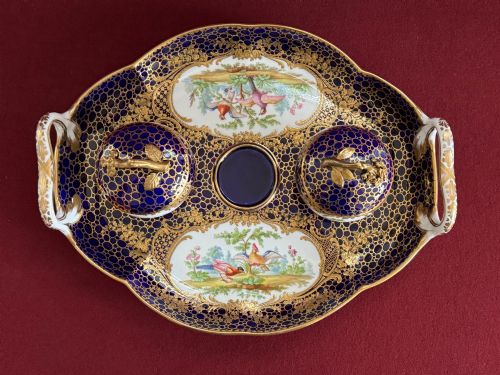
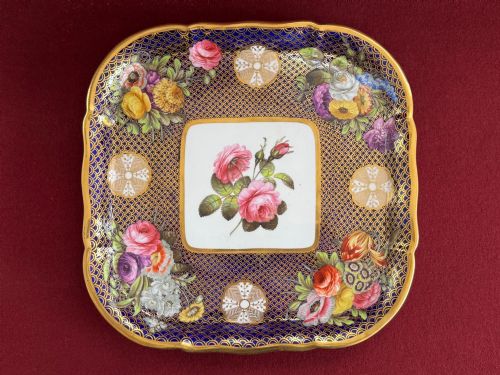
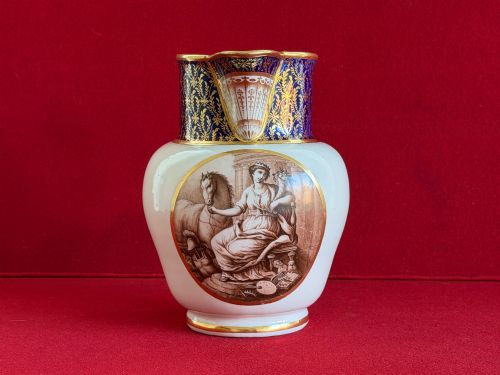
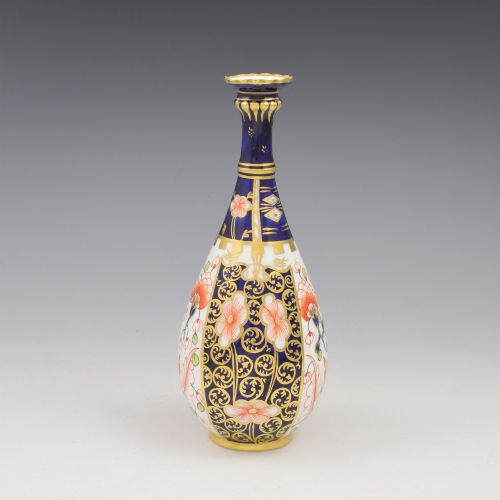
Certain English and European items incorporate additional embellishments like gold leaf, gilding, and enamel overglaze details. The combination of ceramic potting, hand painting, and glaze firing created durable vessels with lasting colour depth.
Current listings feature porcelain, earthenware, and tin-glazed earthenware decorated with blue paint across Regency, Victorian, and 18th-century periods.
What varies in quality
Quality in these ceramic pieces rests upon the precision of the hand painting and the clarity of the cobalt pigment against the white background. Finer examples display confident brushwork and well-balanced compositions executed by skilled artisans.
The refinement of the ceramic paste and the smoothness of the glaze also separate standard production from superior output. Early or factory-marked specimens typically demonstrate greater control in forming and finishing.
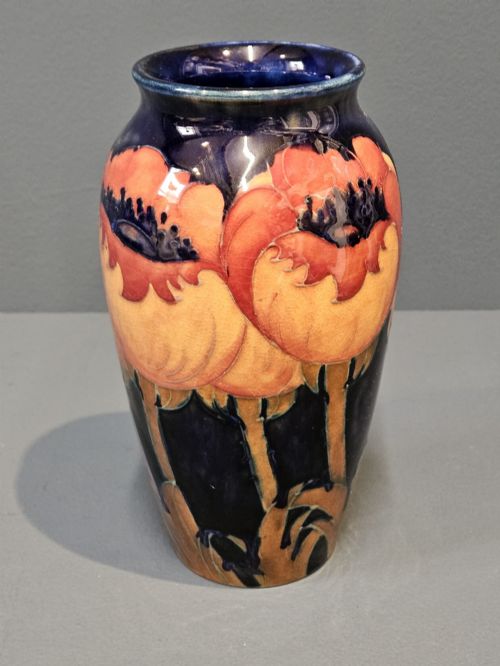
Spode·Minton·Flight and Barr·Chamberlain Worcester·Moorcroft·Cantagalli
The Blue Painted Ceramic Glossary
- Cobalt blue
- A metallic oxide pigment used under or over the glaze to produce deep blue ceramic decoration. It withstands high kiln temperatures without losing intensity.
- Tin-glazed earthenware
- Pottery coated with a white tin-oxide glaze that provides an opaque surface for painted designs. This technique defines traditional Delftware.
- Imari
- A style of Japanese export porcelain featuring underglaze blue combined with iron red and gilt highlights. The aesthetic was widely copied by European kilns.
- Gilding
- The application of gold leaf or gold powder to ceramic surfaces for decorative accent. It appears on porcelain tea wares and cabinet pieces.
- Charger
- A large decorative plate or dish intended for display on a wall or sideboard rather than daily dining. These often feature elaborate painted scenes.
Blue Painted Ceramic: Frequently Asked Questions
How do I care for antique blue painted ceramics?
Wash these pieces gently by hand using mild soap and lukewarm water, avoiding abrasive sponges or harsh detergents.
Keep them away from direct sunlight and sudden temperature shifts to protect the historic glaze and any delicate gilding.
Were these ceramic pieces meant for daily use?
Many items like teacups, jugs, and bowls were produced for functional dining and household service in past centuries.
Larger chargers and decorative vases served primarily as ornamental display pieces in formal rooms.
How can I tell Japanese Imari from European copies?
Examine the paste, weight, and specific iron-red and cobalt tones characteristic of Meiji period or earlier Japanese export kilns.
European factories often adapted these motifs onto local porcelain bodies with distinct paste characteristics.
What is the difference between porcelain and earthenware here?
Porcelain is fired at higher temperatures until vitrified, resulting in a dense, white, and sometimes translucent body.
Earthenware is more porous and opaque, frequently requiring a tin glaze to create a smooth surface for painting.