




Blue Orange Gilt Ceramic
Blue orange gilt ceramic pieces are striking objects of utility and display, bringing rich palettes and metallic brilliance into domestic interiors.
Blue Orange Gilt Ceramic
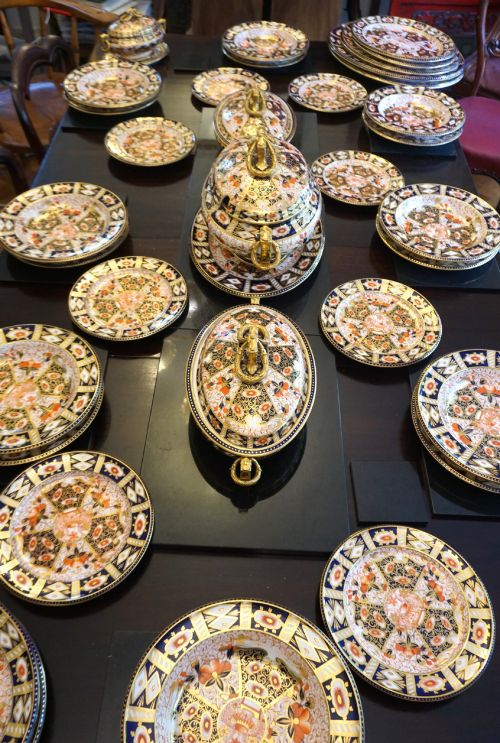
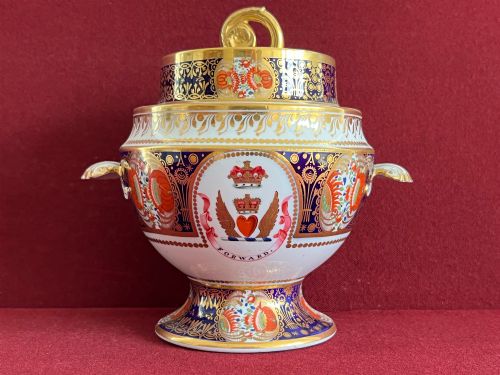
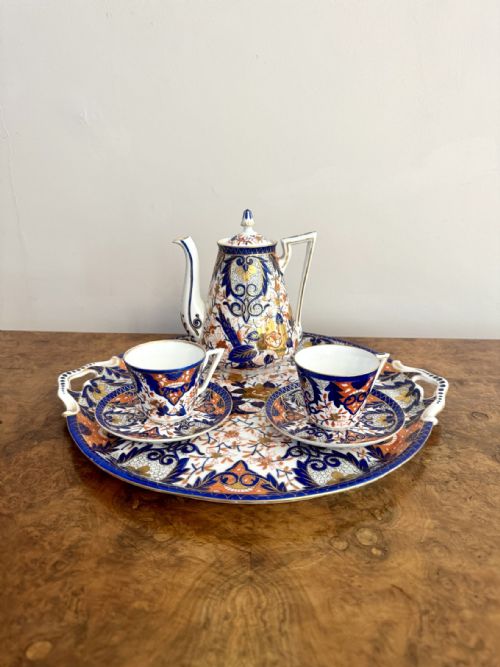
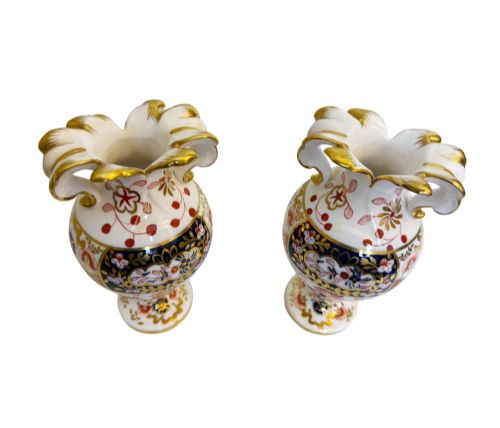
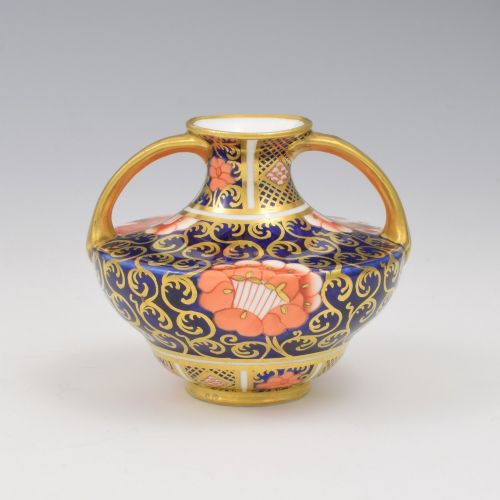
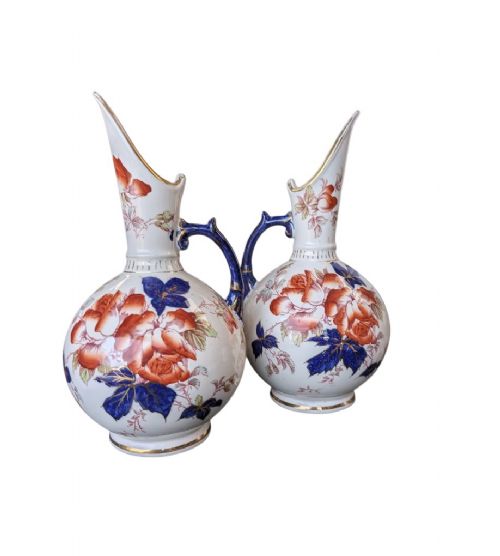
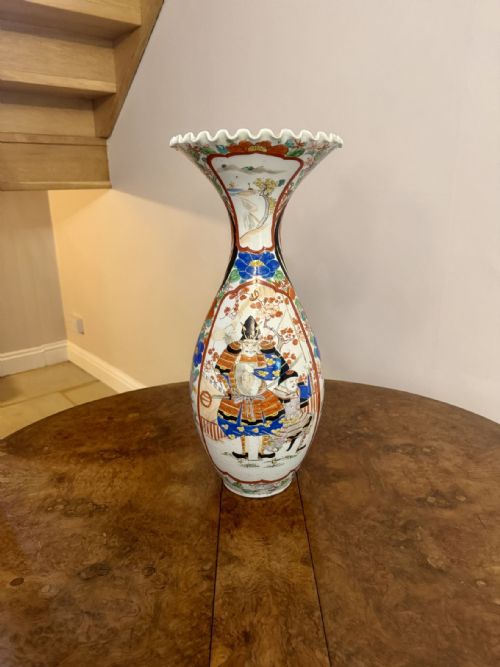
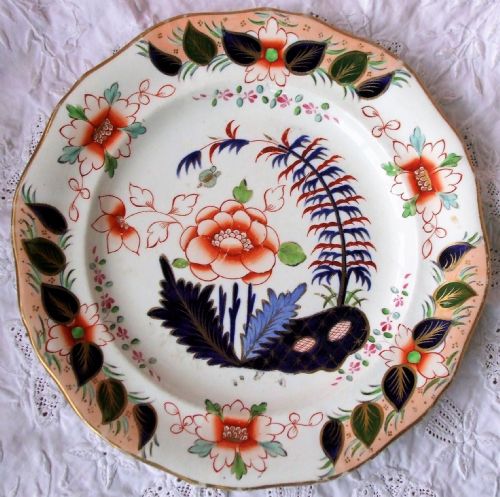
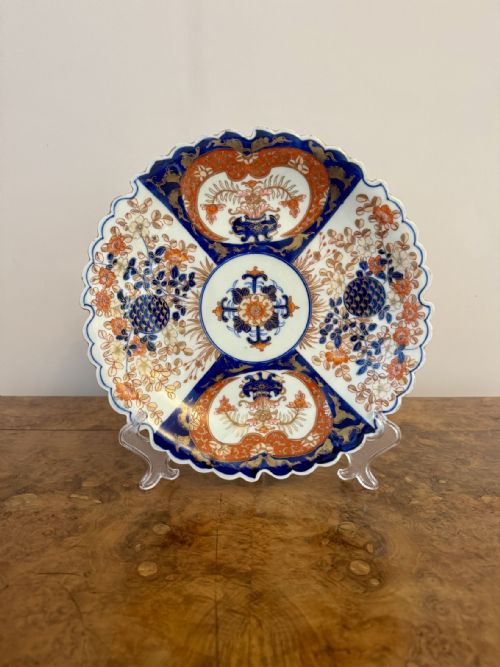
When you search for blue orange gilt ceramic, you encounter a vibrant mix of decorative plates, bowls, vases, and tea services spanning several centuries. These items range from English porcelain and ironstone to Japanese Imari wares, uniting cobalt blue, rust orange, and metallic leaf.
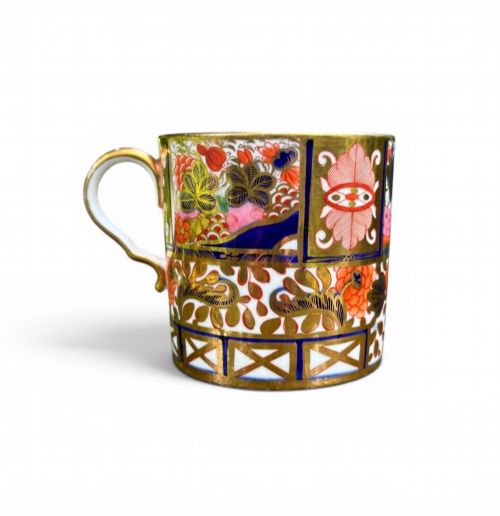
The domestic wares on this page include coffee sets, pitchers, and sugar bowls alongside large chargers and jardinières. English makers adopted Japanese Imari motifs enthusiastically, producing distinctive domestic pottery that borrows directly from Eastern palettes.
Objects date from the Georgian era through the Victorian period into the early twentieth century, encompassing Art Deco and Edwardian interpretations. You will find both utilitarian vessels and purely decorative display pieces represented across these periods.
How they were made
Potters shaped these objects from fine porcelain, bone china, and sturdy ironstone before applying underglaze cobalt blue and vibrant enamel colours. Artisans added rich gold leaf or gilt highlights by hand, often firing the pieces multiple times to set the metallic and enamel details firmly onto the ceramic body.
Japanese workshops utilised traditional hand painting techniques on porcelain bodies during the Meiji period, creating complex repeat patterns. English factories such as Spode and Royal Crown Derby adapted these methods to local pastes, combining transfer printing and meticulous hand finishing.
Blue Orange Gilt Ceramic Retail Price Guide 2026
Typical asking prices for blue orange gilt ceramic among the pieces listed under this phrase on Sellingantiques today, from the lower quarter to the upper quarter. They describe what is for sale here now, not the wider market.
What varies in quality
The fineness of the painting and the precision of the gilding dictate the standing of each piece within its period. Crisp cobalt brushwork and intact gold leaf separate standard domestic items from superior cabinet specimens.
The weight and translucency of the underlying porcelain or ironstone also signal execution standards, alongside the clarity of transfer printing beneath hand applied enamel colours.
John Davenport of Longport·Royal Crown Derby·Barr flight Barr Worcester·Daisy Makeig-Jones Wedgwood
The Blue Orange Gilt Ceramic Glossary
- Imari
- A style of Japanese porcelain originating from Arita, heavily imitated by European factories, traditionally featuring underglaze blue, iron red, and gilt. It dominated export markets for generations.
- Ironstone
- A dense, durable type of earthenware patented in the nineteenth century to rival porcelain. It provided a robust body for heavy kitchen and tableware.
- Lustre
- A type of ceramic glaze that imparts a metallic sheen through the reduction of metallic oxides during firing. It catches ambient light brilliantly.
- Coffee Can
- A cylindrical ceramic cup without a handle, popular during the Georgian period for drinking strong black coffee. They often match saucers in larger breakfast or tea services.
- Jardinière
- An ornamental ceramic pot or stand designed to hold a live plant or floral arrangement. These vessels frequently feature twin handles and generous proportions.
Blue Orange Gilt Ceramic: Frequently Asked Questions
What is Imari pottery?
Imari refers to decorative ceramics originating from the Japanese port of Arita, characterised by a distinct palette of cobalt blue, iron red, and gold.
European factories admired these imports and created their own interpretations throughout the eighteenth and nineteenth centuries.
How do I date a piece?
Dating relies on maker marks, paste composition, and stylistic shifts between Georgian restraint, Victorian elaboration, and Edwardian revivalism.
Examining the base and the application of the gilt will often reveal the manufacturing era.
Are these items for daily use?
While many pieces like tea services and plates were built for service, older ceramics with extensive gilding benefit from careful handling.
Hand washing preserves the delicate enamel and gold leaf against modern detergents.
What is ironstone?
Ironstone is a heavy, durable ceramic patent designed to resist chipping while offering a bright white surface for painted designs.
It bridges the gap between delicate porcelain and standard earthenware.