



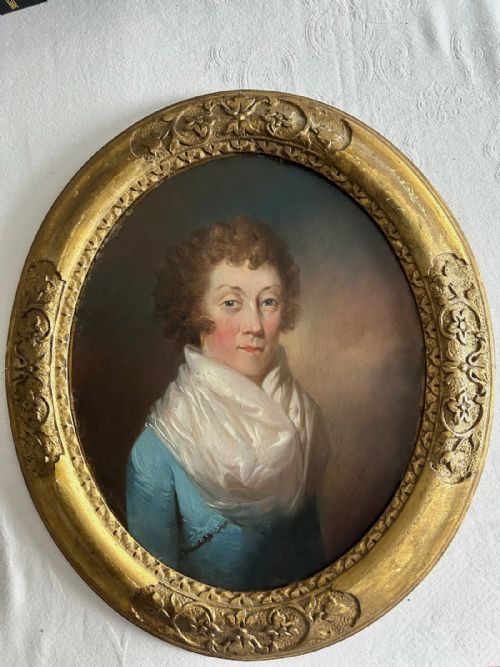
Blue Oil Portrait Canvas
A blue oil portrait canvas captures centuries of human likeness through rich pigments applied to woven fabric, offering collectors an intimate glimpse into historical sartorial choices.
Blue Oil Portrait Canvas
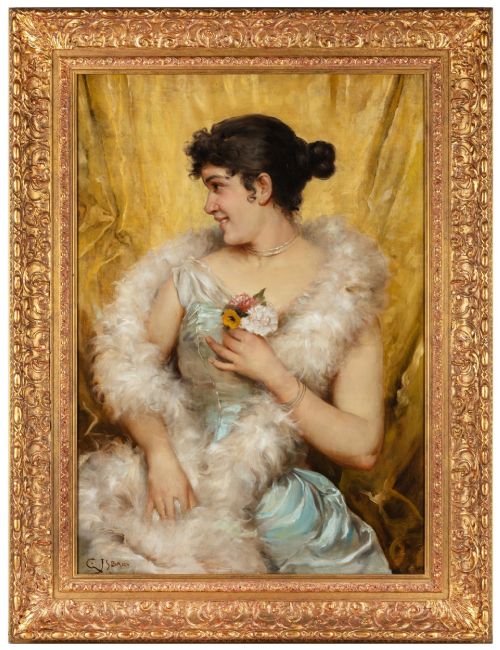
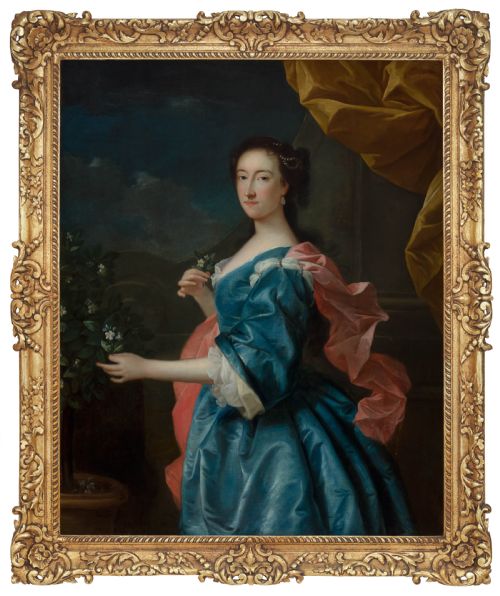
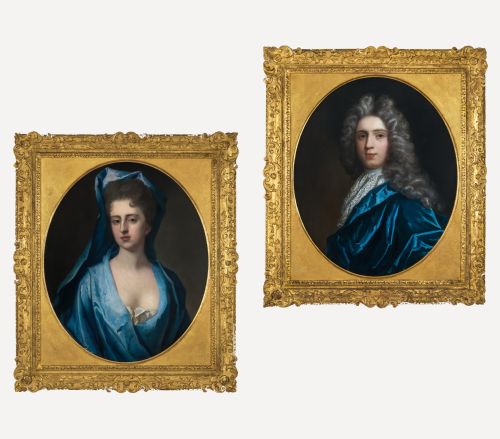
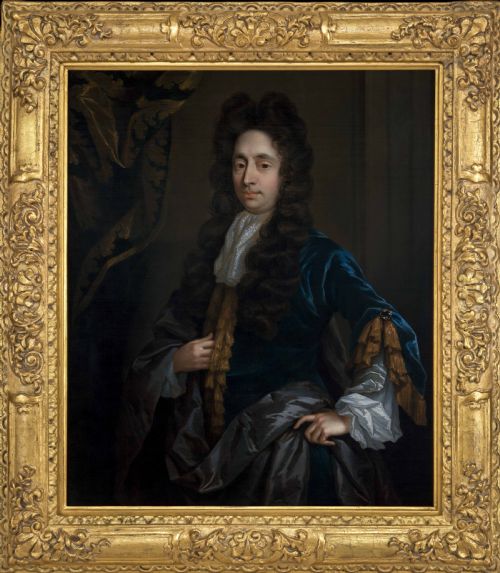
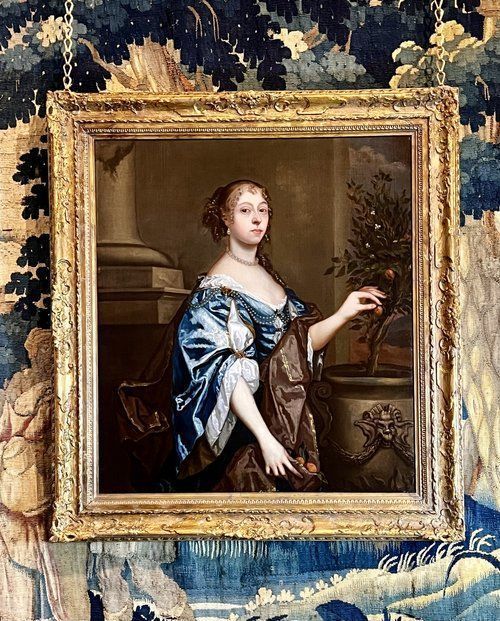
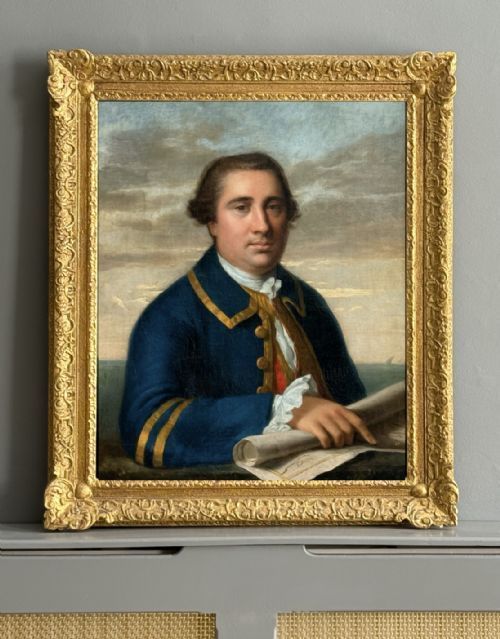
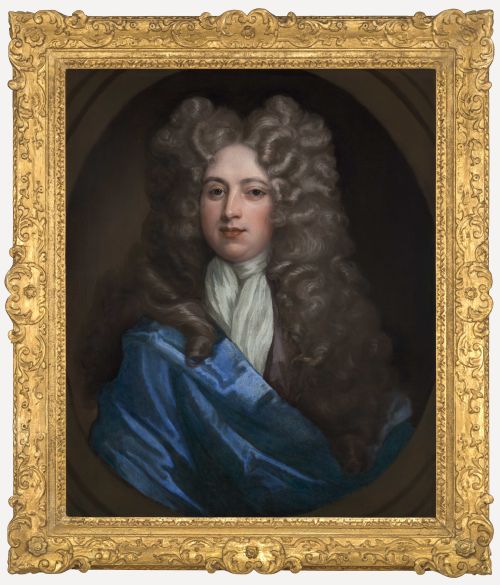
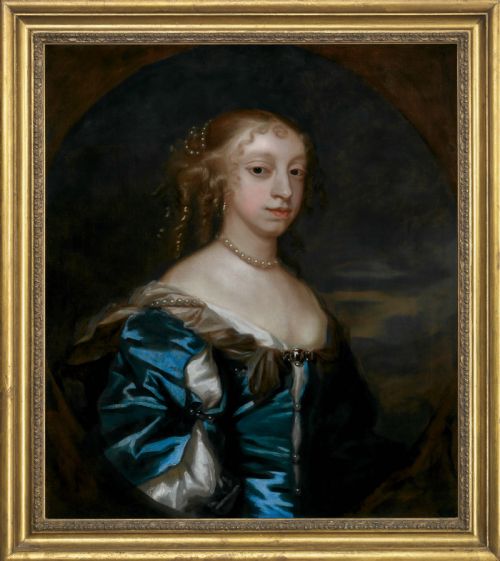
When searching for a blue oil portrait canvas, buyers encounter historic depictions where sitters wear striking blue garments, mantles, or wraps. These pieces span from the seventeenth and eighteenth centuries into the nineteenth and twentieth centuries, showing subjects rendered with distinct pigments.
The selections on this page predominantly feature British and European portraiture from the Georgian and Baroque eras. Painters utilised the iconic blue dress or coat as a deliberate compositional choice to draw the viewer's eye.
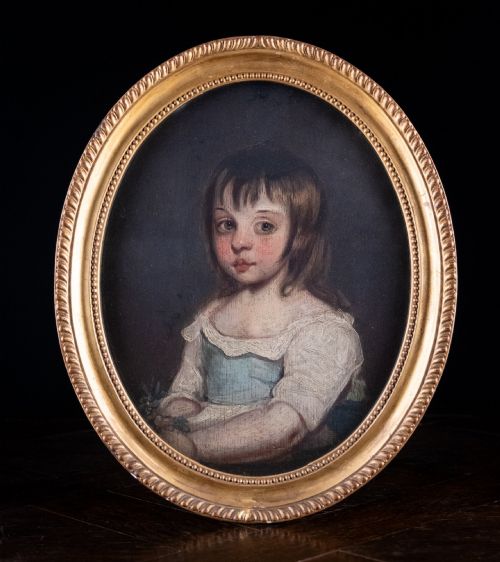
Alongside formal noble portraits, the offerings include depictions of gentlemen, children, and ladies set against darkened interiors or parkland backgrounds. Each canvas preserves the likeness of individuals recorded by period artists.
How They Were Made
These works rely on traditional oil paint applied directly onto stretched woven canvas supports, sometimes housed within period giltwood frames. Artists built up their compositions in layers, beginning with an underpainting before applying rich pigments for garments and drapery.
The blue passages often incorporate historic mineral and organic pigments blended with drying oils to achieve deep chromatic variations. Canvases were typically prepared with a gesso or primer ground to secure the paint layer over centuries.
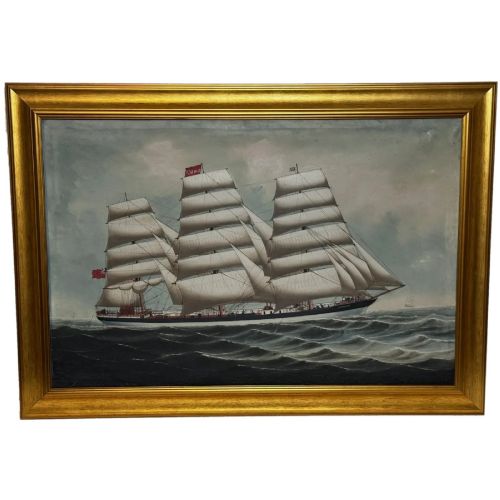
Several noble sitters share space with an eclectic menagerie of orange trees, privateer ships, racing pigeons, and loyal hounds.
What Varies in Quality
The distinction between standard works and masterworks rests upon the anatomical precision of the hands and face, alongside the fluid handling of drapery. Superior hands capture subtle nuances of light upon silk and velvet fabrics with confidence.
Condition plays a central role, distinguishing untouched original surfaces from heavily restored canvases. Works retaining their authentic tension, texture, and period stretcher frames represent the upper echelon of surviving examples.
G. J. S. Bary·Jozsef Molnar·John Hayls·Charles Jervas·Jeremiah Davison·Michael Dahl·Thomas Murray·Constantyn Netscher·Pieter Borsseler·Lemuel Francis Abbott·Sir Joshua Reynolds·Charles D’Agar·Eric Robertson·Robert Byng·Francis Hayman·Thomas Spinks·Lai Fong·Joseph Vivienne·Henry Pickering·Allan Ramsay·Thomas Hudson·Enoch Seeman·Willem Wissing·Jonathan Richardson·Michael Dahl
The Blue Oil Portrait Canvas Glossary
- Canvas
- A heavy woven fabric, typically linen or hemp, used as the primary support surface for oil paintings. It provides a flexible and durable ground for pigment application.
- Giltwood
- Wood that has been thinly coated with gold leaf or gold paint, commonly found on traditional frames surrounding historic portraits. This finish adds a reflective border to the artwork.
- Periwig
- A voluminous artificial hairstyle worn by men of high status during the late seventeenth and early eighteenth centuries. Its presence helps date portraiture securely.
- Mantle
- A loose, flowing cloak or wrap worn over the shoulders, frequently depicted in vibrant blue silk or velvet within eighteenth-century portraiture. It serves both as a fashion statement and a compositional device.
Blue Oil Portrait Canvas: Frequently Asked Questions
How do I date a blue oil portrait canvas?
Dating relies heavily on the sitter's costume, particularly the cut of the coat, the presence of a periwig, or the style of the dress. Details such as wig shapes and neckwear styles changed rapidly across the seventeenth and eighteenth centuries.
Additionally, stretcher construction and canvas types offer physical clues. Comparing the handling of the pigment with documented works by known artists or period schools narrows down the decade of creation.
Where should I hang an antique portrait?
These paintings suit traditional reception rooms, studies, or hallways where lighting can be carefully controlled. Pairing them with period furniture creates a cohesive historical atmosphere within a modern interior.
Avoid placing canvases in direct sunlight or above active heat sources to protect the delicate oil pigments and wooden stretchers. Stable room temperatures ensure the canvas remains taut and secure.
Why did artists paint sitters in blue?
Blue pigments were historically expensive and carried strong cultural associations with wealth, status, and stability. Portrait subjects chose garments in this shade to project authority and elegance to viewers.
Artists also utilised blue drapery to create visual contrast against neutral or darkened backgrounds. This technique directed the observer's focus immediately to the subject's face and hands.
What is the difference between a studio work and a signed painting?
A signed or attributed painting was executed directly by the master artist named in the title. These pieces command higher interest due to the documented hand of the creator.
Studio works were produced by assistants and apprentices under the supervision of a master artist. While sharing the composition and style of the principal workshop, they represent collaborative output rather than sole authorship.