

Blue Oil Canvas Landscape
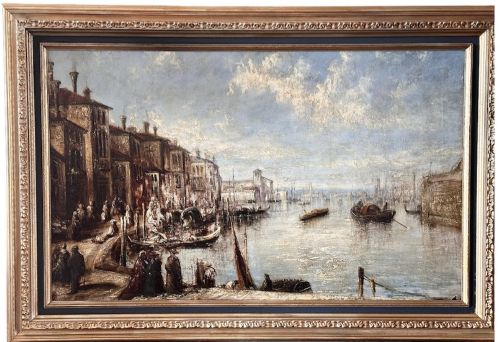
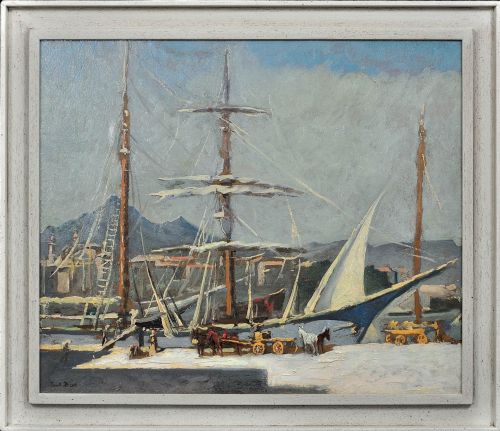
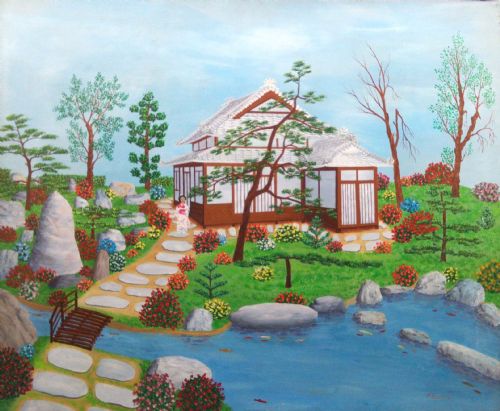
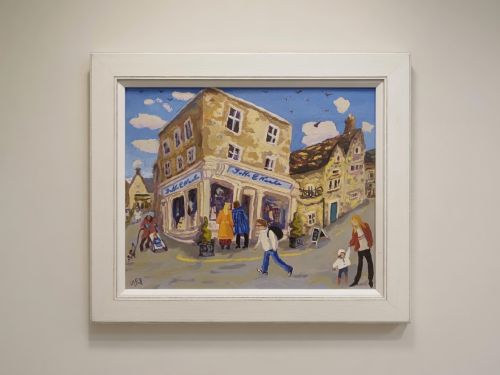
A blue oil canvas landscape captures water, sky, and light through pigment laid thickly upon woven textile support.
Blue Oil Canvas Landscape
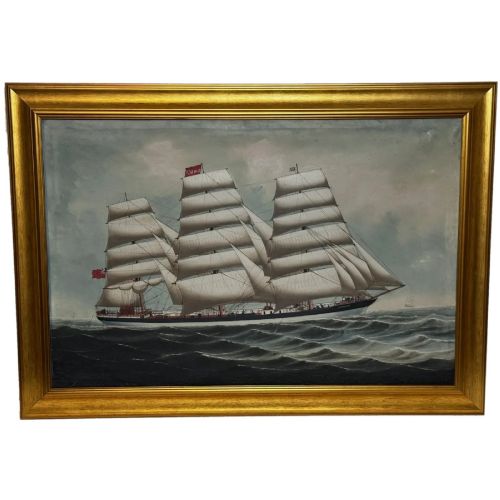
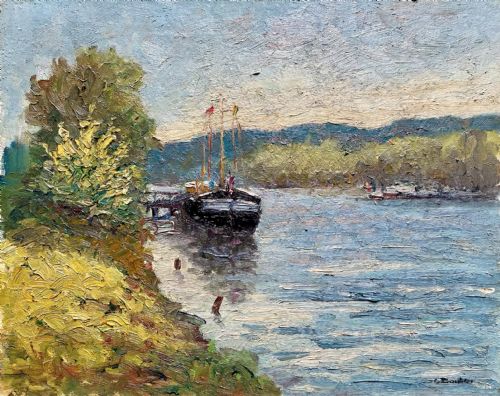
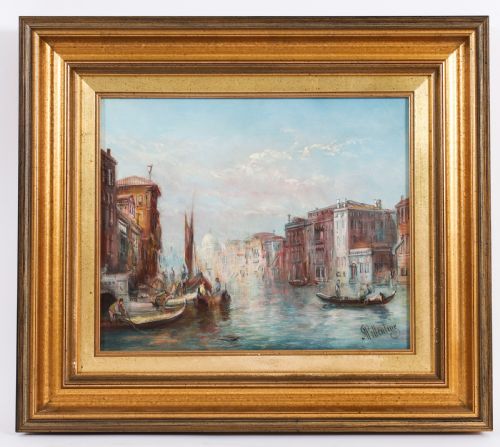
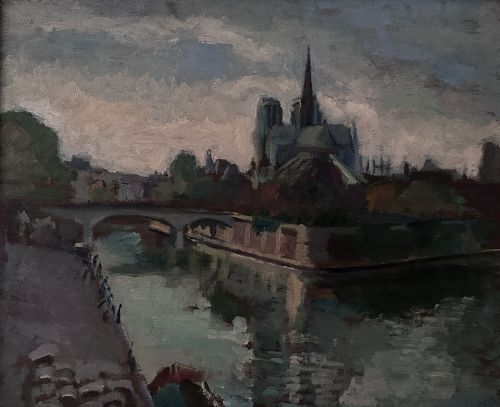
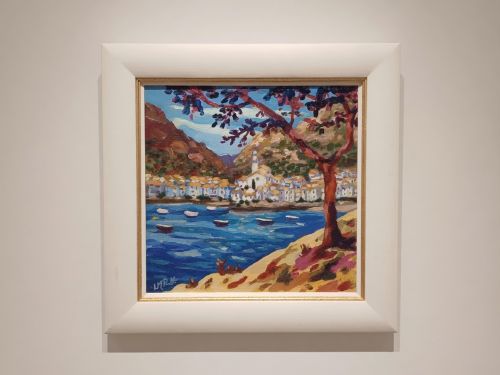
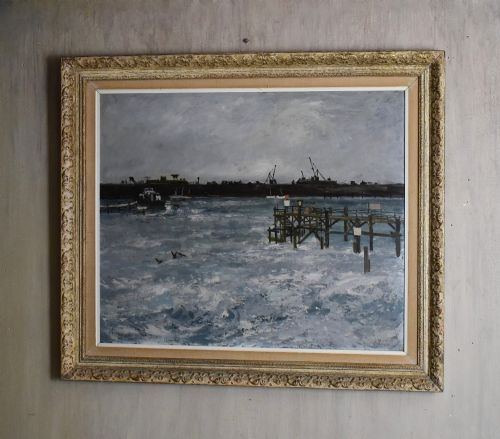
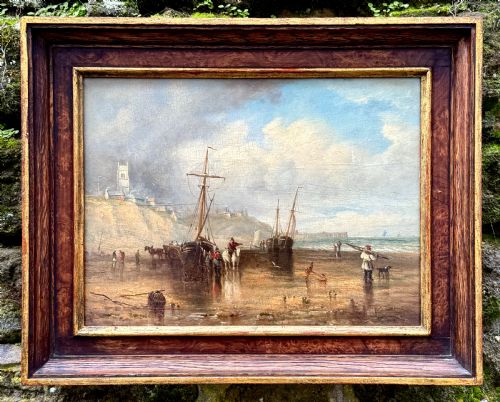
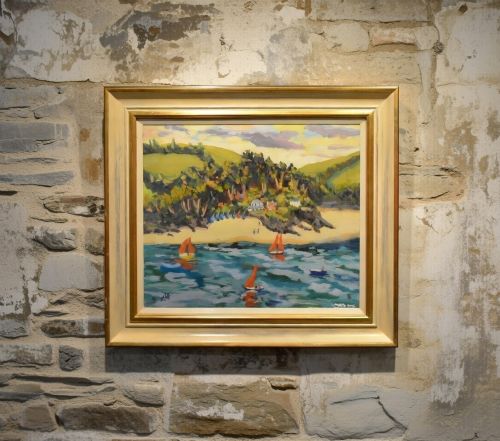
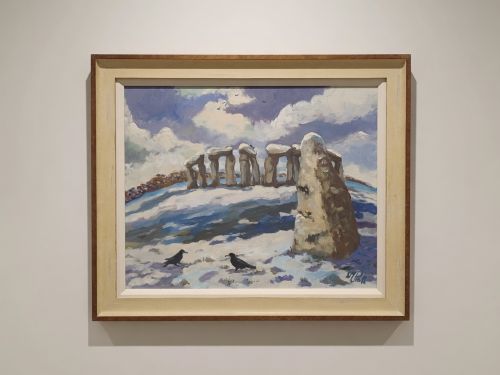
When you search for a blue oil canvas landscape, you are looking at works executed in oil paint upon woven canvas supports, spanning the nineteenth century through to the mid-twentieth century and beyond. These works encompass marine views, Venetian lagoons, seaside harbours, and river scenes where azure and cobalt pigments dominate the palette. The versions most frequently encountered here date from the nineteenth century and the mid-twentieth century, often framed in wood or gilded wood.
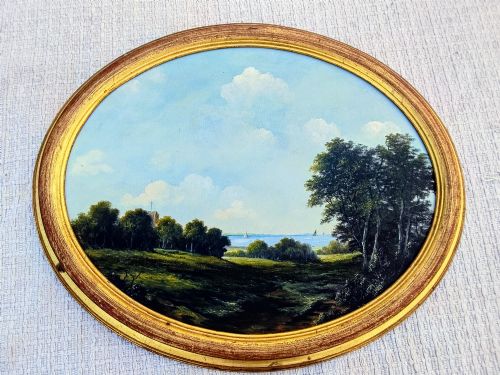
The subjects range from British coastal scenes and Scottish shores to French Impressionist river views and Venetian canals. Works by named artists such as Alfred Pollentine, Francis Moltino, and Lucy Pratt sit alongside pieces originating from British, French, and Scottish schools. The forms vary from intimate oval panels to large wall art paintings designed for domestic display.
How they were made
Painters utilised oil paint applied to prepared canvas stretched over wooden frames, building textures through brushwork and knife application. The choice of oil binder allowed pigments to retain depth and luminosity over decades, particularly in maritime and skyscape sections dominated by blue tones.
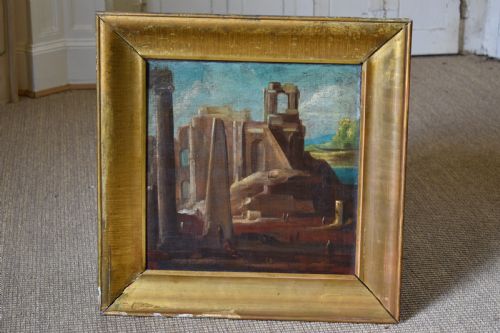
Many of these works are housed in their original wood frames or gilded wood surrounds, which complement the canvas dimensions and protect the perimeter from fraying. The preparation of the canvas ground determined how the oil paint settled, influencing the preservation of the painted surface.
Listings feature oil on canvas works spanning the Victorian era, the 1920s, the 1930s, and mid-century modern periods.
What varies in quality
The distinction between standard works and superior examples lies in the handling of light, brushwork control, and composition within the blue colour spectrum. Stronger pieces demonstrate confident tonal transitions in water and sky, whereas lesser works rely on formulaic application without atmospheric depth.
The integrity of the canvas support and the retention of the original pigment vibrancy also separate fine examples from those that have suffered heavy restoration or pigment darkening.
Reginald Arthur Borstel·Alfred Pollentine·Lucy Pratt·Peter Brannan·Francis Moltino·Paul Bret·Albert Bierstadt·Cyril Walduck Edwards·Alfred Wolmark·Eric Brown·Harry Kluge·Charles Euphraisie Kuasseg·Rene Levrel·John Macvicar Anderson·Joseph Farquharson·William Henry Williamson·Walter Goodin·Caroline Burnett·A McDonald·Archibald Kay
The Blue Oil Canvas Landscape Glossary
- Canvas
- A heavy woven fabric, typically linen or cotton, used as a support surface for oil paintings. It is stretched tightly across a wooden frame before painting begins.
- Oil Paint
- A slow-drying paint made by mixing pigments with a drying oil, commonly linseed oil. This medium allows for rich colour blending and textured impasto application.
- Post-Impressionism
- An art movement developing roughly from the late nineteenth century that extended Impressionism while rejecting its limitations. Artists of this style focused on symbolic content and heavier brushwork.
- Impressionism
- A nineteenth-century movement characterised by relatively small, thin, yet visible brush strokes and an emphasis on accurate depiction of light.
Blue Oil Canvas Landscape: Frequently Asked Questions
What periods do these blue oil paintings come from?
The selections span from the eighteenth and nineteenth centuries through the early twentieth century, including Victorian works and mid-century modern pieces. Later examples extend beyond nineteen sixty.
These dates reflect changing approaches to landscape painting across British, French, and European schools.
How should I hang a canvas oil painting?
Canvas paintings require stable indoor environments away from direct sunlight and excessive humidity to protect the oil pigment and wooden stretcher frames. Secure picture hooks matched to the weight of the frame ensure safe wall placement.
Allowing adequate clearance from heat sources preserves both the canvas tension and the integrity of any gilded wood framing.
Are these paintings signed by the artists?
Many works feature signatures, attributions, or inscriptions left by the painter on the front or reverse of the canvas. Others represent the output of specific regional schools from periods such as the nineteenth century without bearing an individual signature.
Documentation in the title typically indicates whether an artist is confirmed, attributed, or part of a recognised school.
What subjects appear in these blue landscapes?
Common subjects include marine views, coastal scenes, Venetian canals, riverbanks, and harbour activities featuring water and sky. Locations range from British coastal spots to French rivers and Italian lagoons.
The dominance of blue pigments links these diverse geographical scenes through a shared atmospheric palette.