

Vintage French Landscape Canvas
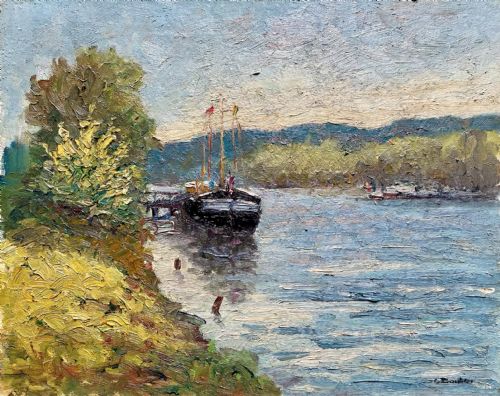
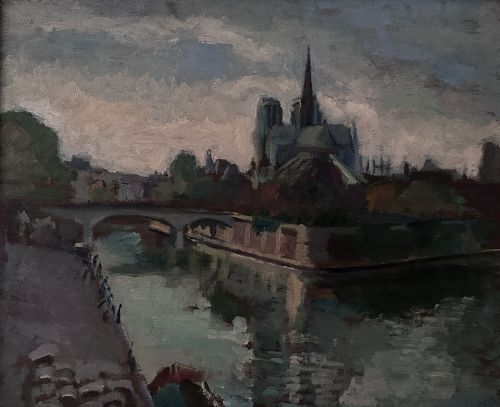
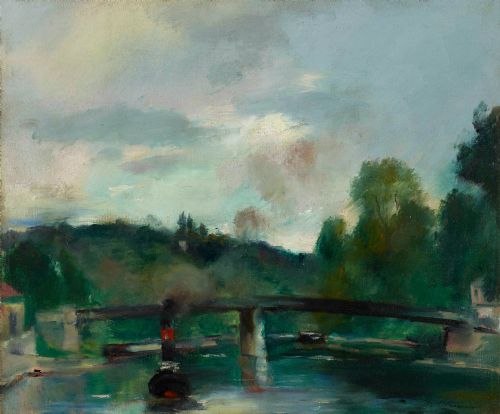
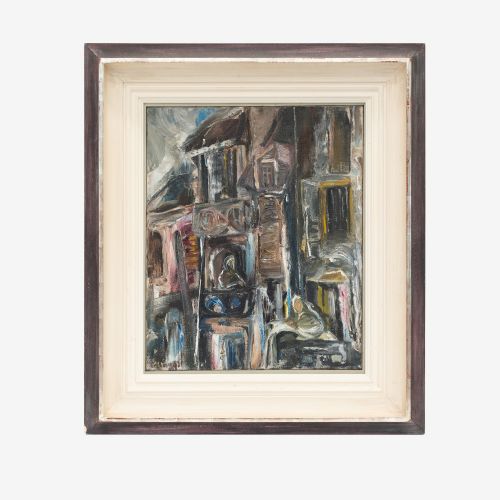
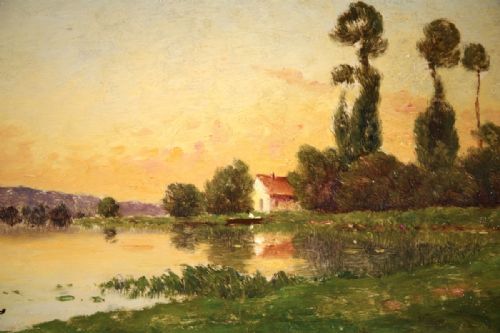
When you search for vintage french landscape canvas, you are looking at oil paintings on canvas that capture rural and urban scenes from the nineteenth and twentieth centuries.
Vintage French Landscape Canvas
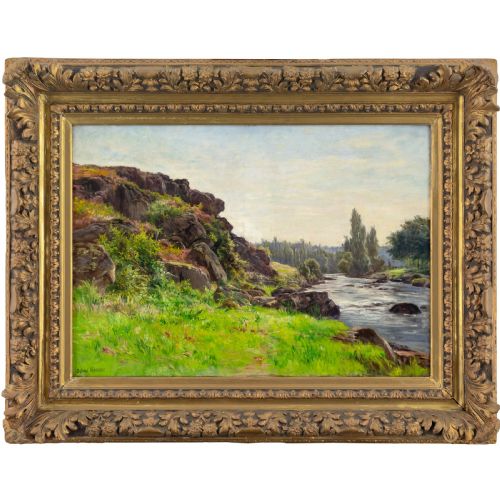
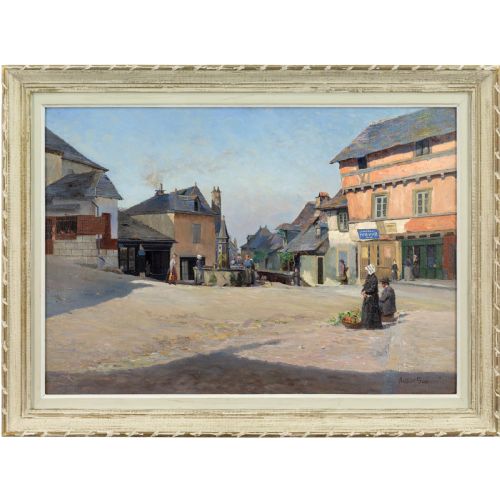
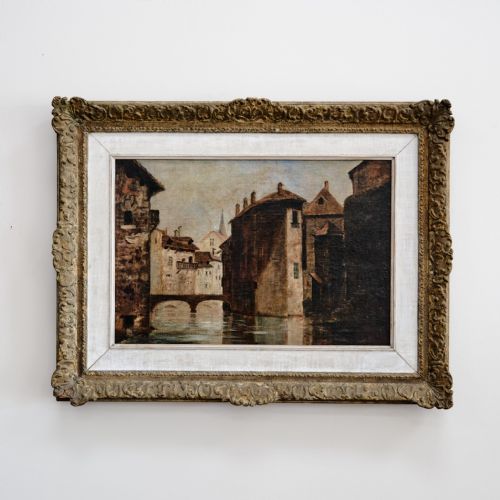
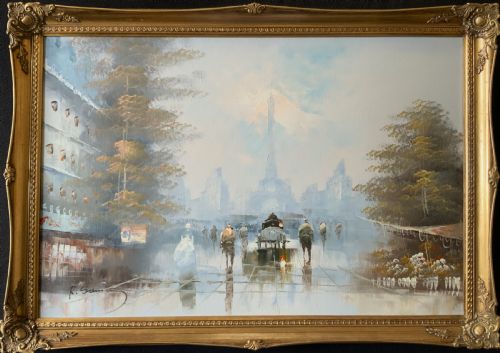
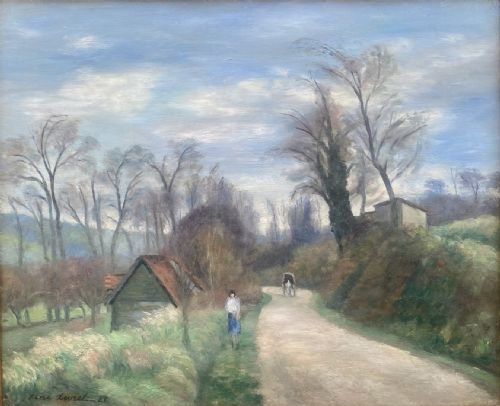
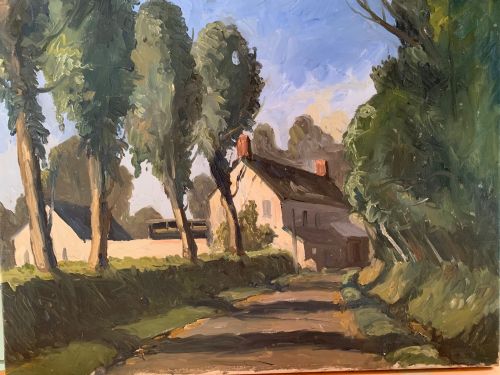
A vintage french landscape canvas encompasses works executed in oil paint on stretched fabric support, capturing subjects ranging from rural riverbanks to bustling Parisian street scenes. Buyers searching this phrase typically encounter works spanning from the late nineteenth century through the mid-twentieth century.
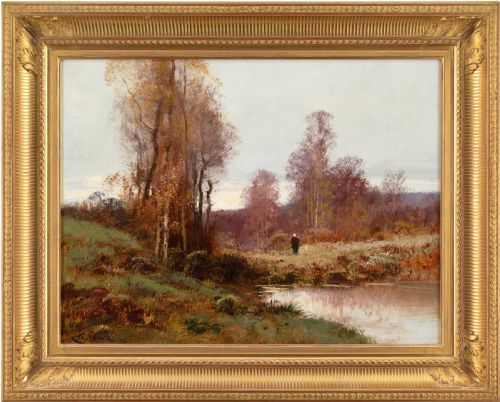
Works often arrive housed in period wooden frames, occasionally embellished with gesso and gilding. The dates of execution stretch across multiple decades, reflecting the shifting palettes and brushwork of French schools of painting.
Materials and execution
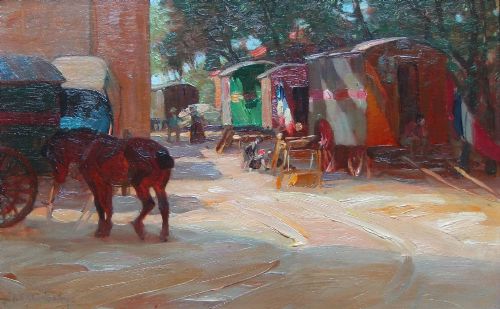
The primary substrate across these pieces is woven canvas, primed to receive applications of oil paint. Artists utilised traditional tube colours, laying down pigments with bristle brushes and palette knives to build texture and atmospheric depth.
Surviving works are frequently mounted within bespoke wooden supports, incorporating carved gesso mouldings and gilded finishes designed to complement the composition of the painted surface.
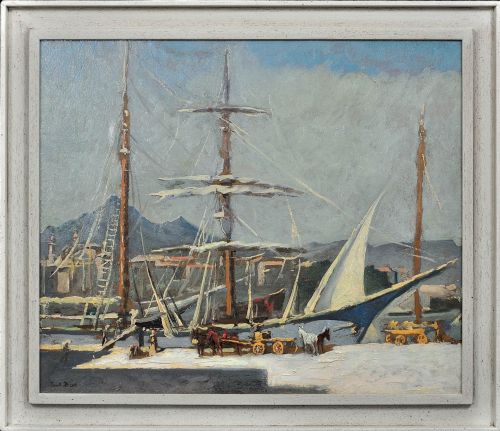
Several canvases manage to capture bustling harbour life alongside quiet moments of picnickers resting by rural boating lakes.
Factors of quality
Quality in these oil paintings rests upon the confidence of the brushwork and the artist's command of light and spatial arrangement. Stronger examples demonstrate purposeful handling of oil paint that captures the specific atmosphere of a location, whether a sunlit river or a busy city square.
Gabriel Mathieu·Arthur Gué·Paul Bret·Henri Ottmann·Rene Levrel·Paul Ehrenberg·Lilian Colbourn·Caroline Burnett·Charles Clair·Henri Jaques Delpy·Paul-Jean Anderbouhr·Raymond Moritz·Alexandre Le Bihan·Louis Suire·Gustave Vidal·Jean-Baptiste Olive·Raymond Picque·Fred Pailhes·Gabriel Dauchot·Mario Pinetti·Cecil Rochfort D'Oyly-John·Ron Folland·Merio Ameglio
The Vintage French Landscape Canvas Glossary
- Oil on Canvas
- A traditional painting medium where pigments are bound with drying oils, such as linseed, and applied to a stretched woven fabric support. This combination allows for rich colour blending and textured impasto application.
- Gesso
- A plaster-like mixture used as a smooth base coat on wooden frames before gilding or painting. It provides a durable surface that can be moulded into intricate decorative patterns.
- Impressionism
- A nineteenth-century art movement characterised by relatively small, thin, yet visible brush strokes and an emphasis on accurate depiction of light. Artists focused on ordinary subject matter and outdoor scenes.
- Post-Impressionism
- A diverse art movement extending Impressionism while rejecting its limitations, favouring more symbolic content and heavier geometric forms. Painters used vivid colours and distinct brushwork to express emotional responses.
- Gilded Wood
- Timber surfaces coated with a thin layer of gold leaf or metallic powder, frequently utilised on decorative picture frames. This technique protects the wood while adding reflective brilliance to the edge of the artwork.
Vintage French Landscape Canvas: Frequently Asked Questions
How do I date a vintage french landscape canvas?
Dating relies on stylistic clues, artist signatures, and framing materials recorded across the nineteenth and twentieth centuries. Changes in palette and brushwork from Impressionism to mid-century modernism help narrow the execution period.
Inscriptions on the reverse of the canvas or stretcher bars frequently provide specific dates, locations, or the artist's full name. Comparing these details with known working periods offers a reliable timeline.
Where were most vintage french landscape canvases painted?
Many works record specific regional topographies across France, including the banks of the Seine, the cliffs of Normandy, and the ports of Brittany and the Côte d'Azur. Urban scenes focus heavily on Parisian landmarks and street life.
Artists frequently travelled to paint outdoors in natural light, capturing specific rural gardens, harbours, and market squares that defined the French landscape during their respective eras.
How should I display an oil painting on canvas?
Oil paintings on canvas benefit from stable indoor environments away from direct sunlight and extreme humidity fluctuations. Proper wall mounting ensures the stretcher frame bears the weight evenly without warping the fabric.
Matching the canvas to an appropriate wooden frame, such as a period gesso and giltwood moulding, protects the outer edges of the fabric and completes the visual presentation.
What is the difference between Impressionism and Post-Impressionism?
Impressionism focuses primarily on capturing transient effects of light and natural atmosphere using visible brush strokes. The subject matter typically centres on everyday outdoor scenes painted directly from life.
Post-Impressionism builds upon these techniques while introducing more expressive use of artificial colour and structural form. Artists working in this later style often prioritised emotional resonance over strict optical realism.