



Blue Ocean Landscape Painting
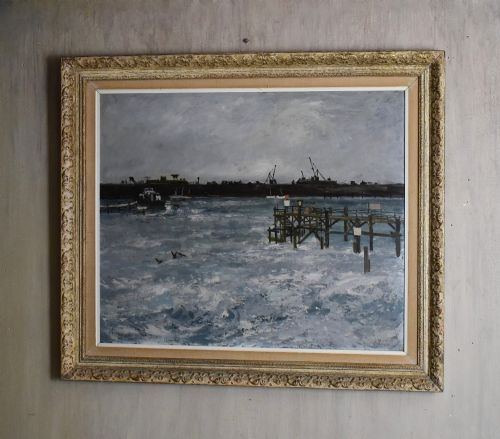
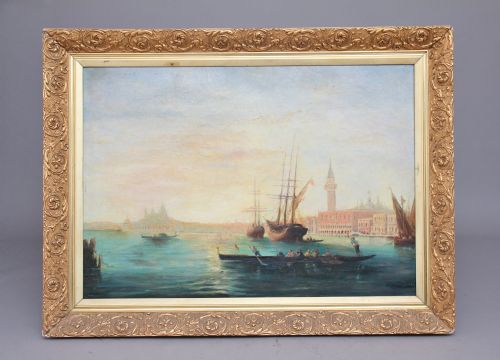
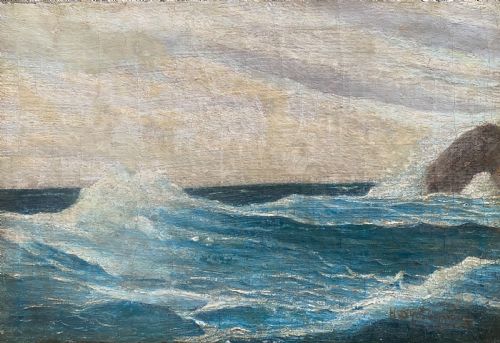
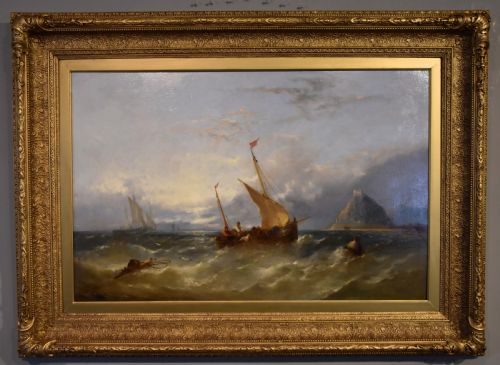
A blue ocean landscape painting brings the movement of coastal tides, harbour walls, and open waters directly into a room.
Blue Ocean Landscape Painting
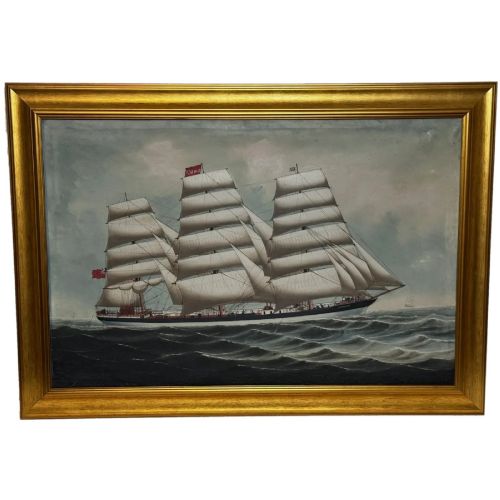
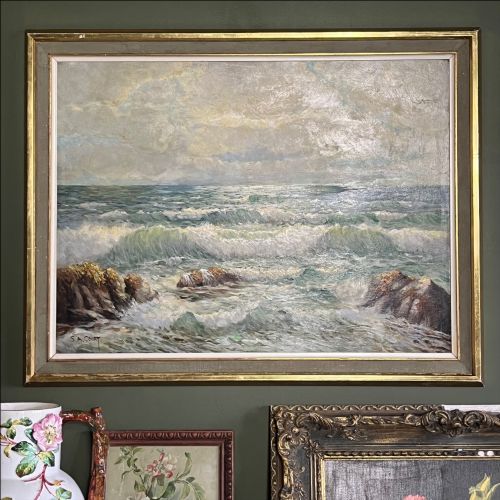
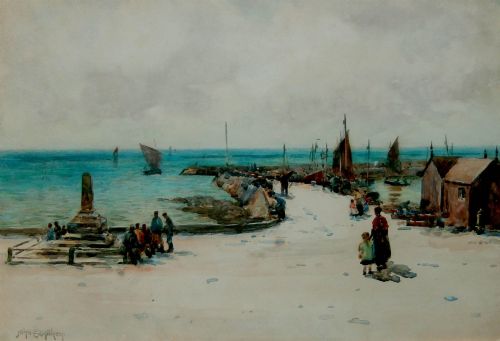
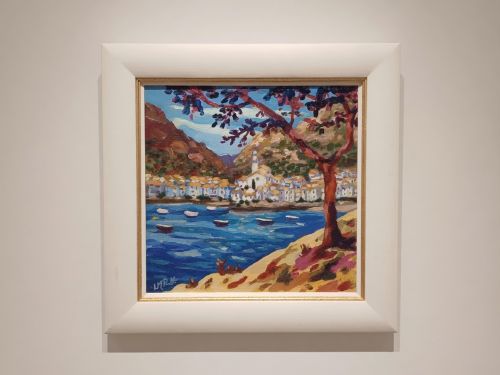
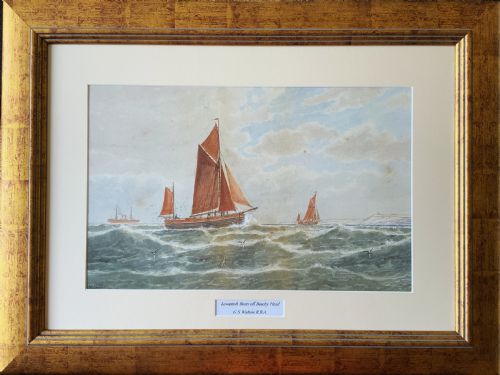
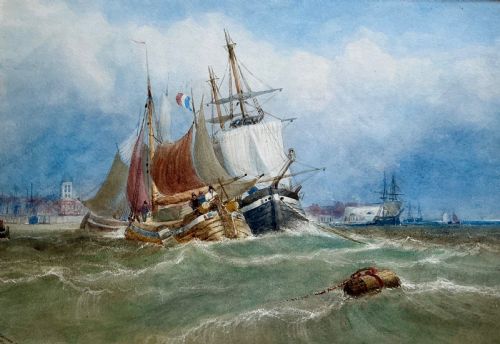
A blue ocean landscape painting captures maritime scenes, coastal inlets, and open waters across the nineteenth and twentieth centuries. These works range from small plein air watercolours of Cornish harbours to large oil paintings of Mediterranean lagoons and stormy northern seas.
Buyers frequently encounter Victorian marine art, British Impressionist coastal views, and early twentieth-century oil paintings set in fishing ports. Subjects span British coastal locations, French cliffs, and distant waters, rendered in both oil and watercolour.
How they were made
Artists painted these coastal views primarily using oil paint on canvas or panel, and watercolour on paper. Many nineteenth-century and Edwardian works were created en plein air directly on location to capture changing light on the water.
Support materials include wood panels, canvas, and heavy paper, often housed within period frames of gilt wood or ebonised wood. Pigments were applied with brushes or palette knives to build up the texture of waves, skies, and shorelines.
Listings feature works in oil and watercolour across British Impressionist, Post-Impressionist, and Victorian marine art styles dating from the nineteenth century onward.
What varies in quality
Quality in a blue ocean landscape painting rests upon the artist's handling of light, atmosphere, and spatial depth across the water. Stronger examples demonstrate confident brushwork and precise tonal control in rendering skies and breaking waves.
The degree of finish and the immediacy of execution also distinguish the works. Pieces that successfully convey the specific weather, mood, and movement of a coastal location stand apart from more formulaic topographical views.
Reginald Arthur Borstel·Sidney A Court·John E Aitken·William Banks Fortescue·Lucy Pratt·Peter Brannan·Dubovsky·William Henry Williamson·George Stanfield Walters·Henry Barlow Carter·Charles William Adderton·Norman Lloyd·Gustave De Bréanski·Charles Malfroy·Hendrik Willebrord Jansen·Kate E Booth·Consalvo Carelli·Frederick Stuart Richardson·Percy Brooke·Scott·John McDougal·Frank Wood·H Hadfield Cubley·Joseph Newington Carter·S J Lamorna Birch
The Blue Ocean Landscape Painting Glossary
- Plein air
- Painting outdoors to capture natural light and atmospheric conditions directly. This method was widely utilised by impressionist artists working along coastal cliffs and harbours.
- Marinescape
- A painting depicting the sea, ships, or coastal views. These works focus heavily on maritime activity and marine weather.
- Gilt wood
- Wood carved and covered with a thin layer of gold leaf or metallic paint. Such frames frequently accompany nineteenth-century oil paintings.
- Ebonised
- Wood treated to resemble ebony, producing a dark, uniform finish. This treatment was common on frames from the Victorian and Edwardian periods.
Blue Ocean Landscape Painting: Frequently Asked Questions
What periods do these coastal paintings cover?
The selections span from the Victorian era through the early twentieth century, extending into mid-century modernist and impressionist works. Most pieces date between the nineteenth century and the mid-twentieth century.
Earlier examples often reflect nineteenth-century maritime traditions, while later works embrace impressionist and modernist approaches to light and colour on the water.
Are these works painted outdoors?
Many of these pieces were painted en plein air directly on location by the coast. Artists worked outdoors to capture transient effects of light on the sea and cliffs.
Studio paintings were also common, often developed from earlier watercolours or field sketches made during coastal travels.
How should I frame a vintage marine painting?
Period frames in gilt wood or ebonised wood complement nineteenth-century and early twentieth-century coastal works. Selecting a frame appropriate to the era of the painting maintains its historical context.
Glazing is typically reserved for watercolours on paper, whereas oil paintings on canvas are left unglazed to showcase the texture of the paint.
What is the difference between an oil and a watercolour marine painting?
Oil paintings utilise pigment suspended in drying oil on canvas or wood panel, offering rich textures and deep colour saturation. Watercolours involve pigment suspended in a water-based solution on paper, creating translucent washes of light.
Oils were often chosen for dramatic wave studies and larger compositions, while watercolours suited rapid coastal sketches and luminous atmospheric views.