



Blue Marine Artwork
Blue marine artwork captures the historic power of the sea, offering a window into naval battles, bustling ports, and quiet coastal landscapes.
Blue Marine Artwork
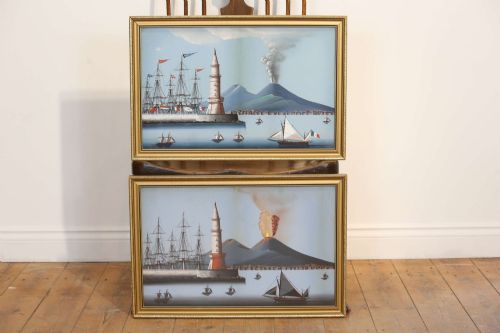
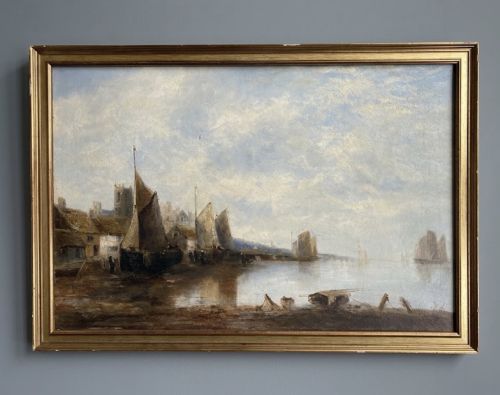
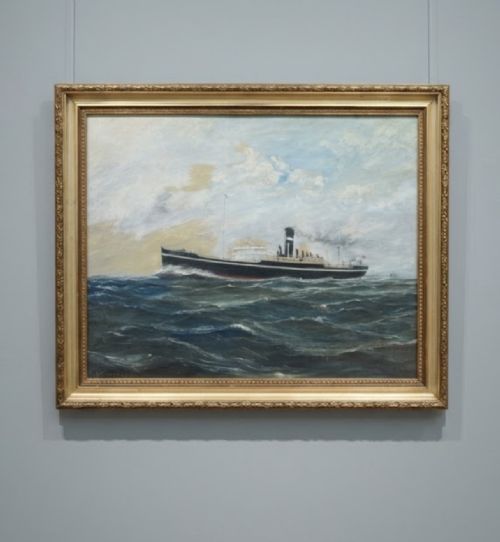
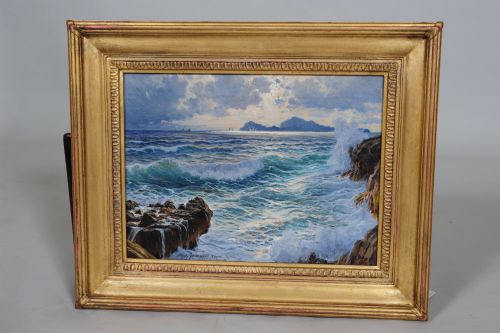
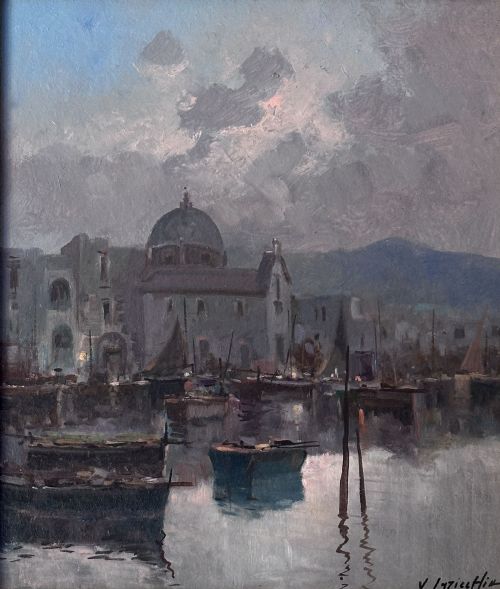
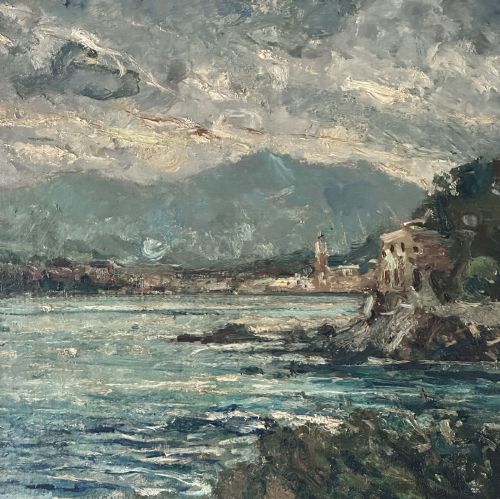
When buyers search for blue marine artwork, they encounter a diverse array of paintings and drawings centered on the sea, coastal towns, and maritime history. The selection spans the nineteenth century through the mid-twentieth century, capturing shifting artistic movements from Victorian maritime realism to post-impressionist interpretations.
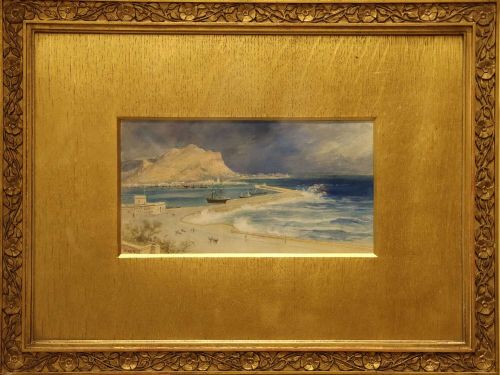
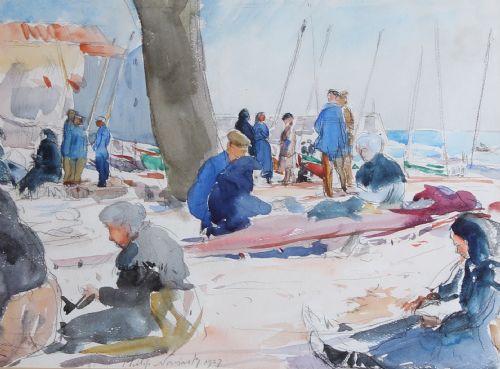
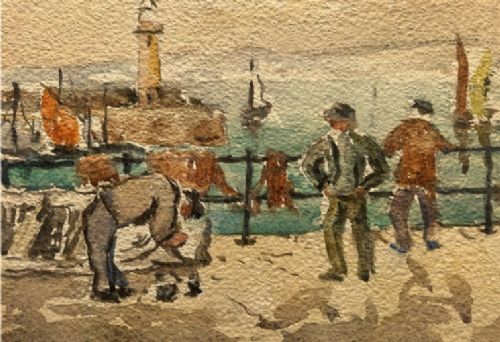
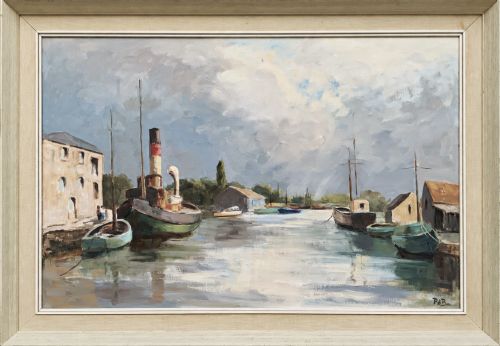
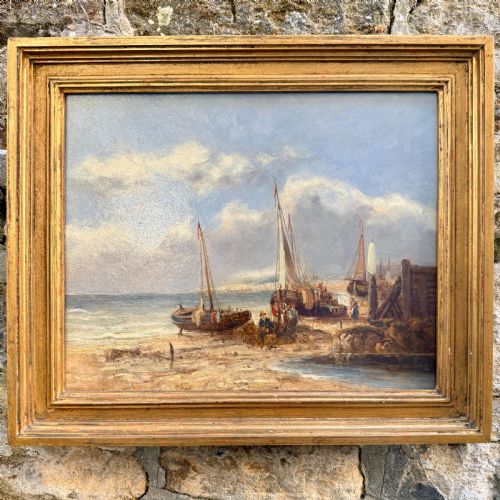
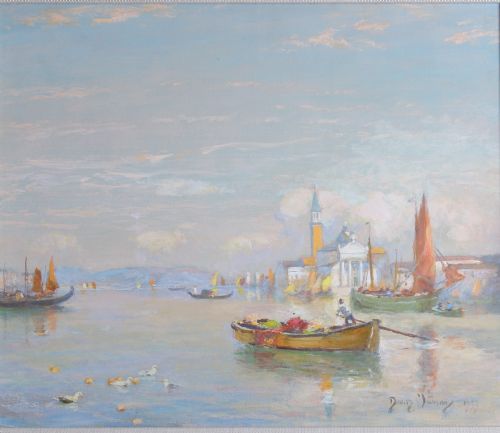
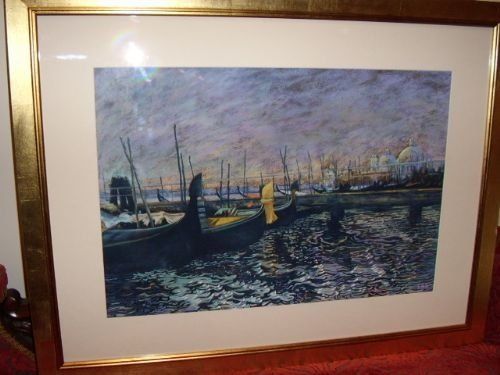
Most pieces on this page take the form of framed oil paintings on canvas or panel, alongside detailed watercolour paintings and gouache works on paper. Subjects range from named naval vessels and stormy seas to calm harbours in Cornwall, Venice, and the Mediterranean.
The origin of these works is predominantly British, reflecting domestic painting traditions that valued accurate depictions of shipping and coastal life. Buyers find both large exhibition pieces and intimate harbour sketches created on location.
How they were made
Painters of these marine works relied heavily on oil paint applied to canvas or wood panel, as well as watercolour and gouache on paper. Oil allowed artists to build rich textures for rolling waves and dramatic skies, while watercolours captured the bright, atmospheric light of coastal environments.
Many nineteenth and early twentieth-century pieces were executed en plein air or developed from detailed preliminary sketches made aboard ships and along shorelines. Framing typically involved gilt wood mouldings that complemented the maritime subjects.
Blue Marine Artwork Retail Price Guide 2026
Typical asking prices for blue marine artwork among the pieces listed under this phrase on Sellingantiques today, from the lower quarter to the upper quarter. They describe what is for sale here now, not the wider market.
Listings feature works from the 19th Century, Edwardian era, and the 1930s to 1960s, executed in oil, watercolour, and gouache on paper and canvas.
What varies in quality
The distinction between ordinary and exceptional marine artwork rests on the artist's grasp of maritime architecture and atmospheric conditions. Superior pieces demonstrate precise handling of rigging, hull structure, and the movement of water, whereas lesser works rely on generic formulas.
Provenance and documentation also separate the range, with signed works by recognised painters commanding greater interest than anonymous studio copies. The vitality of the brushwork and the preservation of the paper or canvas further define the standing of each piece.
Philip Naviasky·Sir David Murray·Donald McIntyre·James Hardy·James Orrock·James Smetham·Frank Watson Wood·Bernard Gribble·Peter Brannan·Bernard Benedict Hemy·Thomas Creswick·Richard B. Spencer·William Henry Williamson·George Stanfield Walters·Walter Goodin
The Blue Marine Artwork Glossary
- Gouache
- An opaque watercolour paint that dries to a matte finish, frequently used in maritime works to render bright highlights on water and clouds.
- En plein air
- The practice of painting outdoors to capture direct natural light and atmospheric conditions on coastal locations.
- Barque
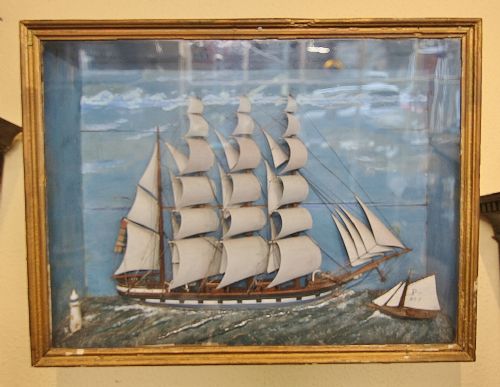
- A sailing vessel with three or more masts, commonly depicted in nineteenth-century shipping artwork.
- Panel
- A rigid flat support, often made of wood, used instead of canvas for oil paintings during the nineteenth century.
Blue Marine Artwork: Frequently Asked Questions
What subjects appear in these marine paintings?
The artworks depict a wide range of maritime subjects, including naval warships, steamships, three-masted barques, and fishing boats working off the coast. Other scenes capture specific harbours, lighthouses, and coastal landscapes from Cornwall to the Mediterranean.
Many pieces document historic vessels and named ships during active service or at anchor, providing a clear record of maritime heritage.
How do I date a marine painting?
Dating relies heavily on the style of clothing, the architecture of the ships, and the artistic conventions visible in the brushwork. Nineteenth-century works often feature detailed rigging on sailing vessels, while mid-century pieces show looser Post-Impressionism or Mid-Century British influences.
Signatures, framing materials, and artist biographies provide further chronological markers to establish when a work was created.
Where were these coastal scenes painted?
Artists recorded scenes from major British ports such as Leith, Plymouth, and St Ives, as well as international locations like Venice, Palermo, and Malta. Many marine artists travelled extensively to paint busy shipping lanes and naval engagements.
Paintings executed en plein air capture the specific light and weather conditions of these exact coastal environments.
How should I display antique marine artwork?
These framed paintings and watercolours require placement away from direct sunlight and excessive humidity to protect the paper, canvas, and gilt wood frames. Proper wall hanging ensures the weight of larger oil paintings is securely supported.
Pairing them with traditional lighting enhances the deep blues and atmospheric tones typical of maritime subjects.