


Blue Landscape Artwork
Blue landscape artwork gathers coastal views, river scenes, and maritime watercolours or oils spanning the nineteenth century to the mid-twentieth century.
Blue Landscape Artwork
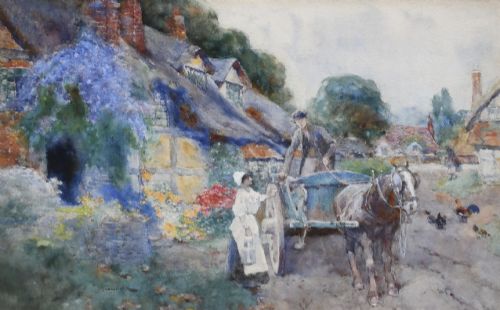
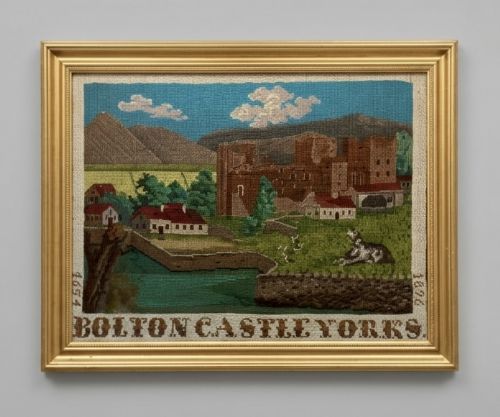
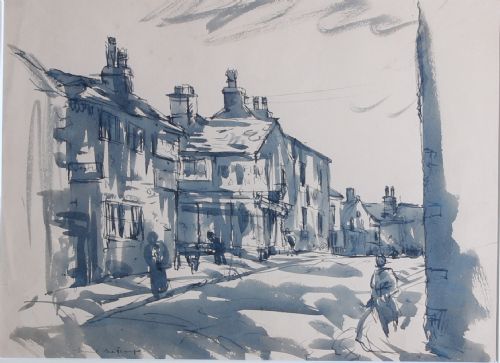
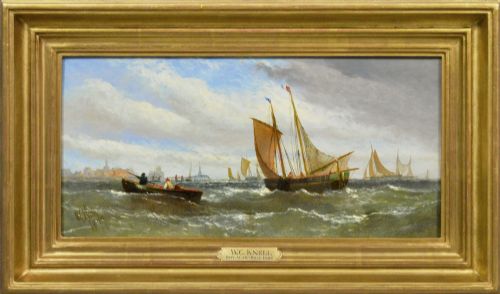
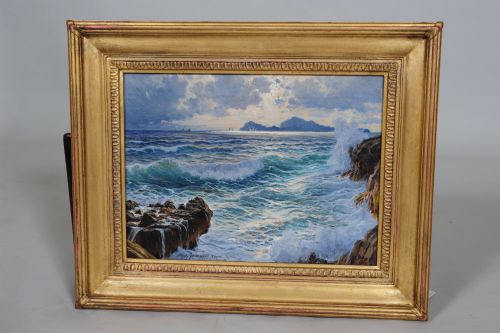
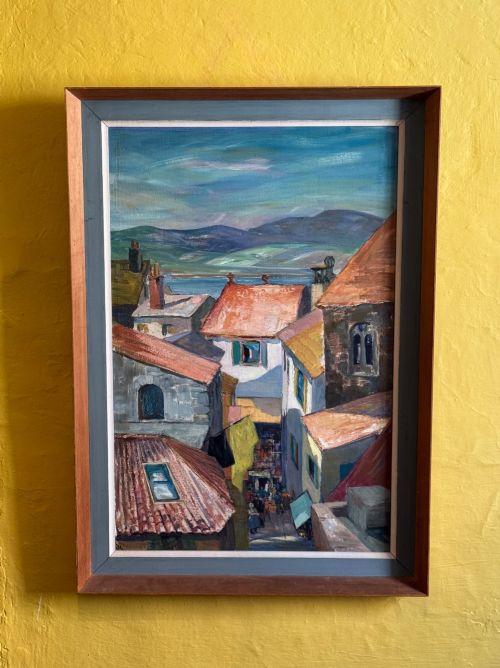
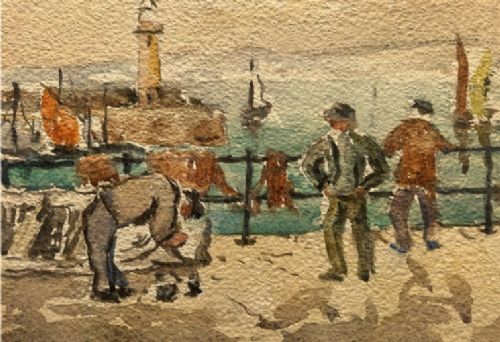
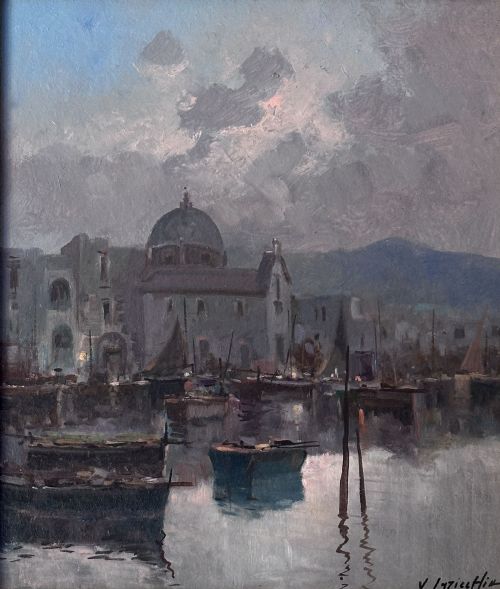
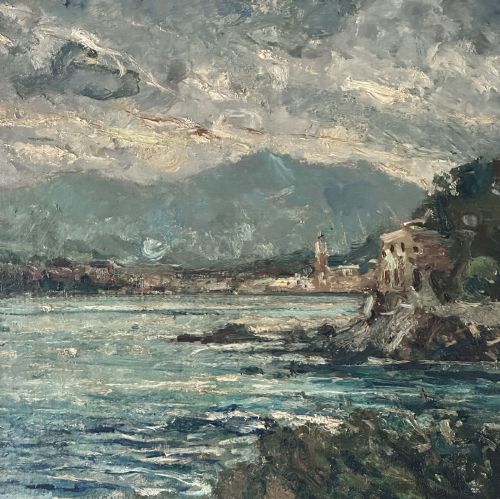
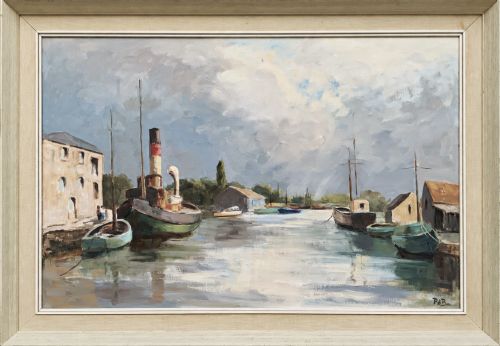
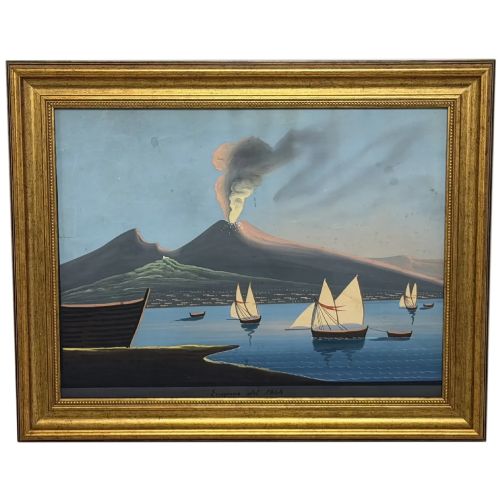
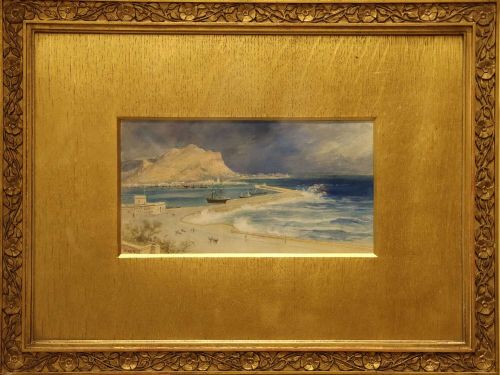
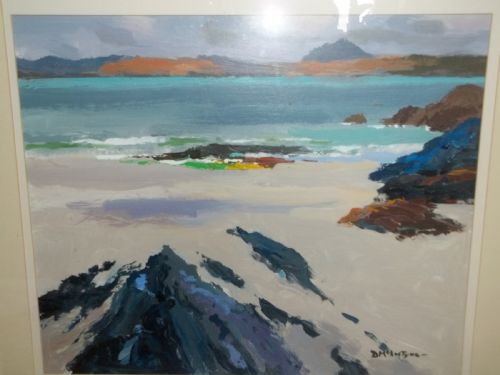
Blue landscape artwork encompasses paintings and watercolours dominated by marine, coastal, and river views. These pieces range from Victorian watercolours of Scottish lochs and Italian harbours to mid-twentieth-century oil paintings of coastal Cornwall and the Lake District.
Buyers will most frequently encounter nineteenth-century watercolours and mid-twentieth-century paintings on paper or canvas. Subjects extend from Venetian canals and Sicilian ports to northern English dales and stormy seas.
The selection bridges traditional European scenes, British Impressionism, and post-impressionist works. Formats include framed paintings, oval canvas views, and fine art wall pieces executed in oil and watercolour.
Factors of quality
Quality rests in the handling of light, atmospheric depth, and brushwork control. Superior pieces capture the transient qualities of water and sky with assured, purposeful strokes rather than stiff delineation.
Compositional balance and the preservation of the medium dictate the standing of a piece. Stronger works maintain vibrant pigment relationships within marine and landscape subjects without muddy colour mixing.
Blue Landscape Artwork Retail Price Guide 2026
Typical asking prices for blue landscape artwork among the pieces listed under this phrase on Sellingantiques today, from the lower quarter to the upper quarter. They describe what is for sale here now, not the wider market.
Subject matter across the selection concentrates heavily on maritime scenes, Venetian canals, Scottish lochs, and English coastal views.
Angus Rands·Philip Naviasky·Herbert Royle·Sir David Murray·Donald McIntyre·Thomas Miles Richardson·James Orrock·William Henry Earp·Richard Principal Leitch·Alfred Young Nutt·Percy Lancaster·Reginald Arthur Borstel·Sidney A Court·Robert Leslie Howey·John E Aitken·William Banks Fortescue·David Law·Alfred Pollentine·Francis Moltino·Paul Bret·Peter Brannan·Richard Henry Wright
The Blue Landscape Artwork Glossary
- Gouache
- An opaque water-based medium producing flat, saturated colour fields. It is frequently combined with pastel or watercolour in landscape works.
- En plein air
- Painting outdoors to capture natural light and atmospheric conditions directly. This method defines many coastal and landscape works.
- Capriccio
- An architectural fantasy placing buildings and ruins into a fictional landscape setting. These compositions often feature Mediterranean or Venetian waterfronts.
- Post-Impressionism
- An art movement extending impressionist techniques towards bolder forms and expressive colour use. Works in this style appear in mid-twentieth-century landscapes.
- Wash
- A thin, fluid layer of transparent watercolour applied across paper. It builds atmospheric skies and calm expanses of sea.
Blue Landscape Artwork: Frequently Asked Questions
How do I date a blue landscape?
Dating relies on stylistic markers, framing conventions, and artist signatures recorded in the inventory. Nineteenth-century works typically employ detailed watercolour washes, whereas mid-century examples show looser impressionistic brushwork.
Material supports also help establish age. Canvas stretchers, paper types, and framing styles provide reliable chronological indicators for paintings spanning the Victorian era to the mid-twentieth century.
Where should I hang these artworks?
These pieces suit rooms with controlled natural light, away from direct sunlight that can fade watercolours and paper supports. Wall spaces in living areas or studies complement maritime and river subjects.
Pairing framed watercolours or oils with neutral wall backgrounds allows the blue tones of the landscapes to stand out. Proper placement protects the pigment from environmental moisture.
What subjects appear in these paintings?
Subjects focus primarily on water, including Venetian canals, Scottish lochs, Sicilian harbours, and English coastal scenes. Ships, fishing boats, and rugged shorelines frequently anchor the composition.
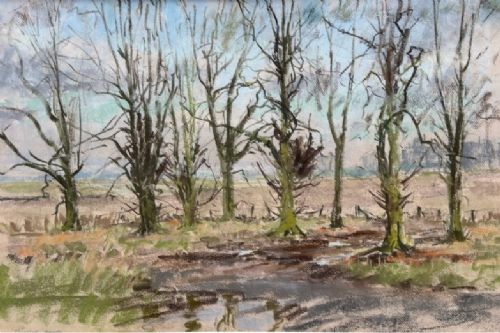
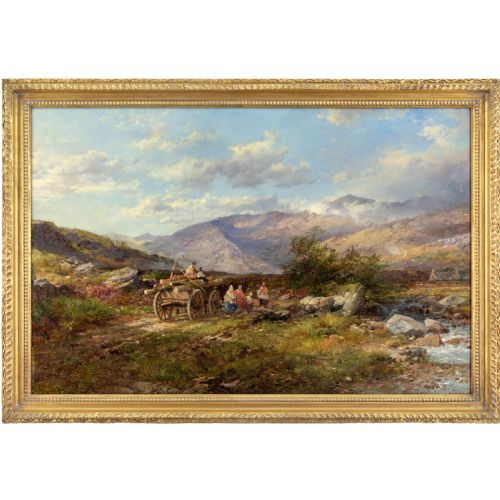
Inland views turn toward river valleys and winter landscapes in Yorkshire and the Lake District. Marine and coastal views dominate the overall selection.
Are watercolours fragile?
Watercolours on paper require protection behind glass to prevent atmospheric damage and physical wear. Keeping works away from humid environments preserves the integrity of the paper support.
Framing with acid-free mounts prevents discolouration around the edges of the sheet. Proper conservation ensures the pigments retain their original clarity.