


Blue Harbour Painting
A blue harbour painting captures maritime life and coastal architecture across various eras, offering buyers a window into historic ports and seascapes.
Blue Harbour Painting
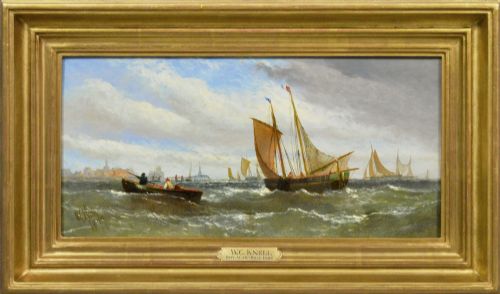
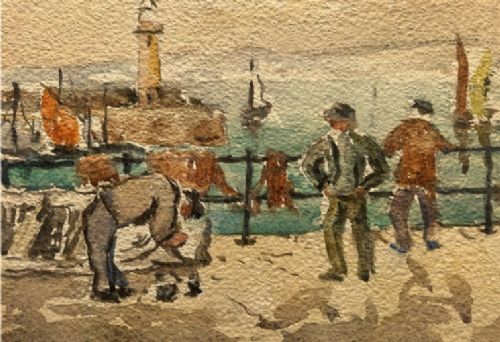
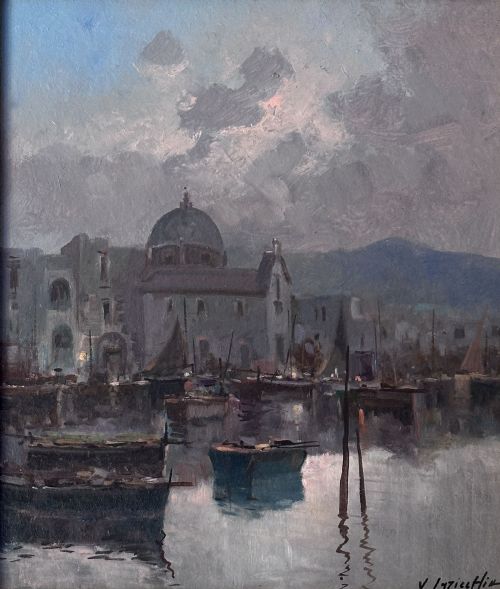
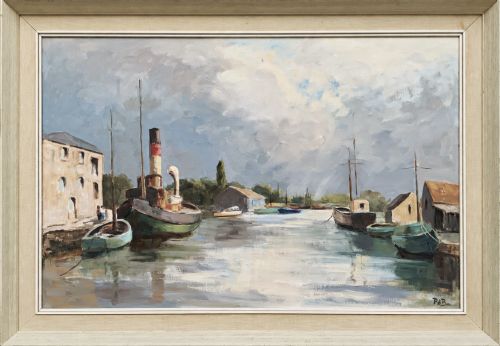
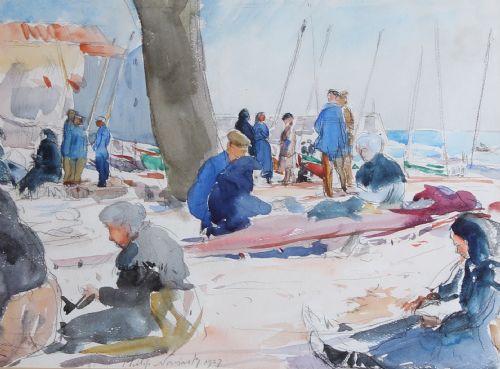
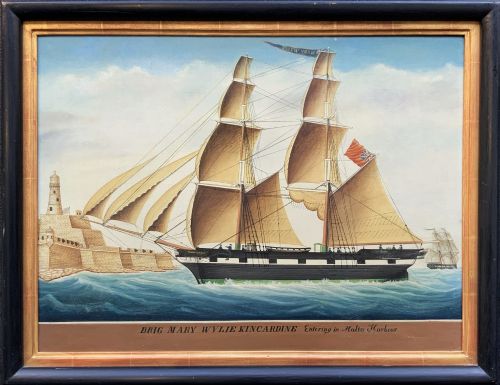
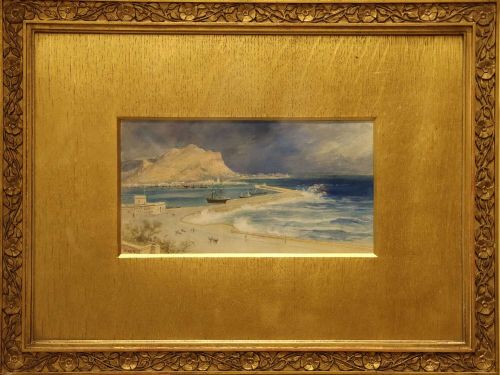
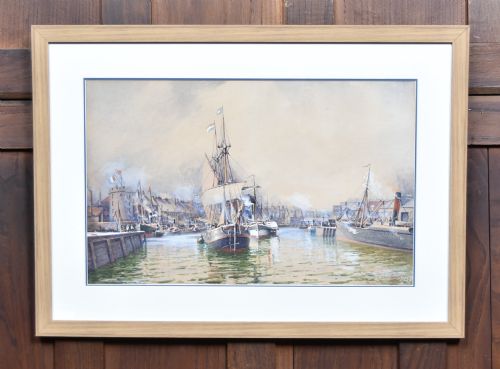
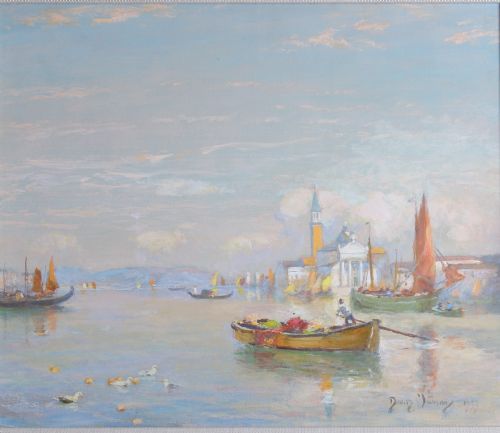
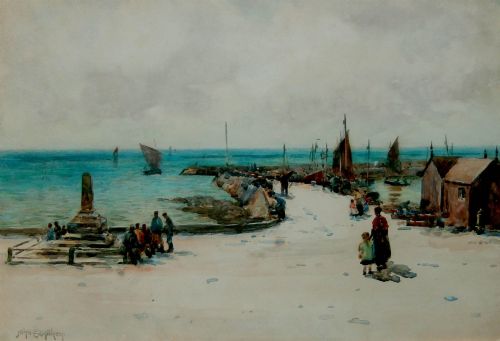
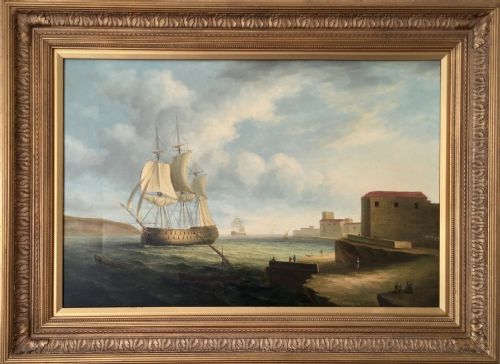
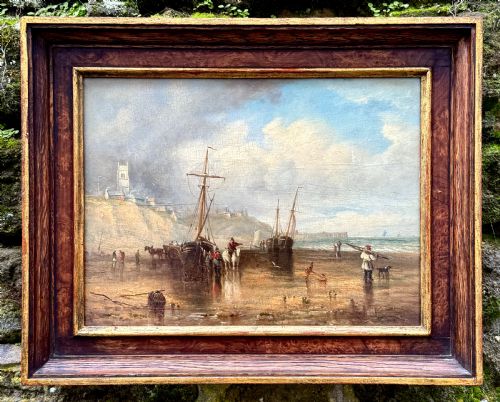
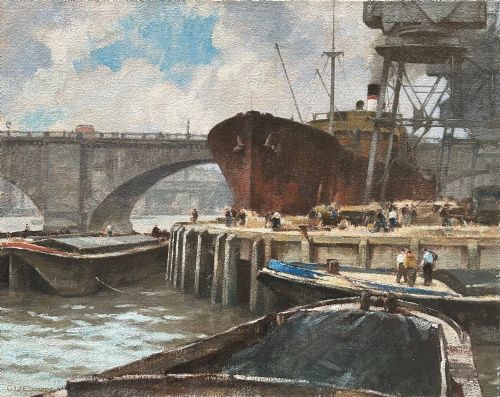
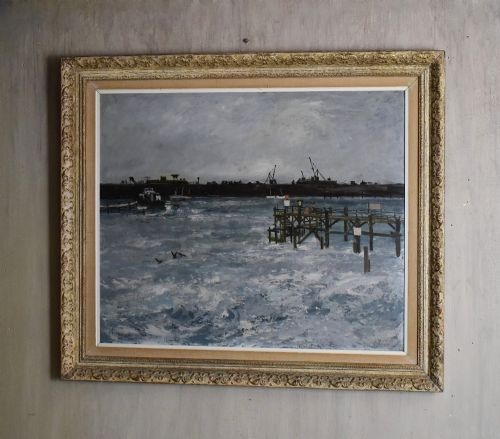
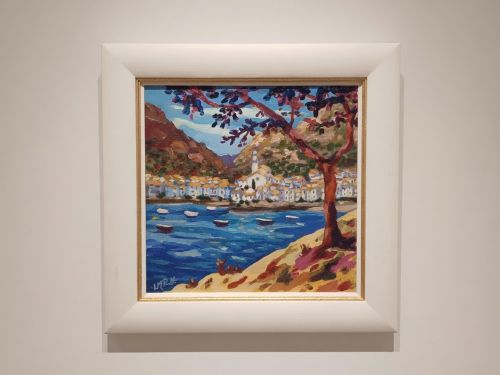
A blue harbour painting encompasses maritime scenes, coastal views, and port activities executed in media such as oil and watercolour. These works depict locations ranging from British fishing ports like St Ives and Whitby to Mediterranean harbours in Venice, Malta, and the French Riviera.
Buyers encountering this category will find pieces spanning the nineteenth century through the mid-twentieth century. The selection includes works by regional British artists as well as continental painters, reflecting diverse approaches to coastal landscapes.
Common formats include framed watercolours on paper and oil paintings on canvas or panel. The subjects frequently involve boats, quaysides, and open water rendered in varied tones of blue.
Materials and Techniques
Artists working within this category relied primarily on oil paint or watercolour applied to paper, canvas, wood panel, or board. Oil mediums allowed for textured brushwork and deep colour saturation, particularly suited to depicting deep water and dramatic skies.
Watercolour pieces utilised fluid washes on paper to capture the transparent quality of light and sea air in harbour settings. Framing in wood often accompanied these artworks, preserving the paper or canvas supports.
Blue Harbour Painting Retail Price Guide 2026
Typical asking prices for blue harbour painting among the pieces listed under this phrase on Sellingantiques today, from the lower quarter to the upper quarter. They describe what is for sale here now, not the wider market.
Listings feature works spanning the nineteenth century, 1900, 1910, 1920, 1930, 1940, 1950, and 1960 periods.
Assessing Quality and Execution
The standard of a blue harbour painting rests upon the artist's handling of light, atmosphere, and spatial depth within the composition. Stronger examples demonstrate confident brushwork and a coherent palette that effectively conveys the maritime environment.
Condition of the medium and the paper or canvas support also influences the piece. Well-preserved works retain their original pigment vibrancy without excessive fading or damage to the surface.
Philip Naviasky·Sir David Murray RA·William Banks Fortescue·Paul Delvaux·Jean-Baptiste Olive
The Blue Harbour Painting Glossary
- Watercolour
- A paint consisting of colour suspended in a water-soluble vehicle, typically applied to paper. It provides translucent washes that suit delicate coastal scenes.
- Oil painting
- A medium where pigments are bound with drying oils, allowing for rich textures and deep tones. It was frequently used for robust depictions of ships and heavy seas.
- Seascape
- A work of art depicting the sea, distinct from inland landscapes. These compositions focus on open water, coastal views, and maritime activity.
- Panel
- A rigid support surface made of wood used by artists instead of canvas. It provides a stable base for oil paint application.
- Impressionism
- An art movement characterised by relatively small, thin, yet visible brush strokes and an emphasis on accurate depiction of light. Many marine works reflect this stylistic influence.
Blue Harbour Painting: Frequently Asked Questions
What periods do these paintings cover?
The available works span from the nineteenth century through the mid-twentieth century, capturing shifting artistic movements over several decades.
Buyers will find examples representing Victorian traditions alongside later twentieth-century interpretations of coastal life.
Which materials were commonly used?
Artists utilised oil paint and watercolour as the primary mediums for these maritime scenes. Supports include paper, canvas, wood panels, and boards.
Watercolours often appear under glass within frames, while oil paintings are typically executed on stretched canvas or wooden panels.
Where do these harbour scenes originate?
The geographical scope includes British fishing villages such as St Ives, Whitby, and Scarborough. Continental locations like Venice, Malta, and the French Riviera also feature prominently.
This variety reflects the widespread appeal of port towns to artists across different European regions.
How should I display these artworks?
These pieces generally require standard framing protection, particularly watercolours which remain sensitive to direct sunlight and moisture. Placing them away from direct heat sources helps preserve the paper or canvas.
Matching the frame style to the period of the painting enhances the overall presentation in a domestic interior.