




Blue Gold Vessel
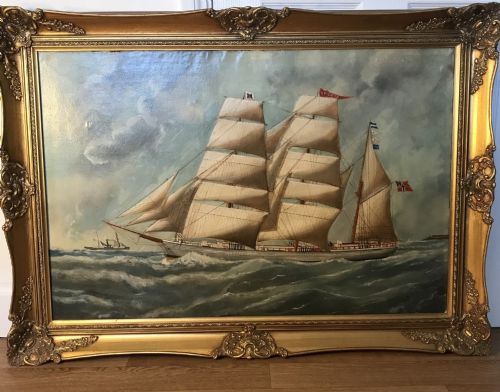
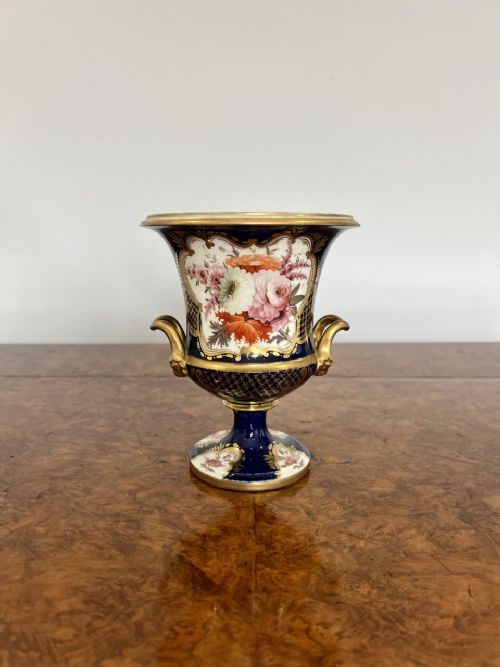
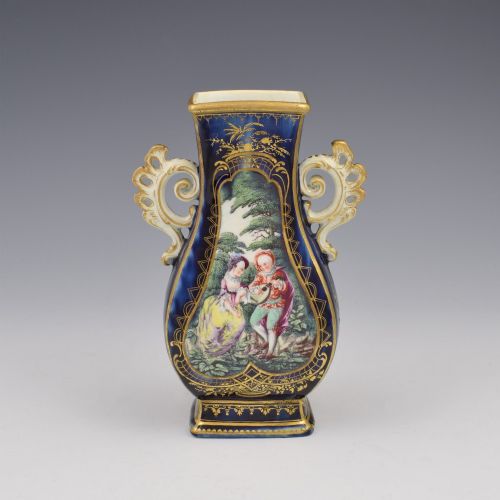
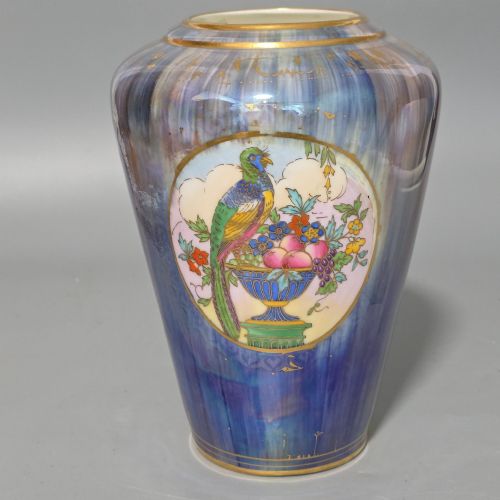
These pieces form a blue gold vessel selection, bringing together porcelain, enamel, and gilt ornamentation across centuries of design.
Blue Gold Vessel
A blue gold vessel brings together cobalt and navy grounds with gilded surface work, taking the form of porcelain vases, urns, and decorative ceramics.
The objects seen here span periods from the eighteenth century through to the twentieth century, including pieces from European factories and Asian workshops.
Collectors encounter items ranging from cabinet urns to larger floor-standing pieces, where cobalt blue provides a deep backdrop for gold leaf and enamel details.
Materials and construction
Makers utilised hard-paste and soft-paste porcelain as a base, applying rich cobalt blue glazes before firing the ceramic bodies.
Giltwood, gold leaf, and hand-applied enamels were then added to the surfaces, often requiring multiple firings to fix the metallic and coloured pigments.
Listings feature porcelain, enamel, and bronze materials spanning the nineteenth and twentieth centuries.
Assessing quality in the field
Quality rests upon the crispness of the gilding and the depth of the blue ground, where hand-painted details show the precision of the decorator's hand.
The weight of the ceramic body and the complexity of handles or lidded mounts separate standard production items from ambitious factory showcase pieces.
Spode·Chelsea Porcelain·Coalport·Minton·Royal Doulton·Wedgwood·Royal Worcester
The Blue Gold Vessel Glossary
- Cobalt blue
- A deep blue metallic oxide pigment used under the glaze to colour porcelain and ceramic vessels. It withstands high kiln temperatures without losing its intensity.
- Gilding
- The application of gold leaf or gold dust onto the surface of porcelain, bronze, or wood. Hand-applied versions show subtle tool marks under magnification.
- Enamel
- Opaque or translucent glass paste fused to a metal or ceramic body by firing. It provides vibrant colour highlights alongside gilded sections.
- Campagna urn
- A bell-shaped classical urn form popularised in the nineteenth century. These vessels often feature twin handles rising from the lower body.
Blue Gold Vessel: Frequently Asked Questions
How do I care for a blue gold vessel?
Keep these items out of direct sunlight to protect enamel pigments and prevent any drying of underlying materials. Dust them gently with a soft, dry cloth rather than using liquid cleaners.
Avoid placing them in high-moisture environments or areas with fluctuating temperatures. Handle lidded urns by the body and lid simultaneously to prevent accidental drops.
What periods do these vessels come from?
The selections span the nineteenth and twentieth centuries, encompassing Victorian, Edwardian, and Art Deco design movements. Earlier pieces often reflect neoclassical influences, while later items embrace bolder decorative glazes.
Production methods shifted over these eras, moving from purely hand-thrown bodies to more industrial moulding techniques. Examining the base marks helps pinpoint the exact manufacturing decade.
How can I tell factory pieces apart?
Look for underglaze factory marks, painted numbers, or impressed stamps on the base of the ceramic. Different potteries used distinct paste compositions and glaze formulations that appear unique under close inspection.
Style of decoration and gilding technique also offer clues to the workshop of origin. Comparing pieces to documented factory archives confirms specific periods.
Where were these vessels displayed historically?
These decorative urns and vases typically stood on mantelpieces, sideboards, or in glazed display cabinets within formal reception rooms. They served as decorative focal points rather than functional containers.
Larger floor or pedestal-placed examples occupied hallways and grand salons. Their vibrant blue and gold colour schemes were chosen to catch ambient light.