


Blue Glazed Ceramic Lamps
Blue glazed ceramic lamps bring depth and enduring utility to a room, drawing on centuries of global design.
Blue Glazed Ceramic Lamps
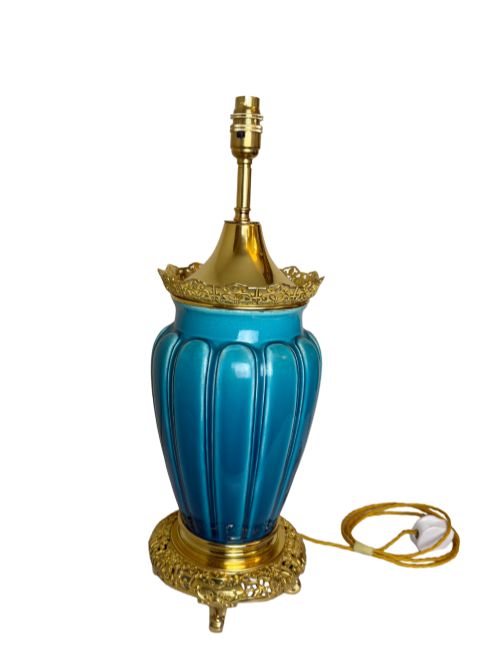
When you search for blue glazed ceramic lamps, you encounter table lamps built from converted antique vases, jars, and vessels spanning the eighteenth through the mid twentieth centuries. These pieces originate from diverse traditions, ranging from Chinese porcelain and Japanese wares to European Delftware and English art pottery.
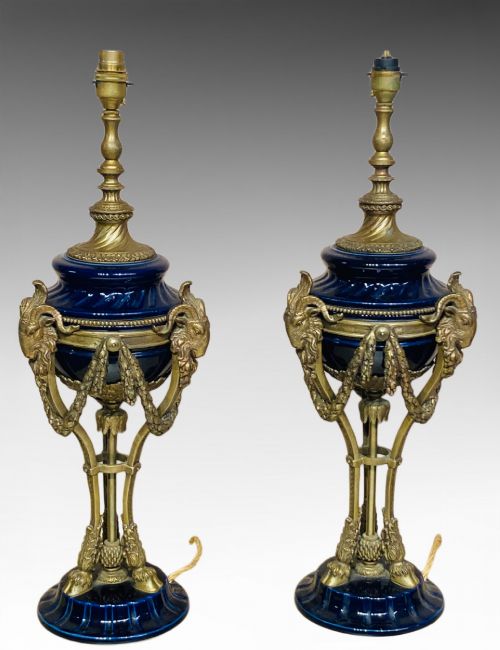
The selection on this page relies heavily on conversions, where older ceramic bodies mounted with brass, gilt bronze, or ormolu receive modern electrical fittings. Pairs and monumental single table lamps appear frequently, often featuring crackleware, turquoise, cobalt, or celadon glazes.
Stylistic influences stretch across Chinoiserie, Louis XVI Neoclassical, and Victorian periods, reflecting how earlier decorative vessels found a second life as interior lighting. Buyers seeking these lamps generally look for character, substance, and a distinct historical palette.
How they were made
The foundation of these lamps rests on high fired ceramic, porcelain, earthenware, and faience bodies shaped on the wheel or in moulds before receiving rich blue, turquoise, or celadon glazes. Artisans applied mineral oxides to achieve the deep cobalt or crackled surface effects seen across the pieces.
Metal mounts in brass, gilt bronze, and ormolu were frequently cast and chased to secure the ceramic base and house the lighting components. These metal elements were often added decades later when the original vases were converted into functional table lamps.
Listings feature ceramic, porcelain, and earthenware bodies mounted with brass, gilt bronze, and ormolu across the eighteenth and nineteenth centuries.
What varies in quality
Quality in these conversions depends largely on the integrity of the original ceramic vessel and the sensitivity of its mounting. Finer pieces display crisp glaze control, stable crackleware patterns, and well cast ormolu or gilt bronze mounts that complement rather than overwhelm the pottery.
The harmony between the ceramic body and the metal hardware dictates the visual success of the piece. Superior examples retain their original glaze depth and structural balance without clumsy alterations to the antique ceramic.
The Blue Glazed Ceramic Lamps Glossary
- Crackleware
- Pottery featuring a network of fine intentional cracks in the glaze layer. This decorative effect is often seen in Chinese ceramic traditions.
- Ormolu
- Finely ground high carat gold mercury gilt applied to a bronze base. It provides durable decorative mounts for fine lamps and vases.
- Delftware
- Tin glazed earthenware originating from the Netherlands during the seventeenth and eighteenth centuries. It typically displays blue and white decoration inspired by imported Asian porcelain.
- Faience
- European tin glazed earthenware produced from the Renaissance onwards. It often mimics the appearance of porcelain while utilising a softer ceramic body.
Blue Glazed Ceramic Lamps: Frequently Asked Questions
Are these antique lamps recently rewired?
Many converted lamps receive modern electrical wiring to meet safety standards for home use. Rewiring ensures the antique ceramic body can safely support daily lighting.
Buyers should check individual listings to confirm the current electrical specifications of each lamp.
How do I style a blue glazed ceramic lamp?
These lamps work well on side tables, sideboards, or desks where their rich blue glazes can anchor a room's colour scheme. Pairing them with simple fabric shades lets the antique ceramic base remain the primary focus.
Consider the scale of the room, as monumental pieces require sturdier furniture to balance their height and weight.
What periods do these lamps come from?
The listings span from the eighteenth century through the nineteenth and early twentieth centuries. Many pieces incorporate much older vessels that were converted into lamps at a later date.
Dates assigned usually reflect the manufacture of the ceramic body or the period of the conversion.
Can I buy these lamps as matching pairs?
Several listings feature matched pairs of table lamps, particularly those created from symmetrical vases or tobacco jars. Pairs offer balanced illumination for mantelpieces or matching bedside tables.
Single monumental lamps also appear frequently for use as standalone accent pieces.