

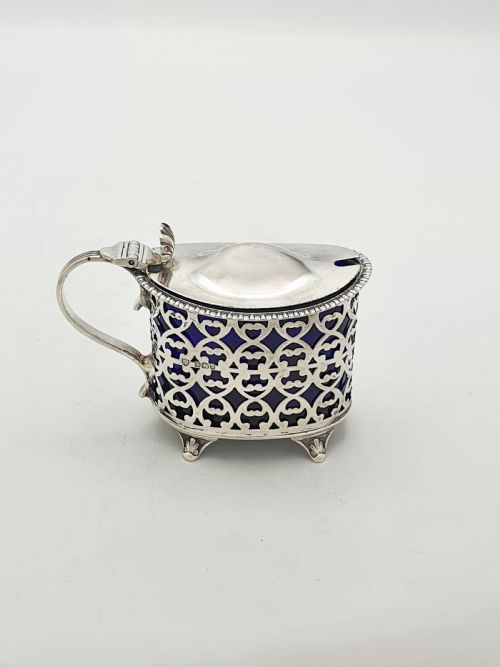


Blue Glass Liner Mustard
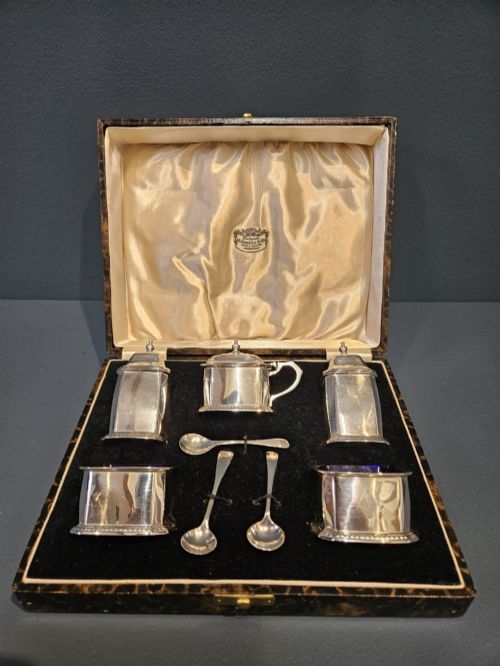
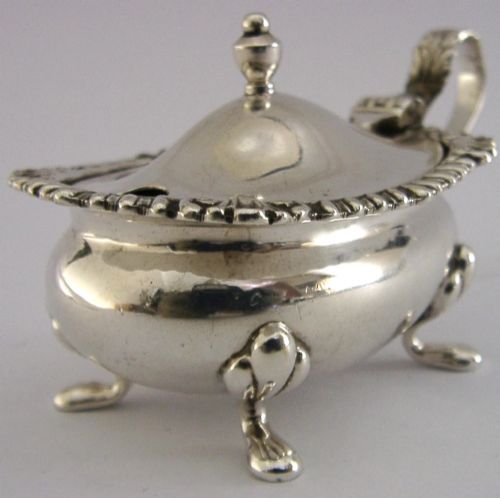
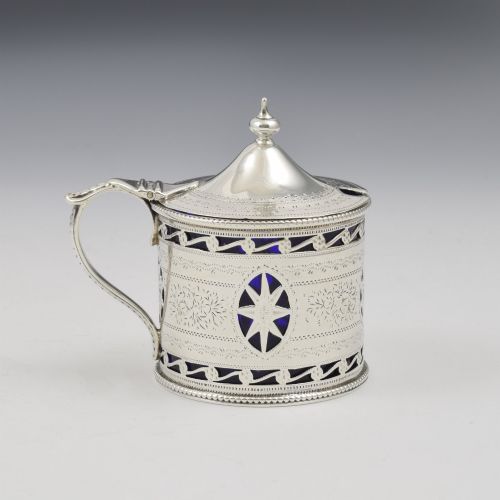
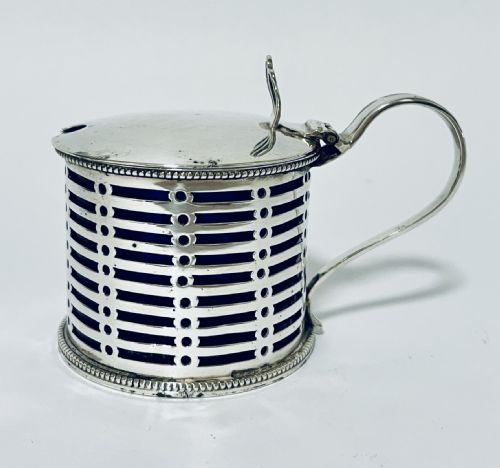
These blue glass liner mustard pots combine pierced silver frames with rich cobalt vessels, offering a classic dining table accessory.
Blue Glass Liner Mustard
When searching for blue glass liner mustard pots, buyers examine a range of dining table condiment vessels housed within pierced or solid metal frames. These pieces primarily date from the Victorian era, the Edwardian period, and through the 1930s, reflecting changing domestic tastes in tableware.
Originating largely from British silversmith workshops, these pots formed part of larger cruet sets or stood alone on the dining table. The survival of the original blue glass liner alongside the silver frame defines the appeal for collectors today.
How they were made
Silversmiths utilised sterling silver or silver plate, shaping the metal bodies through casting, stamping, and meticulous hand-piercing. The decorative openwork required steady skill with a piercing saw to create intricate scroll or lattice patterns without weakening the structure.
The cobalt blue glass liners were typically blown and shaped to fit the exact interior dimensions of each silver pot. Because each frame varied slightly in manufacture, the glass liner had to be ground or formed to match the individual metal vessel.
Some Victorian novelty mustard pots took the form of mischievous devils standing on figural legs, guarding the mustard beneath.
What varies in quality
Quality in these pieces rests upon the crispness of the silver piercing and the weight of the metal used in the frame. Heavier gauge sterling silver provides greater durability and substance, distinguishing finer workshop output from lighter commercial production.
The presence of the original blue glass liner significantly elevates a piece, particularly when the glass shows no internal stress fractures or rim chips. The relationship between the maker's mark, such as established silversmiths, and the overall harmony of the design determines the standing of the piece.
Nathan & Hayes·William Neale·Charles Stuart Harris·Omar Ramsden·Thomas Bradbury & Son
The Blue Glass Liner Mustard Glossary
- Bristol Blue
- A deep cobalt glass colour historically produced in the Bristol area and widely utilised for nineteenth-century condiment liners. The rich hue contrasts sharply with polished sterling silver.
- Cruet Set
- A matched collection of condiment bottles and pots held in a central frame or stand for the dining table. These sets typically included mustard, pepper, and salt containers.
- Piercing
- A decorative technique where metal is cut away to form openwork patterns. Silversmiths employed this method to reveal the coloured glass liner nested within.
- Sterling Silver
- An alloy comprising ninety-two point five percent silver and seven point five percent other metals, usually copper. British pieces bear hallmarks confirming this standard.
Blue Glass Liner Mustard: Frequently Asked Questions
How do I clean the silver and glass?
Remove the blue glass liner from the silver frame before cleaning to prevent harsh silver dips from damaging the glass surface. Wash the glass gently in warm soapy water and polish the sterling silver with a soft cloth and appropriate cleaner.
Ensure both components are completely dry before reassembling the mustard pot. Avoid soaking cemented hinges or insulated parts if the lid contains them.
Are these mustard pots safe to use?
While these pieces were designed for functional dining use, vintage glass and antique silver can be sensitive to modern dishwasher cycles and acidic condiments. Mustard left in direct contact with silver for extended periods can tarnish the metal rapidly.
Many collectors prefer to use them for display or occasional dining rather than daily service. Hand washing preserves both the silver hallmarks and the vintage glass.
How do I spot a replacement glass liner?
Original glass liners generally sit flush within the silver rim and match the interior contours of the pierced metalwork precisely. Replacements often rattle, sit too high, or display a different shade of cobalt glass.
Close inspection of the glass base may reveal mould seams or manufacturing traits consistent with the period of the outer silver pot.
What periods are most common for these pots?
The majority of these mustard pots originate from the Victorian era, spanning the mid to late nineteenth century. You will also encounter Edwardian examples and pieces from the 1920s and 1930s reflecting Art Deco design trends.
Victorian pieces frequently feature ornate floral piercing, whereas later twentieth-century examples tend toward cleaner geometric lines.