



Blue Gilt Ceramic Pot
A blue gilt ceramic pot brings brilliant cobalt colour and gold enrichment to a mantel or cabinet.
Blue Gilt Ceramic Pot
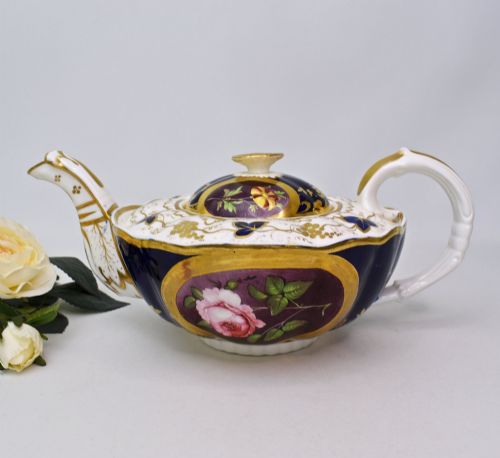
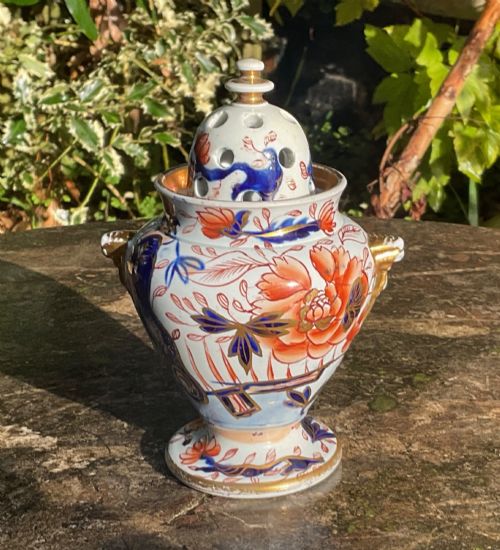
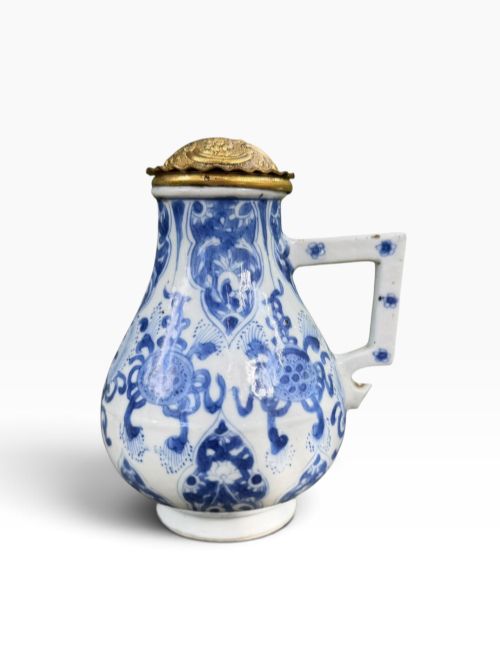
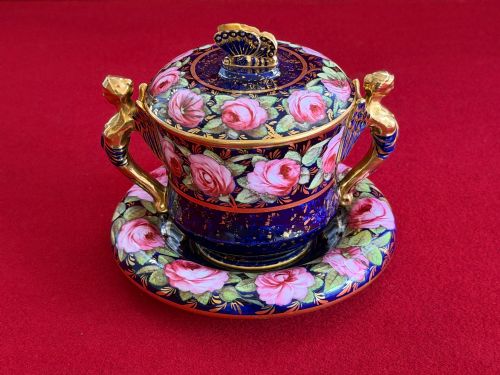
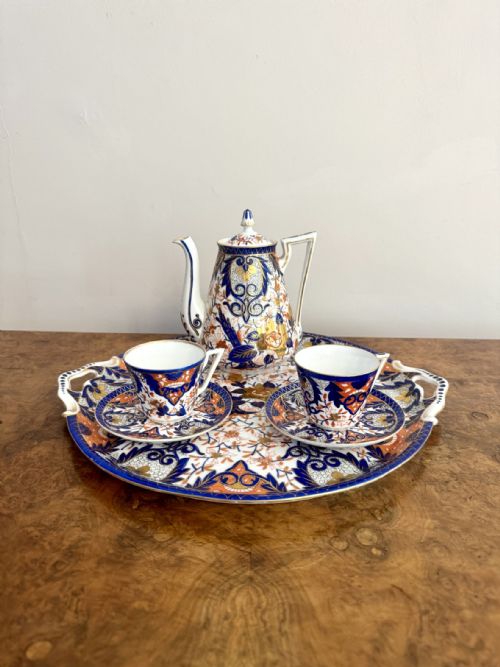
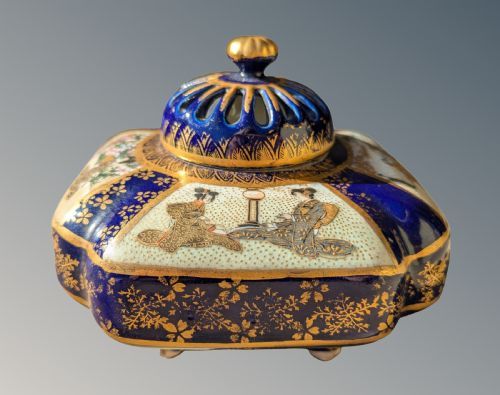
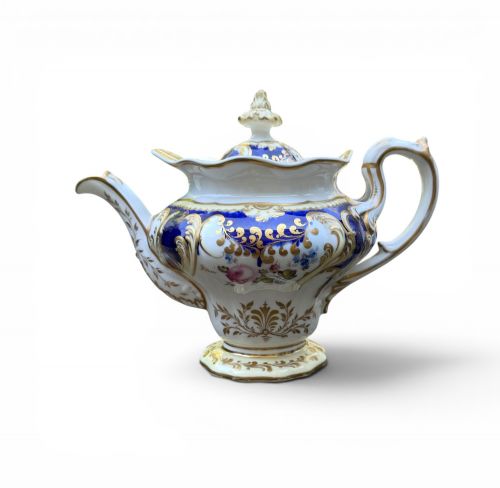
A blue gilt ceramic pot is a decorative or functional vessel finished in deep blue glaze and gold leaf or gilt detailing. These pieces span utility and display, taking forms such as pot pourri vases, covered boxes, and teapots.
The pieces listed here cross multiple eras, including Georgian, Regency, and Victorian periods, alongside later nineteenth and early twentieth century examples. English factories such as Spode, Coalport, and Samuel Alcock sit alongside Japanese Satsuma and French boxes.
Buyers meet diverse stylistic influences, from Rococo Revival curves to Japanese Imari patterns and Meiji period craftsmanship. The selection ranges from cabinet cups to large garden pots and covered jars.
How they were made
Makers shaped these pots from porcelain, earthenware, and ironstone, building dense ceramic bodies to receive heavy glazes. Potters fired the clay before applying cobalt enamel underglazes to achieve deep blue tones.
Painters and gilders then added gold leaf, gilt lines, and hand-painted motifs over the glaze, often returning the pieces to the kiln to fix the metal. Surface decoration combined enamel colours with rich gilding to highlight moulded relief details.
Blue Gilt Ceramic Pot Retail Price Guide 2026
Typical asking prices for blue gilt ceramic pot among the pieces listed under this phrase on Sellingantiques today, from the lower quarter to the upper quarter. They describe what is for sale here now, not the wider market.
Flying swans painted by C Baldwyn bring delicate feathered motion to a heavy porcelain pot pourri.
What varies in quality
Quality rests in the precision of the hand-painting and the crispness of the gilt work. Superior examples show fine brush control on floral or pictorial scenes, while lesser items rely on simpler transfer-printed outlines.
The weight and purity of the ceramic body also determine the tier of the piece. Fine porcelain demonstrates translucency and smooth throwing, whereas heavier ironstone and earthenware offer robust utility.
Spode·Samuel Alcock·Coalport·Moorcroft Macintyre And Co·Royal Worcester
The Blue Gilt Ceramic Pot Glossary
- Gilt
- A thin layer of gold applied to the ceramic surface for decoration. It adds bright metallic contrast against blue glaze.
- Imari
- A style of ceramic decoration featuring deep blue, iron red, and gold. It originated in Japan and inspired many European factories.
- Ironstone
- A durable type of earthenware patented in the nineteenth century. It resists chipping and mimics fine porcelain.
- Pot pourri
- A vessel designed to hold dried scented plant material. Pierced covers allow the fragrance to diffuse into a room.
Blue Gilt Ceramic Pot: Frequently Asked Questions
How do I date a blue gilt pot?
Dating relies on factory marks stamped or painted on the base, stylistic clues like Rococo curves, and the type of ceramic body.
Analysing the gold application and enamel colours helps separate early nineteenth century pieces from later Victorian and Edwardian examples.
Are these pots meant for daily use?
Most surviving pots function best as decorative cabinet pieces or mantel ornaments rather than items for heavy handling.
Cups and teapots show domestic utility, but gilt surfaces require careful washing to prevent the gold leaf from wearing away.
What is the difference between porcelain and ironstone?
Porcelain is a vitreous, translucent ceramic fired at high temperatures, offering a refined and delicate weight.
Ironstone is an opaque, heavy earthenware developed for durability while retaining a smooth glazed finish suitable for rich gilding.
How should I clean a gilt ceramic surface?
Dusting with a dry, soft brush is the safest method to remove debris from painted details and pierced covers.
Moisture and chemical cleaners risk lifting fragile gold leaf or dulling the cobalt enamel underneath.