





Decorative Lidded Pot
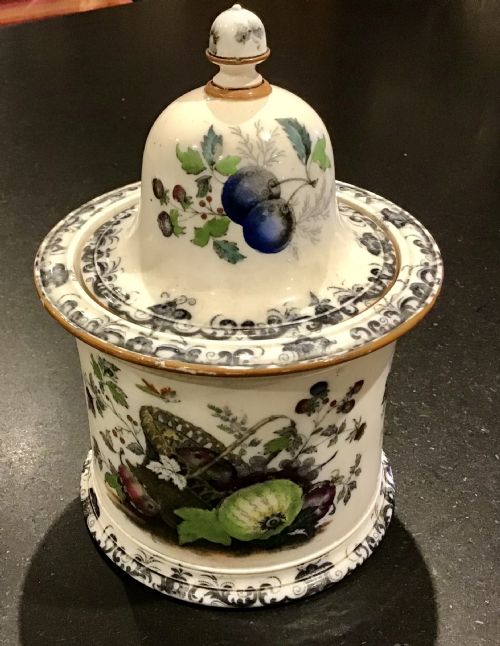
A decorative lidded pot holds small treasures on a dressing table or desk, bringing colour and pattern from the nineteenth and twentieth centuries into a room.
Decorative Lidded Pot
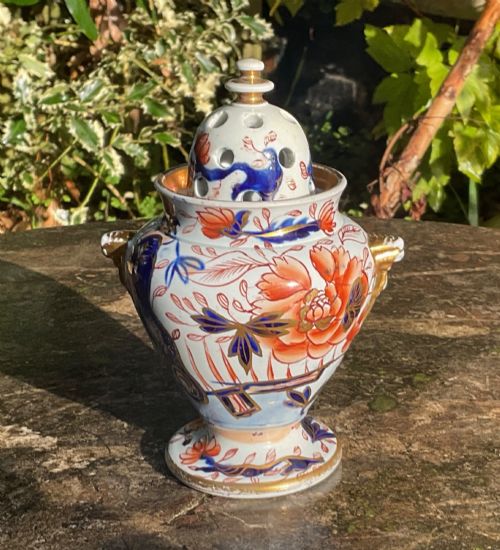
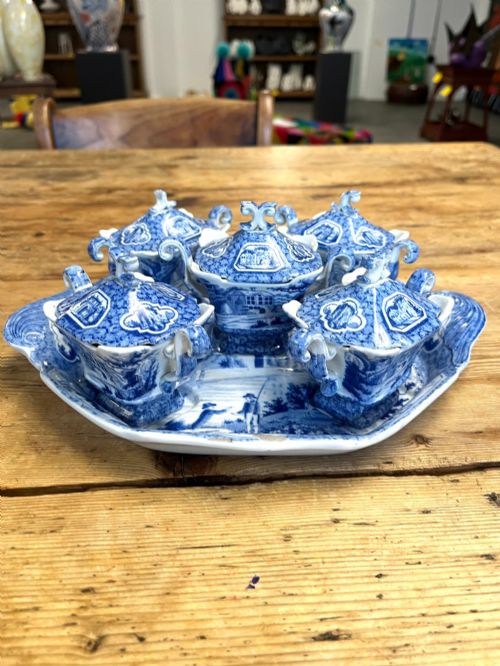
A decorative lidded pot spans diverse forms on this page, appearing as pot pourri vases, lidded jars, bonbonnières, biscuit barrels, and decorative boxes. These pieces serve to contain dried petals, sweetmeats, or small keepsakes while sitting as ornamental objects on surfaces.
The selection ranges widely across origins and eras, from English porcelain and earthenware by factories such as Royal Worcester and Minton to Japanese cloisonné, Chinese brass incense burners, and Indian silver or Kashmiri vessels. Victorian and Edwardian examples sit alongside mid-twentieth-century pieces.
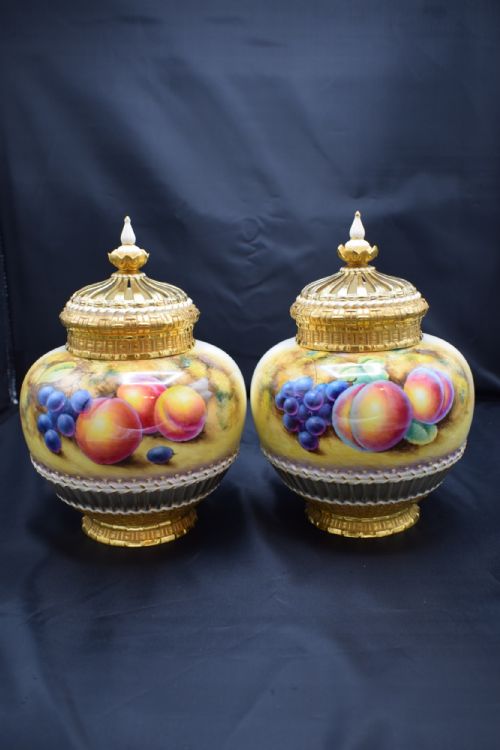
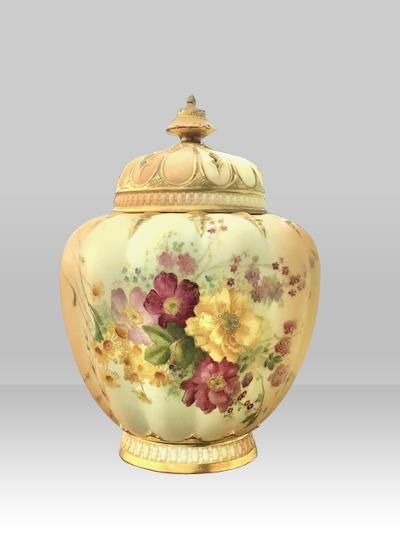
Pot pourri vases and lidded jars dominate the selection, often featuring painted fruit, floral motifs, or Imari patterns. Collectors also encounter treen vases, enamel jars, and continental porcelain vessels spanning the nineteenth century to the nineteen-sixties.
Materials and Technique
Pottery and porcelain pieces rely on ceramic bodies shaped on the wheel or moulded, then fired before receiving hand-painted decoration, gilding, or transfer printing. Factories like Royal Worcester utilise detailed brushwork for fruit and floral scenes, sometimes combining blush ivory grounds with raised gilding.
Metalwork vessels employ brass, silver plate, and silver, often shaped through casting, hammering, or turning. Cloisonné pieces incorporate thin metal wires soldered to a metal base to form cells that hold coloured enamel pastes before firing and polishing.
Decorative Lidded Pot Retail Price Guide 2026
Typical asking prices for decorative lidded pot among the pieces listed under this phrase on Sellingantiques today, from the lower quarter to the upper quarter. They describe what is for sale here now, not the wider market.
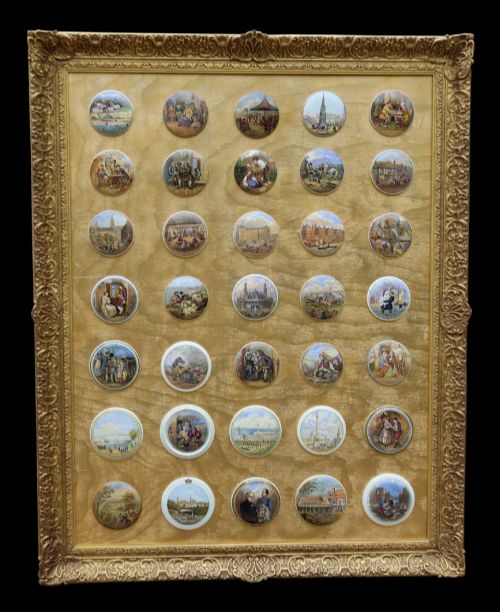
Pratt Ware pot lids preserve nineteenth-century advertising and historical scenes beneath shiny ceramic glazes.
Assessing Quality
Quality rests upon the crispness of form and the skill of the surface decoration, whether in the precision of hand-painted fruit panels or the clean alignment of cloisonné enamels. Factory pieces bearing named artists demonstrate superior execution compared to unmarked or standard commercial output.
The preservation of original gilding, enamel, and lids dictates the standing of a piece. Finer examples maintain unrubbed gold leaf and matching covers that fit the collar precisely without wobble.
Royal Worcester·Minton·Masons Ironstone·Spode·Meissen
The Decorative Lidded Pot Glossary
- Pot pourri
- A mixture of dried petals and spices placed in a pierced vessel to scent a room. The pots designed for this purpose usually feature perforated covers.
- Imari
- A style of Japanese porcelain decorated in underglaze blue and iron red, with supplementary gold. English factories frequently copied these distinct patterns during the nineteenth century.
- Blush ivory
- A signature Royal Worcester aesthetic developed in the late nineteenth century. It uses a soft cream-coloured ceramic ground decorated with flowers and subtle gilt highlights.
- Cloisonné
- A metalwork technique where fine wires form compartments on a vessel surface. Artisans fill these spaces with enamel paste before firing the piece at high temperatures.
- Bonbonnière
- A small ornamental box or jar intended to hold sweets or bonbons. These delicate pieces appear in porcelain, glass, and enamel.
Decorative Lidded Pot: Frequently Asked Questions
How do I identify Royal Worcester pot pourri?
Royal Worcester pieces often feature factory backstamps underneath, alongside painted signatures from notable artists such as Jas Stinton or Kitty Blake. Their work frequently displays naturalistic fruit, floral studies, or blush ivory grounds.
The presence of pierced covers designed to release scent is another key characteristic of these specific vessels.
What is Japanese Meiji cloisonne?
Japanese Meiji cloisonne refers to metalwork created during the Meiji period, characterised by intricate wirework cells filled with coloured enamel. These lidded pots and jars display fine geometric or floral patterns.
The technique demands high precision from the artisan during the firing and polishing stages.
How do I care for antique ceramic pots?
Antique ceramic pots require gentle dusting with a soft, dry cloth to protect fragile surface decoration and gilding. Avoid using water or chemical cleaners, particularly on hand-painted or gilt surfaces.
Keep them away from direct sunlight and dramatic temperature fluctuations to preserve the glaze and body.