


Blue Gilded Porcelain Dish
A blue gilded porcelain dish brings together rich cobalt grounds and metallic lustre to catch the eye on any cabinet shelf.
Blue Gilded Porcelain Dish
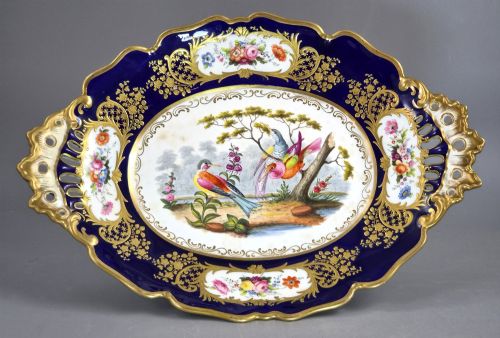
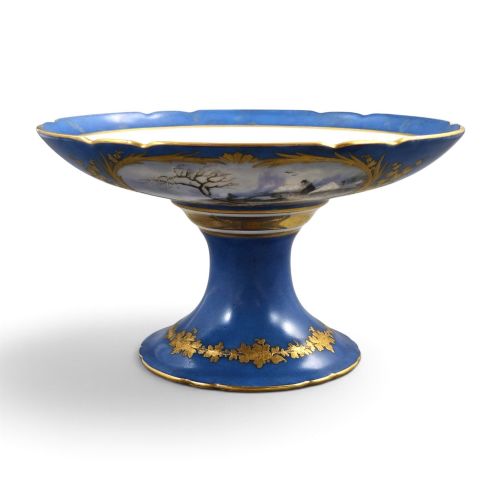
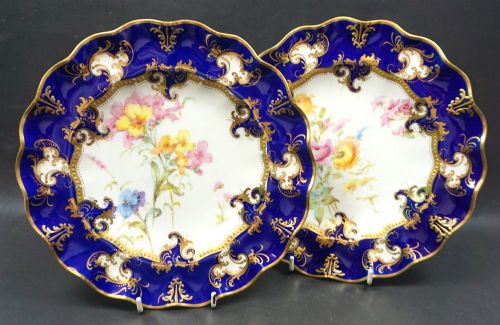
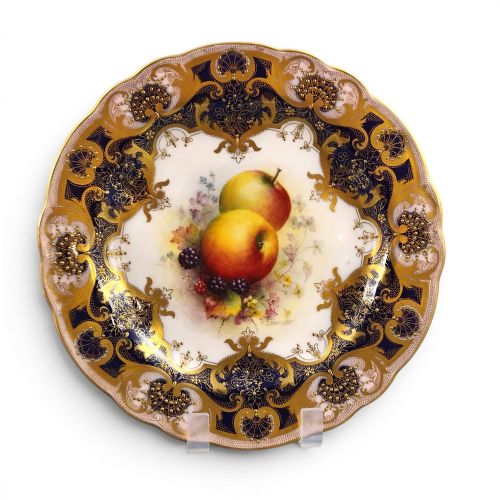
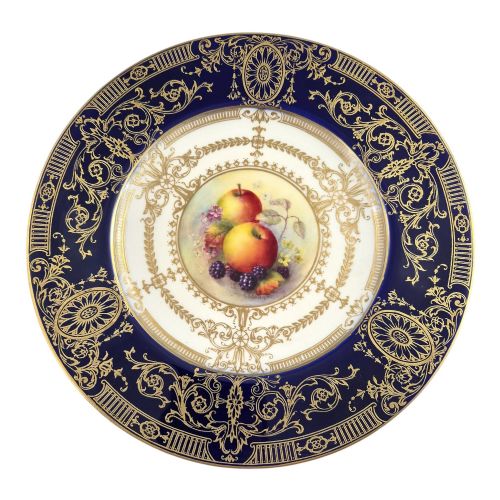
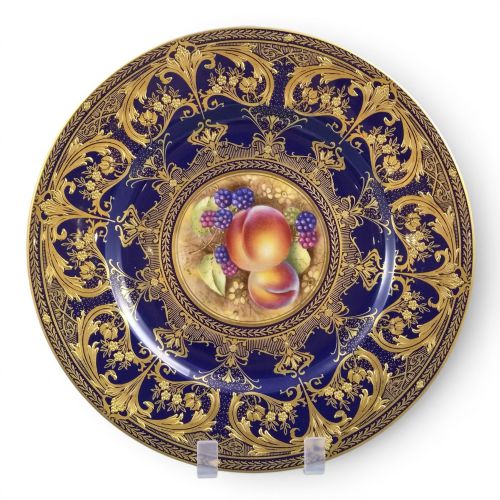
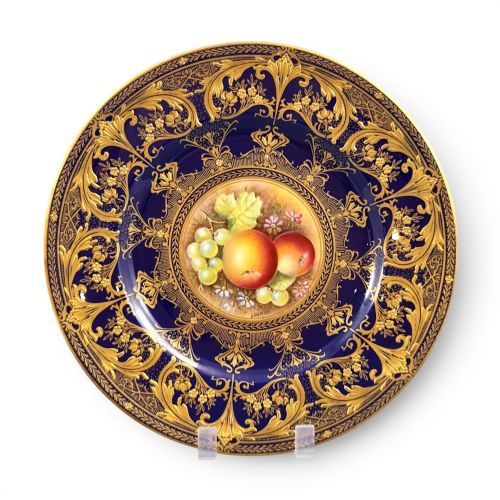
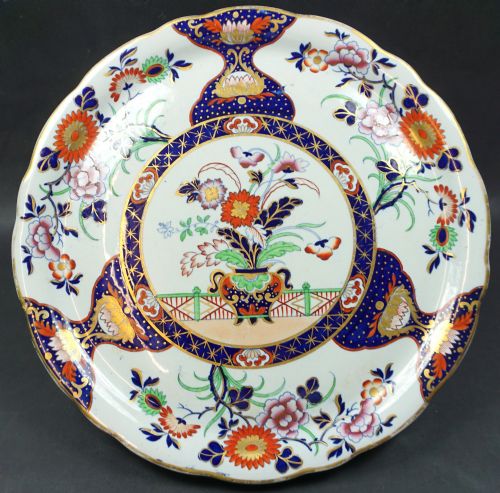
A blue gilded porcelain dish spans serving trays, cabinet plates, and deep chargers produced across the eighteenth, nineteenth, and twentieth centuries. Buyers seeking a blue gilded porcelain dish encounter examples originating from English factories, French studios, Russian imperial services, and Japanese Meiji kilns. The selection ranges from round boxes and tazzas to scalloped plates and pedestal bowls.
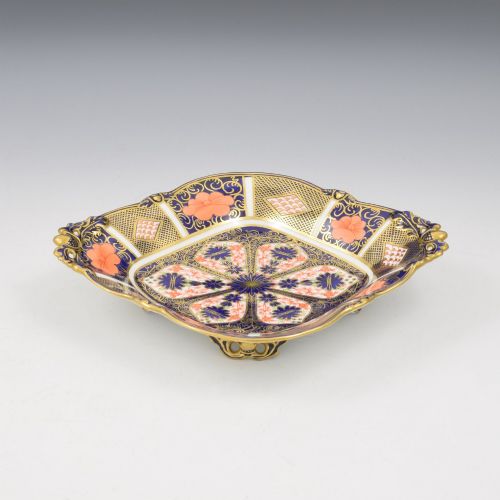
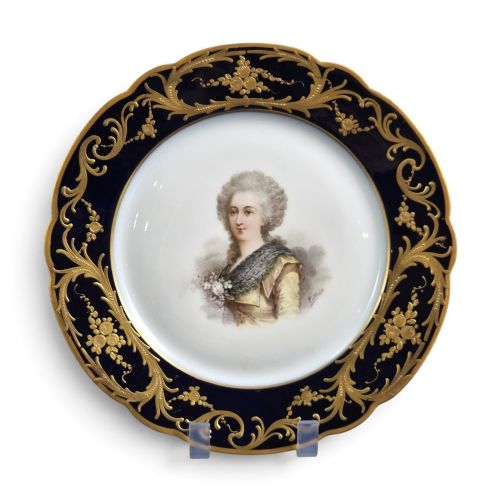
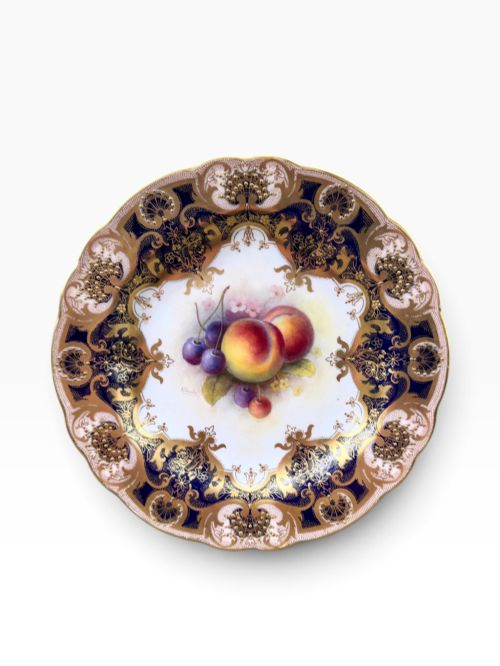
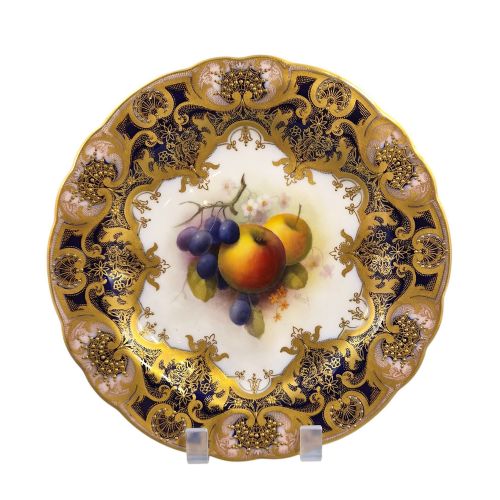
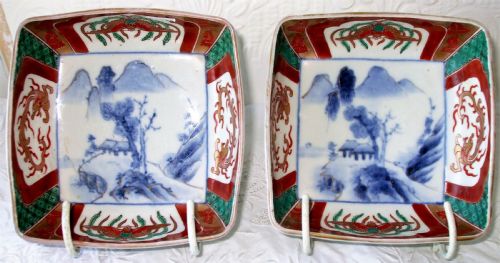
English works from makers like Coalport, Royal Worcester, and Royal Crown Derby dominate the offerings, often featuring hand-painted panels or Imari palettes. Continental items include French Sèvres-style portraits and pieces from Parisian decorators. Japanese Imari wares provide another major pillar, bringing traditional cobalt and iron-red designs enriched with gold leaf.
How they were made
Potters shaped ceramic clay and bone china bodies before applying cobalt glaze to create deep blue underglazes and backgrounds. Artisans then layered enamel colours and hand-applied gold leaf or liquid gilding to the surfaces before firing the pieces in kilns.
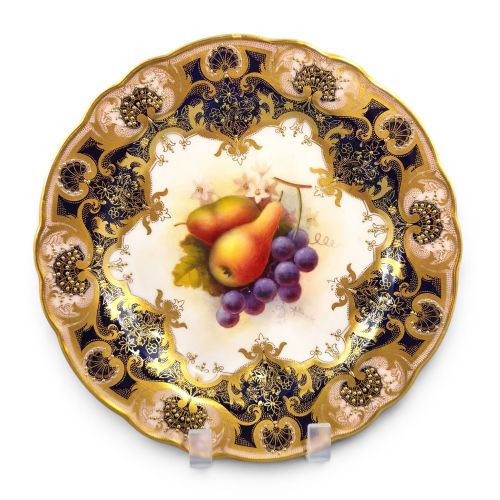
Many items received secondary firing stages to bond the metallic details securely to the glaze. Hand painting by named artists added intricate botanical, figural, or heraldic scenes within the gilded borders.
Listings include bone china, enamel, and ceramic materials spanning the Victorian and Edwardian periods.
What varies in quality
Quality rests upon the precision of the hand painting and the depth of the cobalt ground. Pieces displaying crisp artist signatures and detailed brushwork in the gilding stand apart from standard transfer-printed wares.
The weight of the porcelain body and the complexity of the moulding, such as pierced rims or scalloped edges, also define the upper tier of production.
Royal Crown Derby·Royal Worcester·Coalport·Minton·Wedgwood
The Blue Gilded Porcelain Dish Glossary
- Imari
- A style of Japanese export porcelain featuring underglaze blue, iron-red, and abundant gilding. The aesthetic influenced numerous European factories during the nineteenth century.
- Cabinet plate
- A decorative ceramic plate intended for display in a cabinet or on a wall rather than dining use. These items usually showcase superior artistic painting.
- Cobalt
- A deep blue metallic oxide pigment utilised under the glaze to produce rich background tones on porcelain. It withstands high kiln temperatures without losing intensity.
- Gilding
- The application of gold leaf or powdered gold to ceramic surfaces. It provides metallic highlights that frame painted central scenes.
- Tazza
- A shallow bowl or saucer raised on a central foot or pedestal. The form derives from classical metalwork and serves decorative functions on tables.
Blue Gilded Porcelain Dish: Frequently Asked Questions
How were cabinet plates displayed originally?
Victorians placed these decorative items on specialised easels or mounted them directly onto drawing-room walls to showcase wealth and artistic taste.
They served purely as visual ornaments rather than functional tableware during formal gatherings.
What is Japanese Imari porcelain?
Japanese Imari porcelain refers to wares exported from Arita featuring distinct cobalt blue underglazes paired with iron red and heavy gold leaf detailing.
European kilns frequently copied these vibrant patterns throughout the nineteenth century.
How do I care for gilded porcelain?
These pieces require gentle hand washing in lukewarm water using mild soap, avoiding abrasive sponges that might wear away the metallic leaf.
Storing them securely away from heavy foot traffic protects the delicate painted enamel and gold borders.
Can I date a piece by its blue colour?
The shade of blue offers general clues, as eighteenth-century cobalt often appears softer while nineteenth-century cobalt grounds tend to be deeper and more uniform.
Factory marks on the underside provide the most reliable evidence for exact dating.