





Blue Floral Porcelain Plates
Blue floral porcelain plates bring together centuries of skilled painting and rich cobalt colour for practical display.
Blue Floral Porcelain Plates
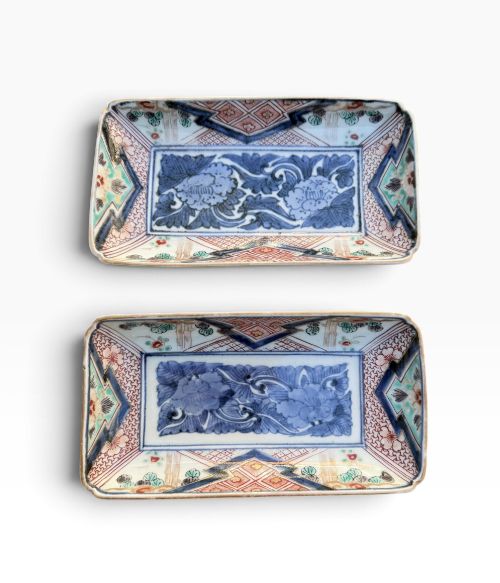
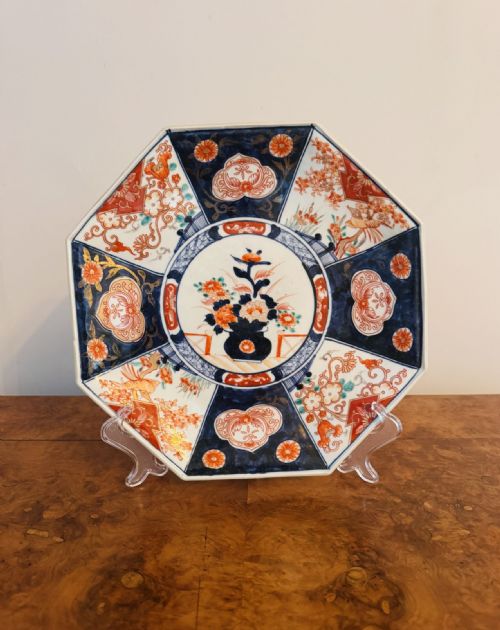
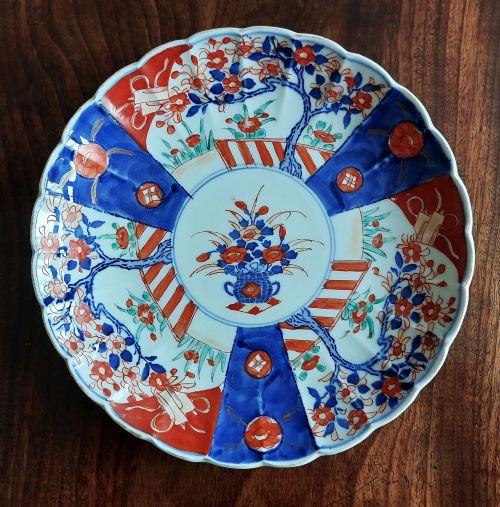
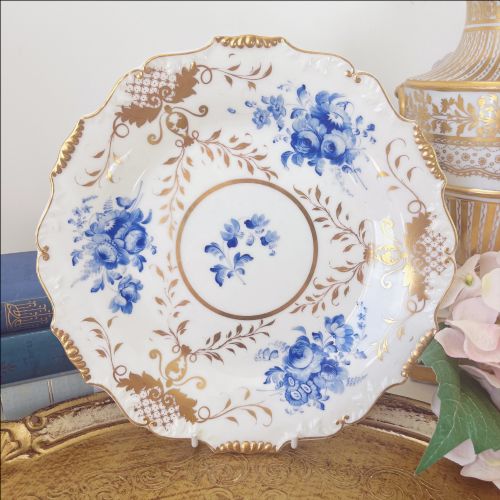
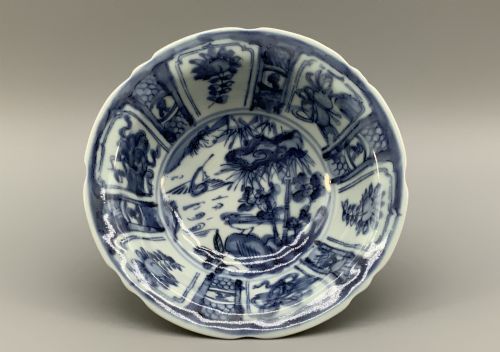
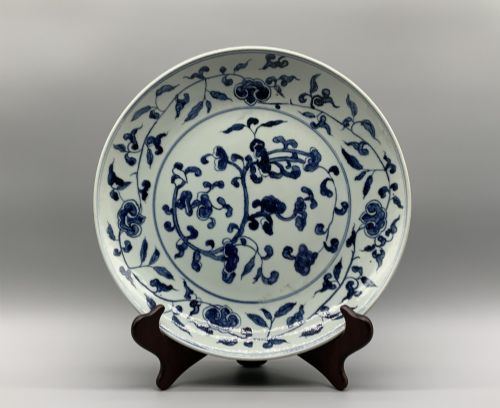
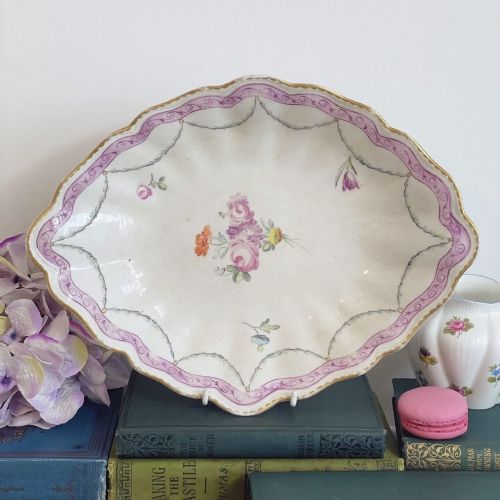
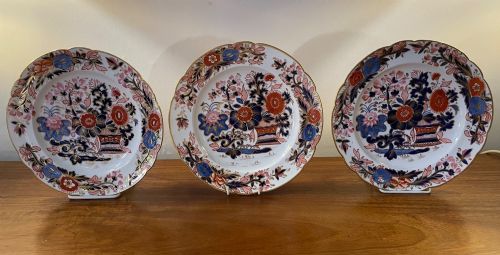
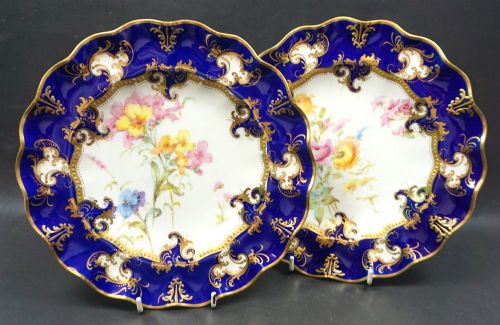
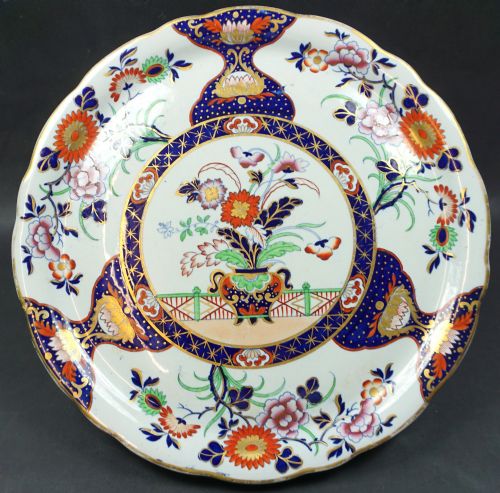
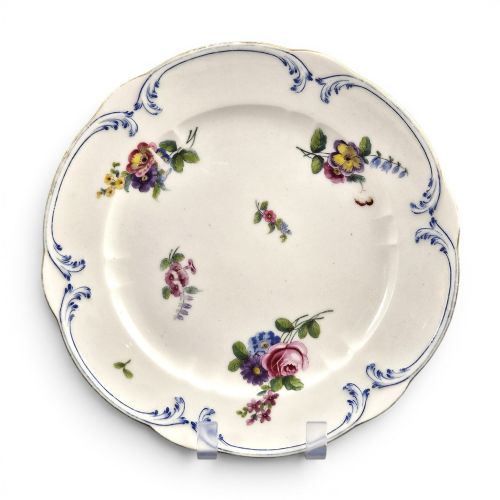
When you search for blue floral porcelain plates, you encounter examples ranging from eighteenth-century Chinese chargers to nineteenth-century Japanese Imari wares and English ironstone. These pieces include decorative chargers, cabinet plates, and serving dishes created for both formal dining and display.
You are most likely to meet Japanese Imari plates from the Meiji period alongside English Georgian and Victorian service pieces on this page. The forms span scalloped edge plates, hexagonal dishes, and large chargers bearing hand-painted or transfer-printed floral motifs.
How they were made
Potters shaped these items from porcelain, ceramic, or ironstone, applying cobalt underglaze pigments to achieve deep blue floral decoration. Many pieces incorporate enamel colours and gilding or gold leaf applied over the glaze.
Factories utilised techniques such as hand painting and blue and white transfer printing to pattern biscuit barrels, serving trays, and plates. Skilled artisans then fired these ceramic bodies in kilns to fix the glaze and surface enrichment.
Listings span from the 18th Century to the Victorian era, featuring materials such as porcelain, ceramic, and gold leaf.
What varies in quality
The standard of painting determines the appeal of blue floral porcelain plates, distinguishing hurried output from precise brushwork. Crisp cobalt underglaze tones and carefully applied gilding separate superior items from standard factory production.
Pottery bodies and edge profiling also vary, with scalloped or hexagonal forms requiring greater skill in shaping. Well-preserved enamel colours and clean glaze surfaces indicate better preservation and original craftsmanship.
Royal Crown Derby·Hicks & Meigh·John Davenport·New Hall·Copeland
The Blue Floral Porcelain Plates Glossary
- Imari
- A style of Japanese porcelain featuring blue, iron red, and gilt decoration. This palette originated in Arita and became widely exported to Europe.
- Cobalt Underglaze
- A blue pigment applied to ceramic pieces before glazing and firing. This mineral withstands high kiln temperatures without losing its colour.
- Ironstone
- A heavy, durable type of earthenware patented in the nineteenth century. It mimics porcelain while offering greater strength for daily service.
- Charger
- A large decorative plate used for presentation rather than eating. These items often hang on walls or sit as centrepieces on sideboards.
- Flow Blue
- A nineteenth-century transfer-printing technique where cobalt colour purposefully bleeds into the glaze. This creates a hazy, soft-edged blue effect on ceramic surfaces.
Blue Floral Porcelain Plates: Frequently Asked Questions
How do I clean antique porcelain plates?
Wash these items gently by hand in warm water using mild soap, avoiding harsh scrubbing or dishwashers.
Dry them immediately with a soft cloth to protect any delicate gilding or enamel decoration.
Can I use these plates for dining?
Most antique cabinet plates and chargers serve better as decorative display items due to their age and delicate glazes.
Sturdier ironstone or nineteenth-century service plates can handle light dining use if treated with care.
What is the difference between Imari and blue and white?
Traditional blue and white porcelain relies solely on cobalt pigment beneath a clear glaze.
Imari pieces add contrasting iron red and gold leaf over the glaze for a richer, multi-coloured palette.
How do I hang a decorative charger safely?
Utilise a coated wire plate hanger that grips the rim firmly without putting pressure on the ceramic body.
Ensure the wall fixing supports the full weight of the charger before leaving it unattended.