
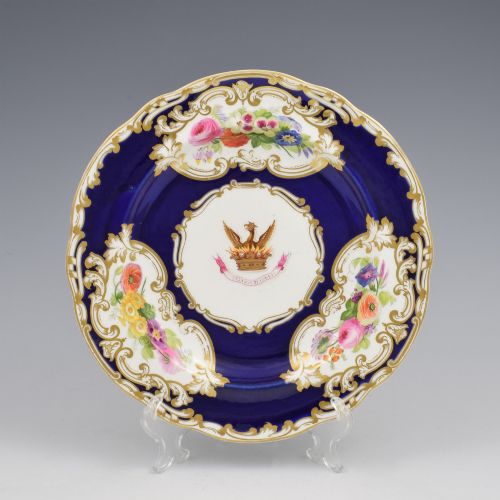


Blue Floral Cabinet
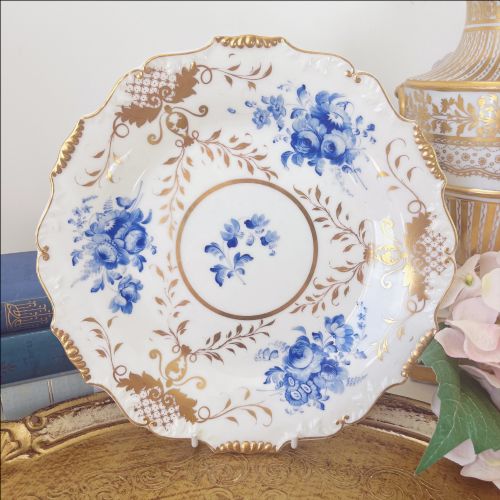
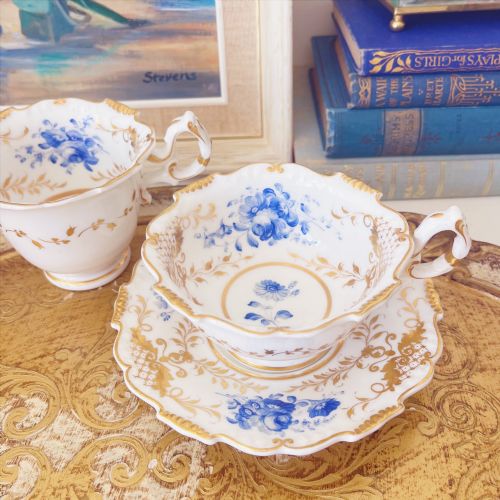
These pieces sold as a blue floral cabinet selection bring together hand-painted ceramics and occasional painted furniture spanning centuries of craftsmanship.
Blue Floral Cabinet
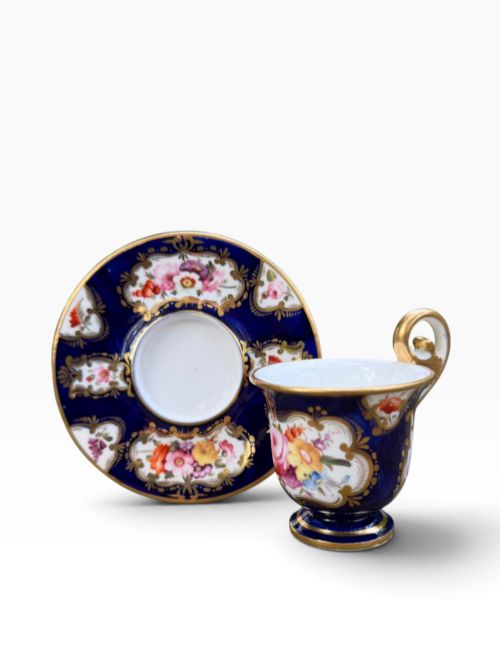
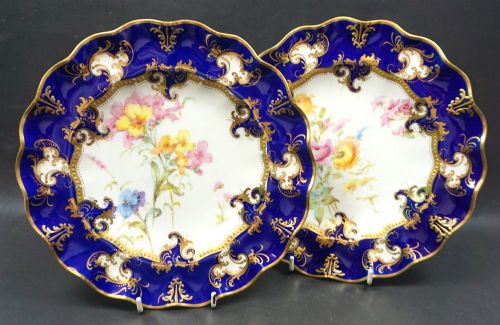
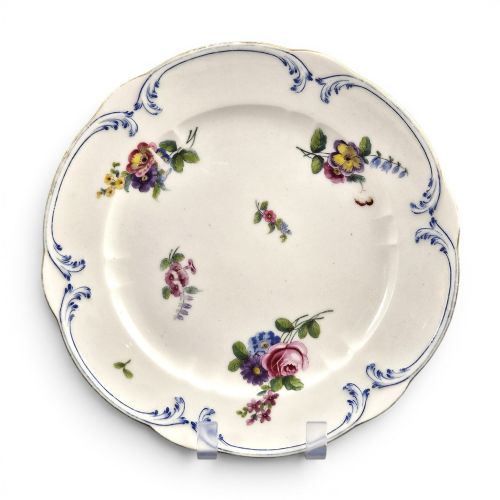
A blue floral cabinet selection primarily consists of antique porcelain plates, cups, and serving vessels alongside occasional wooden corner cabinets and painted armoires.
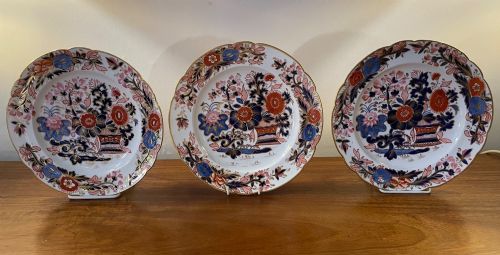
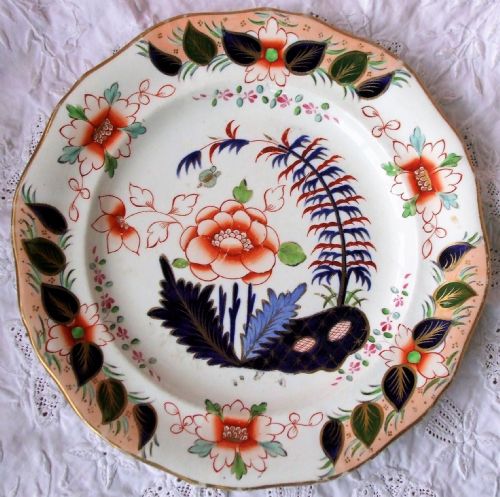
Buyers seeking this phrase encounter a heavy concentration of nineteenth-century English and Japanese Imari ceramics, alongside French porcelain and early twentieth-century decorative pieces.
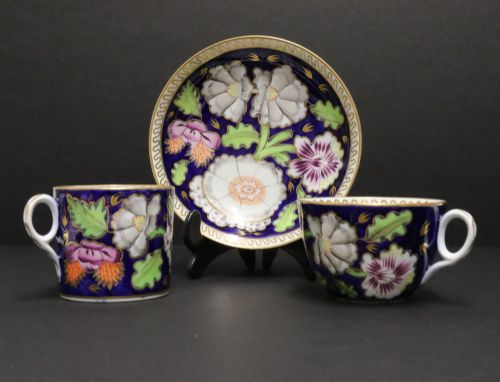
The ceramic items range from cabinet plates and teacup trios to botanical serving dishes, while the furniture offerings include mahogany corner cabinets and Italian painted pieces.
Materials and construction methods
Ceramic pieces utilise porcelain, bone china, ironstone, and stoneware bodies shaped into plates, cups, and dishes.
Decoration relies on hand-painted pigments, cobalt glaze, and applications of gold leaf, gilding, or gilt.
Wooden items employ mahogany and painted finishes to construct functional storage furniture such as corner cabinets.
Listings span periods from the eighteenth century through the 1940s, featuring porcelain, stoneware, mahogany, and gold leaf.
Distinctions in craftsmanship
Quality separates through the precision of hand-painted floral details and the crispness of cobalt underglaze work.
The application of gold leaf and tooled gilt distinguishes standard domestic wares from high-status cabinet pieces intended for display.
H & R Daniel·Newhall·Coalport·Royal Crown Derby·John Davenport·John Ridgway·Royal Doulton·Royal Worcester·Spode·Minton
The Blue Floral Cabinet Glossary
- Cabinet plate
- A decorative ceramic plate made primarily for display in a cabinet rather than for dining use. These often feature elaborate hand-painted floral motifs or armorial crests.
- Imari palette
- A traditional decorative style utilising underglaze blue, iron-red, and gilt highlights. Originating in Japan, this aesthetic heavily influenced European porcelain factories.
- Soft-paste porcelain
- An early ceramic composition fired at lower temperatures than hard-paste, producing a warm translucent body. It requires careful handling and displays characteristic glaze pooling.
- Armorial
- A ceramic design incorporating a family crest, coat of arms, or heraldic badge. These bespoke commissions record elite ownership.
- Gilt
- A thin layer of gold applied to the surface of porcelain or wood for decorative enrichment. It is often tooled or burnished to catch the light.
Blue Floral Cabinet: Frequently Asked Questions
What is a blue floral cabinet piece?
These items encompass decorative porcelain plates, cups, and dishes adorned with blue pigments and floral designs, alongside painted wooden cabinets.
They were collected for display in formal rooms rather than for daily domestic service.
How were these ceramics used historically?
Plates and cups were produced for refined dining, tea ceremonies, and decorative display within specialised collector cabinets.
Armorial and botanical designs allowed owners to showcase familial identity or scientific interests.
How do I date an antique porcelain plate?
Dating relies on factory backstamps, ceramic bodies such as soft-paste versus bone china, and characteristic painting styles.
Comparison with documented factory patterns from periods like the Regency or Victorian era provides precise decades.
Are painted wooden cabinets part of this group?
Selection data includes mahogany corner cabinets and painted furniture from Italy and Bohemia alongside ceramics.
These pieces share a focus on decorative surface treatment and period craftsmanship.