


Blue Enamel Plate
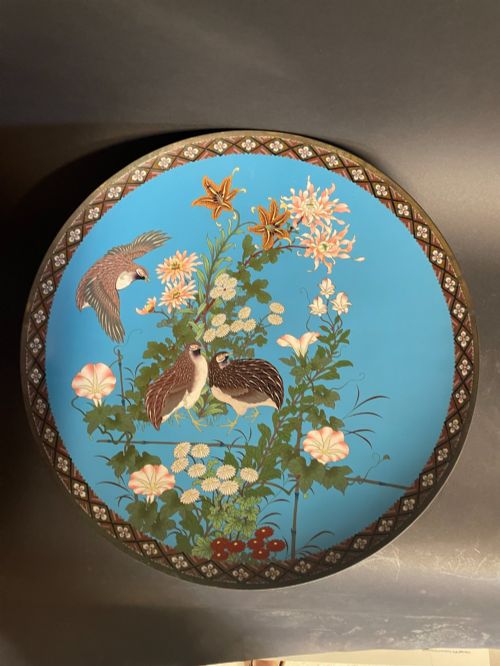
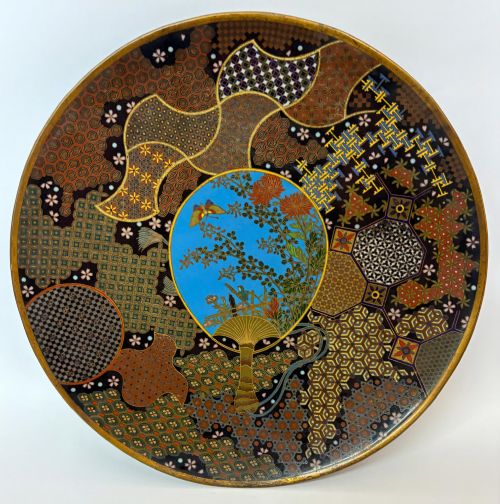
When a blue enamel plate comes to hand, it brings the tactile weight of copper, porcelain, and fine cloisonne wires from the eighteenth century to the art deco period.
Blue Enamel Plate
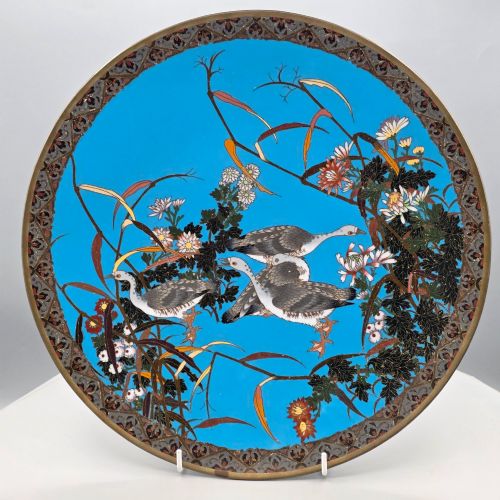
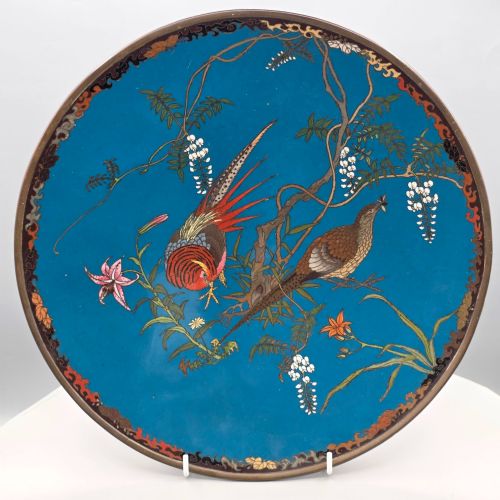
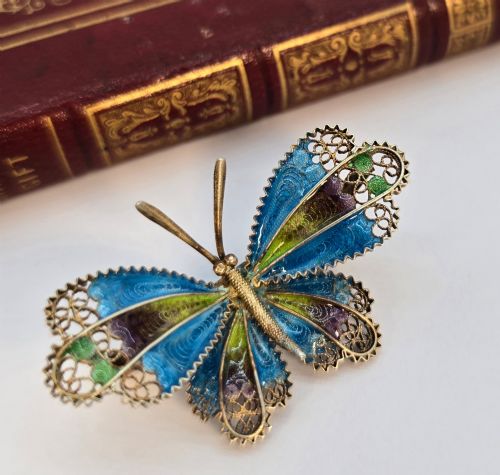
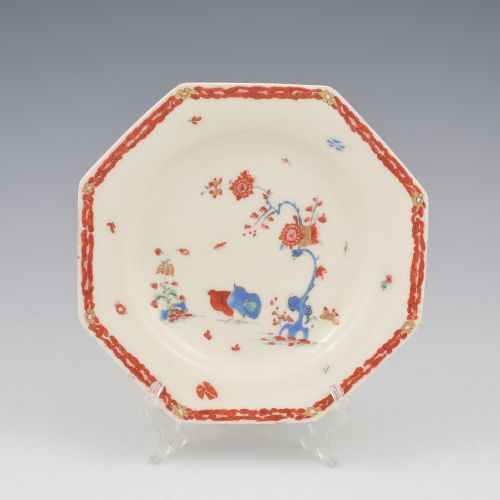
A blue enamel plate encompasses a diverse array of decorative chargers, dishes, trays, and porcelain tablewares spanning the eighteenth, nineteenth, and early twentieth centuries. The primary items encountered on this page are Japanese cloisonne chargers and plates from the Meiji and Edo periods, alongside eighteenth-century European porcelain and twentieth-century silver-gilt brooches or compacts.
Makers and workshops across Japan and Europe utilised vivid blue ground enamels to accentuate naturalistic scenes of birds, dragons, koi, and geometric motifs. These objects served as decorative wall plaques, display chargers, and occasional domestic furnishings rather than standard dining ware.
The material vocabulary ranges from traditional copper bases fitted with brass wire to porcelain bodies and silver gilt mounts. Buyers find everything from small dishes to massive chargers measuring up to fifty centimetres across.
How they were made
Cloisonne pieces start with a copper or brass body onto which thin metal wires are soldered to outline intricate motifs such as dragons, flowers, and landscapes. Artisans then fill the resulting cells with coloured enamel pastes before firing the piece in a kiln and polishing the surface to a smooth finish.
Porcelain examples rely on high-temperature ceramic firing combined with underglaze or overglaze polychrome enamels. Metal items frequently incorporate applied silver gilt or brass wire elements to anchor the enamel fields securely.
Listings span multiple centuries, moving from eighteenth-century porcelain and Qing dynasty plaques to late nineteenth-century Japanese copper cloisonne.
What varies in quality
Quality rests in the precision of the wirework and the depth of the blue enamel ground. Superior examples display microscopic cell work, perfectly even polishing without pitting, and highly detailed pictorial compositions such as leaping koi or distinct avian figures.
Secondary pieces show simpler repeating patterns, thicker or uneven wire boundaries, and minor surface imperfections from the kiln firing process. The ambition of the scale, particularly in fifty-centimetre chargers, also separates standard production from masterwork output.
Kinkozan·Evans·Minton·Bow·Mason
The Blue Enamel Plate Glossary
- Cloisonne Enamel
- A technique where metal wires form raised barriers on a metal base to hold vitreous enamel pastes before firing. This method allows for complex pictorial designs in vivid colours.
- Charger
- A large decorative plate intended for display on a wall or sideboard rather than practical dining use. These pieces often feature the most elaborate imagery.
- Meiji Period
- A Japanese historical era spanning from 1868 to 1912 noted for exceptional technical refinement in metalwork and cloisonne. Pieces from this time frequently depict birds, flowers, and historical figures.
- Silver Gilt
- Silver that has been coated with a thin layer of gold on its surface. It provides a warm metallic contrast to blue enamel in smaller items like brooches.
- Kakiemon
- An asymmetric style of Japanese enamel decoration applied to porcelain bodies. It uses a specific palette including soft blues and iron reds.
Blue Enamel Plate: Frequently Asked Questions
How do I hang a large charger?
Displaying a large charger safely requires a specialist wall bracket with coated prongs that grip the rim without scratching the metal or enamel body.
Weight distribution is critical, so the fixing must anchor directly into solid wall studs or masonry rather than plaster alone.
Are these plates meant for food?
Most items listed under this category are decorative chargers or display plaques intended for visual appreciation rather than culinary service.
Edo and Meiji cloisonne pieces contain metal wires and composition fills that are unsuited to acidic foods and daily washing.
How do I clean blue enamel?
Cleaning requires only a soft, dry microfibre cloth to remove dust from the recessed wire cells and smooth enamel surfaces.
Moisture and chemical polishes can damage exposed copper bases or tarnish silver gilt mounts, so liquids should be strictly avoided.
How do I date a cloisonne plate?
Dating relies on observing the thickness of the wire, the composition of the metal base, and the specific shade of the blue enamel ground.
Earlier pieces from the mid-nineteenth century often display heavier wirework and deeper, less uniform enamel tones compared to later Meiji production.