

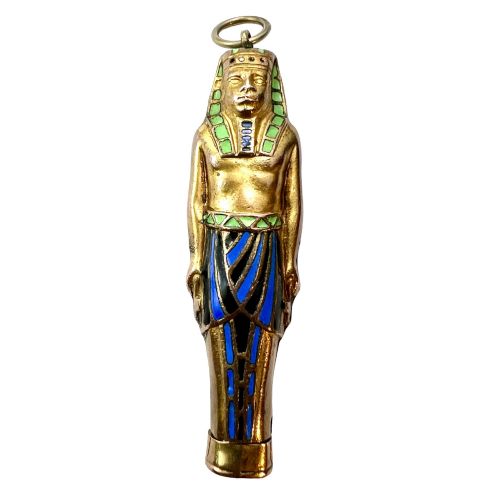


Blue Enamel Pendant
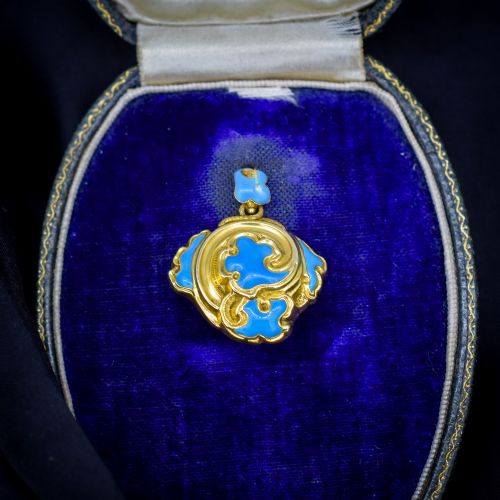
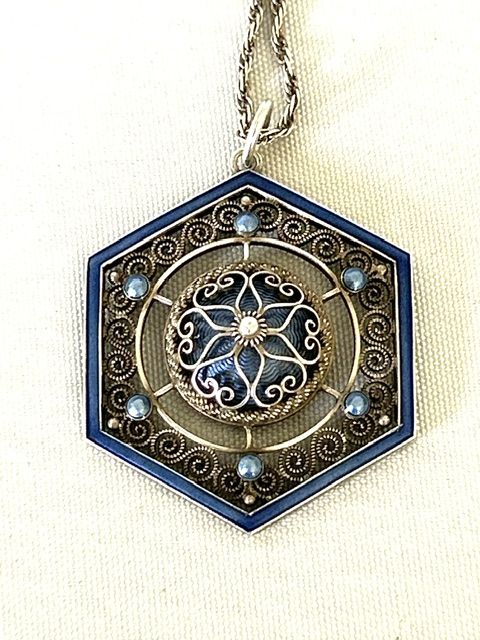
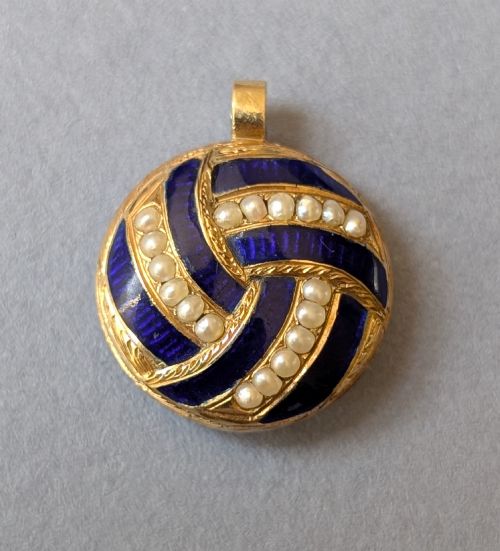
A blue enamel pendant brings together the rich vitrified depth of coloured glass and the enduring structure of gold or silver.
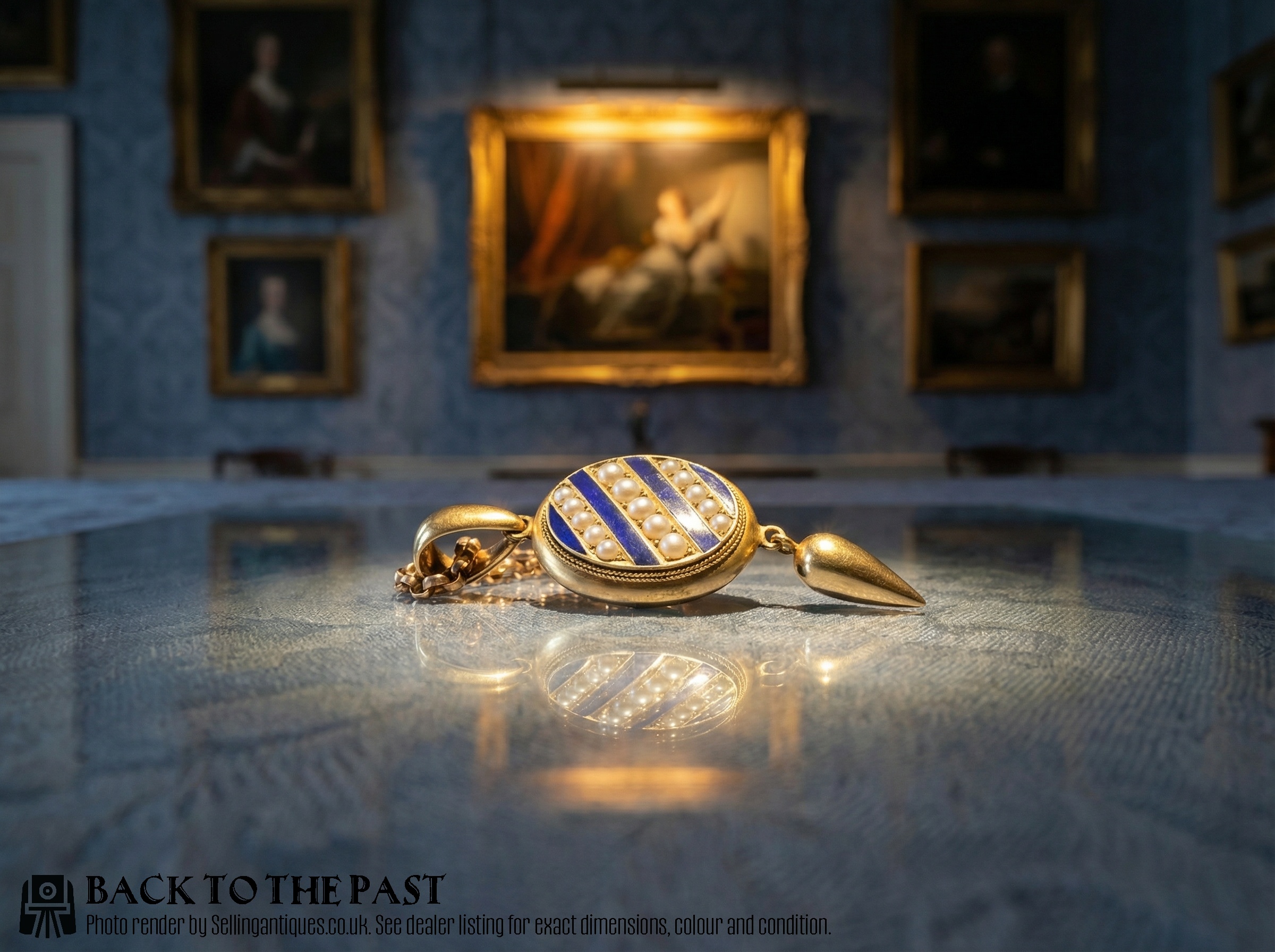
Blue Enamel Pendant
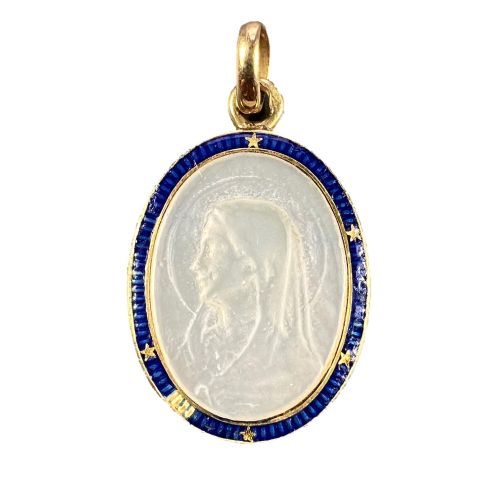
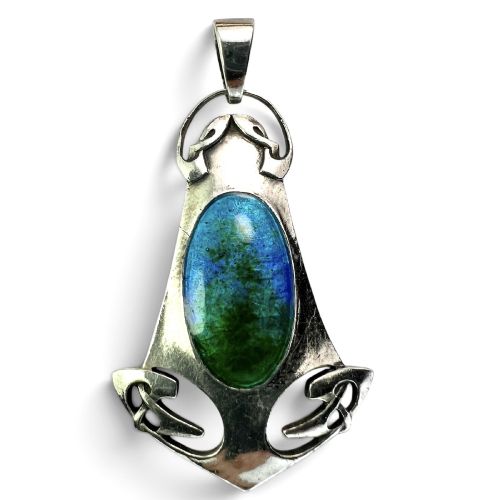
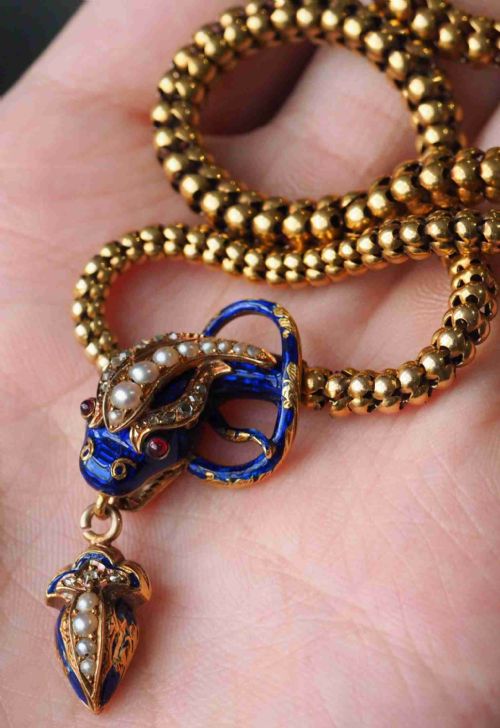
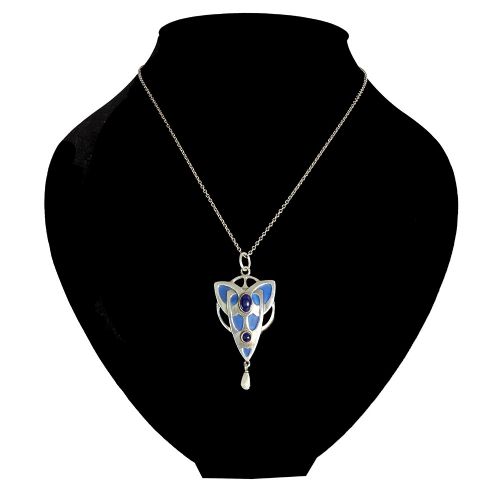
A blue enamel pendant is a suspended decorative piece featuring vitreous glass fused to metal, often accompanied by pearls, diamonds, or gold chains. When searching for a blue enamel pendant, collectors encounter Victorian mourning lockets, Edwardian floral designs, and geometric Art Deco pieces.
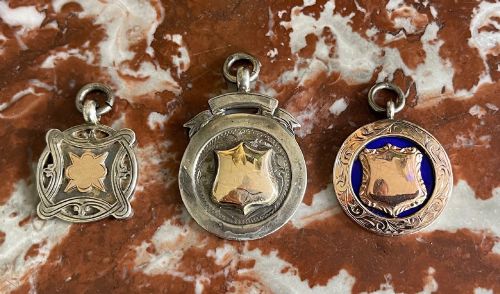
The selection ranges from British Arts and Crafts silver work to French plique-à-jour medals and Scandinavian guilloche pieces. Most examples discovered on this page date from the nineteenth and early twentieth centuries, spanning the Victorian, Edwardian, and Art Deco periods.
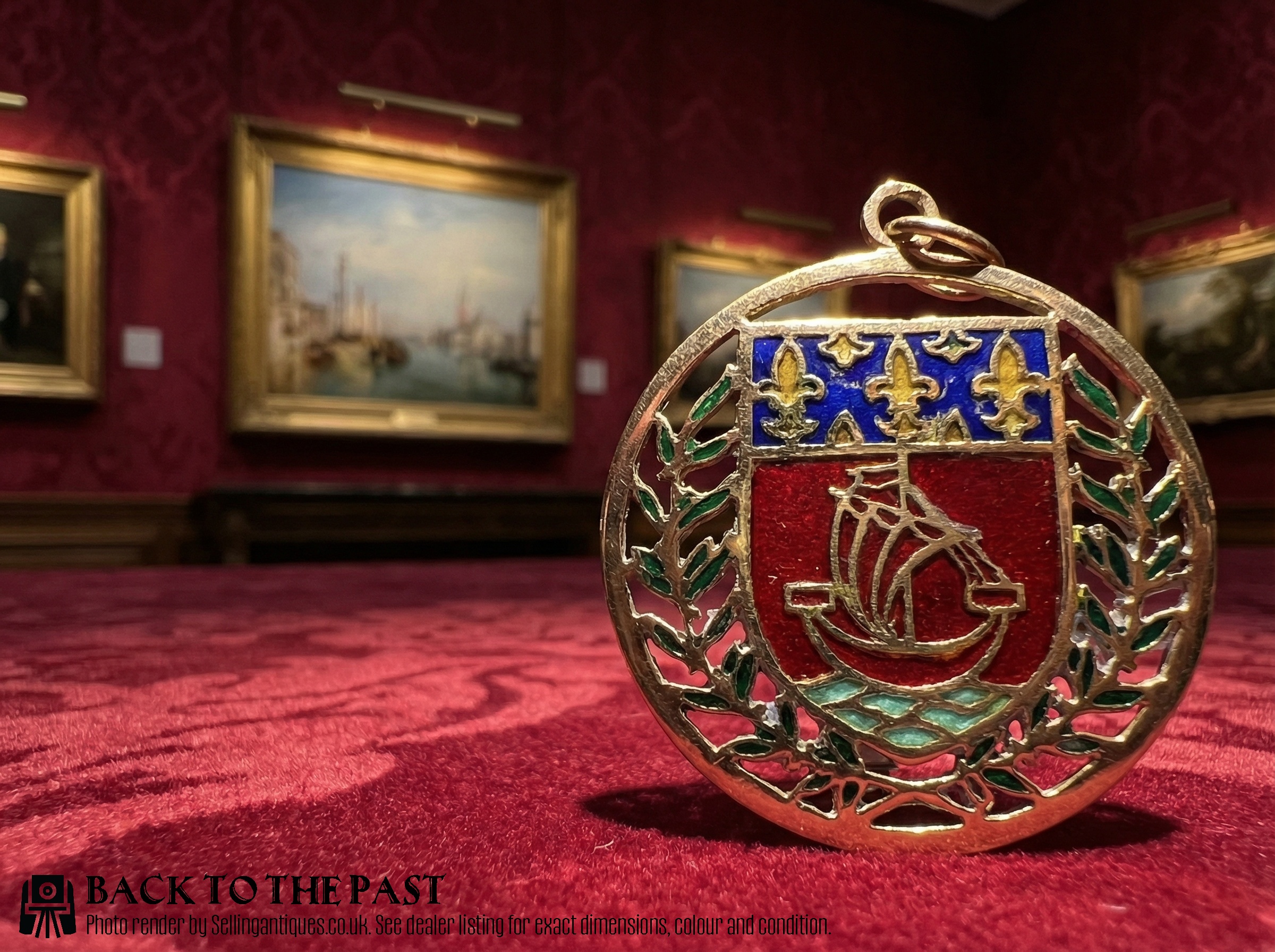
Materials and construction methods
Goldsmiths and silversmiths utilised sterling silver, 9ct, 15ct, and 18ct gold as the foundational chassis for these jewels. Vitreous enamel was applied as a powder and fired in a kiln to create a hard, glossy coloured surface.
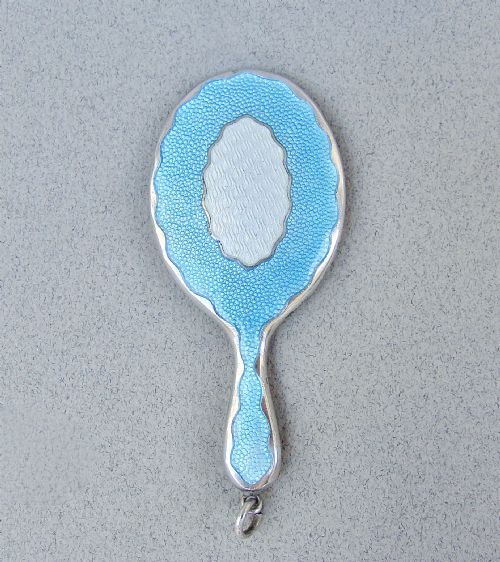
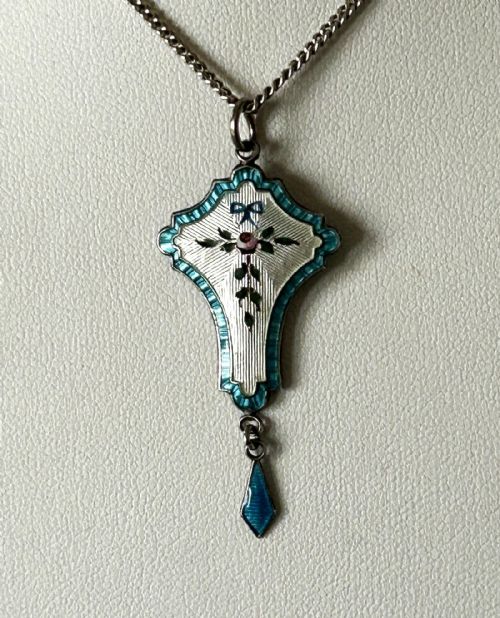
Techniques such as guilloche involved machining geometric patterns into the underlying metal before applying translucent enamel, whilst plique-à-jour created a stained-glass effect without a solid backing metal.
Blue Enamel Pendant Retail Price Guide 2026
Typical asking prices for blue enamel pendant among the pieces listed under this phrase on Sellingantiques today, from the lower quarter to the upper quarter. They describe what is for sale here now, not the wider market.
Some lockets conceal miniature compartments designed for locks of hair, secret painted portraits, or tiny pressed floral mementos.
Assessing craftsmanship and condition
Quality rests upon the precision of the metalwork and the stability of the enamel surface. Master workshops achieved smooth, even colour application without bubbles or shrinkage around the retaining bezels.
The inclusion of hand-set gemstones like rose-cut diamonds, seed pearls, or garnets alongside finely detailed maker marks elevates the standing of a piece within its period.
Marius Hammer·Archibald Knox·Murrle Bennett·Charles Horner·Henry Williamson·Henry Matthews·David Andersen·Wilhelm Fuhner
The Blue Enamel Pendant Glossary
- Guilloche
- An ornamental technique in which a precise, intricate pattern is mechanically engraved into a metal surface prior to the application of translucent enamel.
- Plique-à-jour
- An enamelling technique where the enamel is applied within a wire framework without a backing, allowing light to shine through the transparent coloured glass.
- Vitreous enamel
- A material made by fusing powdered glass to a substrate by firing, producing a durable and glossy decorative coating.
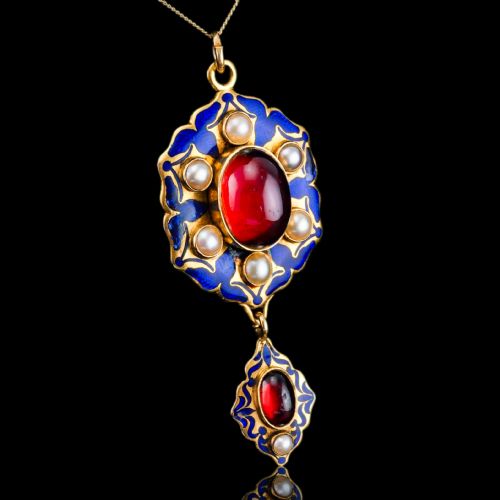
- Holbeinesque
- A Victorian revival style of jewellery drawing inspiration from sixteenth-century portraits, typically featuring heavy settings, enamel, and dangling pearl drops.
Blue Enamel Pendant: Frequently Asked Questions
What periods are these pendants from?
The pieces span the nineteenth and early twentieth centuries, encompassing Victorian, Edwardian, and Art Deco eras.
Craftsmanship shifted from romantic mourning lockets and revivalist styles towards stylised modernist geometry as the decades progressed.
How do I care for antique enamel?
Enamel is essentially glass and requires gentle handling to prevent chipping or scratching against harder metals.
Store pieces separately in soft pouches and avoid ultrasonic cleaners or harsh chemical dips.
What is guilloche enamel?
Guilloche is an enamelling method where an engine-turned metal background shines through transparent coloured glass.
This technique creates shimmering wave or sunburst patterns beneath the smooth surface.
Are chains usually original?
Many pendants were originally sold independently or paired with specific matching neckchains by the maker.
Surviving original chains often bear matching hallmarks or corroborating period metal purity marks.