





Blue Enamel Dish
When you search for a blue enamel dish, you uncover a global array of metalwork and ceramics spanning several centuries.
Blue Enamel Dish
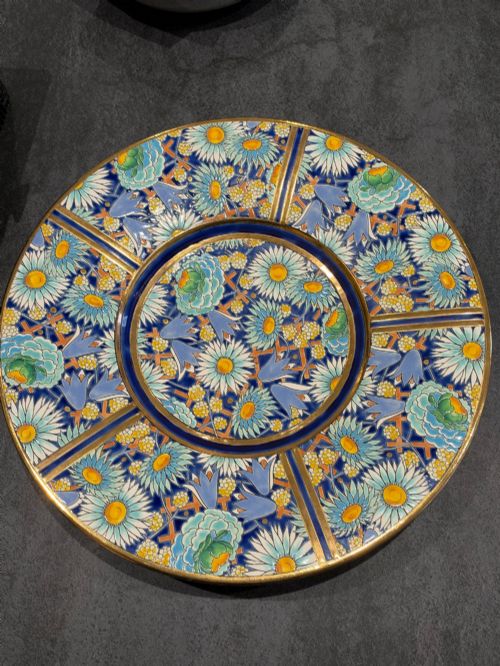
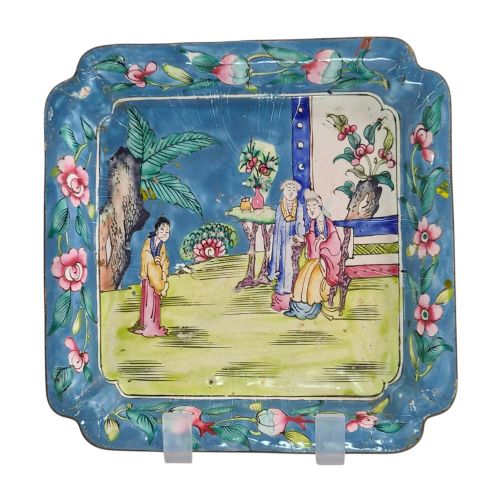
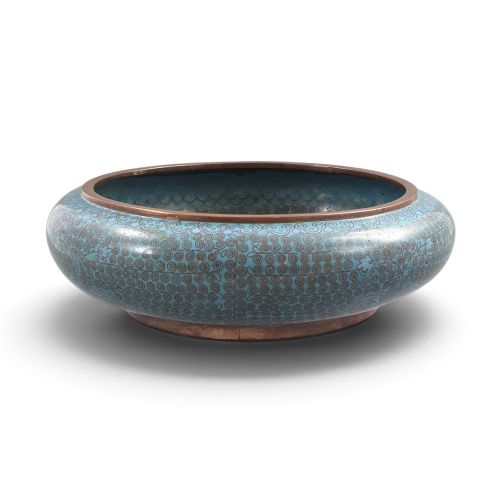
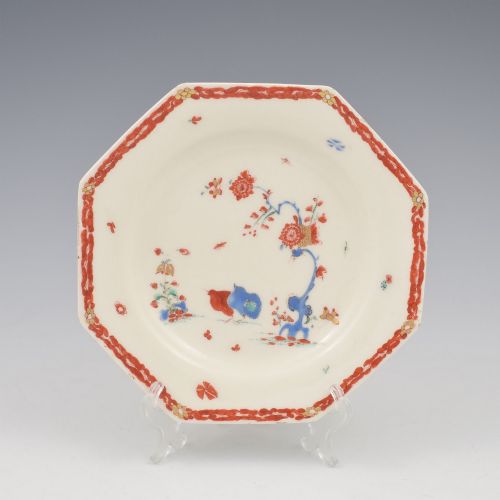
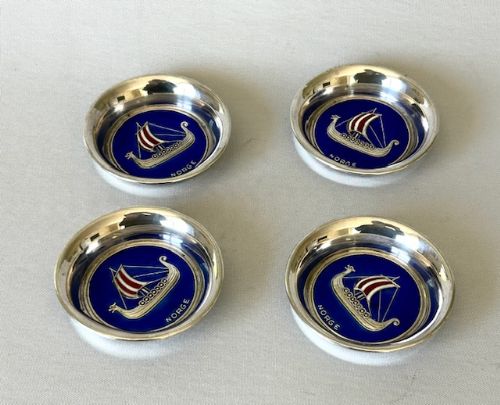
A blue enamel dish encompasses a diverse range of vessels, from large chargers and decorative bowls to smaller trinket trays and boxes. The examples found here span multiple periods, reaching from the seventeenth century through to the art deco era.
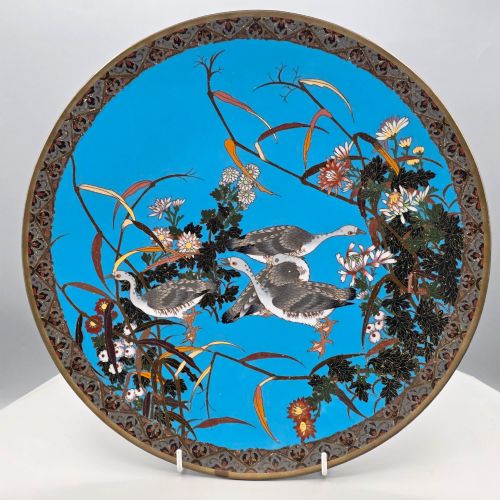
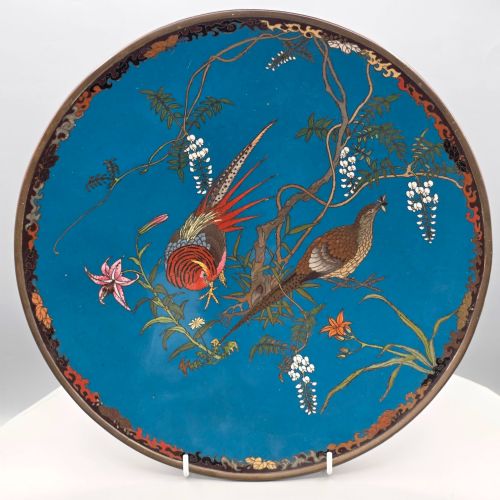
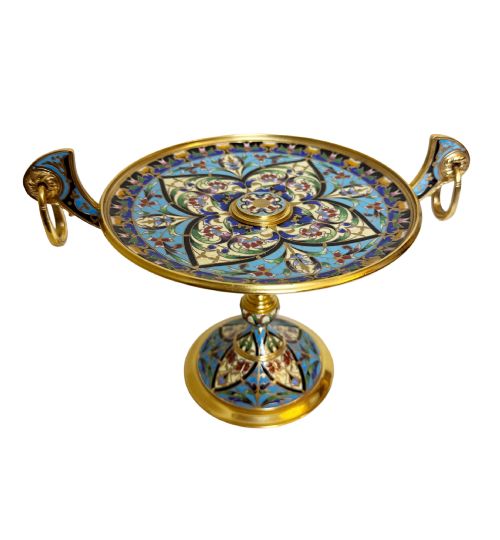
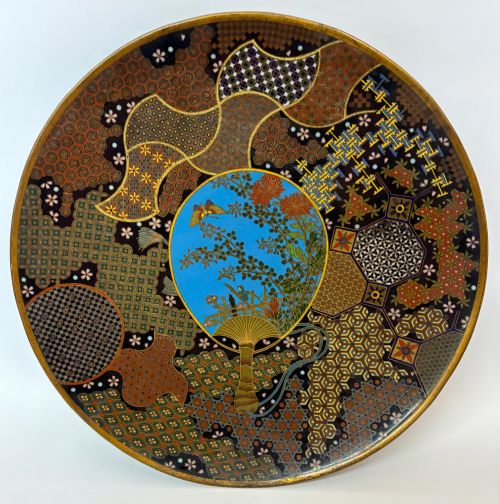
Many of the items originate from Japanese workshops of the Meiji and late Edo periods, showcasing elaborate motifs of birds, dragons, and landscapes. Others draw upon European traditions, including French gilt bronze mounted pieces and English Arts and Crafts silver work.
Materials and Technique
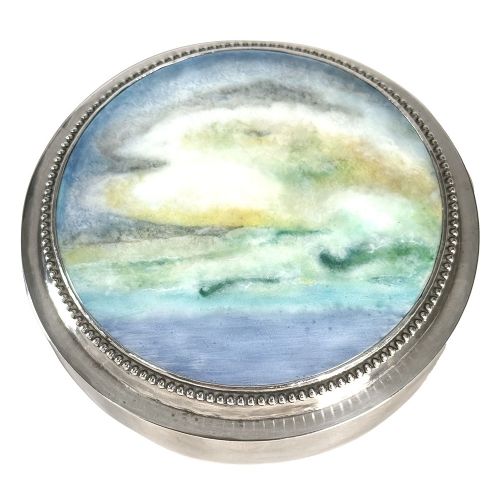
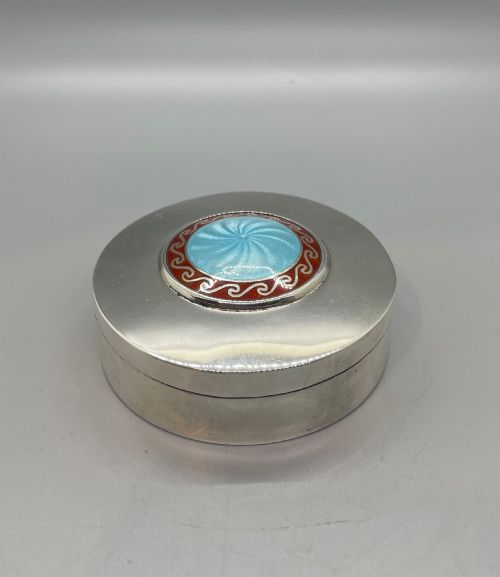
Makers utilised a foundation of copper, bronze, or brass for metal pieces, often applying cloisonne techniques where thin wire cells outline the detailed imagery before glass paste is fused by heat. Other items rely upon porcelain or cut glass substrates paired with silver mounts and painted or guilloche enamel.
The vitreous enamels produce deep cobalt and turquoise shades that contrast against metallic boundaries or ceramic bodies. Gilding and gold leaf occasionally accent the rims and structural mounts.
Blue Enamel Dish Retail Price Guide 2026
Typical asking prices for blue enamel dish among the pieces listed under this phrase on Sellingantiques today, from the lower quarter to the upper quarter. They describe what is for sale here now, not the wider market.
Materials span copper, brass, sterling silver, and porcelain, showcasing both Asian export traditions and European decorative arts.
Assessing Workmanship
Quality rests upon the precision of the metal wires in cloisonne work and the depth and clarity of the vitreous enamel surface. Superior pieces maintain smooth, polished expanses free from excessive pitting or cloudiness.
The artistic execution of hand-painted motifs or naturalistic scenes, such as flowing koi or complex dragons, separates standard production items from master-level works bearing signature panels.
Guild of Handicrafts·Kinkozan
The Blue Enamel Dish Glossary
- Cloisonne enamel
- A technique where flat metal wires are soldered to a base to form compartments filled with enamel paste and fired. This method creates intricate stained-glass patterns on solid metal grounds.
- Champleve enamel
- A process where troughs or cells are hollowed directly out of a heavy metal plate and filled with vitreous enamel. The remaining exposed metal forms the raised outlines of the design.
- Guilloche enamel
- Translucent enamel laid over a metal surface that has been mechanically engraved with a precise repeating geometric pattern. The underlying engraving shows clearly through the glossy coloured glass.
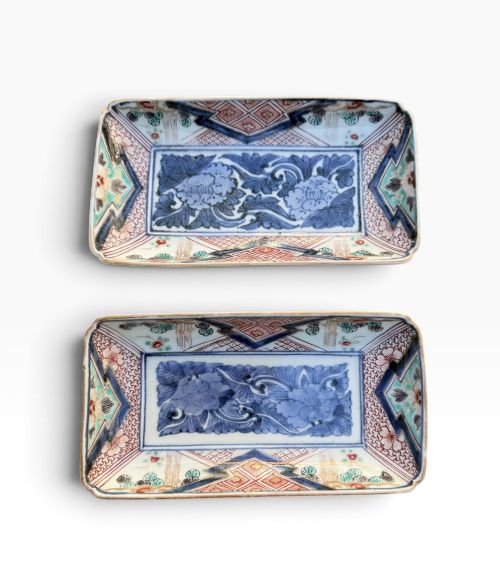
- Imari porcelain
- A style of Japanese export porcelain decorated in underglaze blue, iron red, and gold. These wares were widely produced for international trade from the Edo period onwards.
- Charger
- A large ornamental plate or dish intended for display on a wall or sideboard rather than for serving food. These pieces frequently feature complex pictorial scenes.
Blue Enamel Dish: Frequently Asked Questions
How do I care for an antique blue enamel dish?
Keep these items away from direct sunlight and harsh cleaning agents to protect the delicate glass surface and metal mounts. Dust them gently with a soft, dry cloth.
Avoid submerging pieces that combine metal and enamel in water, particularly older items with exposed copper or silver components.
What is the difference between Japanese and European enamel work?
Japanese production from the Meiji period typically utilises fine brass wire on a copper foundation, focusing on naturalistic motifs like birds, flowers, and dragons. European versions often employ cast bronze or precious metals with champleve or guilloche decoration.
European examples frequently align with specific revival styles or periods such as Art Deco and the Arts and Crafts movement.
Can I use these dishes for serving food?
Most antique decorative dishes and chargers are intended strictly for display due to their age and the delicate nature of the enamel. Older mineral pigments and metal compositions may also react poorly with certain foods.
It is best to treat them as ornamental works of art rather than functional tableware.
How can I tell the period of a cloisonne dish?
Examine the wirework, the thickness of the metal base, and the specific tones of the blue enamel. Earlier pieces from the Edo period often display heavier construction and distinct colour palettes compared to later Meiji output.
Signatures or workshop stamps on the base can also provide a clearer indication of the exact era of creation.