


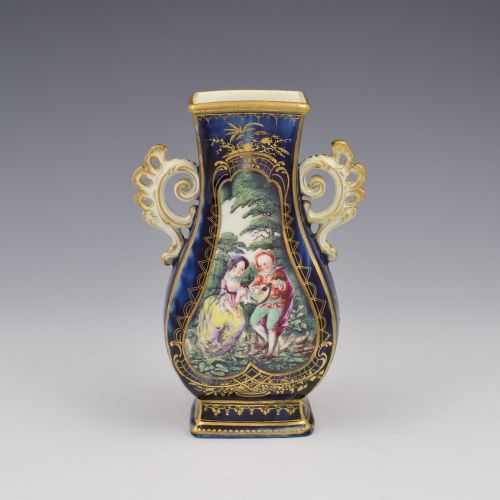
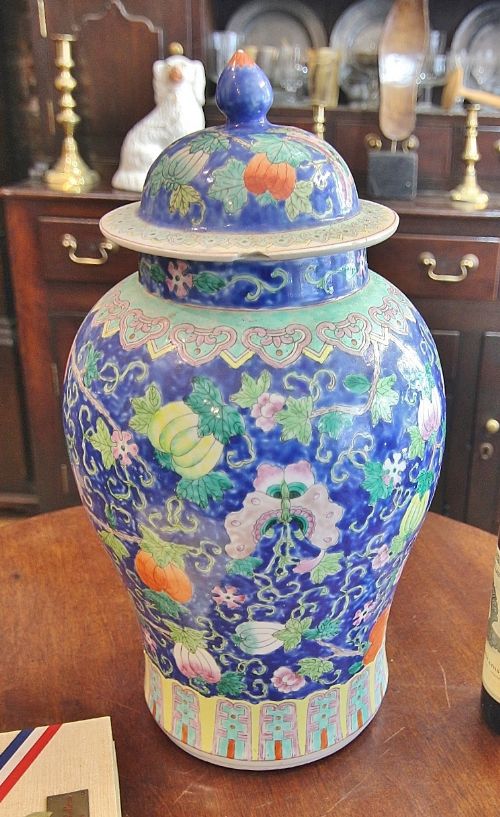


Blue Enamel Ceramic Vase
A blue enamel ceramic vase offers deep cobalt glazes and hand-painted polychrome decoration across earthenware, porcelain, and stoneware bodies.
Blue Enamel Ceramic Vase
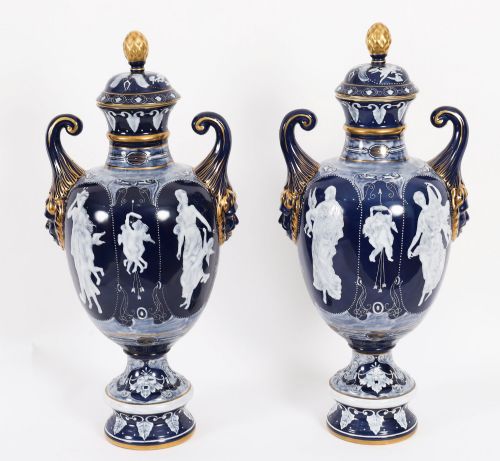
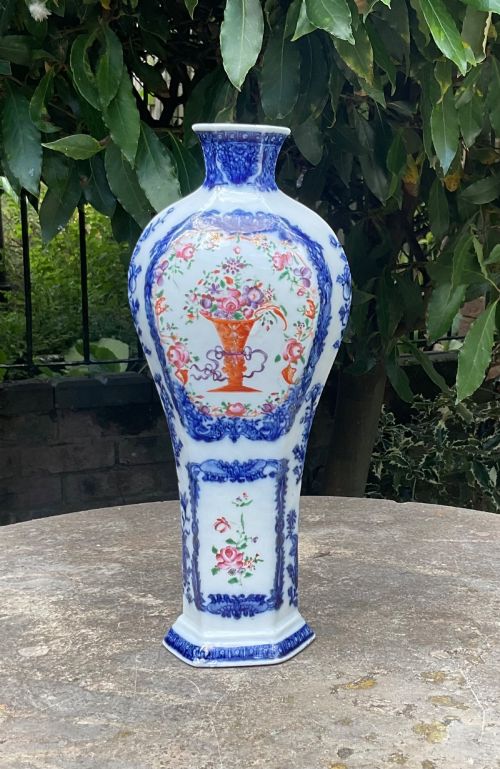
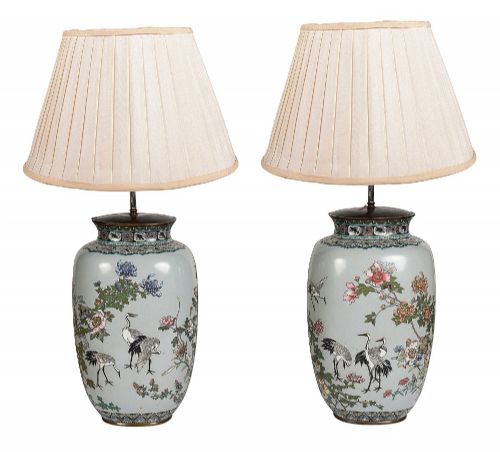
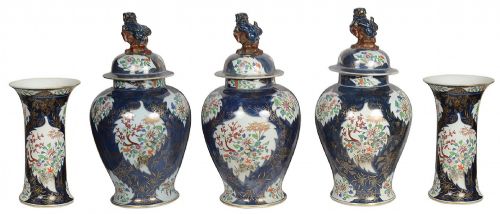
When searching for a blue enamel ceramic vase, collectors encounter a diverse range of forms spanning centuries of international production. The pieces represented here extend from eighteenth-century English porcelain and Chinese export wares to nineteenth-century Japanese Satsuma ceramics and twentieth-century stoneware.
Vessels and jars dominate the selection alongside converted table lamps and garniture sets. Japanese Satsuma and Meiji period cloisonné examples frequently feature cobalt grounds enriched with raised moriage figures and heavy gilding.
European factories contribute significantly to the variety through English porcelain and French faience. Pieces range from small cabinet jars to large decorative urns dating across the seventeenth, eighteenth, nineteenth, and twentieth centuries.
How they were made
Potters shaped these vessels from foundational ceramic materials including earthenware, stoneware, and fine porcelain before applying liquid glazes and enamels. Artisans then fired the pieces in kilns to fuse the vitreous coatings permanently to the clay body.
Many items incorporate supplementary decorative techniques alongside base ceramic glazes. Skilled hands applied gold leaf, raised moriage paste, and metallic enamels to create intricate surface patterns and pictorial scenes.
Blue Enamel Ceramic Vase Retail Price Guide 2026
Typical asking prices for blue enamel ceramic vase among the pieces listed under this phrase on Sellingantiques today, from the lower quarter to the upper quarter. They describe what is for sale here now, not the wider market.
Buddhistic lions peer out from fifteenth-century palettes while parrots guard twentieth-century pottery.
What varies in quality
Quality reveals itself in the precision of the hand-painted enamelling and the crispness of the gilt detailing across the ceramic body. Superior examples demonstrate exceptional control over cobalt grounds and complex figurative or floral compositions.
The sophistication of the underlying ceramic form and the reputation of the producing factory or studio influence the overall standing of an individual piece. Potteries utilising advanced glazing techniques and skilled artistic hands achieve greater depth and durability in their finishes.
Chelsea Porcelain·Minton·Royal Doulton·Wedgewood·Jules Vieillard
The Blue Enamel Ceramic Vase Glossary
- Moriage
- A Japanese decorating technique where slip is piped onto the ceramic surface to create raised designs before firing and painting. This method adds a tactile, three-dimensional quality to floral and figurative panels.
- Cloisonné
- An ancient metalworking technique adapted for ceramic and metallic vessels where thin wires form compartments to hold coloured enamel pastes. Subsequent firing melts the glass powders into smooth, vibrant surface decorations.
- Famille Rose
- A palette of opaque enamel colours introduced in Chinese porcelain during the eighteenth century, dominated by shades of pink. The style allows for subtle tonal gradations in painted floral and court scenes.
- Faience
- European tin-glazed earthenware produced across various periods, known for its absorbent clay body and smooth opaque white or coloured glaze. Artisans painted directly onto the unfired glaze surface.
- Garniture
- A set of three or more matching vases and jars designed to be displayed together on a mantelpiece or cabinet. These matched groupings became popular in European interiors influenced by Asian trade porcelain.
Blue Enamel Ceramic Vase: Frequently Asked Questions
How do I date a blue enamel ceramic vase?
Dating relies on examining the characteristics of the ceramic body, glaze formulation, and any factory marks stamped or painted on the base. Stylistic cues such as Meiji period motifs or eighteenth-century palette choices also help narrow the period.
Comparing the manufacturing technique and wear patterns with documented examples from similar kilns provides further chronological context.
Were these vases used for flowers?
Many vessels served primarily as decorative garniture items or cabinet pieces rather than functional flower holders. Their delicate enamel work and gilt surfaces meant they were often displayed empty in formal reception rooms.
Larger stoneware and earthenware jars, however, were sturdy enough for practical domestic arrangements.
What is the difference between enamel and glaze?
Glaze is a vitreous coating fused to the entire ceramic body during high-temperature kiln firing to seal the porous clay. Enamel consists of low-melting glass colours applied over a previously fired glaze and fixed at a gentler heat.
This secondary firing allows for rich polychrome details that would otherwise burn away in primary kiln temperatures.
How should I care for antique ceramic vases?
Maintenance requires gentle dusting with a soft, dry brush to protect fragile surface gilding and raised enamel details. Avoid using water, abrasive cloths, or chemical cleaning solutions that might damage older glaze surfaces.
Display the pieces away from direct sunlight and dramatic temperature fluctuations to preserve the stability of the ceramic body.