

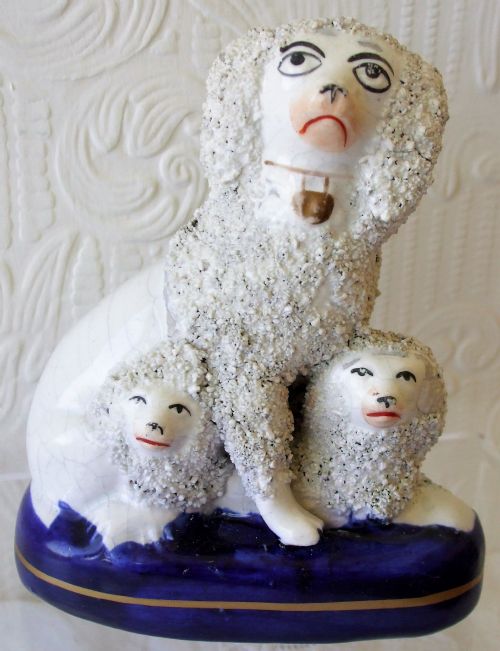


Blue Earthenware Figurine
These blue earthenware figurine pieces capture character in ceramic form, offering tactile connections to past lives through painted glazes and modelled clay.
Blue Earthenware Figurine
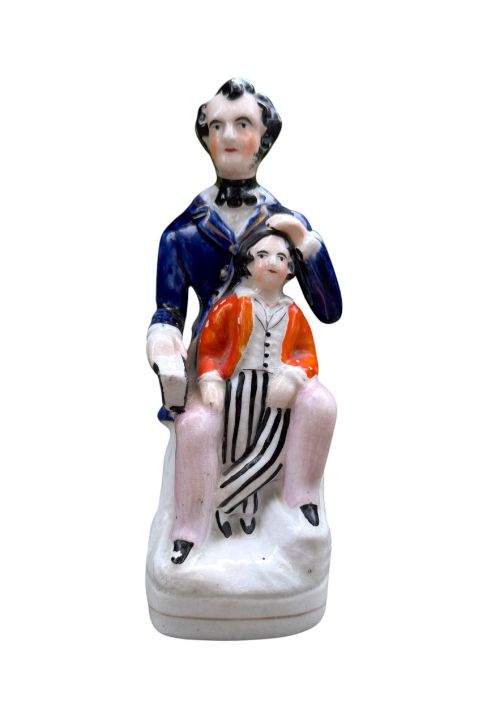
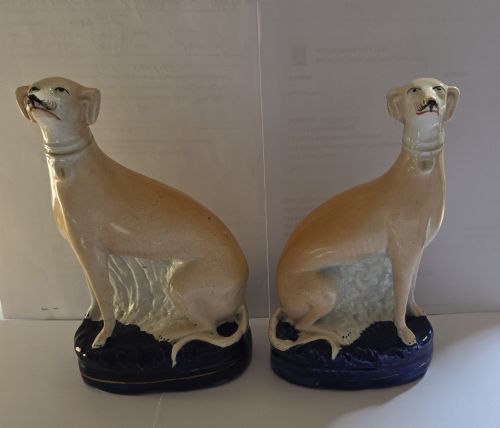
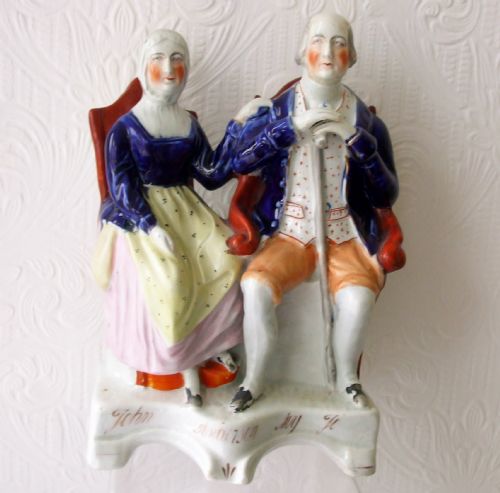
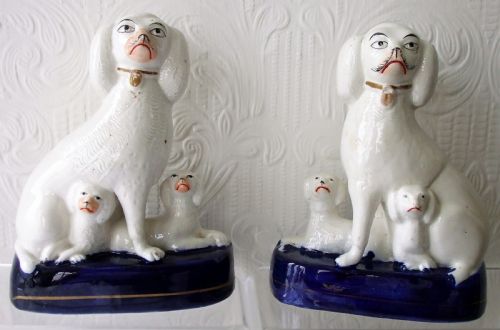
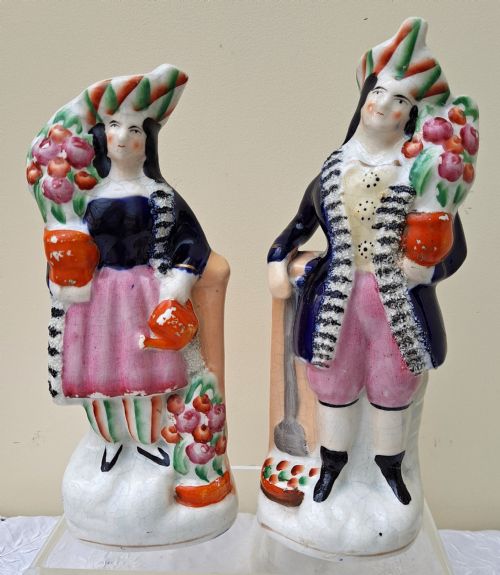
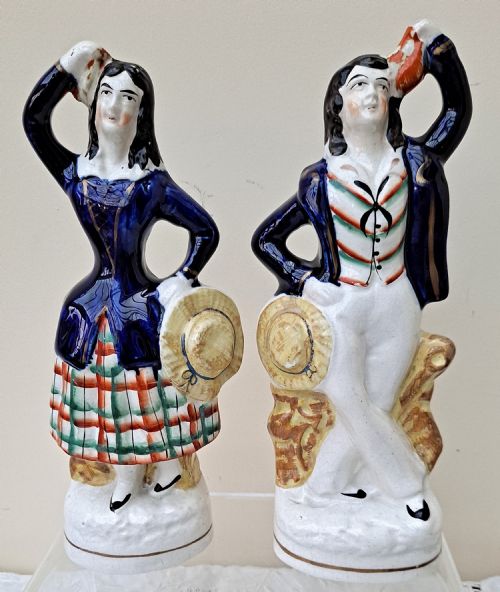
A blue earthenware figurine represents a distinct branch of ceramic art, covering domestic animals, portrait subjects and theatrical groups. Most examples stem from the nineteenth century, created by Staffordshire potteries and Dutch delftware makers to adorn mantelpieces.
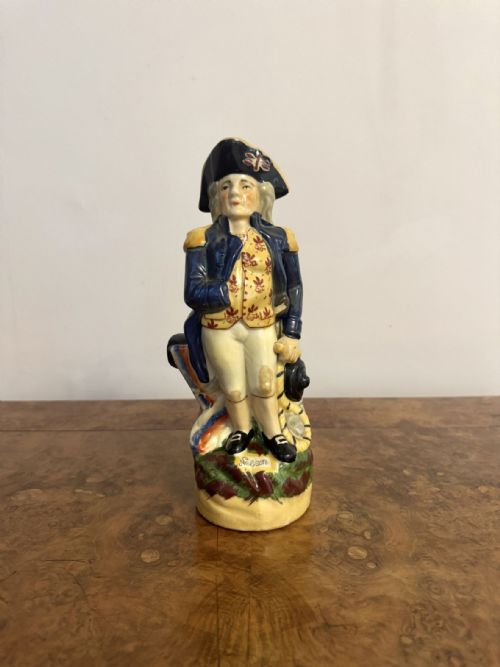
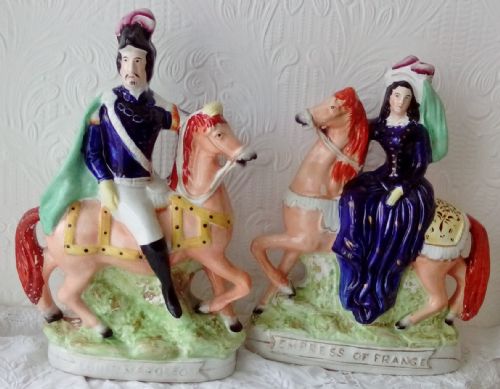
Buyers encounter subjects ranging from seated whippets and poodles to royal portraits and literary figures. These pieces capture popular culture, politics and everyday life of the Victorian era and earlier periods.
Forms include flatback ornaments designed to stand against a wall, spill vases and whimsical toby jugs. Their presence brings a touch of folk art history into contemporary rooms.
Creation and Materials
Potters shaped these objects using earthenware clay, applying lead glazes and enamel paint to achieve glossy surfaces and vibrant colour accents. Some examples integrate gold leaf or gilt details to highlight royal clothing and decorative elements.
Makers utilised slip casting and pressing techniques in moulds, followed by high-temperature firing in kilns. Artisans painted fine details by hand, meaning each object bears unique brushwork and individual character.
Listings feature earthenware, glaze, enamel paint and gold leaf applied across nineteenth-century Victorian forms.
Assessing the Pieces
The sophistication of the modelling separates standard decorative items from superior sculptural works. Pieces that retain their original matched pairings or delicate applied details command greater attention from collectors.
The Blue Earthenware Figurine Glossary
- Earthenware
- A porous pottery body fired at lower temperatures, requiring a glaze to achieve impermeability. It forms the base material for the majority of these figures.
- Flatback
- A style of figure where the rear remains unpainted and flat because the object was designed to stand against a wall on a mantelpiece.
- Spill vase
- A hollow ceramic tube incorporated into a figure's design, intended to hold wooden spill sticks used for lighting candles and fires.
- Toby jug
- A pottery jug modelled as a seated, full-length figure, typically depicting a robust character holding a mug and a jug of beer.
- Enamel
- Opaque glass-like paint applied over a fired glaze and heated again to fuse it permanently to the ceramic surface.
Blue Earthenware Figurine: Frequently Asked Questions
Where were these figures made?
The majority originate from Staffordshire potteries in England, alongside examples from Dutch delftware workshops and other European centres.
Potters created them to supply a growing domestic market for decorative mantelpiece ornaments and portrait ceramics.
How do I care for my figure?
Dust the ceramic surface gently with a soft, dry brush to prevent dirt accumulation in crevices and painted areas.
Keep pieces away from direct sunlight to protect enamel paint and avoid using water or chemical cleaners on antique glazes.
What is a flatback figure?
A flatback is an ornament modelled with detail only on the front and sides, leaving the back flat.
Potters designed them this way because they were meant to sit neatly against cottage or parlour walls.
Are these figures painted by hand?
Many examples feature hand-applied enamel paint over the glazed earthenware base, executed by factory decorators.
This hand application means subtle variations exist between pieces sharing the same basic mould.