




Blue Dial Clock
A blue dial clock brings rich colour and precise mechanics together, offering an eye-catching focal point for any room.
Blue Dial Clock
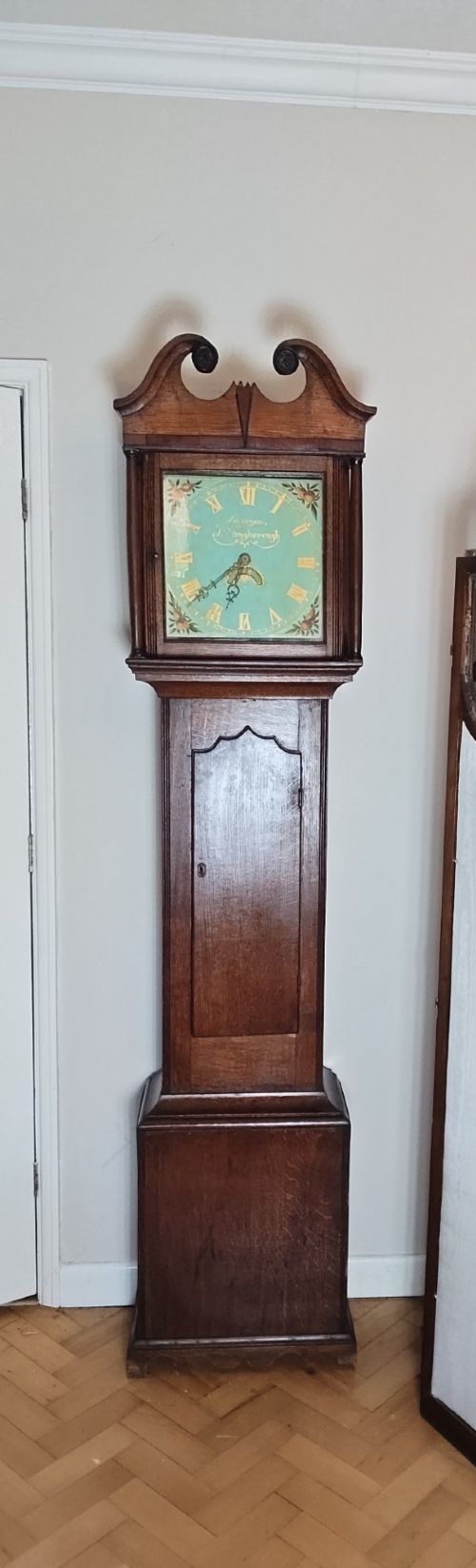
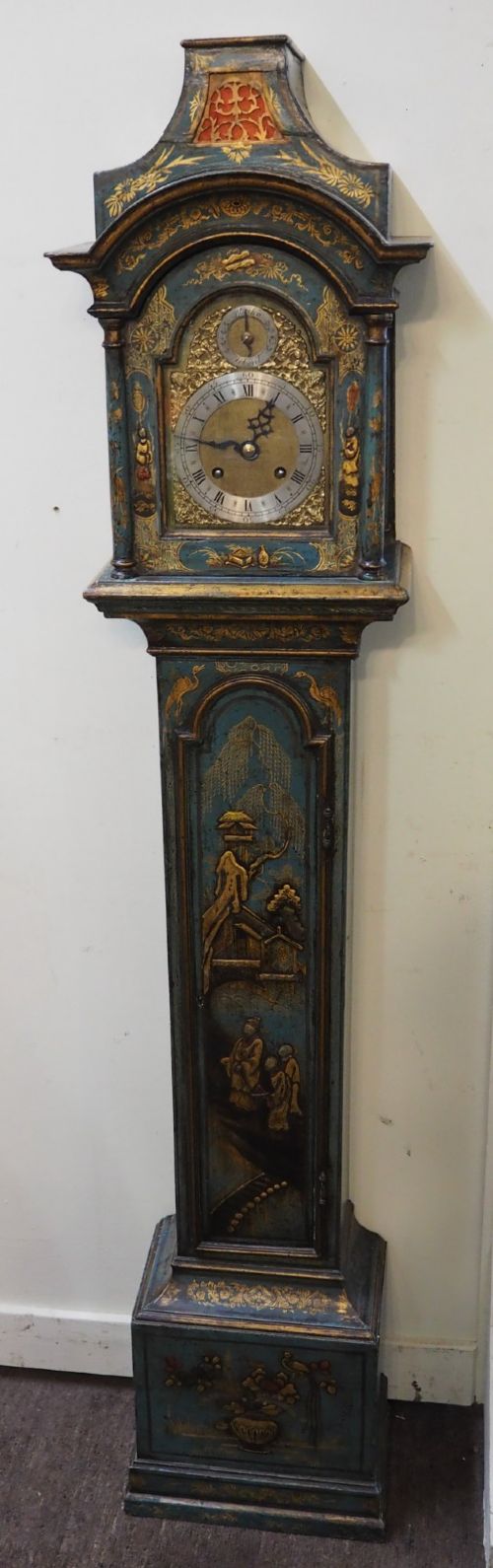
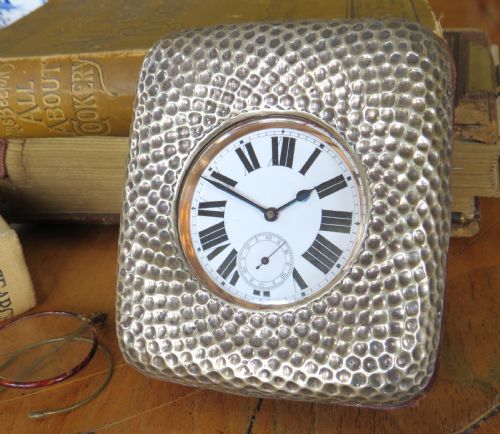
A blue dial clock turns a standard timepiece into a striking visual centrepiece. When searching for a blue dial clock, buyers encounter everything from compact travel pieces to tall grandfather clocks.
The selection here draws predominantly from the nineteenth century, featuring Georgian and Edwardian examples alongside later Art Deco items. Forms range widely from wall clocks and mantel clocks to carriage clocks and large architectural tower clock faces.
Makers often utilised contrasting metals and painted finishes to highlight the distinctive face colour. Whether housed in oak, mahogany, or gilt bronze, these clocks combine functional timekeeping with strong decorative appeal.
Materials and construction
Metalwork forms the backbone of these pieces, utilising brass, gilt bronze, and silver alongside robust wooden cases in oak, mahogany, and lacquer. Enamel and glass feature heavily to protect and accentuate the painted or decorated dials.
Dial decoration often involved specialised painting techniques, champlevé enamel work, or delicate Delft enamel panels. Cases were painstakingly ebonised, carved, or inlaid to complement the striking blue of the dial.
Blue Dial Clock Retail Price Guide 2026
Typical asking prices for blue dial clock among the pieces listed under this phrase on Sellingantiques today, from the lower quarter to the upper quarter. They describe what is for sale here now, not the wider market.
Assessing quality
Quality rests upon the crispness of the dial painting, the depth of the enamel work, and the integrity of the surrounding case materials. Finer examples display meticulous attention to detail in both the internal mechanism and the exterior ornamentation.
The choice of housing - from simple wood to elaborate ormolu or silver cases - signals the piece's original tier of manufacture. Well-preserved finishes and signed movements elevate a clock above standard workshop output.
The Blue Dial Clock Glossary
- Fusee
- A conical pulley used in older clock movements to maintain even driving tension as the mainspring unwinds. This mechanism helps ensure steady timekeeping accuracy.
- Champlevé
- An enamelling technique where troughs are dug into a metal surface and filled with vitreous enamel before firing. It creates vibrant patterns around clock dials and cases.
- Ormolu
- Gilded bronze used extensively for decorative mounts and freestanding clock cases during the eighteenth and nineteenth centuries. The finish provides a rich gold appearance.
- Grandfather clock
- A tall, free-standing longcase clock with a pendulum swinging inside the main body. They often feature hand-painted dials.
- Carriage clock
- A small, spring-driven clock designed for travel, typically featuring a brass case with glass panels. Many include striking or repeating mechanisms.
Blue Dial Clock: Frequently Asked Questions
How do I care for an antique clock?
Keep the clock away from direct sunlight, excessive moisture, and rapid temperature changes. Regular professional servicing ensures the delicate internal gears remain clean and functional.
Wind the clock gently according to its specific mechanism, taking care not to over-tension the spring. A stable surface prevents vibrations that can disrupt the pendulum or escapement.
Where should I place a mantel clock?
Position your mantel clock on a sturdy, level surface away from busy household traffic where it might get knocked. Firemantels work well provided they do not experience extreme heat.
Ensure there is enough clearance for doors to open and for winding keys to turn freely. Good placement protects the wooden or metal case from accidental damage.
How are different periods identified?
Cabinetry styles, construction methods, and materials offer strong clues to a clock's age. Georgian pieces often show traditional timber work, while later Edwardian and Art Deco items display distinct design motifs.
Signatures on the dial or movement can also pinpoint the maker and operational era. Comparing the hardware and enamelling techniques helps narrow down the manufacturing decade.
Can these clocks be used daily?
Many antique clocks remain fully functional and can keep accurate time with proper maintenance. Daily use requires regular winding and mindful handling of the moving parts.
Some delicate or intricate models serve better as decorative objects rather than primary timekeepers. Consulting a horologist can help determine the operational limits of a specific piece.