




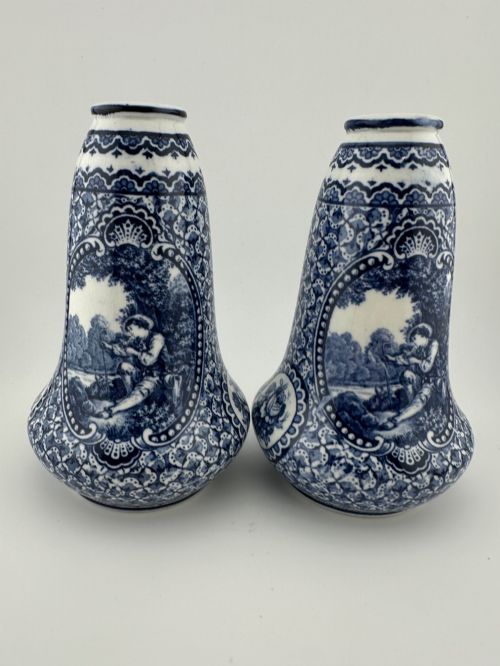
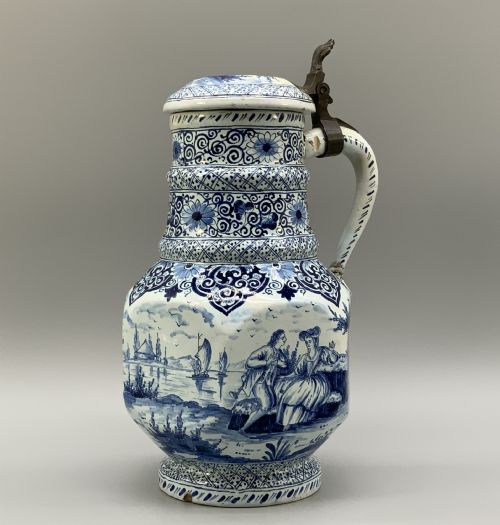


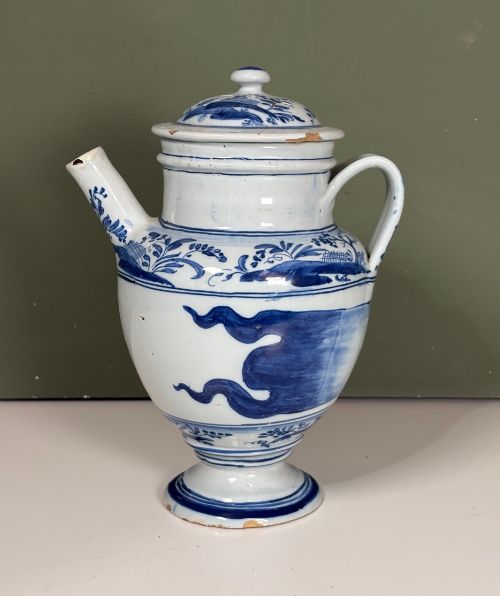
Blue Delft Ceramic
These pieces of blue delft ceramic bring hand-painted tin-glazed earthenware into domestic spaces, offering collectors centuries of distinct blue and white pottery forms.
Blue Delft Ceramic
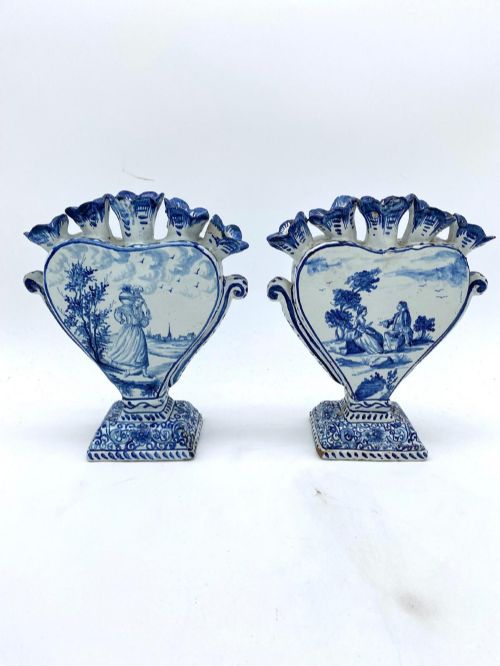
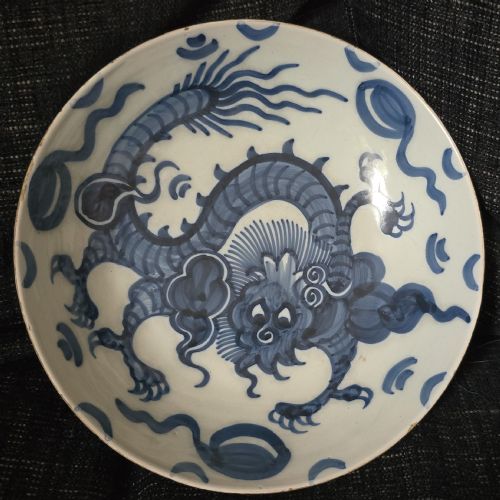
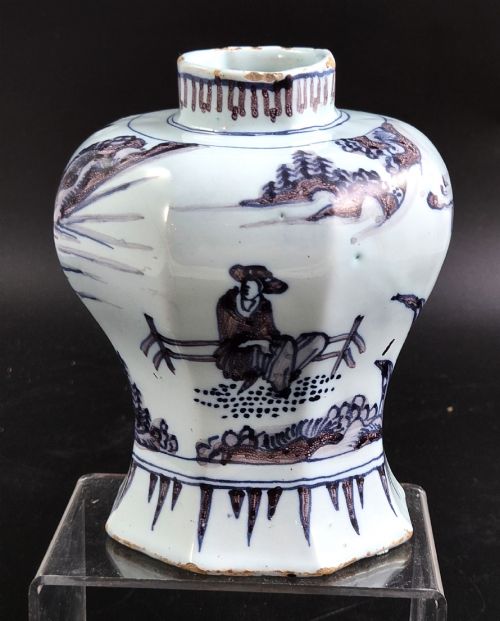
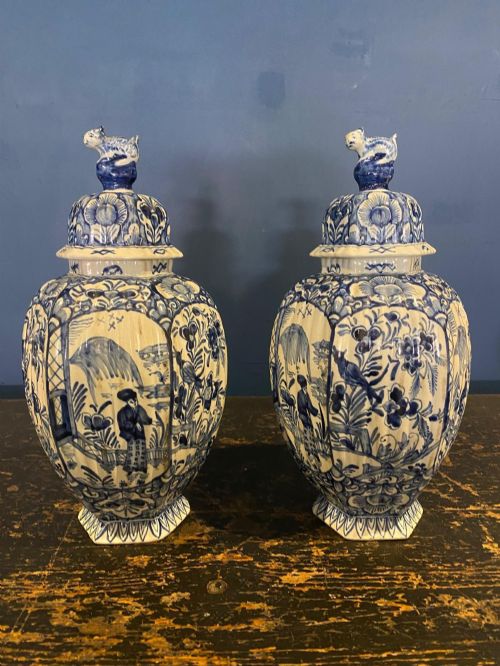
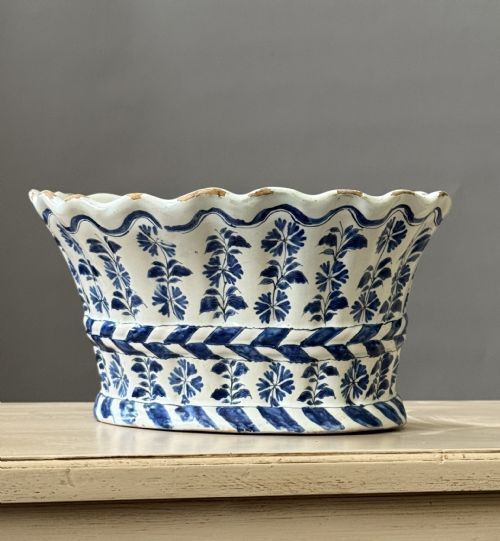
When searching for blue delft ceramic, you encounter a wide selection of earthenware objects spanning from the seventeenth century through to the twentieth century. The inventory includes utilitarian and decorative forms such as chargers, vases, bowls, and lidded vessels.
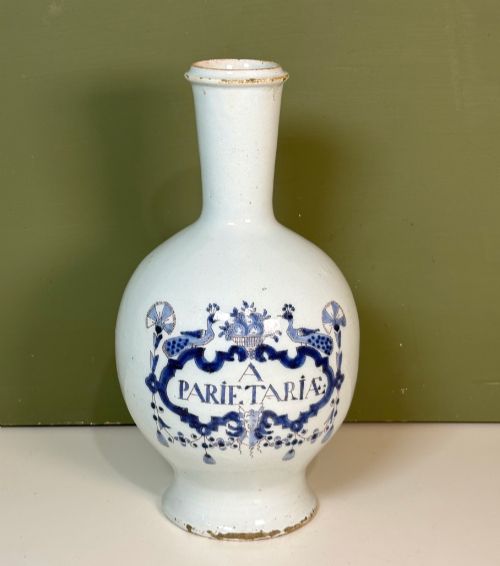
Dutch origins dominate the selection, alongside English, Spanish, and continental examples showing varied influences like Chinoiserie and Moorish styles. Chargers and vases appear most frequently, alongside smaller items like tiles, posset pots, and apothecary jars.
Materials and Manufacture
Potters shaped these objects from earthenware clay before coating the body in an opaque tin glaze. This white tin-glazed surface provided a smooth ground for subsequent brushwork.
Cobalt pigment or cobalt oxide supplied the characteristic blue coloration for hand-painted motifs, sometimes complemented by manganese or polychrome pigments before firing.
Blue Delft Ceramic Retail Price Guide 2026
Typical asking prices for blue delft ceramic among the pieces listed under this phrase on Sellingantiques today, from the lower quarter to the upper quarter. They describe what is for sale here now, not the wider market.
Listings feature tin-glazed earthenware from the seventeenth to the twentieth centuries, spanning Dutch, English, and Spanish origins.
Assessing Quality and Execution
Quality rests in the precision and fluidity of the hand-painted brushwork, distinguishing confident artisanal execution from stiff decoration. Early pieces often show finer detail in cobalt blue pigment application and thinner tin-glaze layers.
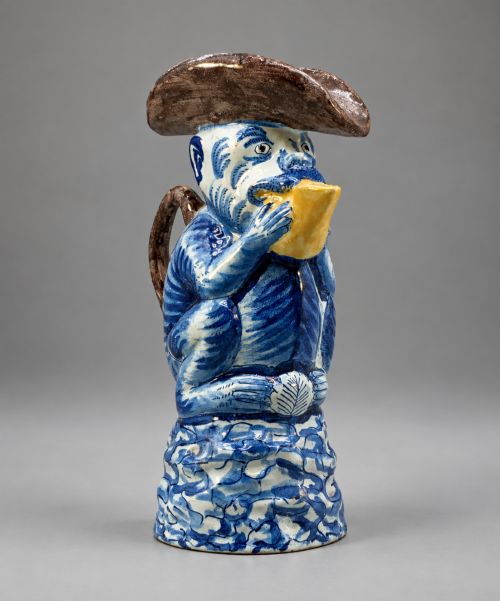
The complexity of the object form also dictates standing, with large chargers, baluster vases, and figural Toby jugs representing more ambitious ceramic production than standard plates.
Pieter Verburg·Royal Bonn Franz Anton Mehlem·Villeroy and Boch
The Blue Delft Ceramic Glossary
- Tin-Glazed Earthenware
- Earthenware pottery covered with a lead glaze made opaque by the addition of tin oxide. This coating creates the characteristic white background typical of delftware.
- Charger
- A large ornamental or serving plate intended for display on a wall or dresser rather than dining use. These wide dishes frequently showcase complex floral or Chinoiserie scenes.
- Faience
- European tin-glazed earthenware produced in imitation of imported Chinese porcelain. The term encompasses various continental potteries sharing this technique.
- Baluster Vase
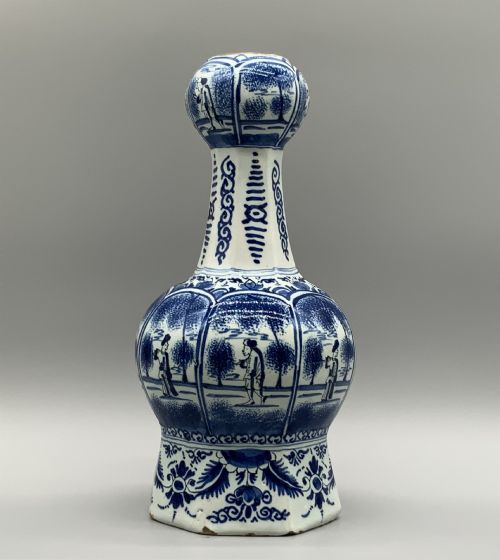
- A tall vase with a rounded body that tapers toward the neck, resembling a balustrade pillar. These vessels often feature octagonal sections or painted scholar motifs.
- Polychrome
- Decoration utilising multiple colours rather than a restricted blue and white palette. These pieces incorporate hues like green, yellow, and red alongside cobalt.
Blue Delft Ceramic: Frequently Asked Questions
What is blue delft ceramic?
These items are tin-glazed earthenware vessels and plates decorated with cobalt blue pigments. Potters across European regions produced them to mimic prized East Asian porcelains.
The resulting objects range from large wall chargers and lidded vases to apothecary jars and table ornaments, spanning multiple centuries of craftsmanship.
How do I display a charger?
Chargers were historically made as decorative display pieces rather than tableware. Many examples feature pierced footrings specifically designed for hanging on walls.
Alternatively, you can place them on specialist stands inside cabinets or on sideboards to showcase the hand-painted surface safely.
How do I identify seventeenth-century pieces?
Early examples often exhibit distinct tin-glaze characteristics, Chinese Kraak style influences, or Dutch Baroque forms. The painting tends to rely on deep cobalt blue tones applied directly to the porous glaze.
Examining the footrim, weight of the earthenware body, and stylistic motifs helps separate these early objects from later nineteenth-century revival items.
Were these vessels used daily?
While many forms like chargers and decorative vases were meant for display, other items served practical domestic functions. Apothecary jars stored medicinal ingredients, while puzzle jugs and posset pots engaged guests during gatherings.
Barber's bowls and bleeding dishes fulfilled specific healthcare routines of past centuries, showing the varied roles of tin-glazed pottery.