






Blue Coastal Painting
A blue coastal painting captures the motion of the sea and the light of the shore across the nineteenth and twentieth centuries.
Blue Coastal Painting
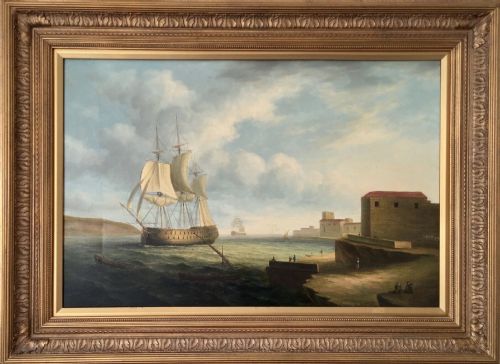
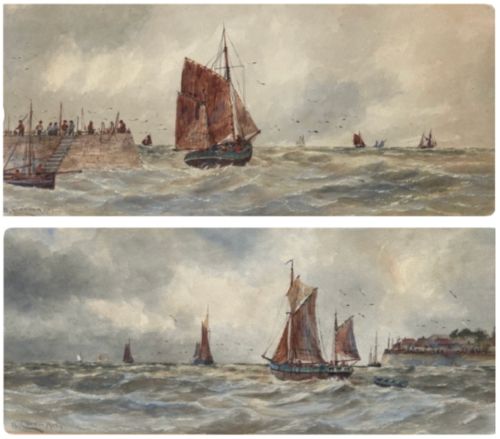
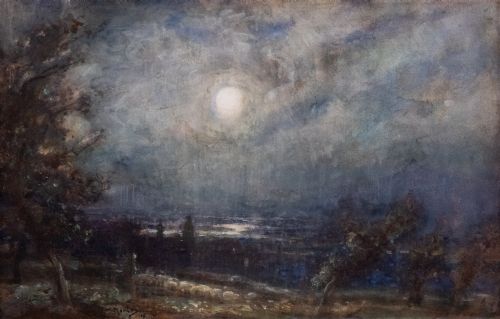
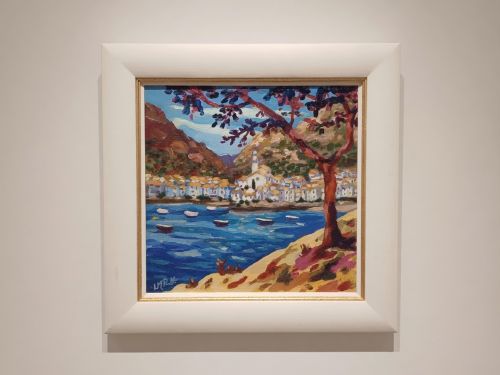
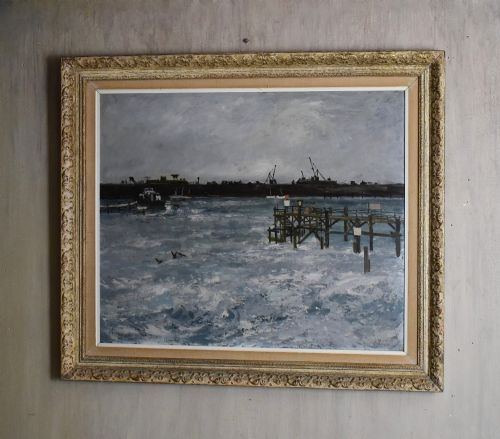
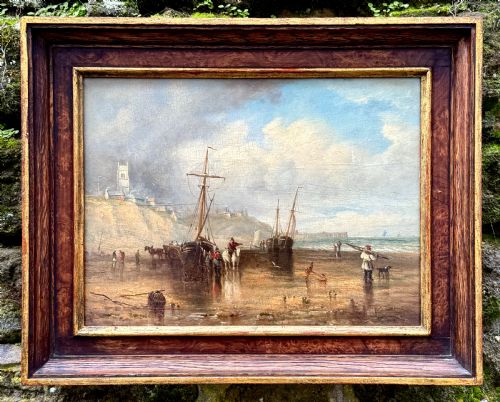
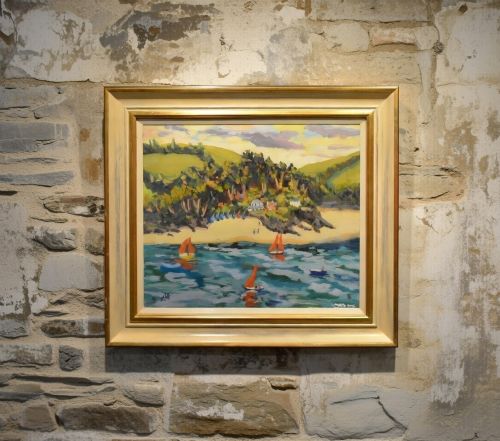
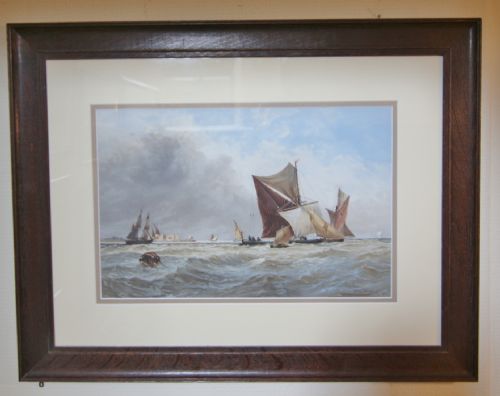
A blue coastal painting brings together maritime scenes, harbours and shorelines executed in oil or watercolour. The pieces span Victorian marine art, British Impressionism and mid-century modern interpretations.
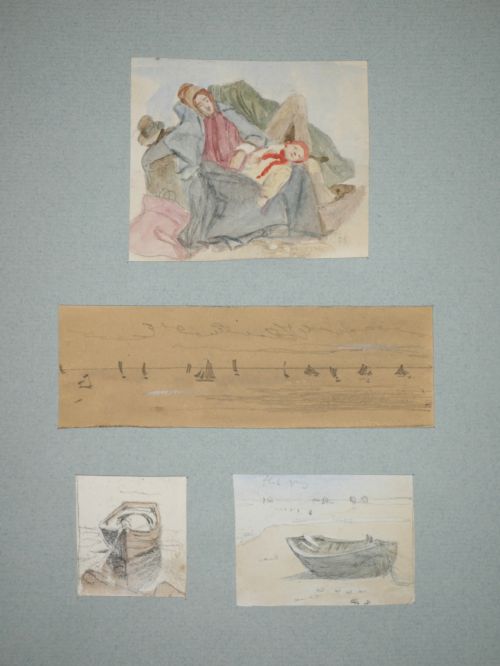
Most examples originate from British and European coastal locations, depicting fishing boats, sailing ships and cliffs. Painters recorded these marine subjects en plein air or finished them in studios from earlier sketches.
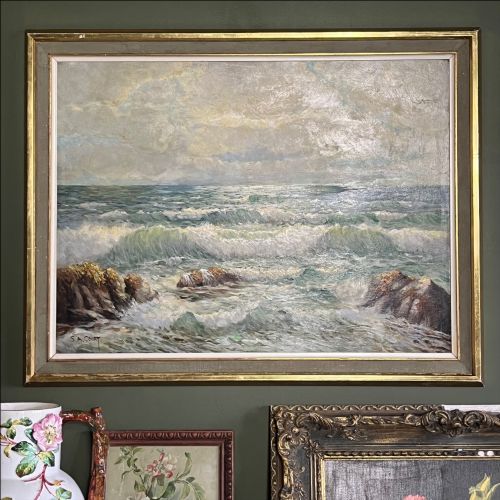
The selection ranges from detailed nineteenth-century watercolours to broader twentieth-century oil paintings on canvas and panel.
Distinguishing quality in marine art
The success of a blue coastal painting rests on the artist's ability to render light, atmosphere and the movement of water. Skilled handling of tone creates convincing depth in the sea and sky.
Compositional balance and confident brushwork separate accomplished works from routine topographical records. Superior examples demonstrate a cohesive palette that unites the marine elements with the coastal landscape.
Listings feature works spanning the nineteenth century through to the mid-twentieth century, utilising oil paint, watercolour and woodblock print.
James Hardy·James Orrock·William Cannon·James Smetham·Sidney A Court·John E Aitken·William Banks Fortescue·Thomas William Morley·Lucy Pratt·Peter Brannan·Paul Bret·Bernard Benedict Hemy·Thomas Creswick·TB Hardy·Cecil Allan Mould·Charles Euphraisie Kuasseg·Alfred G Morgan·Joseph Farquharson·Dubovsky·Carlo Ferranti·William Matthison·William Henry Williamson·Frank Kelsey·Walter Goodin·Henry Barlow Carter
The Blue Coastal Painting Glossary
- En plein air
- Painting outdoors directly from the subject to capture transient effects of light and weather. This practice became central to impressionist coastal painting.
- Impasto
- Paint applied thickly to a canvas or panel so that it stands proud of the surface. This technique adds tactile texture to the movement of waves.
- Watercolour
- A paint consisting of soluble pigment suspended in a water-based solution, typically applied to paper. It relies on the white of the paper to provide luminosity.
- Marine art
- Artwork that depicts or draws its main inspiration from the sea, ships and coastal views. It encompasses historical naval battles as well as quiet fishing harbours.
Blue Coastal Painting: Frequently Asked Questions
What is a blue coastal painting?
A blue coastal painting is a marine artwork focusing on seascapes, harbours, and coastal views rendered in oil or watercolour.
These pieces capture maritime life and coastal scenery across various periods from the nineteenth century onwards.
How do I date a marine oil painting?
Dating relies on stylistic evidence, artist signatures, and framing methods typical of specific periods like the Victorian era or mid-century.
Subject matter such as types of vessels and clothing worn by figures also helps establish the era of creation.
Where were these coastal scenes painted?
Artists worked at notable British fishing ports, Mediterranean harbours, and European coastal retreats.
Locations ranged from Cornish fishing villages to Italian ports and Baltic shores.
How should I display watercolour coastal art?
Watercolour paintings on paper require framing behind glass to protect them from environmental moisture and atmospheric dust.
Positioning them away from direct sunlight preserves the original pigment tones over time.