



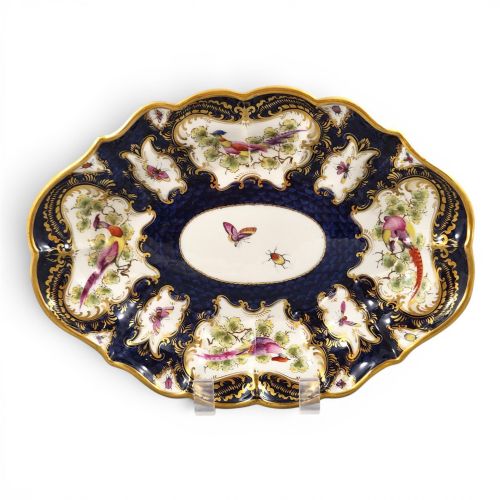

Blue China Platter
When you search for a blue china platter, you are looking at centuries of ceramic trade, transfer printing and table service history.
Blue China Platter
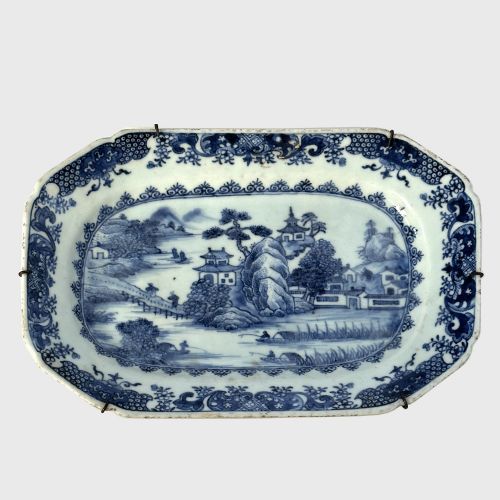
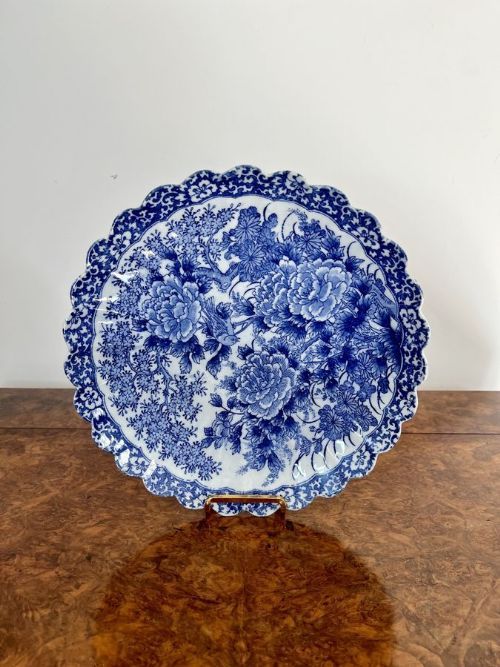
A blue china platter brings historical table service into modern domestic spaces, spanning periods from the eighteenth century through the late Victorian era.
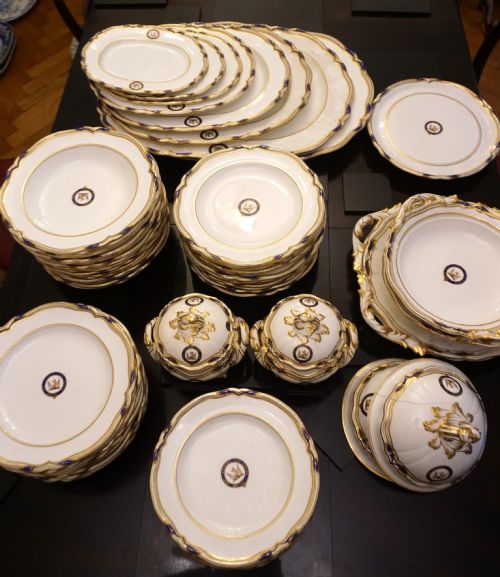
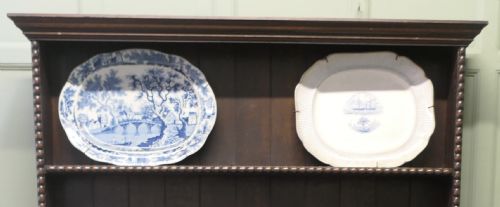
The selections on this page encompass various forms including large meat platters, serving dishes, and drained plates originating from English potteries, Chinese export workshops, and European factories.
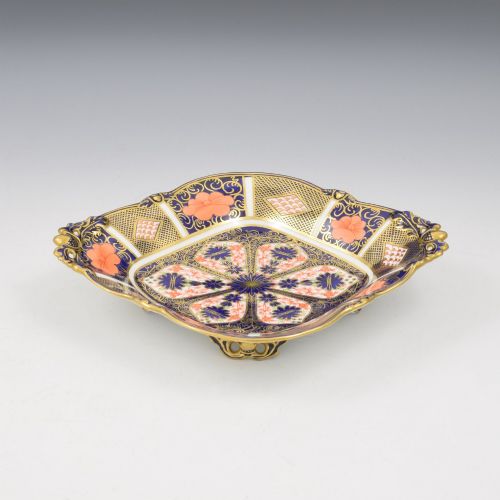
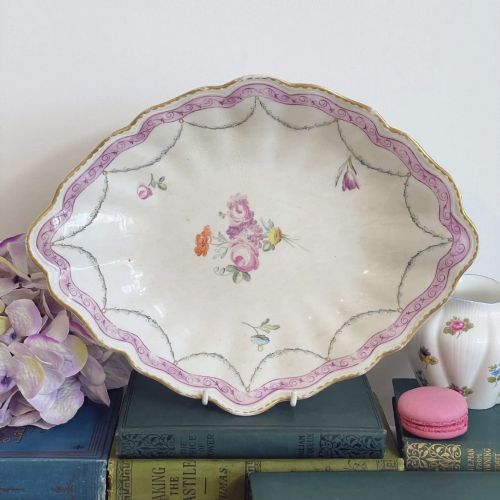
Makers utilised earthenware, ironstone, and porcelain to produce these blue and white domestic items, which range from country house services to decorative cabinet pieces.
Materials and production techniques
Potters shaped bodies from earthenware, heavy ironstone, and fine porcelain, applying cobalt oxide pigments beneath transparent glazes before high-temperature firing.
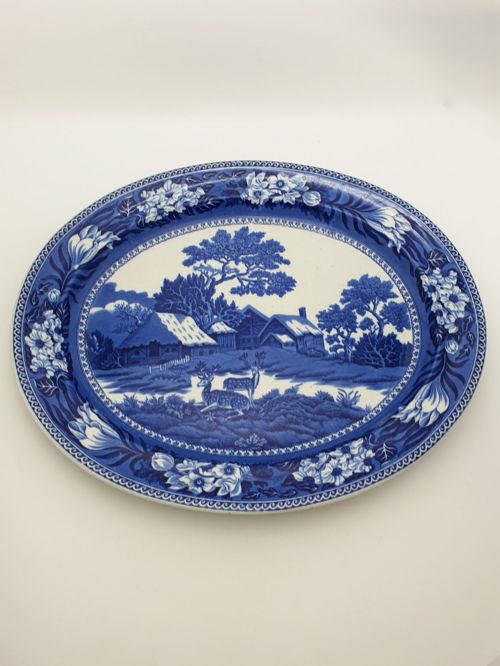
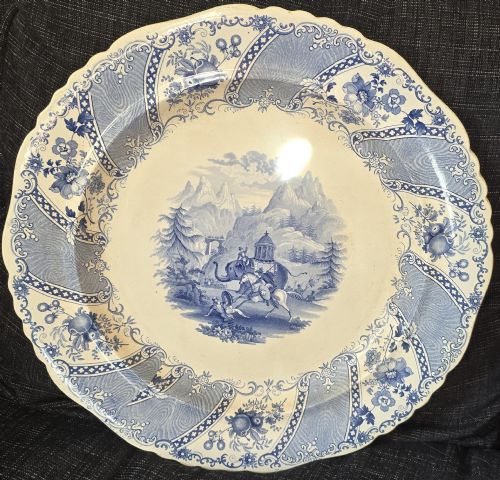
Transfer printing allowed workshops to apply detailed pictorial scenes, such as architectural views and landscape patterns, onto large serving platters with consistent precision.
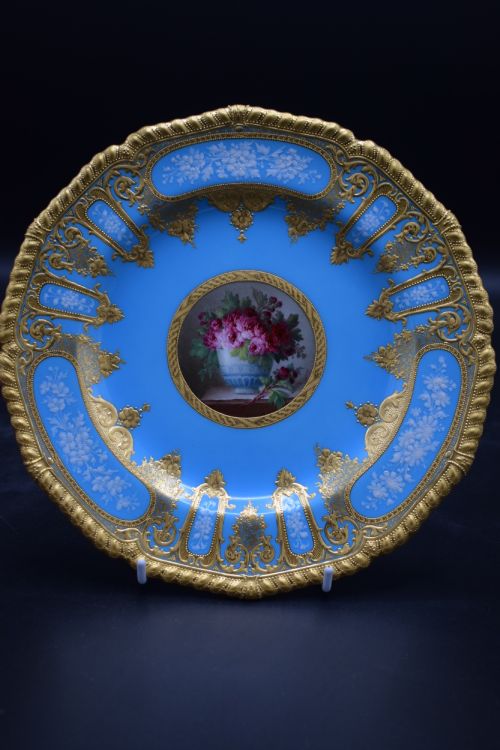
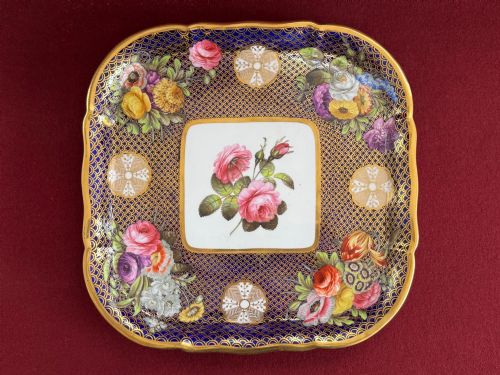
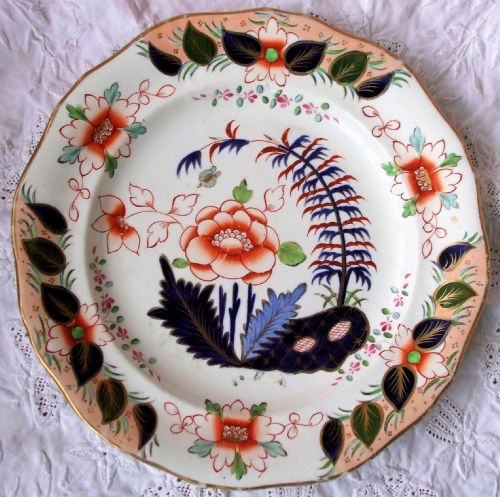
Some decorative vessels received additional hand-painting in polychrome enamel or gold leaf details over the blue glaze to enhance their visual depth.
Blue China Platter Retail Price Guide 2026
Typical asking prices for blue china platter among the pieces listed under this phrase on Sellingantiques today, from the lower quarter to the upper quarter. They describe what is for sale here now, not the wider market.
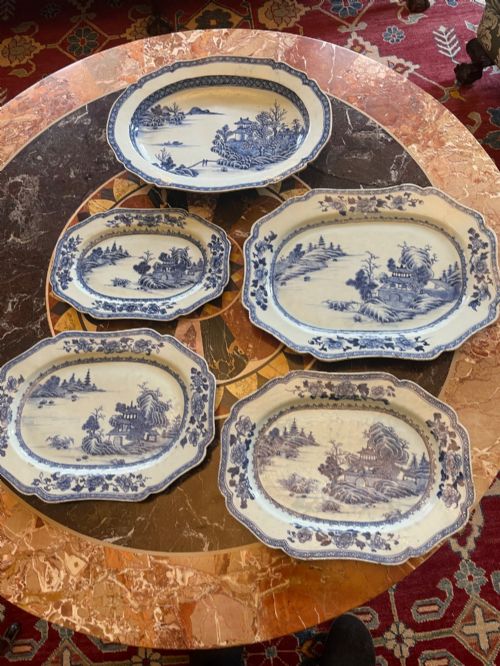
Listings feature eighteenth-century Chinese export porcelain alongside nineteenth-century Staffordshire earthenware and ironstone services.
Distinctions in craftsmanship and design
The clarity of the transfer print and the smoothness of the glaze surface differentiate standard utilitarian ironstone from finer porcelain cabinet pieces.
Compositional balance within complex pictorial scenes, such as topographical views or botanical arrangements, marks the distinction between routine factory output and superior ceramic design.
Spode·Royal Crown Derby·William Smith and Co·John Davenport of Longport·Pucher Deroche·Coalport·Minton·Brameld and Co
The Blue China Platter Glossary
- Ironstone
- A dense, durable type of earthenware patented in the nineteenth century to withstand heavy domestic use while mimicking porcelain.
- Transferware
- Pottery decorated by pressing a printed paper design from an engraved copper plate onto the ceramic surface.
- Ashet
- A Scottish term for a large serving platter or dish placed at the centre of a dining table.
- Drainer
- A perforated ceramic insert placed inside a platter to keep meat elevated from accumulated juices.
- Flow blue
- A nineteenth-century transfer printing style where cobalt blue intentionally bleeds into the surrounding white glaze during firing.
Blue China Platter: Frequently Asked Questions
How were blue china platters used originally?
These large vessels held roasted meats, fish, and communal courses at the centre of eighteenth and nineteenth-century dining tables.
Purchased as part of extensive dinner services, they transported food from the kitchen to the dining room before the introduction of modern plating.
Can I use antique platters for serving food today?
Many ironstone and earthenware pieces remain structurally robust enough for occasional modern table service during gatherings.
Hand washing protects the historic glaze and prevents crazing from developing in older ceramic bodies.
How do I distinguish between ironstone and porcelain?
Ironstone presents a heavier, opaque body designed for durability, whereas porcelain offers a more delicate weight and translucency when held to light.
Both materials frequently carried blue transfer-printed patterns during the Georgian and Victorian periods.
What does transferware mean on a platter?
Transfer printing involved etching a design onto a copper plate, inking it, and transferring the ink onto paper before applying it to the unglazed ceramic.
This technique allowed potteries to produce intricate pictorial scenes, such as country houses and landscapes, with high consistency.