




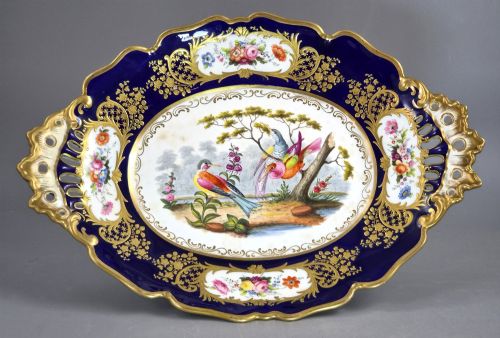
Blue Ceramic Tray
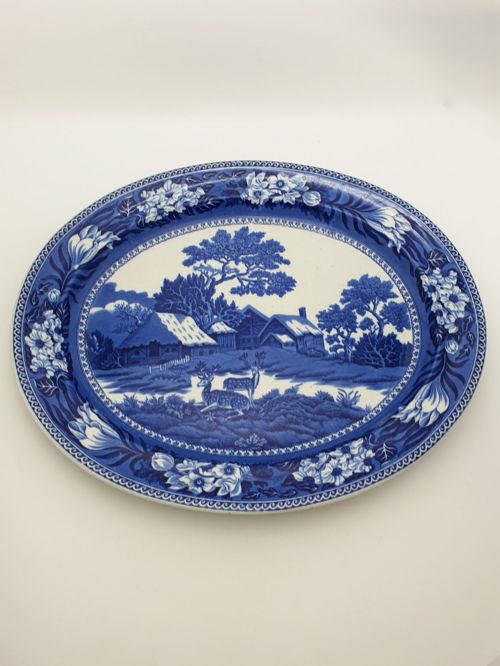
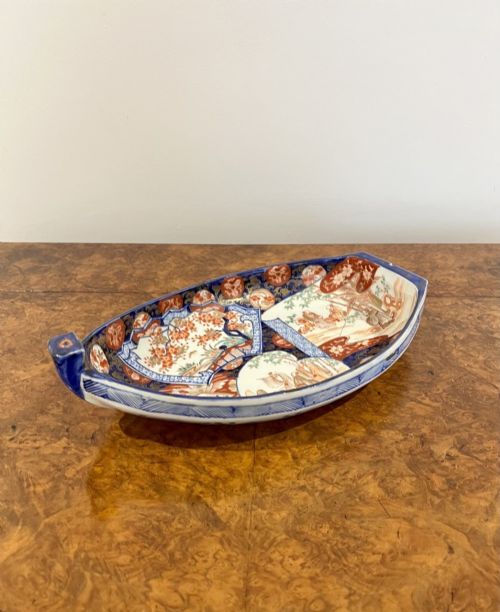
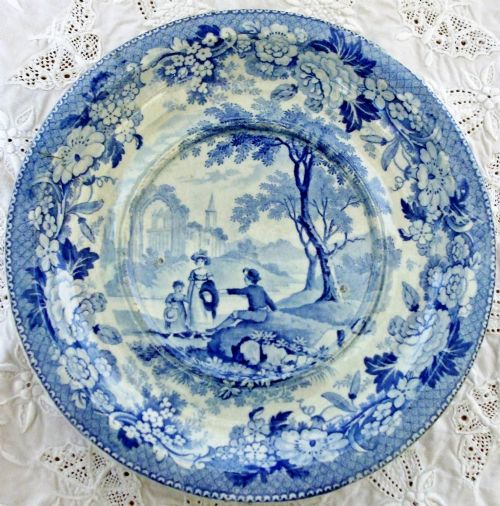
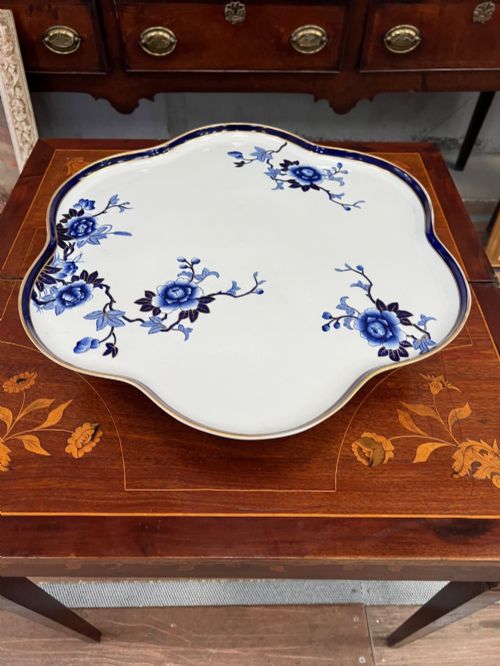
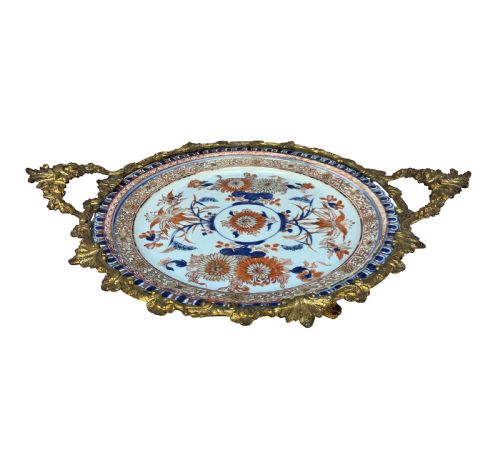
A blue ceramic tray brings handpainted cobalt, transfer-printed pastoral scenes and rich Imari patterns directly to the table or desk.
Blue Ceramic Tray
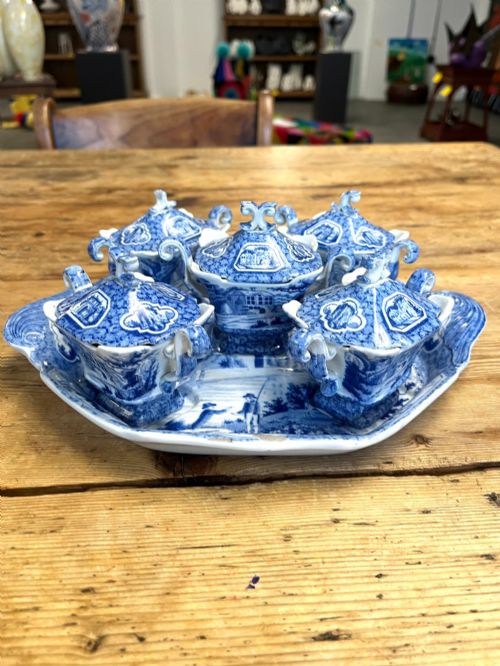
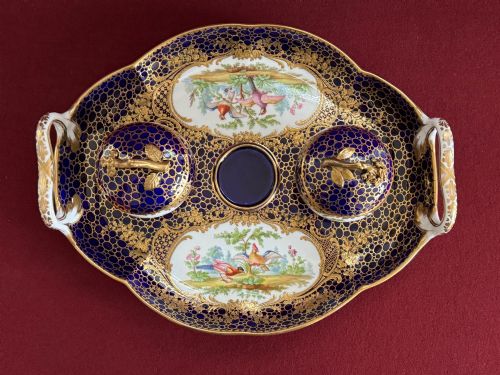
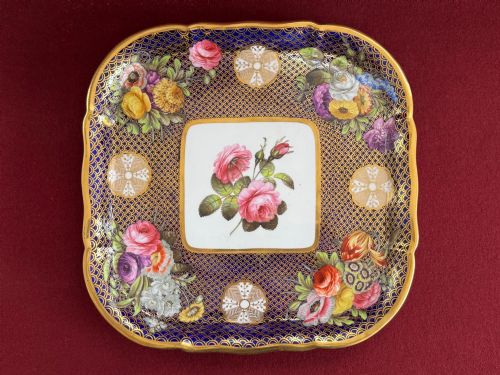
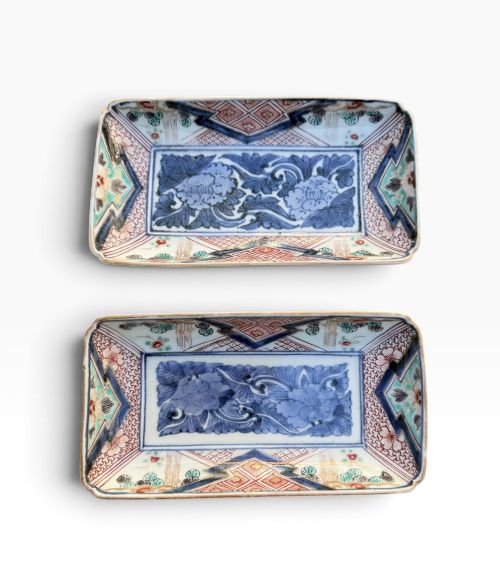
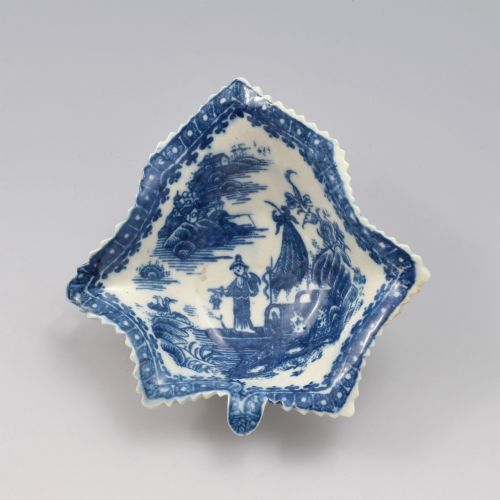
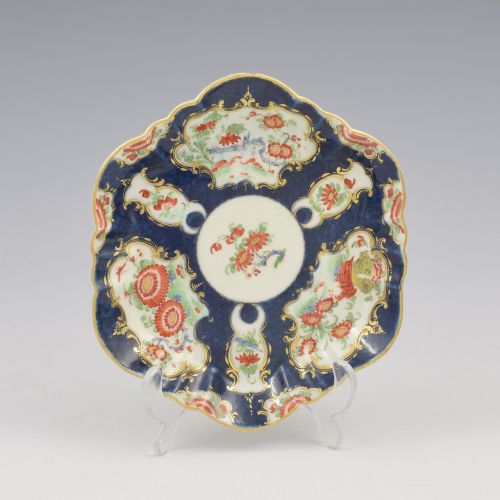
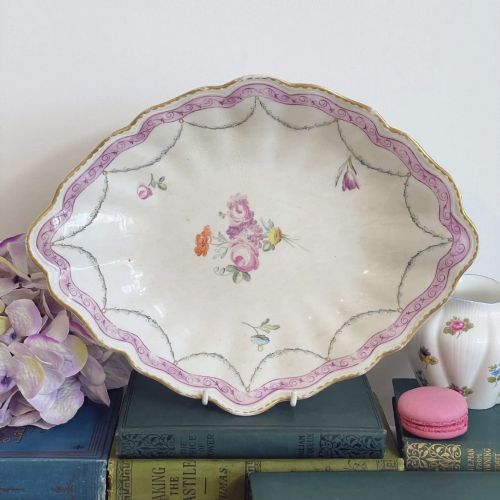
A blue ceramic tray encompasses a wide variety of serving platters, decorative dishes, pickle plates, inkstands and spoon trays spanning the eighteenth, nineteenth and early twentieth centuries. When searching for a blue ceramic tray, buyers encounter everything from Georgian transfer-printed earthenware and pearlware to intricate Japanese Imari porcelain and Dutch Delft faience. These pieces served practical functions at the dining table, on the writing desk, or in the parlour, while displaying enduring cobalt blue decoration.
The pieces originating from English factories include deep lobed serving dishes, meat platters and tea ware components from makers associated with Worcester, Spode, Minton and Davenport. Continental examples bring French faience and Quimper pin trays into the mix, alongside Chinese and Japanese export porcelain decorated in rich blue and iron red. Whether shaped as leaves, shells, fans or simple ovals, these items combine utility with decorative punch.
How They Were Made
Potters shaped these items from porcelain, earthenware, pearlware and faience, often finishing the surfaces with transparent glaze, gold leaf, or gilding. Cobalt blue pigment provided the foundation for handpainted motifs, underglaze printing and transfer-printed scenes like the Piping Shepherd and Fisherman patterns. Some pieces received supplementary polychrome enamels over the blue underglaze, whilst others incorporated ormolu mounts to elevate their status in grand interiors.
Moulding and hand-throwing formed the basis of these trays, plates and inkstands, with openwork piercing and lobed edges applied by skilled hands. The firing process required precise temperature control in kilns to fix the cobalt oxide deep within the glaze, producing the characteristic rich blues seen across eighteenth and nineteenth-century examples.
Blue Ceramic Tray Retail Price Guide 2026
Typical asking prices for blue ceramic tray among the pieces listed under this phrase on Sellingantiques today, from the lower quarter to the upper quarter. They describe what is for sale here now, not the wider market.
Listings feature periods from the eighteenth century to the 1930s, spanning porcelain, earthenware, pearlware, and faience.
What Varies In Quality
Quality rests in the crispness of the cobalt painting, the precision of the transfer print, and the fineness of the ceramic body itself. Early porcelain wares exhibit delicate translucency and meticulous brushwork, whereas utilitarian meat platters lean on robust earthenware and bold, sturdy transfer printing for daily service. The presence of rich gilding, ormolu mounts, or intricate pierced borders signals an elevated level of craftsmanship intended for wealthy households.
The depth of the blue glaze and the absence of firing blemishes distinguish finer studio and factory output from more routine commercial pieces. Maker attribution also plays a role, as works linked to known porcelain houses command greater interest through their established artistic lineage and superior paste formulation.
Minton·Spode·Royal Crown Derby·Caughley·Coalport·Davenport·George Jones·Royal Worcester·James Giles·Sevres
The Blue Ceramic Tray Glossary
- Pearlware
- A refined earthenware developed in the late eighteenth century featuring a thin glaze with a slight bluish tint. This tint made the ceramic body appear whiter than standard creamware.
- Imari
- A style of Japanese porcelain featuring deep cobalt blue, iron red, and gilt highlights. The aesthetic was widely copied by European factories during the eighteenth and nineteenth centuries.
- Faience
- European tin-glazed earthenware produced across France, the Netherlands, and other regions. It provides an opaque white background ideal for handpainted blue designs.
- Transfer printing
- A technique where an engraved copper plate transfers a design onto paper, which is then applied to the ceramic surface before firing. This allowed complex scenes like pastoral landscapes to be reproduced with speed and precision.
- Blue scale
- A decorative underglaze blue ground pattern developed at Worcester resembling fish scales. It is often reserved for compartmentalised panels containing exotic birds or flowers.
Blue Ceramic Tray: Frequently Asked Questions
What were these trays used for?
These ceramic pieces served various practical roles in the home, functioning as meat platters at the dining table, serving dishes for afternoon tea, or desk accessories for holding inkwells and pens. Smaller versions acted as spoon trays or pin dishes in bedrooms and parlours.
Over time, their decorative qualities took precedence, leading owners to display them on walls, cabinets, or sideboards rather than keeping them in active service.
How do I date a blue and white piece?
Dating relies on examining the ceramic body, the manufacturing marks on the underside, and the style of the blue decoration. Early pieces often feature handpainted underglaze blue with distinct factory crescents, numerals, or painter marks, while nineteenth-century items frequently utilise transfer printing and registration stamps.
The evolution of the glaze and the weight of the clay body also offer clues to whether a piece belongs to the eighteenth, nineteenth, or early twentieth century.
Can I use these trays for food?
Many nineteenth-century meat platters and serving dishes were originally designed for culinary use, constructed from sturdy earthenware or ironstone. However, older porcelain and antique pieces often carry age-related crazing in the glaze that can absorb liquids and harbour bacteria.
Displaying them as decorative objects or using them for dry items protects the historic glaze from further wear and staining.
How do I care for antique ceramics?
Gentle handling is essential, avoiding sudden temperature changes that can stress the ceramic body or worsen existing hairline cracks in the glaze. Cleaning should be done by hand using lukewarm water and mild soap, avoiding harsh scrubbing or dishwashers.
Keeping them out of direct, prolonged sunlight helps preserve the vibrancy of the handpainted blue pigments and any delicate gold leaf accents.