


Blue Ceramic Table Light
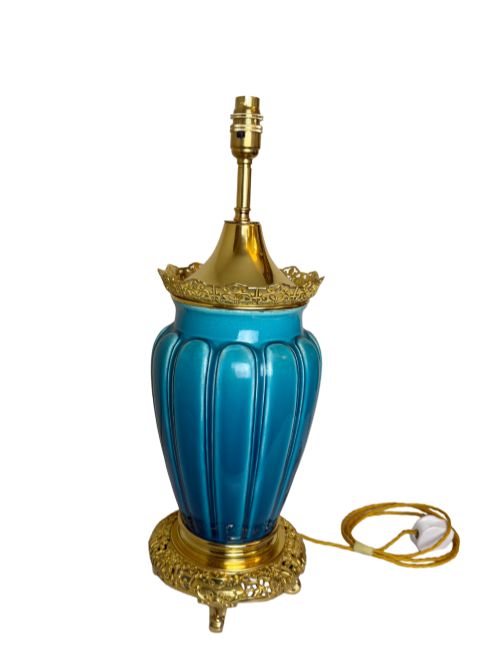
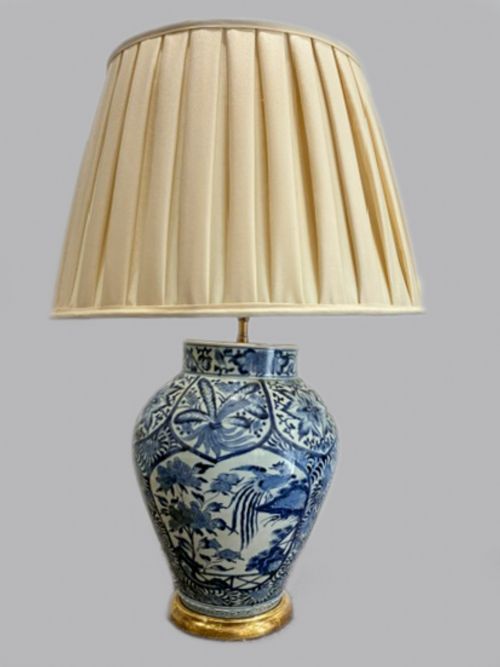
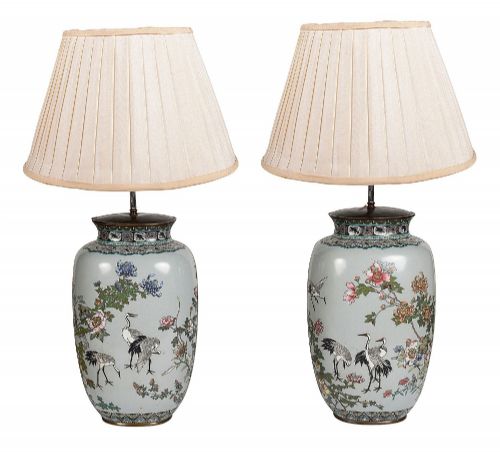
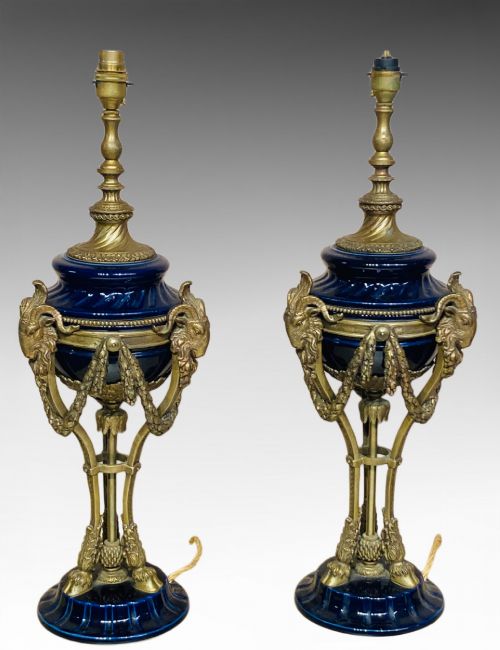
A blue ceramic table light brings centuries of ceramic artistry and converted vessels into domestic spaces.
Blue Ceramic Table Light
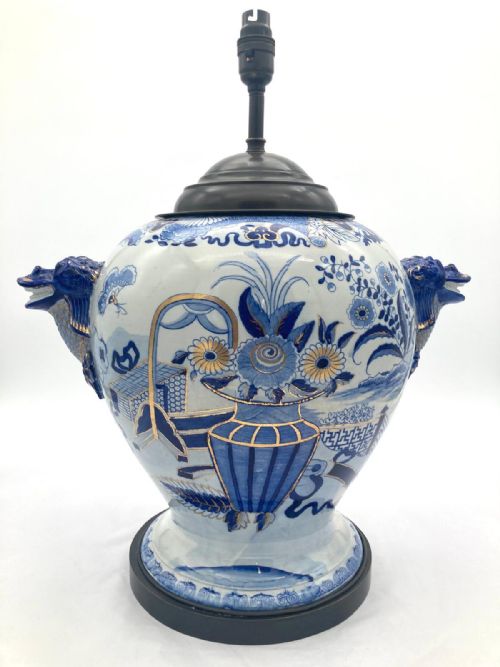
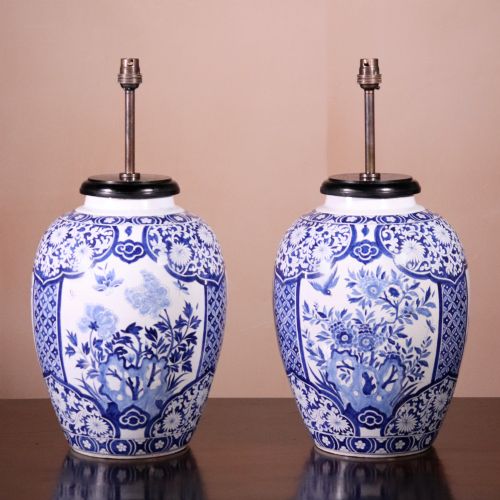
A blue ceramic table light combines historical ceramic vessels with modern interior illumination, often created by converting antique vases, jars, and oil lamps into functional fixtures.
The selections span from seventeenth-century Japanese vases and eighteenth-century Dutch Delftware to nineteenth-century Chinese porcelain and twentieth-century Art Deco creations.
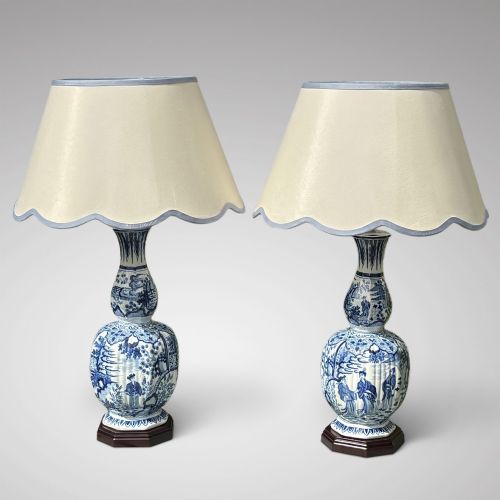
Many examples utilise converted ginger jars, apothecary jars, and tobacco jars paired with fabric or silk shades, resting upon brass, gilt bronze, or wooden bases.
How They Were Made
Makers shaped vessels from porcelain, earthenware, and pottery, applying rich blue glazes, celadon finishes, or hand-painted cobalt decorations before firing.
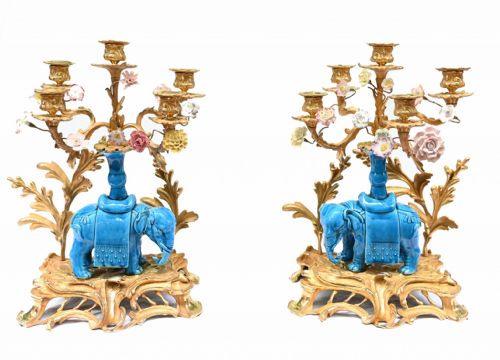
Metalworkers added structural support and decorative flourishes using brass, gilt bronze, or ormolu mounts to secure the electrical fittings and bases.
Finishers completed the lights by pairing the ceramic bodies with handmade fabric or silk shades to diffuse the light.
Periods represented span from the 17th Century through the 18th Century, Victorian era, and 1920s Art Deco.
What Varies in Quality
The distinction lies in the provenance and age of the original ceramic body, ranging from early seventeenth-century Asian export porcelain to later pottery adaptations.
Craftsmanship shows in the precision of the metal mounts, whether cast in detailed gilt bronze or simple brass, and the integration of the electrical conversion without damaging the antique vessel.
Royal Doulton·Hicks and Meigh·Burmantofts Faience·Wedgwood
The Blue Ceramic Table Light Glossary
- Delftware
- Tin-glazed earthenware originating from the Netherlands, known for its distinctive blue and white painted decoration.
- Cloisonné
- Enamelwork technique where thin metal wires form compartments to hold coloured glass pastes before firing.
- Ormolu
- Gilded bronze furnishings applied as mounts and decorative trim to ceramic bodies and furniture.
- Ginger jar
- A high-shouldered ceramic storage vessel originally used for spices, frequently converted into a lamp base.
- Jasperware
- A type of fine stoneware developed with a matte surface, often featuring contrasting white reliefs on a coloured ground.
Blue Ceramic Table Light: Frequently Asked Questions
What periods do these lamps come from?
The pieces draw from centuries of ceramic production, spanning from the late seventeenth century through the Victorian era and into the Art Deco period of the twentieth century.
Many listings incorporate converted antique vessels originating from Chinese dynasties, Japanese kilns, and European potteries.
Were these always electric lamps?
Most of these pieces started life as vases, ginger jars, apothecary jars, or oil lamps before being converted into electrical table lights in later years.
The conversion process preserves the antique ceramic body while adapting it for modern domestic use with fitted bases and shades.
What materials are used in the bases?
The main body consists of ceramic, porcelain, earthenware, or pottery, frequently glazed in shades of blue, turquoise, or celadon.
Supporting elements and mounts commonly utilise brass, gilt bronze, ormolu, wood, and glass.
How do I identify a Delft lamp?
Delft lamps typically feature tin-glazed earthenware bodies decorated in distinctive blue and white motifs inspired by imported Asian ceramics.
These pieces originate from the Netherlands and date primarily to the eighteenth century.