





Blue Ceramic Mug
A blue ceramic mug brings centuries of hand-painted artistry to the table, offering a tangible link to eighteenth-century porcelain and nineteenth-century earthenware traditions.
Blue Ceramic Mug
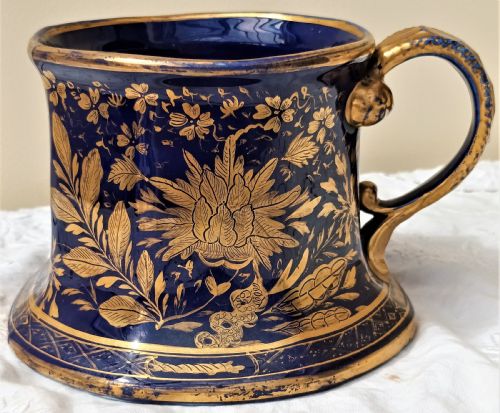
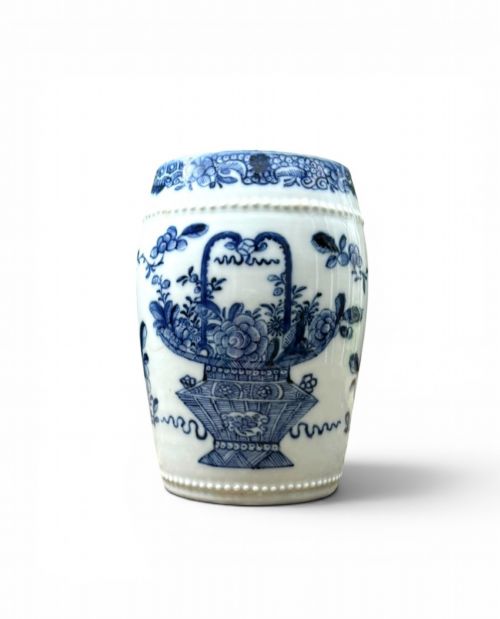
When searching for a blue ceramic mug, you encounter an array of drinking vessels spanning the eighteenth and nineteenth centuries, including porcelain mugs, ironstone tankards, and earthenware vessels. These pieces range from delicate Chinese export porcelain to robust English Staffordshire pottery and German stoneware.
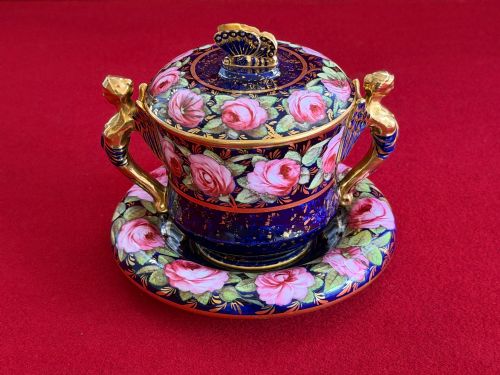
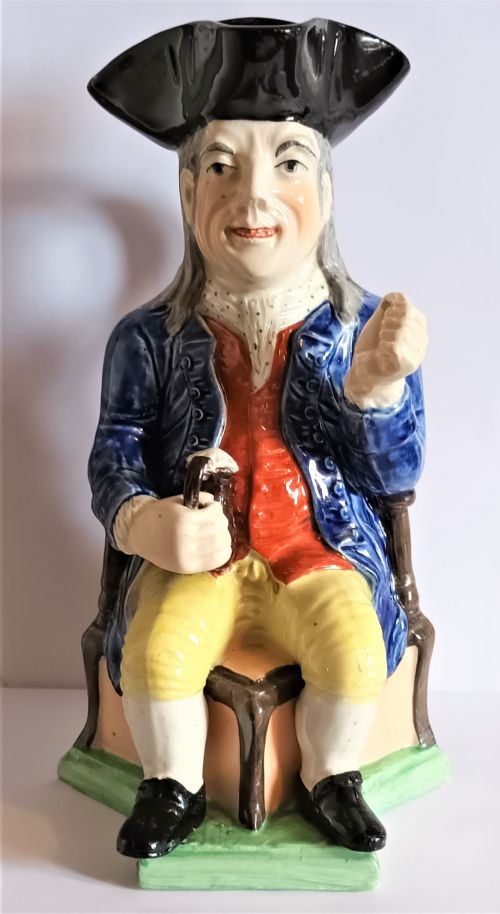
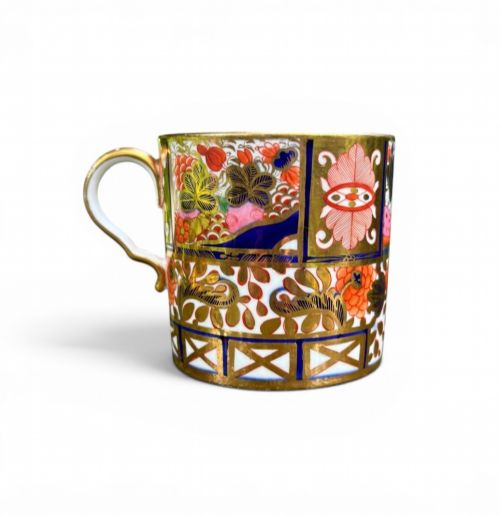
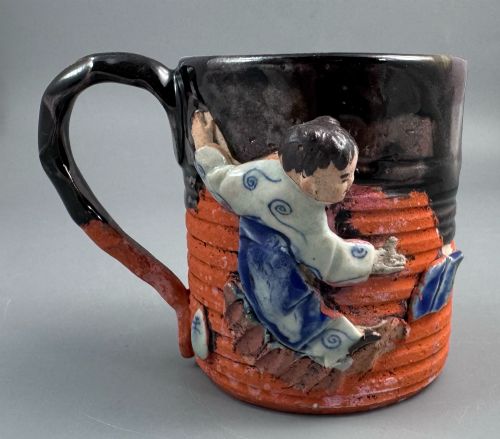
The selection on this page leans heavily towards eighteenth-century Worcester porcelain coffee cups and large Chinese export tankards alongside nineteenth-century ironstone mugs. Alongside standard handled vessels, you find specialised forms like chocolate cups, coffee cans, and Toby jugs.
Origins vary widely across the inventory, taking in English factories like Spode and Worcester, continental workshops such as Westerwald and Royal Vienna, and East Asian kilns from the Qianlong and Meiji periods.
How they were made
Potters utilised ceramic bodies such as soft-paste porcelain, ironstone, and earthenware, shaping them on the wheel or moulding them into barrels and figural forms. Surface decoration often relied on blue and white transfer printing or meticulous hand-painting beneath and above the glaze.
Many eighteenth and nineteenth-century pieces incorporated rich glazes, enamel colours, and occasional applications of gold leaf to highlight intricate scenes. Firing techniques in traditional kilns produced the characteristic depth found in underglaze cobalt designs and wet blue grounds.
Blue Ceramic Mug Retail Price Guide 2026
Typical asking prices for blue ceramic mug among the pieces listed under this phrase on Sellingantiques today, from the lower quarter to the upper quarter. They describe what is for sale here now, not the wider market.
Listings span the eighteenth and nineteenth centuries, featuring materials from soft-paste porcelain and ironstone to enamel and gold leaf.
What varies in quality
Quality in these drinking vessels rests upon the crispness of the moulding, the fineness of the ceramic body, and the execution of the painted or transfer-printed decoration. Pieces featuring detailed hand-painted chinoiserie or complex allegorical scenes represent a higher standard of craftsmanship than simpler utilitarian items.
The prestige of the maker and the preservation of delicate elements like applied figures or gold leaf further distinguish standard examples from exceptional collector pieces.
Spode·Mason's Ironstone·Copeland·Westerwald·Royal Vienna·Stevenson & Hancock, Derby
The Blue Ceramic Mug Glossary
- Ironstone
- A dense, durable type of earthenware patented in the nineteenth century to rival true porcelain. It provided a robust surface well-suited for heavy daily use.
- Transfer printing
- A mechanical decoration technique where an engraved copper plate transfers a design onto paper, which is then applied to the ceramic surface before firing. This method allowed for intricate repeatable patterns.
- Chinoiserie
- A European stylistic interpretation of Chinese and East Asian artistic motifs, popular on eighteenth-century porcelain. It frequently depicts imaginary landscapes, pavilions, and figures.
- Tankard
- A tall, cylindrical drinking vessel with a single handle, historically used for beer or ale. Examples in the inventory range from salt-glazed stoneware to porcelain.
- Coffee can
- A straight-sided, handleless porcelain cup popular in the Georgian and Regency periods. They were designed for drinking strong coffee from matching saucers.
Blue Ceramic Mug: Frequently Asked Questions
What is the difference between a mug and a tankard?
Tankards are typically taller, straighter-sided drinking vessels designed historically for ale or beer, often holding a larger volume than standard tea or coffee mugs.
Mugs in this collection span various smaller hot beverage forms, including chocolate cups and coffee cans, though historic terminology often overlaps between the two categories.
How do I identify eighteenth-century porcelain?
Eighteenth-century porcelain pieces often exhibit specific body characteristics such as the translucency and glaze pooling typical of early Worcester or Chinese export wares.
Examining the foot rim and any underglaze blue factory marks provides further clues to the specific period and origin of the piece.
Can I use these antique mugs for drinking?
While these pieces were originally created as functional tableware, antique ceramics of this age often develop delicate hairline cracks, glaze crazing, or weakened handles over centuries.
Most collectors choose to display them rather than risk damage from modern dishwashers, hot liquids, or daily use.
What does transfer printed mean?
Transfer printing is a technique developed in the eighteenth century where an engraved metal plate transfers a design onto tissue paper, which is subsequently pressed onto the ceramic body.
This innovation allowed potteries to produce detailed repeating patterns, such as frog designs and Chinese landscapes, with greater consistency than hand-painting alone.