





Blue Ceramic Lighting
Blue ceramic lighting brings centuries of hand-thrown pottery and porcelain into modern rooms through thoughtfully adapted lamps and candlesticks.
Blue Ceramic Lighting
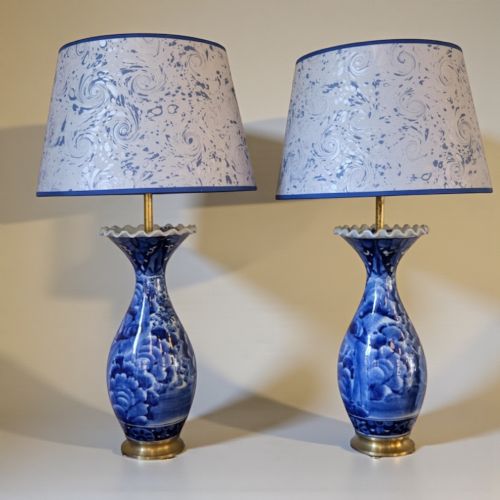
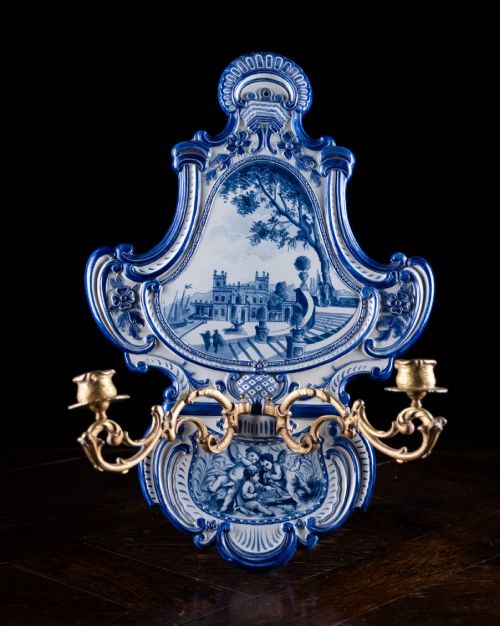
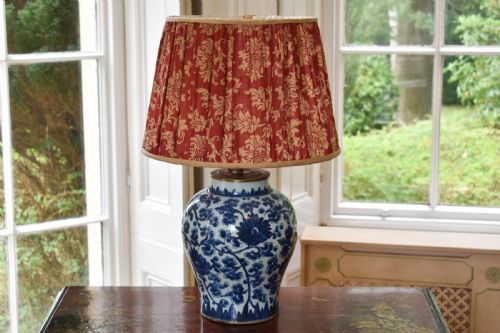
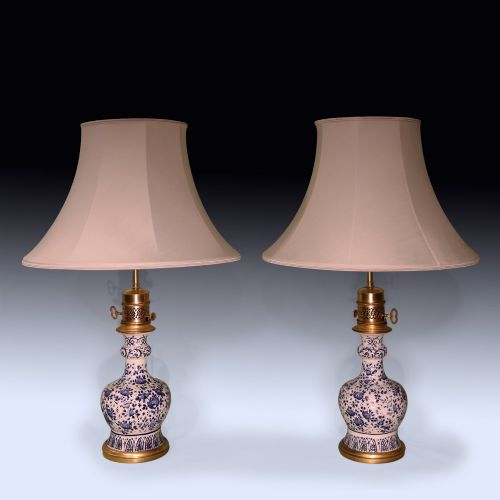
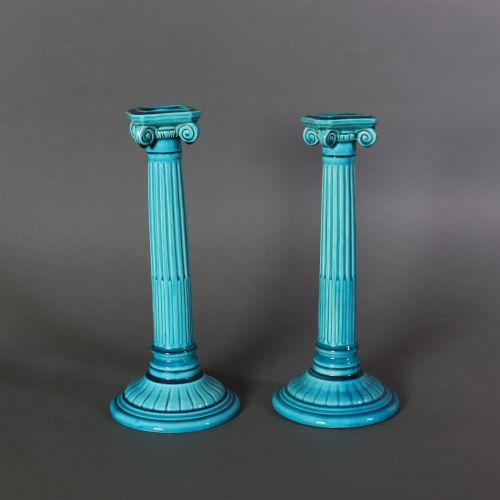
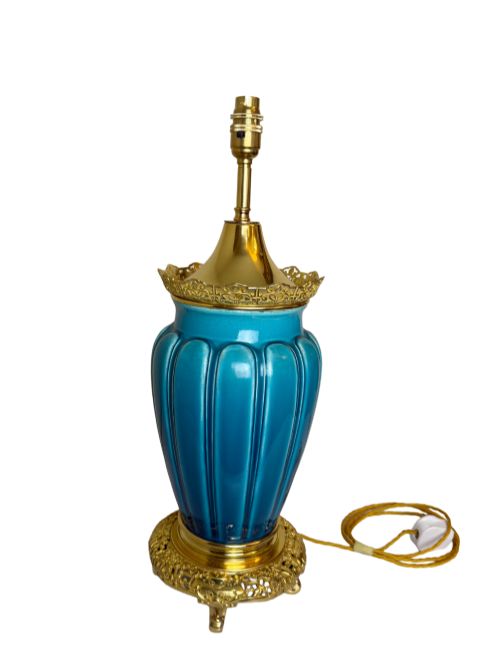
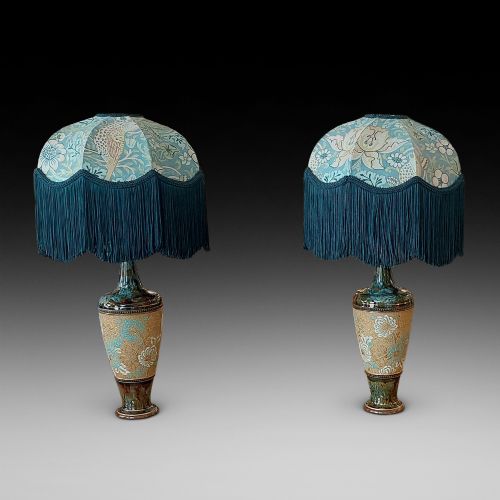
Blue ceramic lighting encompasses table lamps, wall sconces, candlesticks, and chambersticks that utilise glazed pottery bodies. Many pieces begin life as 18th-century, 19th-century, or early 20th-century vases, jars, and apothecary vessels before conversion for electrical use.
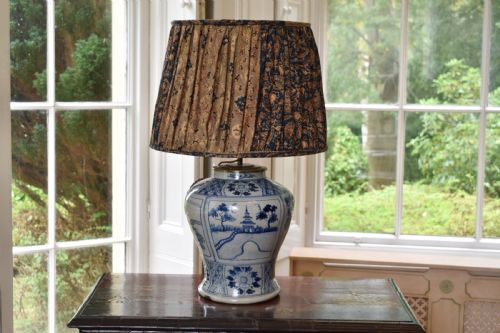
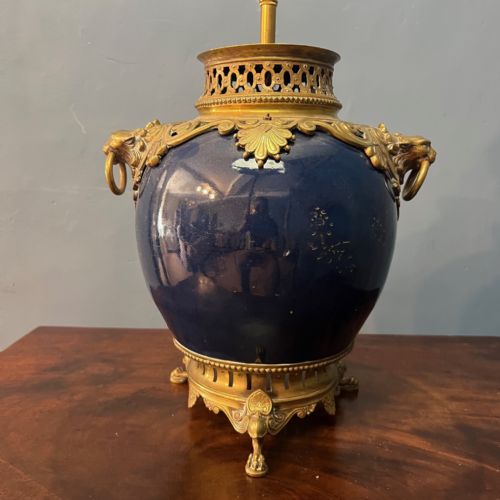
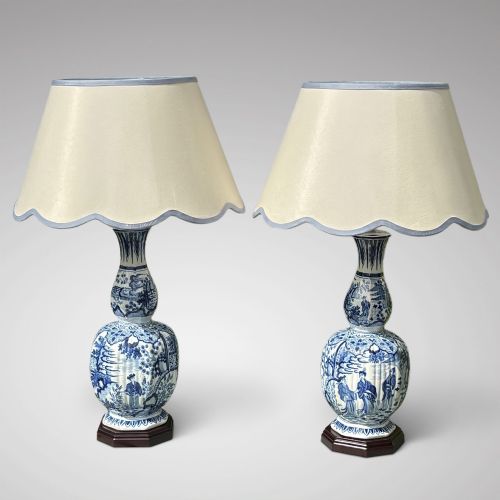
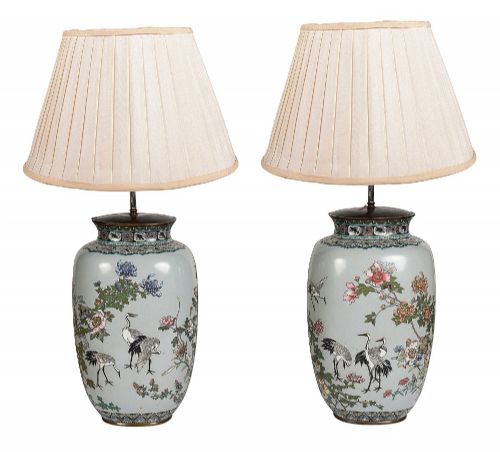
The selection ranges from Dutch Delftware and English stoneware to Chinese and Japanese export porcelain. Buyers frequently encounter matched pairs adapted from ginger jars, alongside single urns mounted on gilt bronze or brass bases.
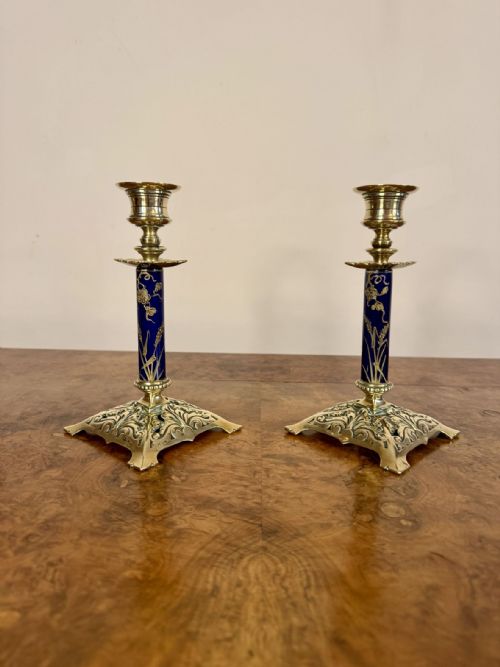
Stylistic influences stretch from Chinoiserie and Qing Dynasty export wares to Victorian brass combinations and Art Deco porcelain. Each object preserves historical ceramics within a functional lighting format.
Standards of quality
Quality rests upon the crispness of the cobalt painting, the depth of the glaze, and the historical integrity of the ceramic body. Early vessels with unblemished glazes command greater respect than later mass-produced alternatives.
The standard of metal mountings also distinguishes the range. Heavy cast ormolu, finely chased brass, and proportioned wooden bases indicate superior workshop production compared to lightweight modern replacements.
Blue Ceramic Lighting Retail Price Guide 2026
Typical asking prices for blue ceramic lighting among the pieces listed under this phrase on Sellingantiques today, from the lower quarter to the upper quarter. They describe what is for sale here now, not the wider market.
Materials across these listings span porcelain, earthenware, stoneware, brass, and silk.
Villeroy and Boch·Royal Doulton·Burmantofts Faience·Hicks and Meigh·Wedgwood
The Blue Ceramic Lighting Glossary
- Delftware
- Tin-glazed earthenware originating in the Netherlands, recognisable by its opaque white surface and painted blue decoration. It frequently appears in 18th-century lamp conversions.
- Ormolu
- Gilt bronze mounted onto furniture and ceramics, providing a decorative metallic trim around the base or neck of a lamp. It adds structural weight and visual contrast to blue porcelain.
- Ginger jar
- A storage jar with a broad shoulders and high domed lid, commonly decorated in blue and white Chinese styles and later adapted into table lamps.
- Faience
- Tin-glazed earthenware produced across European pottery centres, including British works like Burmantofts, often utilised for art pottery lamps.
- Jasperware
- A type of fine stoneware developed by Wedgwood, typically featuring contrasting colour reliefs against a coloured background such as blue.
Blue Ceramic Lighting: Frequently Asked Questions
How do I choose the right size lamp?
Consider the height of the ceramic body and the diameter of the surface where the lamp will sit. Larger ginger jar conversions require sturdy side tables, while smaller candlesticks suit smaller desks or bedside spaces.
Proportion also depends on the shade. A balanced pairing ensures the ceramic body remains the visual focus of the piece.
Are these lamps safely wired?
Many antique pieces have been rewired during conversion, but electrical standards vary across historical periods. Buyers should inspect the wiring or consult a professional electrician before connecting older fittings to a mains supply.
Retaining the original ceramic body does not preclude modern internal components, allowing safe daily use.
How do I care for antique ceramic lamps?
Dust the glazed ceramic body regularly with a soft, dry cloth to prevent grime accumulation. Avoid abrasive cleaning solutions that might harm older glazes or metallic mounts.
Handle fabric or silk shades separately to maintain their condition, brushing them gently along the grain.
How can I tell the period of a ceramic base?
Dating relies upon glaze characteristics, base markings, and the style of hand-painted decoration. Chinese export porcelain, Japanese Satsuma, and European Delft each display distinct potting techniques tied to specific centuries.
Metal mounts can also provide clues, as Regency, Victorian, and Edwardian hardware styles reflect their respective manufacturing eras.