




Blue Ceramic Flower Vases
Blue ceramic flower vases bring cobalt and azure tones into a room, offering timeless forms from eighteenth-century works to twentieth-century stoneware.
Blue Ceramic Flower Vases
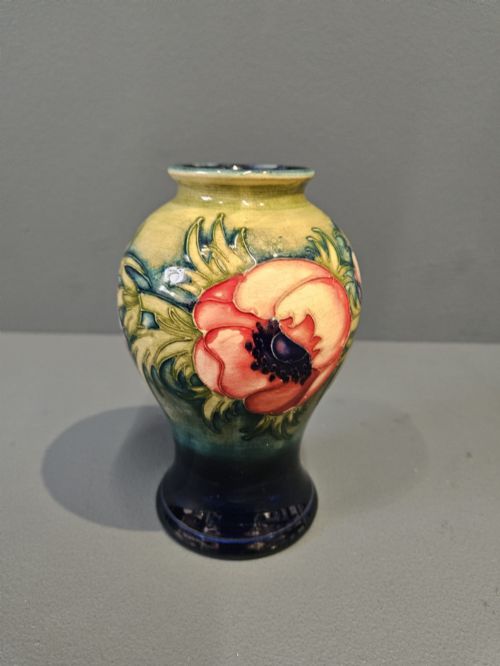
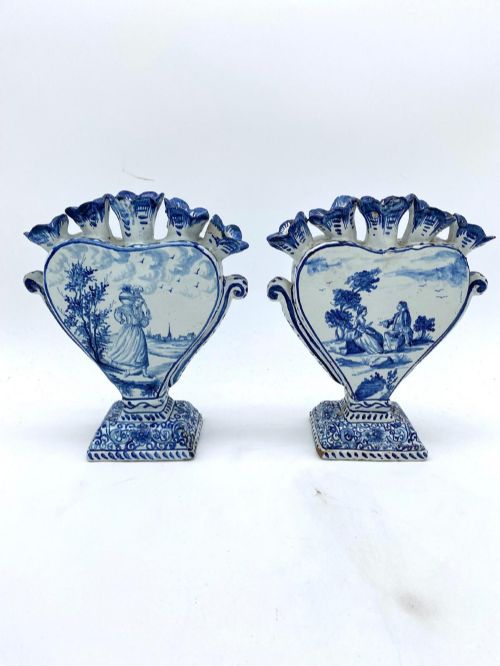
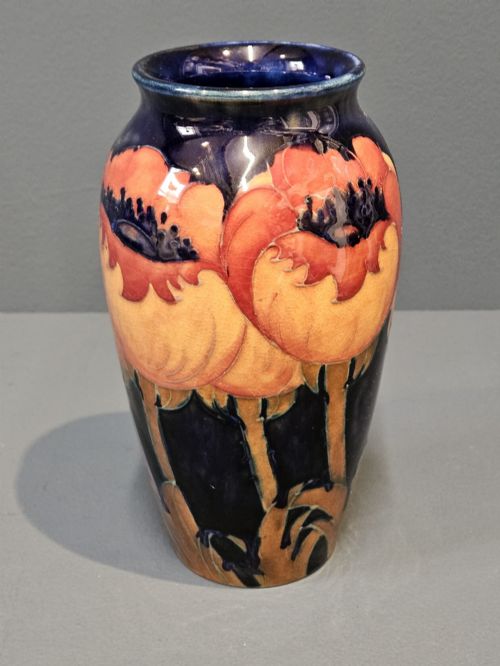
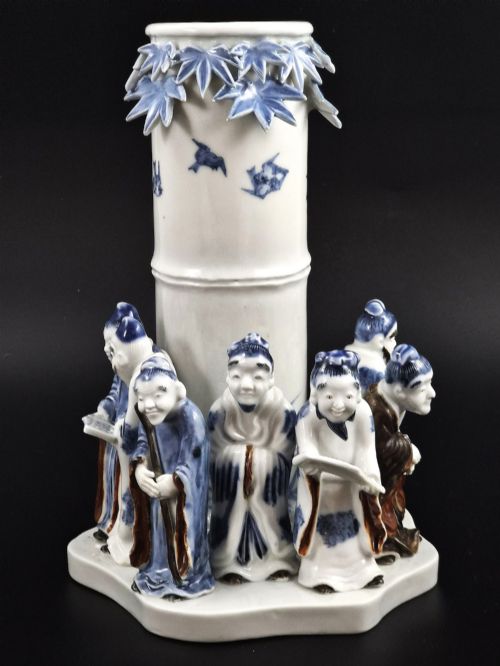
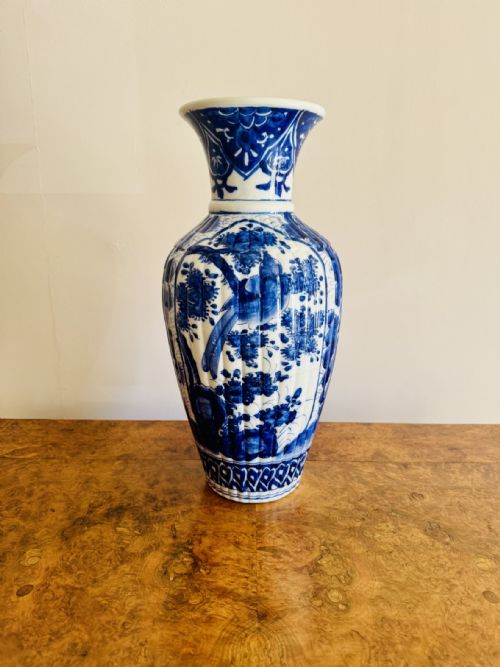
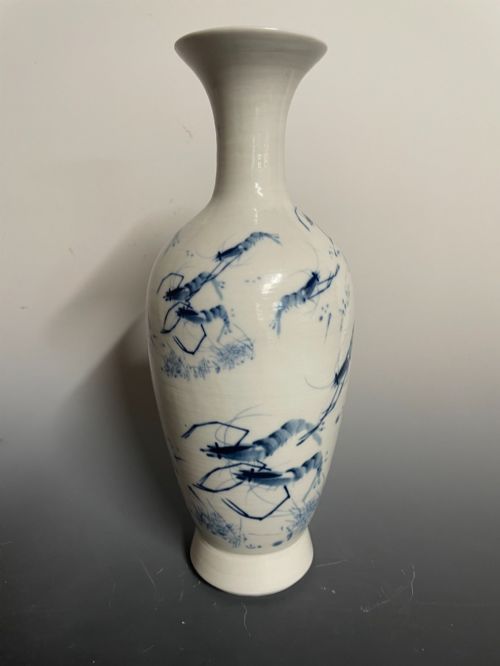
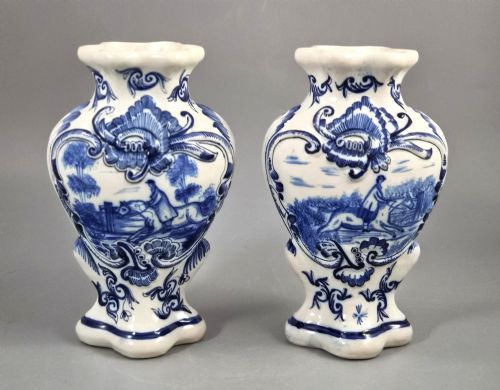
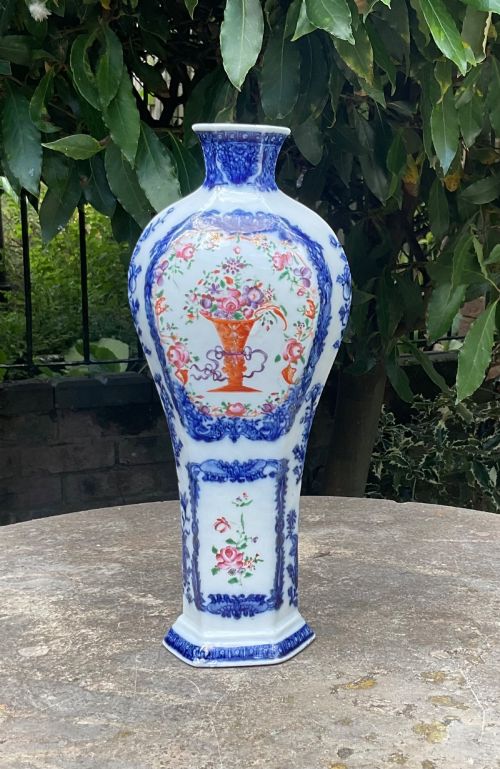
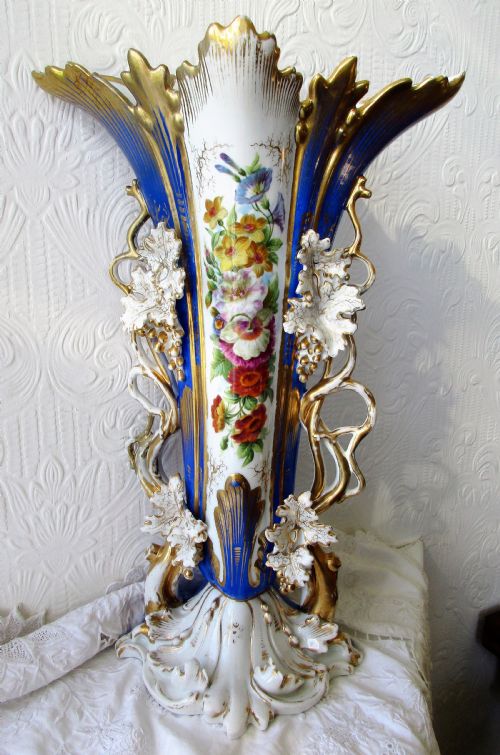
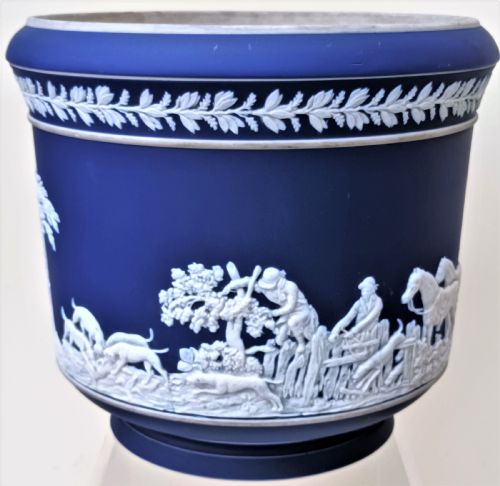
When you search for blue ceramic flower vases, you encounter a varied selection spanning multiple centuries, from eighteenth-century Chinese export porcelain to early twentieth-century British stoneware. The pieces on this page include traditional vases, planters, cachepots, and decorative jugs shaped for floral displays.
Makers from various traditions shape these objects, incorporating forms inspired by French Rococo revival, Art Nouveau curves, and Japanese Imari palettes. Buyers typically find examples ranging from miniature vessels to large jardiniere pots designed to hold stems or sit as centrepieces.
The materials span porcelain, earthenware, stoneware, and tin-glazed pottery, reflecting global manufacturing shifts over several hundred years. Each era brings distinct motifs, such as floral painted surfaces, gilt highlights, and deep cobalt glazes.
Materials and production methods
Potters shape these vessels using clay bodies such as porcelain, earthenware, and stoneware, which are then fired in kilns to achieve durability. Artisans apply tin glazes, enamel, and gold leaf to create decorated surfaces that catch the light.
Hand-painting remains a dominant technique across these items, showing intricate botanical studies, Chinoiserie birds, and geometric patterns beneath transparent or coloured glazes. Workshops utilise moulding, throwing on the wheel, and slip-casting depending on the period and the potter's intent.
Blue Ceramic Flower Vases Retail Price Guide 2026
Typical asking prices for blue ceramic flower vases among the pieces listed under this phrase on Sellingantiques today, from the lower quarter to the upper quarter. They describe what is for sale here now, not the wider market.
Listings feature works in stoneware, porcelain, and earthenware spanning the eighteenth, nineteenth, and twentieth centuries.
Assessing quality in ceramic vessels
The refinement of the glaze and the precision of the brushwork distinguish the finer examples from standard production pieces. Cobalt blue saturation varies significantly, with superior items displaying deep, even coverage without pooling or dry patches.
Form and proportion dictate success in these vessels, where crisp mould lines on stoneware or delicate potting in porcelain indicate skilled execution. Signed pieces and marked bases from established potteries add historical weight, though unmarked items often stand out through exceptional decorative painting.
Royal Doulton·William Moorcroft·Ernst Wahliss·Cantagalli·Coalport
The Blue Ceramic Flower Vases Glossary
- Famille Rose
- A palette of opaque enamel colours dominated by pink, introduced in Chinese porcelain during the eighteenth century. It frequently appears alongside blue tones and floral motifs.
- Tin-Glazed Earthenware
- Pottery coated with a tin oxide glaze that dries white and opaque, providing a smooth background for painted decoration. Dutch Delft and French faience utilise this method.
- Jardiniere
- A large ornamental pot or stand designed to hold growing plants or cut flowers. These pieces often feature matching pedestals or substantial handles.
- Imari
- A style of Japanese porcelain decorated in underglaze blue, iron red, and gold. It gained popularity in European export markets during the Edo period and later influenced Western ceramics.
Blue Ceramic Flower Vases: Frequently Asked Questions
How do I clean an antique ceramic vase?
Dust the surface gently with a soft, dry cloth to remove particles. Avoid harsh chemical cleaners and running water, especially on pieces with exposed enamel or gold leaf decoration.
For unglazed stoneware interiors, use a damp cloth without submerging the whole vessel. Preserving the original glaze requires minimal intervention and careful handling.
Can I use these vases for fresh flowers?
Many glazed porcelain and stoneware vessels hold water safely, provided the interior glaze remains intact. Test older earthenware cautiously before filling to check for historical hairline fractures.
Using a small glass insert inside delicate antique vases protects the ceramic body from moisture damage. This method allows you to display fresh stems safely.
How do I date a blue ceramic vase?
Examine the base for maker marks, impressed ciphers, and country of origin stamps. Stylistic clues such as Art Nouveau asymmetrical lines or Chinoiserie motifs also point to specific decades.
Compare the weight and texture of the clay body to known examples from periods like the nineteenth or early twentieth century. Professional reference books help match specific backstamps to manufacturing years.
Where should I display a decorative jardiniere?
Place a jardiniere on a sturdy table, sideboard, or plant stand where its weight finds secure support. Ensure the location avoids direct, harsh sunlight to protect painted enamel and gilt highlights from fading.
These pieces look effective as standalone decorative objects or filled with dried stems and botanicals. Position them at eye level to appreciate the details around the rim and body.