

Blue Ceramic Figure
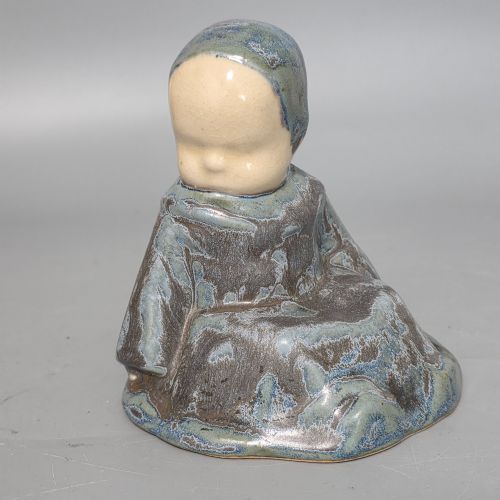
A blue ceramic figure brings character to a mantelpiece, offering collectors a diverse range of porcelain, earthenware, and stoneware spanning multiple centuries.
Blue Ceramic Figure
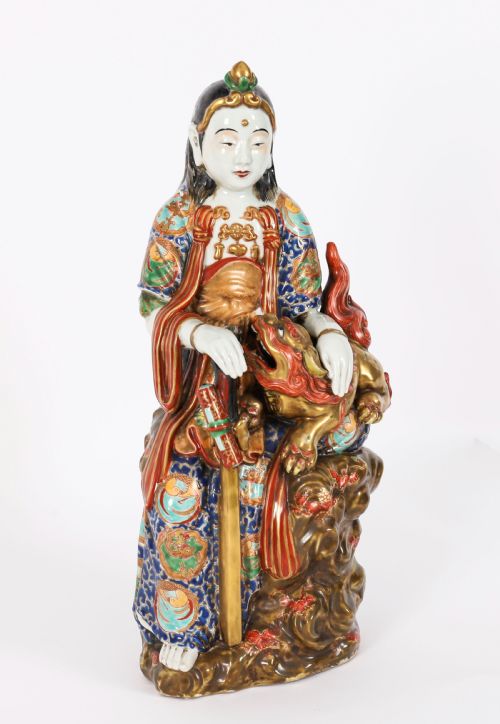
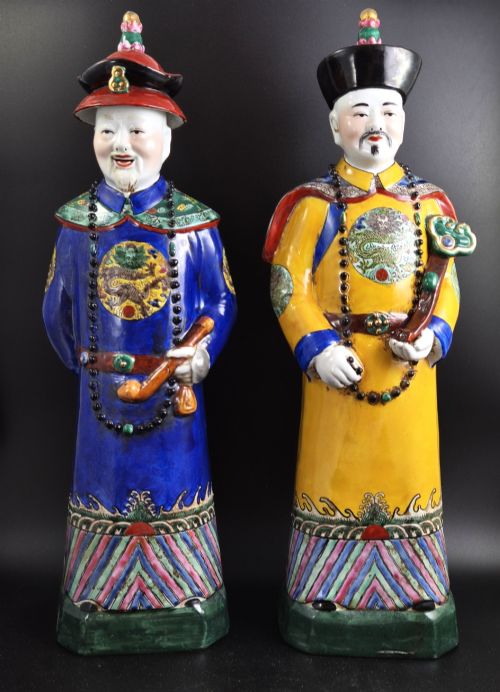
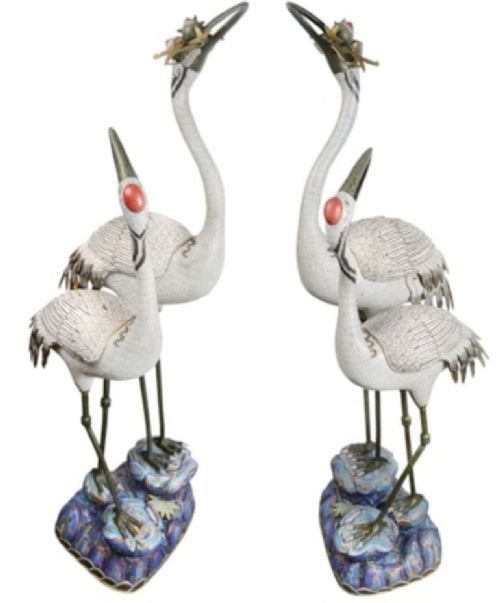
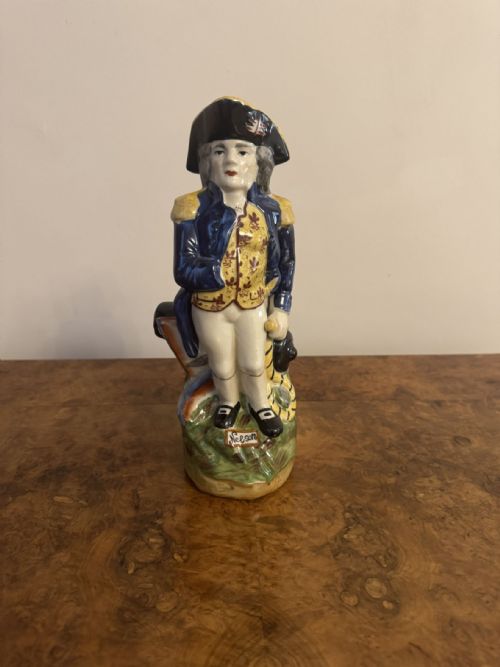
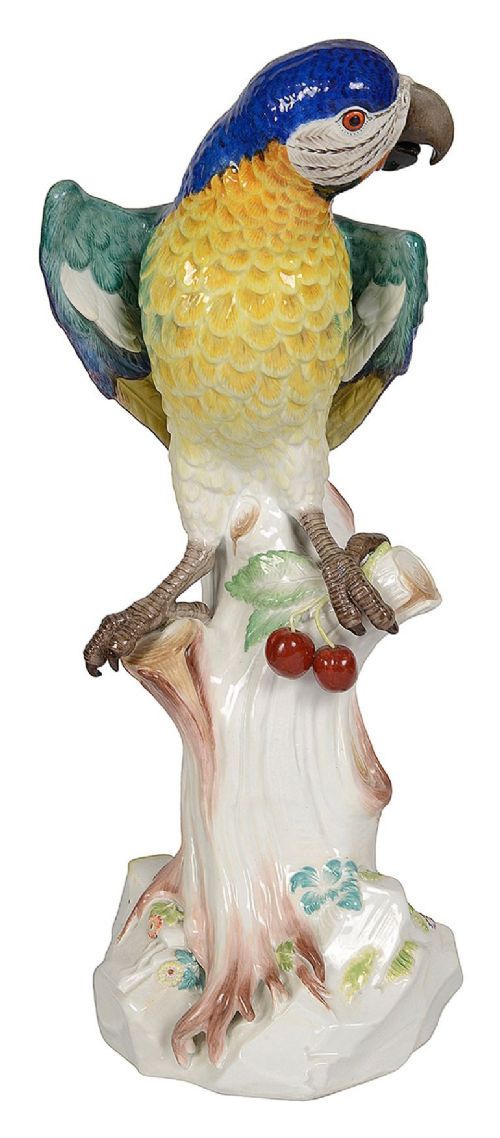
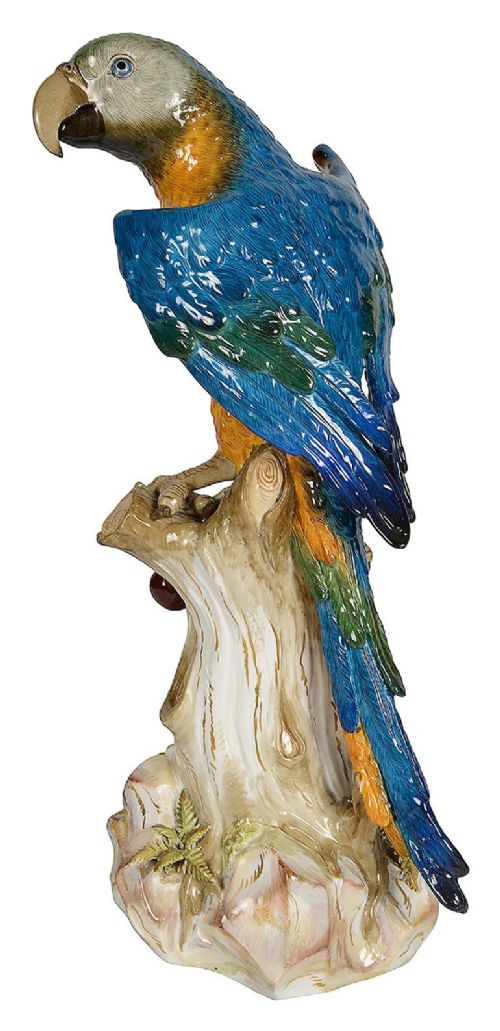
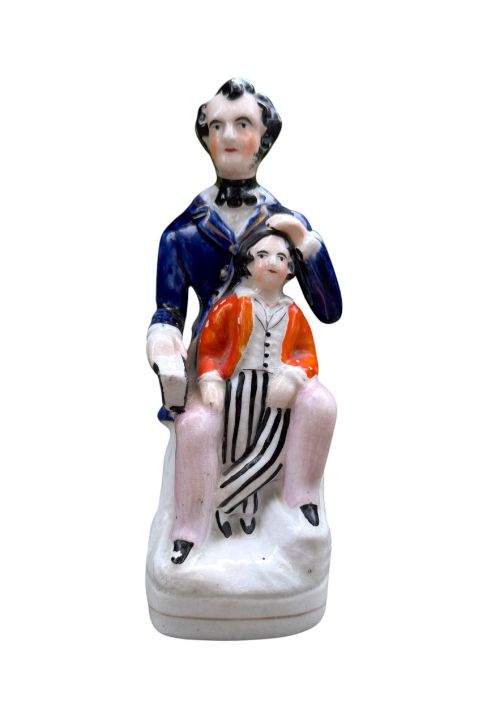
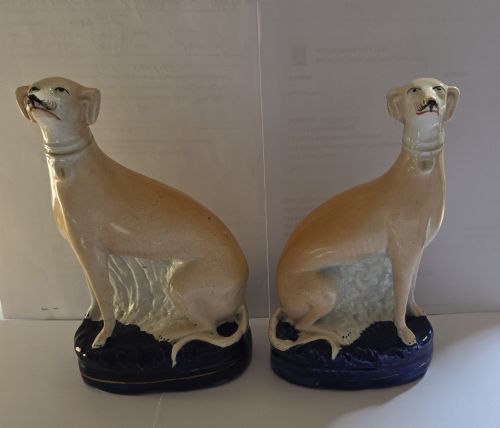
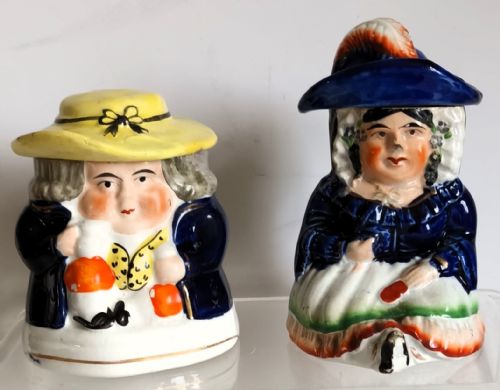
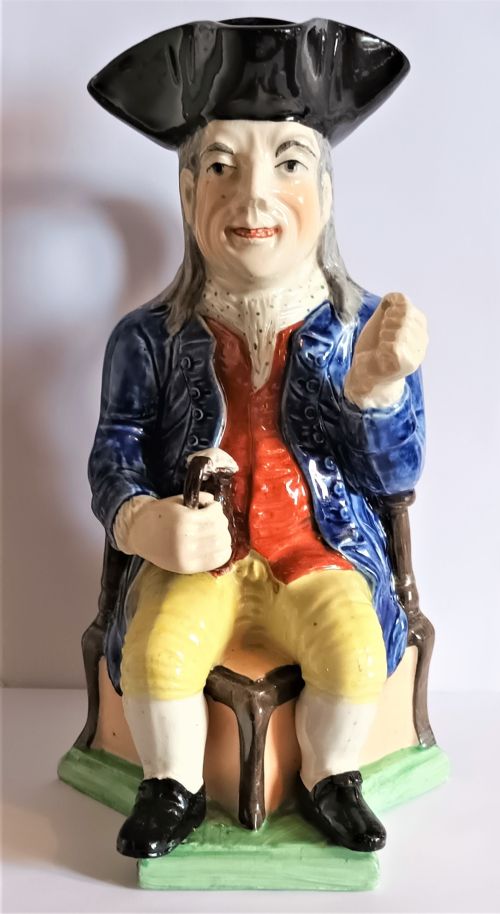
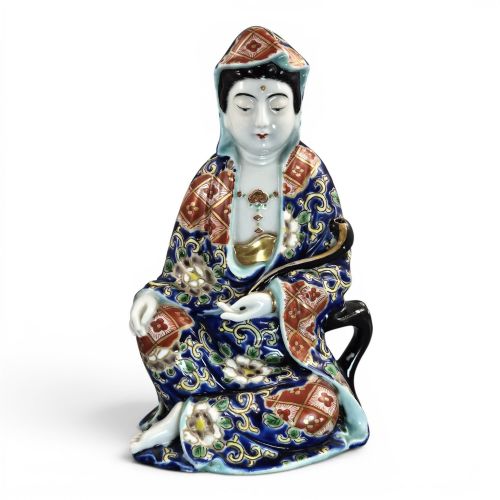
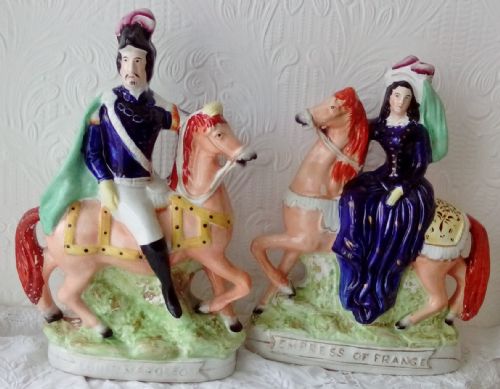
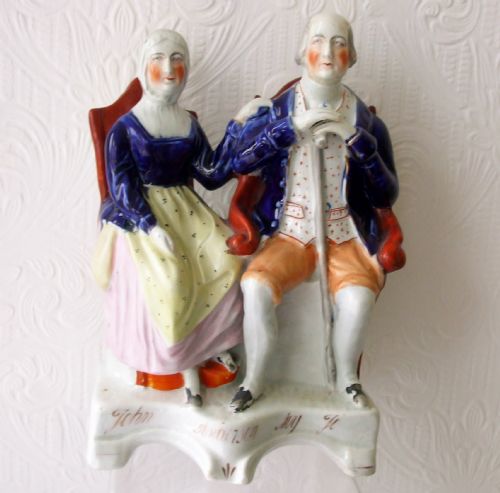
A blue ceramic figure encompasses a wide spectrum of objects, from Victorian Staffordshire pottery portraits and Staffordshire whippets to Japanese Meiji period sculptures and Meissen porcelain figures. These pieces represent varied traditions, including English earthenware jugs, French faience, and Asian ceramics.
The blue ceramic figure most frequently met on this page is the Victorian Staffordshire pottery figure, often depicting historical personalities, literary characters, or animals like seated whippets and poodles. Alongside these, continental porcelains and Japanese glazed figures appear across the nineteenth and twentieth centuries.
Materials and production methods
The construction of a blue ceramic figure relies primarily on earthenware, porcelain, and stoneware, shaped through moulding or hand-modelling techniques. Makers applied coloured glazes, enamel, and occasionally gold leaf or gilt highlights before firing the pieces in kilns.
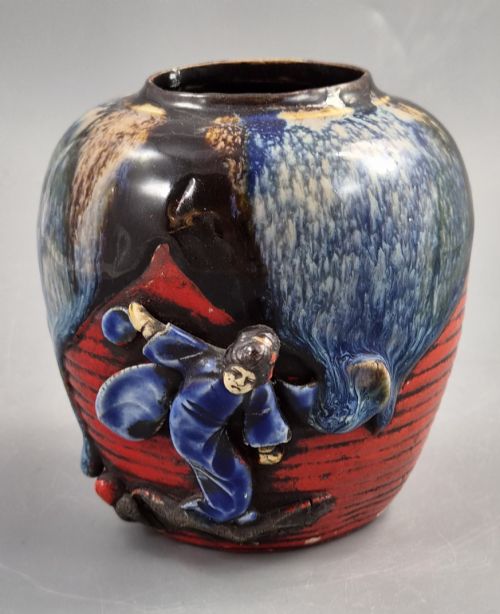
Makers utilised cobalt blue extensively to achieve the distinctive blue coloration seen in underglaze painting, delftware, and flambé glazes. Surface decoration ranges from simple hand-painted details on earthenware to intricate applied figures on Japanese Sumida Gawa wares.
Listings feature 19th Century, Victorian, 18th Century, 1910, 1920, 1900, 1860, and 1940 periods.
Factors of quality and execution
The application of glaze and enamel dictates the visual depth of the object, with well-fired pieces exhibiting smooth surfaces and rich cobalt tones. Signed works by established potteries or named modellers generally demonstrate a higher standard of artistic execution.
Berthe Savigny·George Kemper·Royal Doulton·Royal Worcester
The Blue Ceramic Figure Glossary
- Earthenware
- A porous pottery body fired at lower temperatures, commonly used for nineteenth-century Staffordshire figures. It requires an opaque or coloured glaze to hold liquids and provide a smooth surface.
- Porcelain
- A vitrified ceramic material made from clay containing kaolin, fired at high temperatures until non-porous. It produces a ringing sound when struck and allows for delicate, translucent modelling.
- Flatback
- A style of Staffordshire pottery figure moulded with a flat, undecorated reverse side designed to sit flush against a wall on a mantelpiece. These pieces were typically painted only on the front.
- Underglaze
- Pigment applied to a ceramic body before the glaze is applied and fired. This technique protects the blue colour beneath a glossy vitrified layer.
- Stoneware
- A dense, hard ceramic fired at high temperatures, impervious to liquids even without glaze. It appears in heavier sculptural works and Japanese vessels.
Blue Ceramic Figure: Frequently Asked Questions
How do I date a Staffordshire figure?
Staffordshire figures are dated by examining the modelling style, clothing details, and the type of earthenware body used. Earlier nineteenth-century pieces often feature simpler casting and distinct hand-painted facial expressions.
Secondary clues include the presence of flatbacks, vent holes underneath, and the specific shades of cobalt blue and enamel colours applied before the final firing.
What is Japanese Meiji period ceramic art?
The Meiji period covers the late nineteenth and early twentieth centuries, a time when Japanese kilns produced intricate porcelain and stoneware for both domestic use and export. These works frequently incorporate distinct glazes such as flambé or turquoise.
Figures from this era often depict historical personages, folklore figures like Guanyin, or applied elements such as karako figures climbing on vases.
Where should I display ceramic figures?
Ceramic figures are traditionally displayed on mantelpieces, bookshelves, or dedicated display cabinets away from direct, harsh sunlight. Flatback Staffordshire pieces suit narrow shelves because their unglazed, flat rears sit securely against walls.
Placing them at eye level allows the observer to appreciate the painted details, cobalt blue glazes, and facial expressions of the figurines.
How do I clean antique ceramic figures?
Cleaning antique ceramic figures requires a soft, dry brush to gently remove dust from crevices and painted surfaces. Avoid using water, detergents, or abrasive cloths, as these can damage fragile enamels, gold leaf, or aged earthenware bodies.
If a piece requires deeper conservation cleaning, consult a professional restorer rather than attempting chemical treatments at home.