


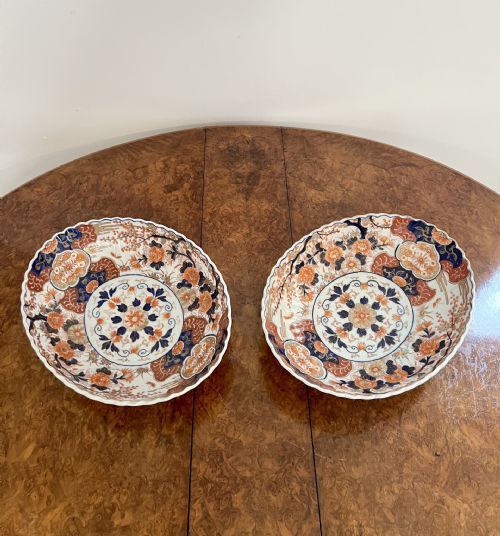


Blue Ceramic Display Bowl
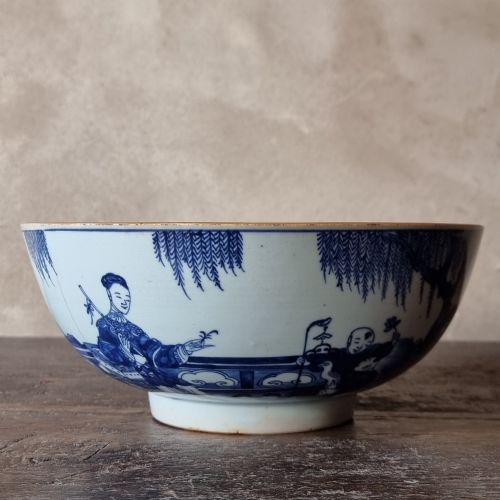
A blue ceramic display bowl brings centuries of painted cobalt and refined form into a room.
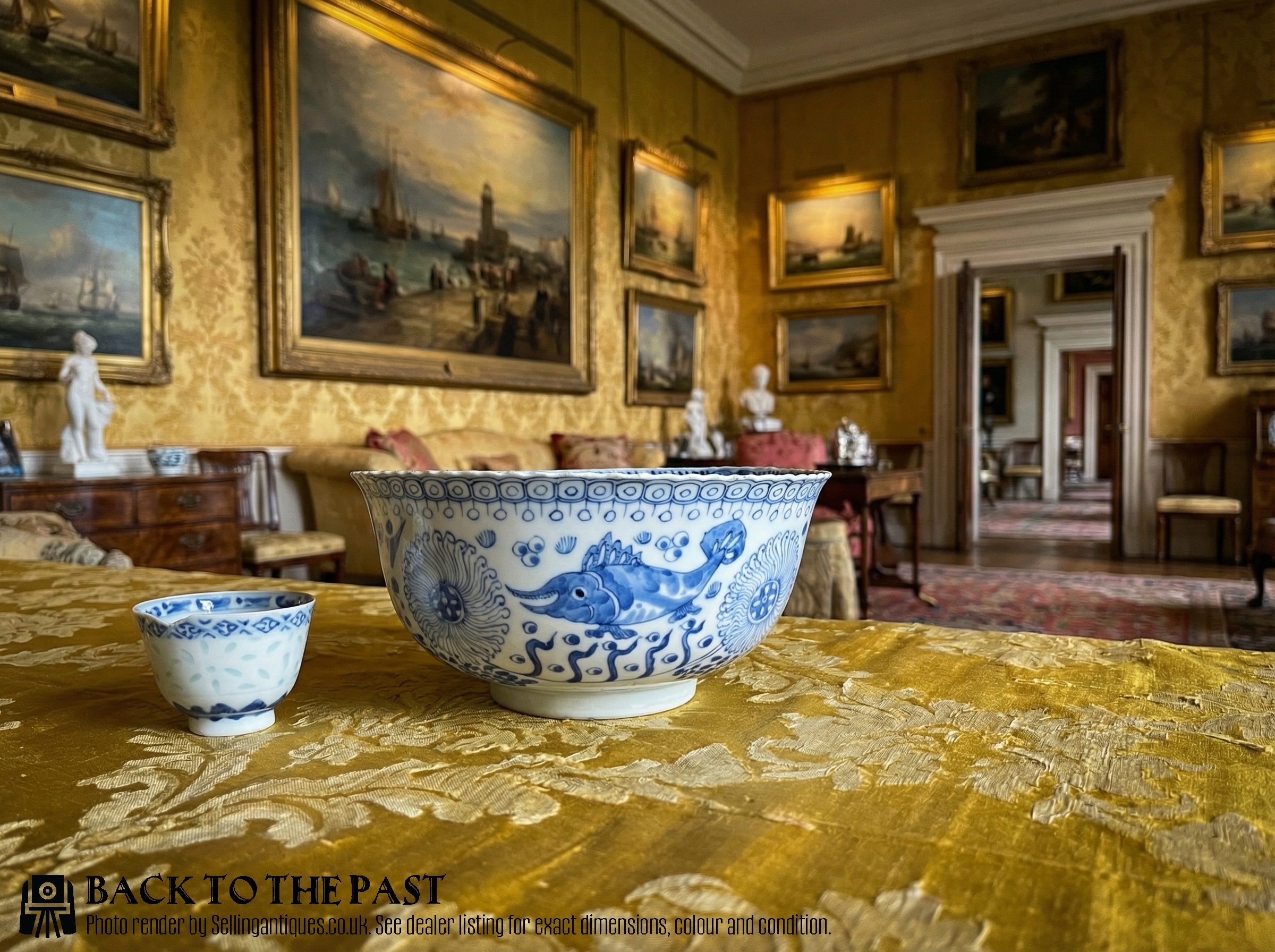
Blue Ceramic Display Bowl
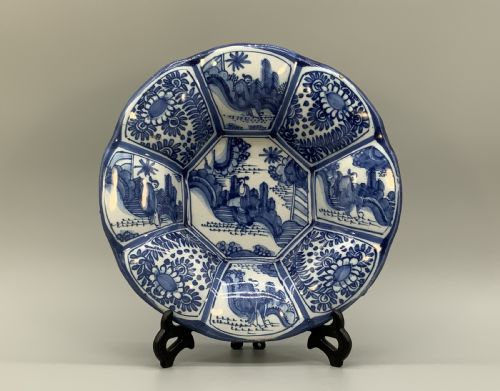
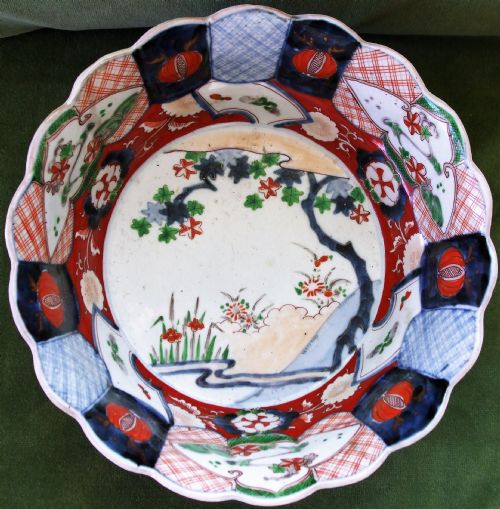
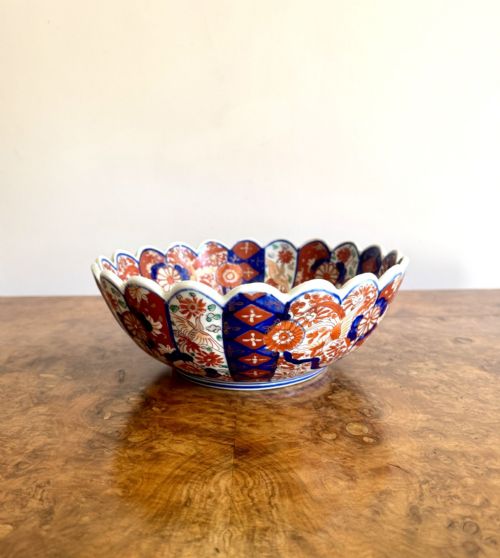
A blue ceramic display bowl covers centuries of ceramic artistry, from early Chinese production to Japanese Arita kilns and European Delftware. When searching for a blue ceramic display bowl, the most common discoveries are Japanese Imari pieces produced around nineteen hundred alongside earlier examples from the seventeenth and eighteenth centuries.
The forms range from deep punch bowls and conical vessels to scalloped plates and large chargers. These objects were made to sit on surfaces as decorative focal points, utilising traditional cobalt pigments and tin glazes to create striking visual contrast.
Materials and production methods
Potters relied on refined porcelain and earthenware bodies, shaping them by hand or on the wheel before applying mineral glazes. Cobalt glaze provided the deep blue tones seen across Chinese, Japanese and European wares.
Selected pieces incorporated tin-glazed earthenware techniques or added details in gold leaf and gilding over the fired surface. Firing took place in traditional kilns where temperature control determined the clarity of the glaze and the intensity of the blue pigment.
Watch for a bowl depicting a moonlit samurai battle alongside ships that sailed far beyond domestic borders.
Assessing quality in ceramic vessels
Quality rests in the precision of the hand-painted brushwork and the depth of the cobalt pigment against the white ground. Finer pieces display crisp definition in motifs such as phoenix, peony and figural battle scenes.
The weight of the porcelain, the symmetry of scalloped or lobed edges, and the stability of tripod feet distinguish standard production from exceptional studio outputs.
Daisy Makeig Jones Wedgwood·Kinkozan Kyoto Satsuma·Coalport
The Blue Ceramic Display Bowl Glossary
- Imari
- A style of Japanese porcelain featuring underglaze blue and overglaze iron red, gold and black. This aesthetic originated in Arita and gained immense popularity for export.
- Delftware
- Tin-glazed earthenware produced in the Netherlands and England, mimicking Chinese blue and white porcelain. The opaque white glaze provides a smooth canvas for painted cobalt decoration.
- Arita
- The Japanese town central to the production of porcelain from the early seventeenth century onwards. Kilns in this region supplied domestic and international markets with finely potted vessels.
- Kraak
- Chinese export porcelain characterised by panelled borders and central landscape or floral motifs. It was widely imitated in Europe during the seventeenth century.
Blue Ceramic Display Bowl: Frequently Asked Questions
How do I date a blue ceramic display bowl?
Dating relies on identifying stylistic markers, potting techniques and kiln origins recorded in the physical structure of the bowl. Periods range from seventeenth-century Arita production to early twentieth-century Japanese Imari.
Examining the foot ring, glaze pooling and brushwork style helps separate eighteenth-century examples from later nineteenth-century interpretations.
What is the difference between porcelain and earthenware?
Porcelain is fired at much higher temperatures using refined china clay, resulting in a vitrified, non-porous body that often rings when struck. Earthenware utilises coarser clay and requires a glaze, such as tin glaze, to become completely sealed.
Many display bowls utilise porcelain for its durability and fine walls, while European Delftware relies on tin-glazed earthenware.
How should I display a large ceramic bowl?
Large chargers and deep bowls sit securely on sturdy wooden display stands or occupy the centre of a table or sideboard. Their size and painted cobalt surfaces draw the eye across the room.
Placement should avoid areas of direct foot traffic or unstable ledges to protect the glazed edges.
What does Imari mean on a ceramic bowl?
Imari refers to porcelain exported from the Japanese port of Arita, traditionally decorated in underglaze blue alongside contrasting iron red and gold. This distinct palette was created for both domestic use and the European export market.
Pieces bearing this style range from seventeenth-century origins to later Meiji period revivals.