


Blue Carved Side Table
A blue carved side table brings painted depth and sculptural detail to a room, ranging from Gustavian surfaces to ornate Chinoiserie.
Blue Carved Side Table
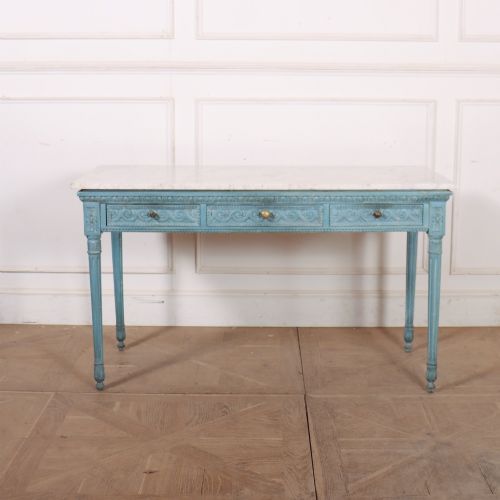
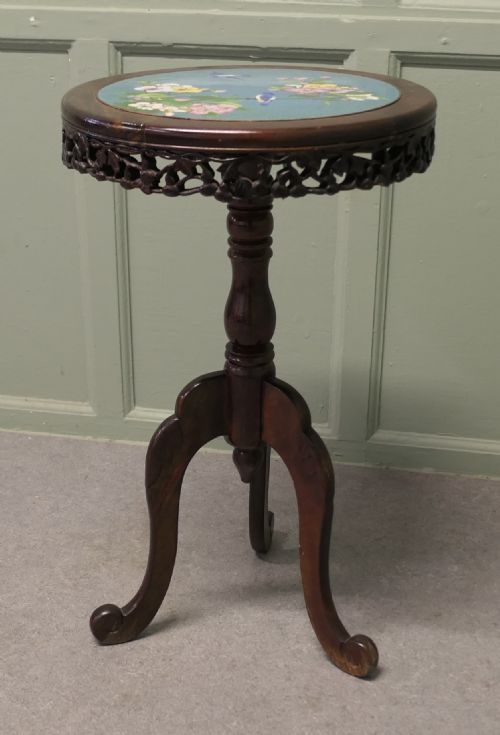
A blue carved side table encompasses painted occasional furniture, consoles, lamp tables and bedside cabinets originating from the eighteenth century to the early twentieth century. The selection includes French Provincial, Gothic Revival, Italian Neoclassical and Chinoiserie styles.
Buyers will encounter painted pine, timber and mahogany structures, frequently paired with marble tops, brass accents or fabric details. Forms vary from serpentine console tables and wine tables to bedside cabinets and gueridons.
How they were made
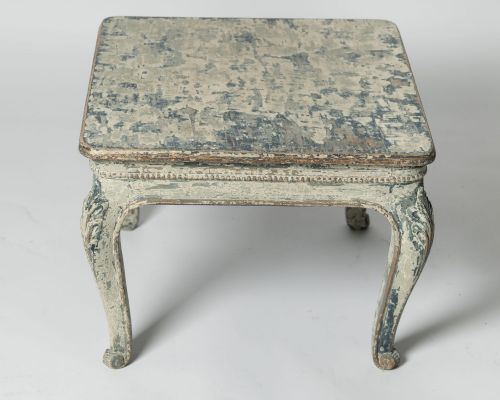
Carpenters utilised solid woods such as pine, timber and mahogany, shaping them into serpentine forms, consoles and occasional tables using traditional joinery methods. Surfaces received layered paint applications in blue and allied tones, sometimes incorporating decorative motifs like birds and flowers.
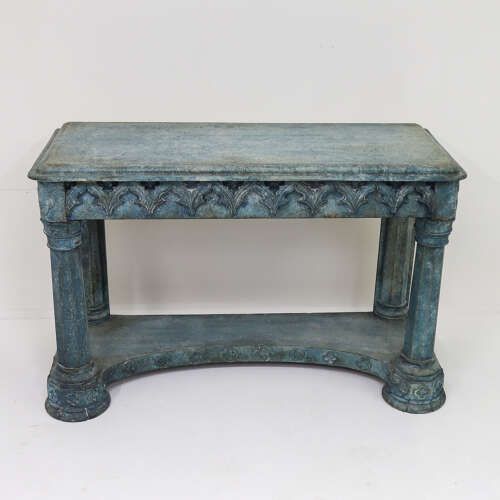
Many examples integrate inset marble tops or brass fittings, whilst specialised pieces feature intricate hand carving in Gothic, neoclassical or Chinoiserie tastes.
Styles represented include French Provincial, Gothic Revival, Chinoiserie, Gustavian and Italian Neoclassical.
What varies in quality
Quality rests in the crispness of the hand carving and the depth of the painted surface, where layered historical pigments hold greater visual weight than flat modern applications. The integration of materials, such as a well-fitted marble top on a carved pine or timber base, elevates the construction.
Proportion and stylistic coherence dictate the distinction between vernacular pieces and high-style console or lamp tables executed within specific regional traditions like the French or Italian neoclassical movements.
The Blue Carved Side Table Glossary
- Console table
- A table designed to stand against a wall, frequently secured to it or supported by ornamental brackets.
- Gueridon
- A small occasional table, often supported by a central pillar or figures, originating in seventeenth-century France.
- Chinoiserie
- The European interpretation and imitation of Chinese artistic traditions, popular in decorative arts and furniture.
- Serpentine
- A furniture form featuring a undulating front line with a convex centre flanked by concave curves.
- Gothic Revival
- An architectural and decorative style drawing inspiration from medieval Gothic forms and pointed arch motifs.
Blue Carved Side Table: Frequently Asked Questions
Where should I place a blue carved side table?
These tables suit hallways, living rooms and bedrooms as lamp tables, wine tables or bedside surfaces where the painted finish adds colour.
Their compact footprints allow them to function effectively against walls or beside seating arrangements without dominating the room.
How do I identify the period of a painted table?
Dating relies on construction methods, timber types and the wear patterns visible beneath the painted surface.
Stylistic cues from Gothic Revival, French Provincial or neoclassical designs also help narrow down the century of manufacture.
Are marble tops original to these tables?
Many French and Italian console and lamp tables incorporated fitted marble slabs to provide a durable and decorative surface.
Examining the rebate and the alignment between the stone and the wooden frame helps confirm the relationship.
How do I care for painted wooden furniture?
Maintain the painted finish by dusting with a soft dry cloth and avoiding direct sunlight or excessive moisture.
Harsh chemical cleaners can damage historical paint layers, so gentle cleaning methods remain essential.