


Blue Canvas Still Life
A blue canvas still life brings quiet domestic harmony and rich colour into a room through oil paint on fabric.
Blue Canvas Still Life
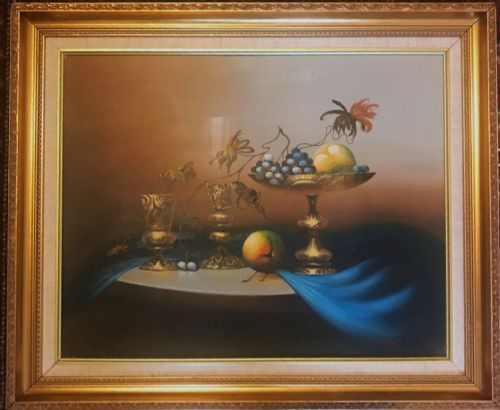
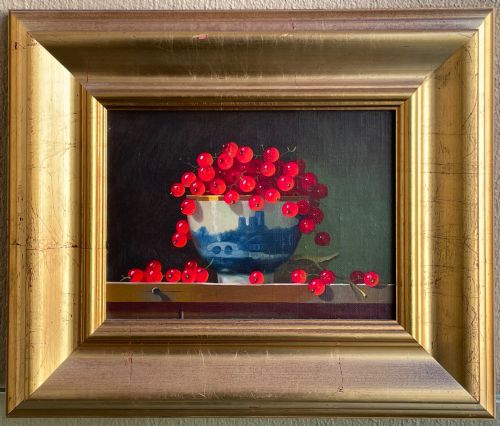
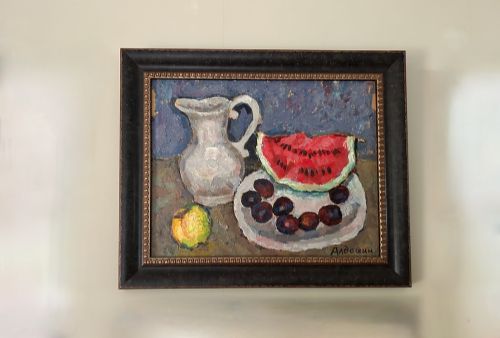
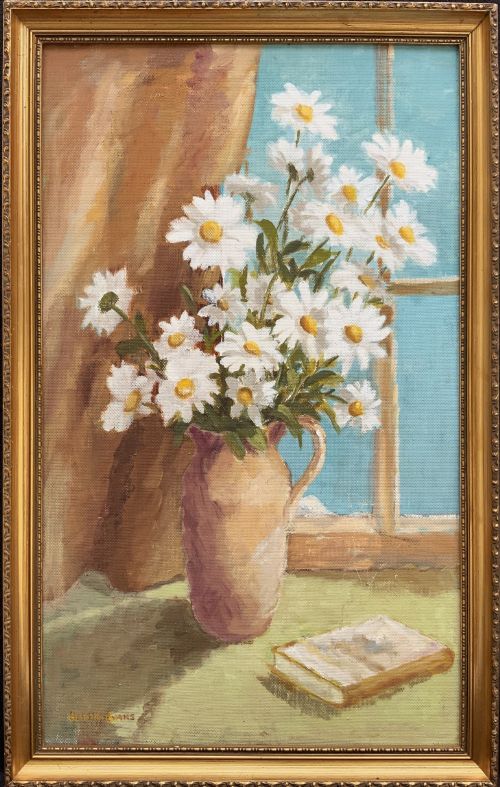
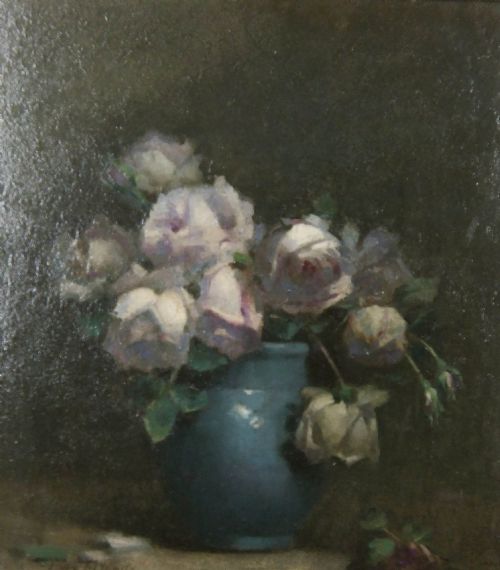
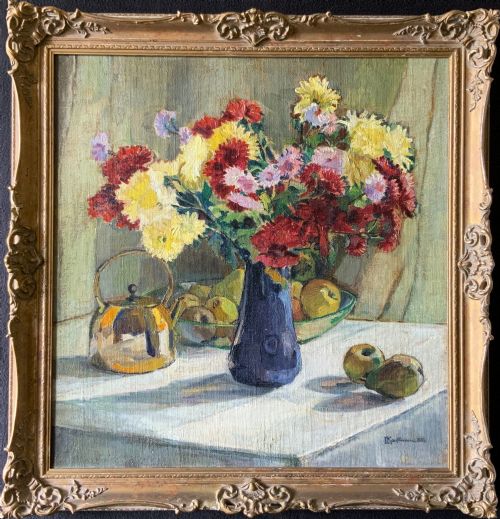
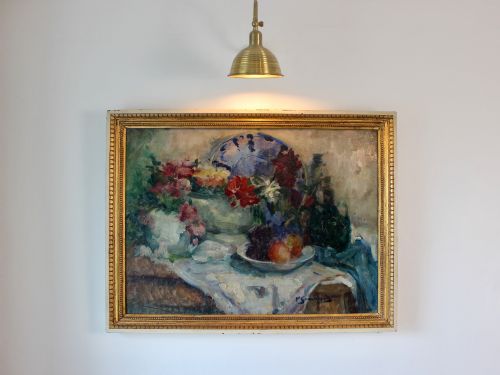
A blue canvas still life captures composed arrangements of fruit, flowers, and household vessels set against or within cool azure tones. These works span from the nineteenth century through the mid-century modern era, capturing domestic scenes and floral studies.
Buyers meet works executed in styles ranging from post-impressionism and art deco to classical realism. The compositions frequently incorporate blue jars, vases, and bowls holding botanical subjects or gathered fruit.
How they were made
Artists built these works primarily using oil paint applied to woven canvas or board supports, sometimes supplemented by tempera. Many pieces retain their original wooden frames, frequently finished in gilt to complement the painted palette.
The application ranges from smooth academic realism to visible, expressive brushstrokes characteristic of mid-century impressionism and colourist approaches.
Several artists hid lucky charms and domestic pets among the fruit and blue jugs.
What varies in quality
The strength of a piece rests in the confidence of the brushwork and the harmony of the tonal palette, particularly how the blue elements anchor the composition. Works by recognised painters command attention for their distinct handling of light and interior space.
Surface preservation, including the stability of the oil paint on its canvas support and the integrity of the original frame, defines the standing of individual examples.
Jozsef Molnar·Ian Parker·Vladimir Aldoshin·William Thomas Wood·Victor Simonin·Owen Bowen·Stuart Armfield·John Gilbey Bowles·Margaret Evangeline Wilson·Markey Robinson·John Burns Robertson·Jurrien Beek
The Blue Canvas Still Life Glossary
- Oil paint
- A slow-drying paint made by combining pigments with a drying oil, typically linseed. This medium allows artists to blend tones and build rich, textured surfaces on canvas.
- Impressionism
- A nineteenth-century painting style focused on capturing the visual impression of a moment, paying attention to shifting light and unblended brushwork. It appears frequently in mid-century interpretations on this page.
- Post-Impressionism
- A diverse artistic movement extending impressionism while rejecting its limitations, favouring more symbolic use of colour and heavier geometric structure. Artists often applied this to domestic still life arrangements.
- Art Deco
- A design style prevalent during the 1920s and 1930s characterised by sleek lines and stylised forms. In painting, it influences the arrangement of interior objects and flat planes of colour.
Blue Canvas Still Life: Frequently Asked Questions
What periods do these paintings come from?
The selection spans from the late nineteenth century through the 1960s, encompassing distinct movements like art deco and mid-century impressionism. Many pieces cluster around the interwar decades and the post-war period.
This variety reflects changing approaches to domestic representation, moving from traditional realism towards more colourist and abstracted interior studies.
How should I hang an oil painting on canvas?
Ensure the wall is away from direct sunlight and fluctuating heat sources, which can dry out both the canvas and the wooden frame. Use appropriate picture wire and wall fixings rated for the weight of the framed piece.
Allow the painting to sit at eye level where ambient indoor light can properly illuminate the painted brushwork and tonal depths.
What is the difference between canvas and board supports?
Canvas is a woven fabric stretched over a wooden frame, offering slight give and a textured surface for oil paint. Board provides a rigid, inflexible support that artists frequently utilised for smaller or more direct studies.
Both materials appear across the periods represented, often determining the weight and framing requirements of the finished artwork.
How do I identify a mid-century still life?
Mid-century works often feature simplified forms, flattened perspectives, and vibrant applications of colour inspired by post-impressionist traditions. The subjects remain traditional, such as fruit or flowers, but the handling emphasises texture and mood over strict realism.
Signatures, framing materials, and stylistic cues often help date these works to the decades following the Second World War.