



Blue Boat Artwork
Blue boat artwork gathers maritime scenes in watercolour, oil and ink spanning the nineteenth century through the mid-twentieth century.
Blue Boat Artwork
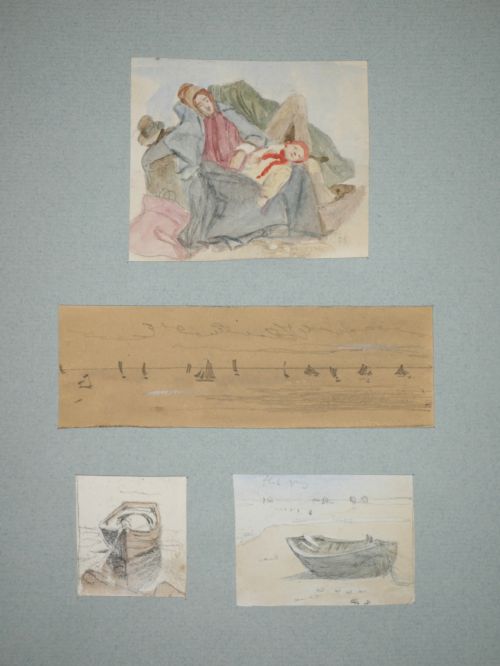
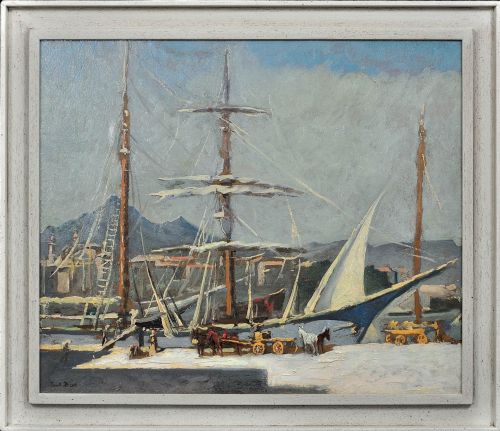
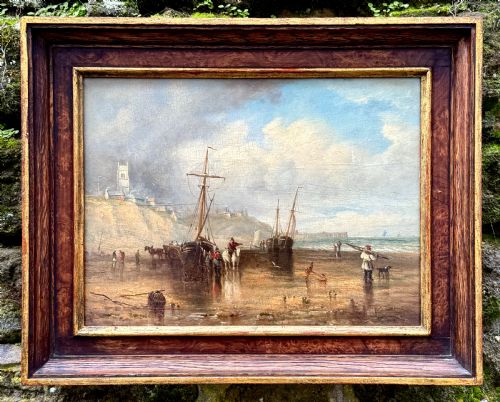
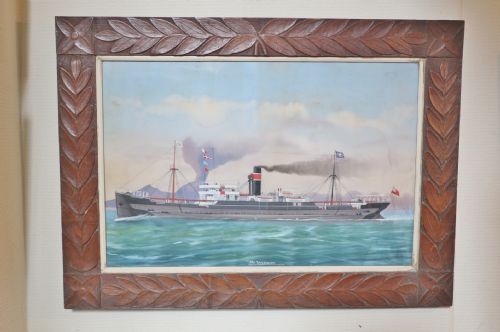
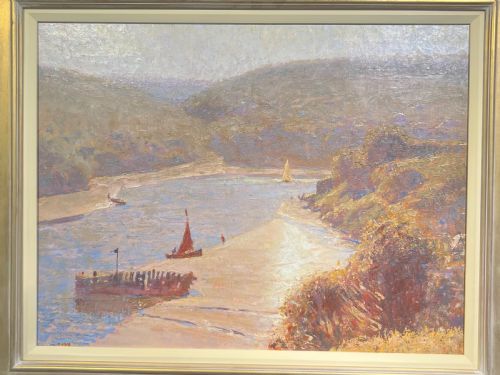
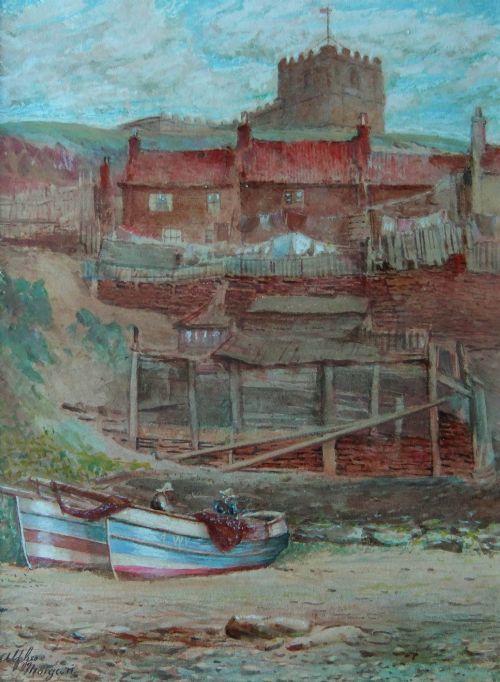
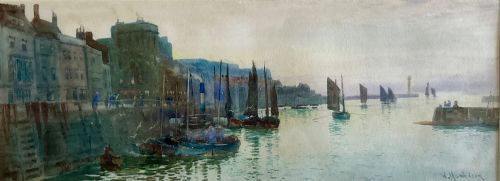
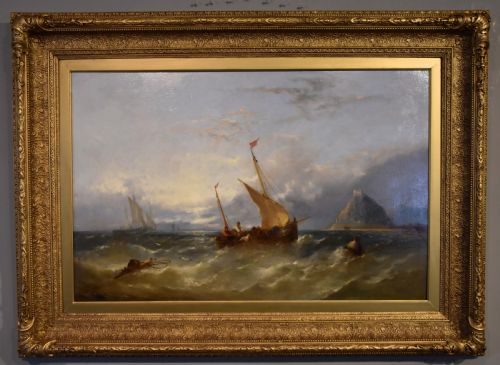
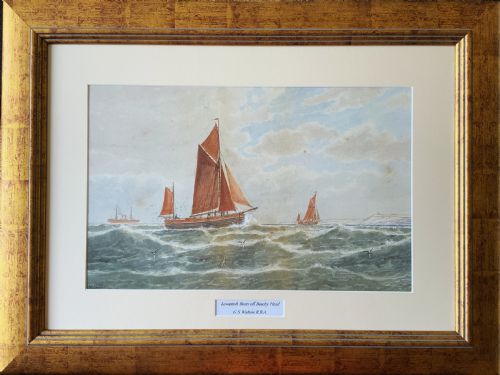
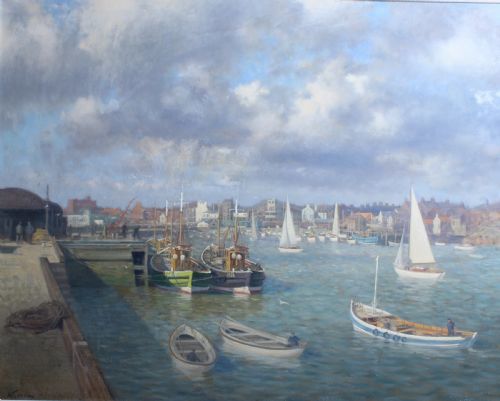
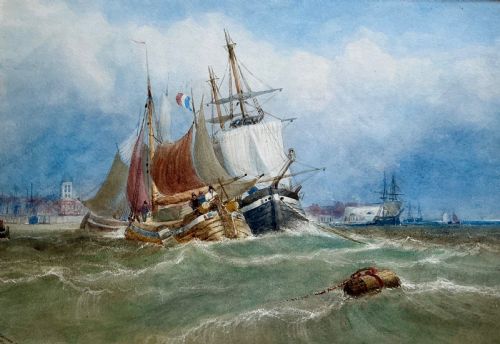
Blue boat artwork centres on maritime paintings and works on paper capturing coastal scenes, harbour views and open seas. These pieces range from nineteenth-century watercolours of British fishing fleets to mid-century oil paintings on canvas and wood panels depicting European ports.
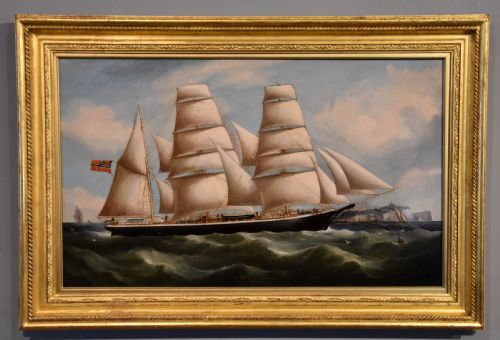
Buyers encounter traditional maritime realism, Victorian marine art and British impressionism. The selections vary from detailed depictions of steamships and barques to looser atmospheric harbour sketches executed across various decades.
Materials and construction methods
Artists painted these marine scenes using watercolour on paper or oil paint applied to canvas, wood panels and card. Watercolours rely on translucent washes to capture coastal light, whereas oil paintings utilise heavier impasto techniques to build texture in sea and sky.
Surviving examples feature period framing in wood and glass, protecting delicate works on paper or framing stretched canvas supports bearing signatures and studio attributions.
Mediums include watercolour, oil paint and ink deployed within British and European coastal schools.
Determining quality in marine works
Quality rests upon the artist's handling of light, movement and atmosphere within the maritime setting. Stronger pieces demonstrate confident brushwork and precise topographical or nautical detail rather than rigid, formulaic composition.
The integrity of the medium also dictates value, with well-preserved watercolours retaining their original pigment depth and oil paintings showing stable canvas tension and minimal surface craquelure.
James Orrock·Thomas Creswick·Thomas Bush Hardy·George Stanfield Walters·Edward Seago
The Blue Boat Artwork Glossary
- Watercolour
- A painting method where fine pigment is suspended in a water-based solution. It creates translucent washes particularly suited to coastal skies and shifting seas.
- Impasto
- Paint applied thickly to a canvas or panel so that it stands out from the surface. This technique allows artists to render the tactile weight of crashing waves.
- Seascape
- A work of art depicting the sea, coastal views, harbours or shipping vessels. These subjects formed a central pillar of nineteenth and twentieth-century marine art.
- Barque
- A sailing vessel with three or more masts. Such ships frequently appear as focal points in period oil paintings documenting maritime trade.
Blue Boat Artwork: Frequently Asked Questions
What periods do these paintings cover?
The works span from the nineteenth century through the Edwardian era up to the mid-twentieth century. This timeline captures shifts in maritime art from traditional realism to impressionistic interpretations.
Collectors find dated pieces and attributed works reflecting distinct stylistic developments across British and European coastal communities.
How do I care for watercolour marine art?
Watercolour paintings require protection from direct sunlight to prevent fading of sensitive pigments. Framing behind conservation glass with neutral pH mounts guards the paper against humidity and environmental damage.
Keep these works on interior walls away from damp spaces and sudden temperature fluctuations to preserve the integrity of the paper and medium.
What subjects appear in these scenes?
The compositions feature fishing boats, steamships, barques and sailing yachts navigating harbours, estuaries and open coastal waters. Locations range from British fishing ports like Whitby and St Ives to Mediterranean harbours in Italy and France.
Artists recorded daily maritime commerce, coastal villages at low tide and stormy seas under changing weather conditions.
How are oil paintings on canvas structured?
Traditional oil paintings utilise woven canvas stretched over wooden frames, sometimes secured with wedges at the corners to maintain proper tension. Artists built up the imagery using layers of oil paint over preparatory grounds.
Many retain their original period frames which complement the aesthetic of the marine subject matter.