


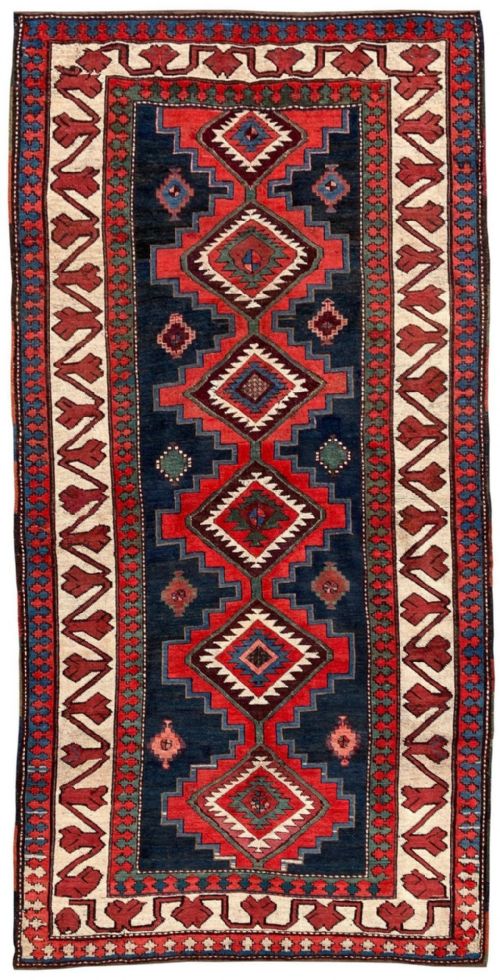
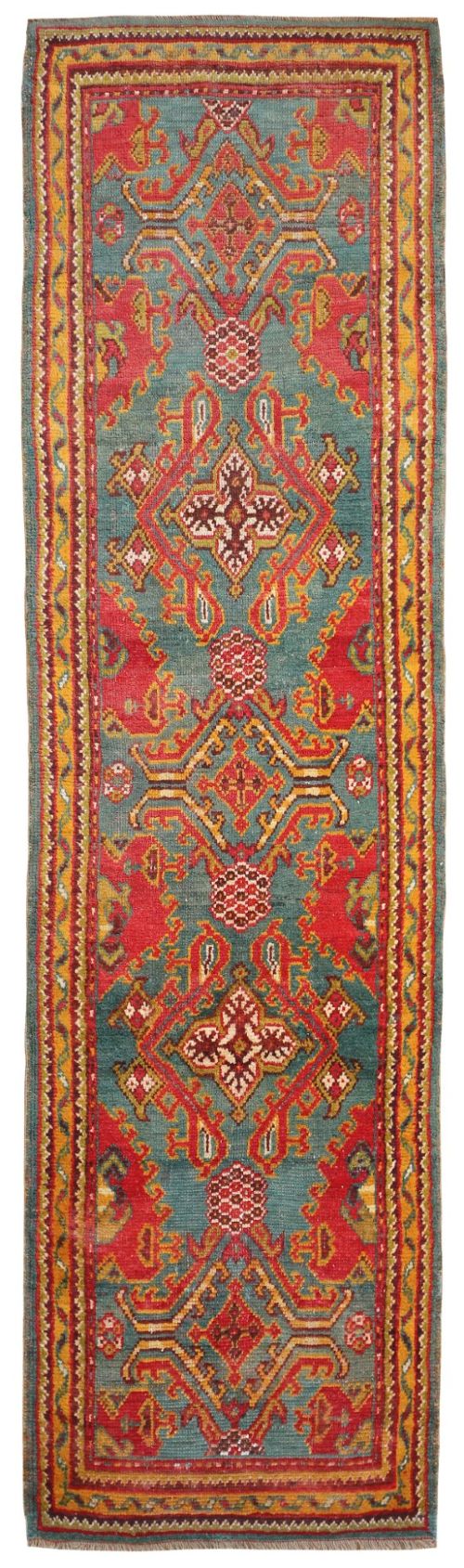
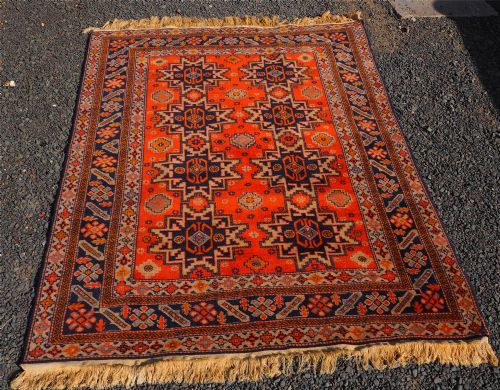
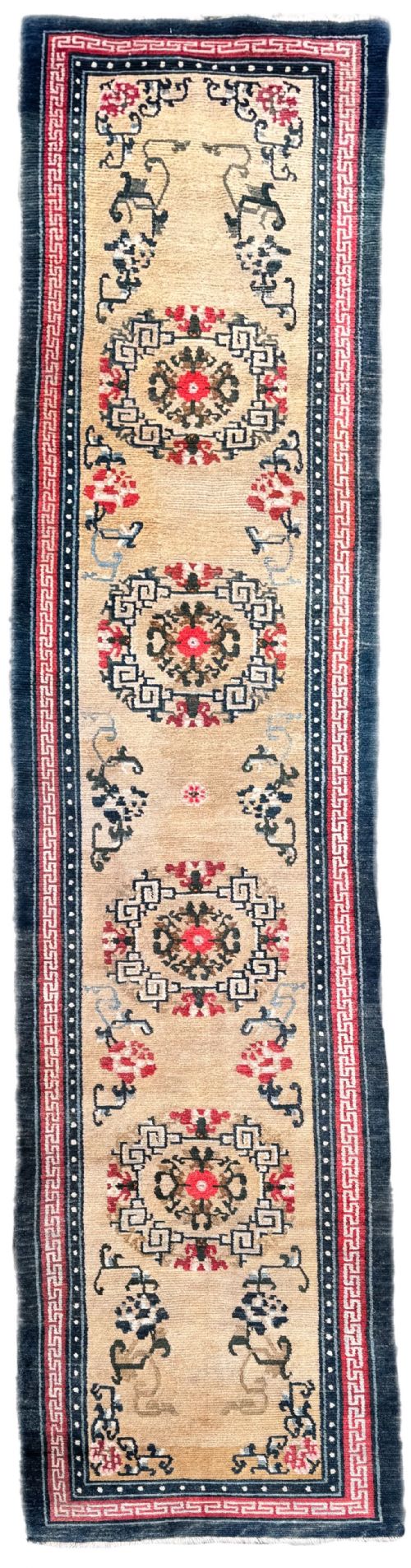

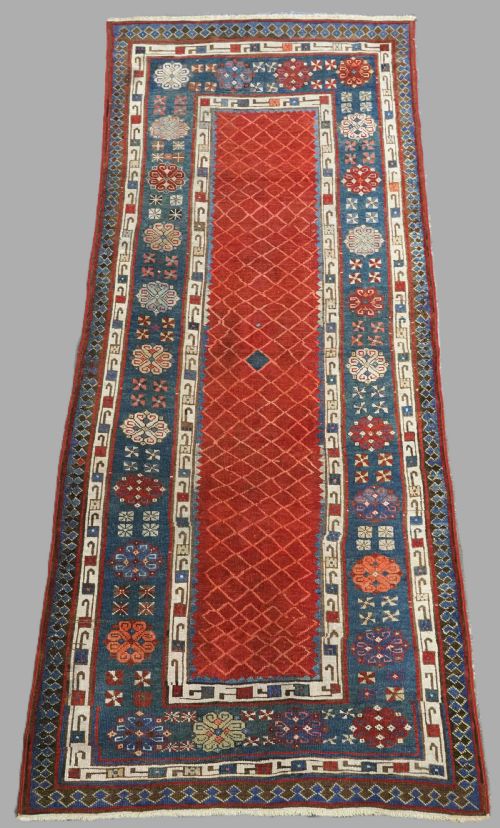
Blue Carpet Runner
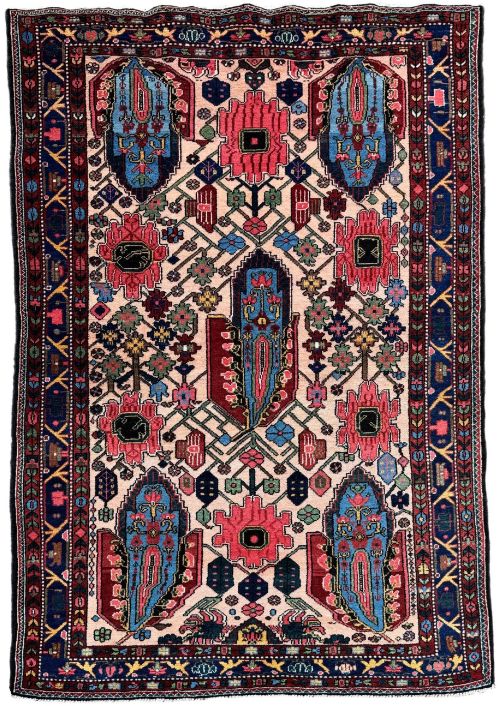
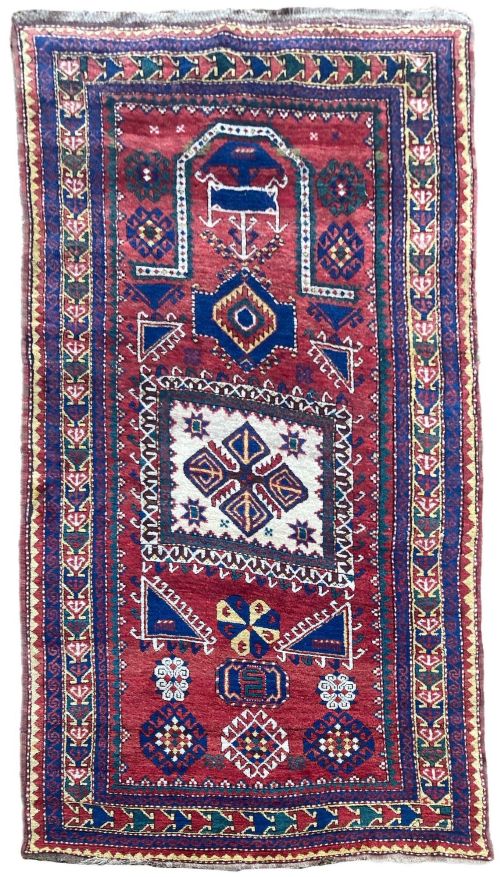
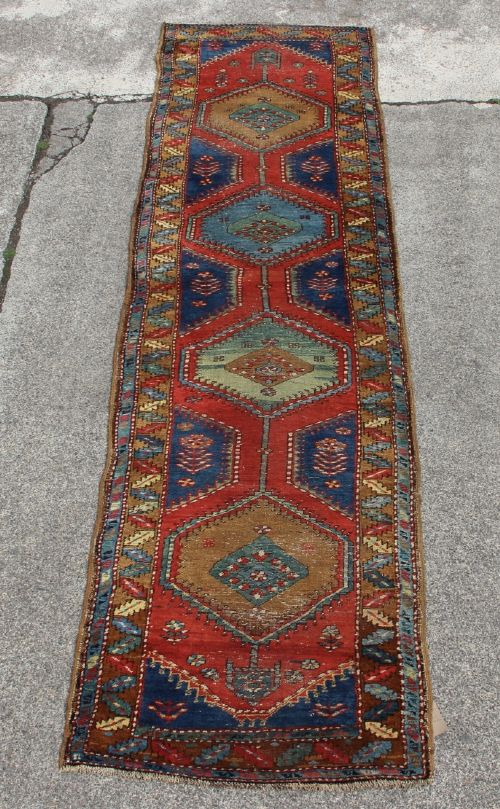
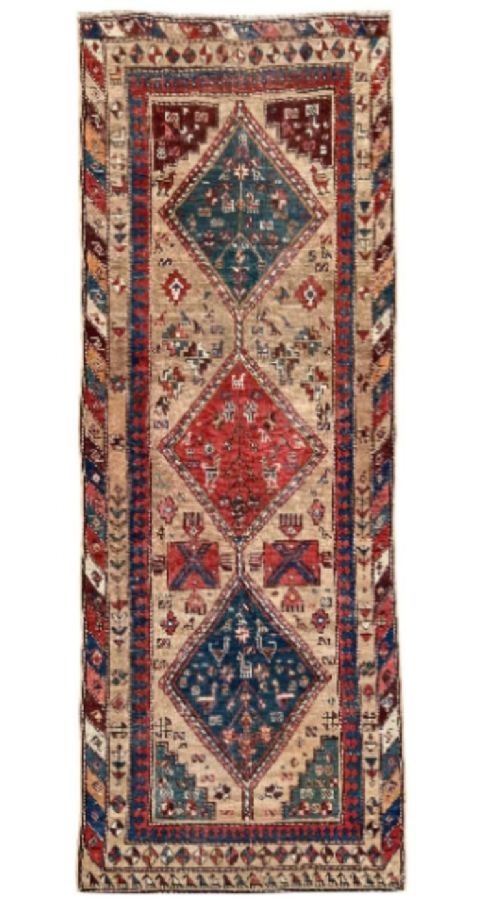
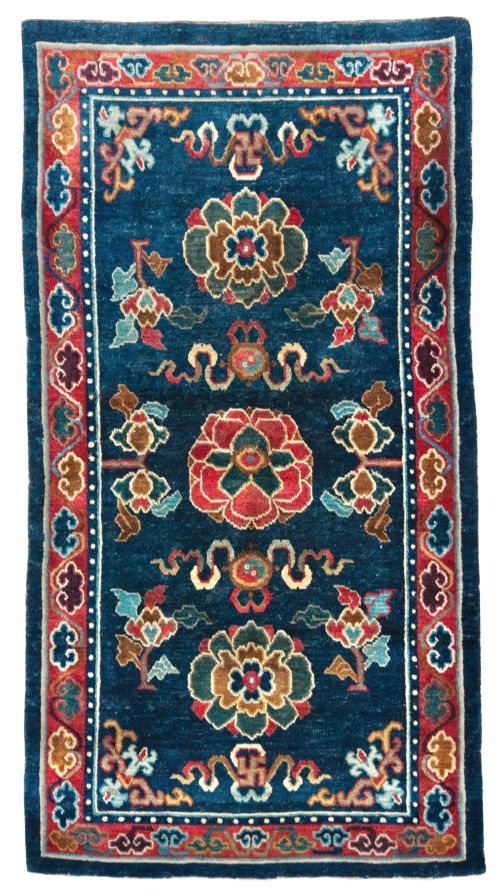
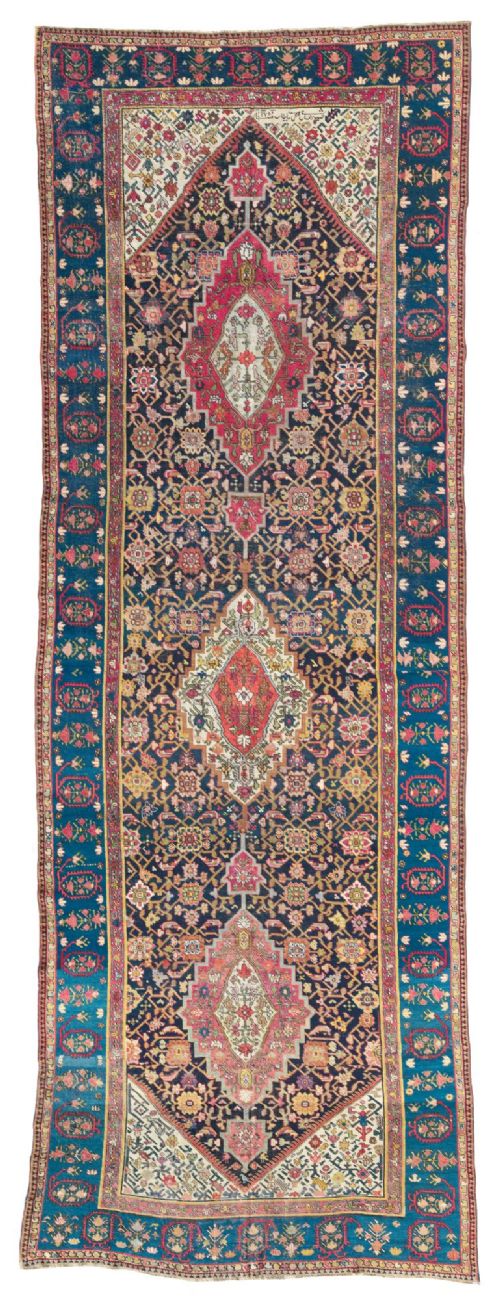
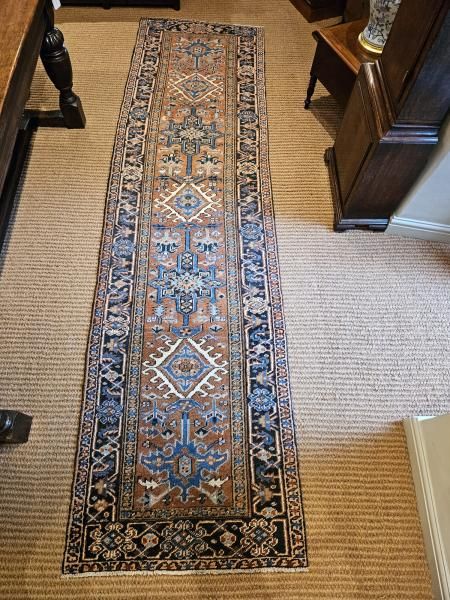
A blue antique carpet runner brings texture and deep indigo tone to a long hallway, woven by hand in wool over generations.
Blue Carpet Runner
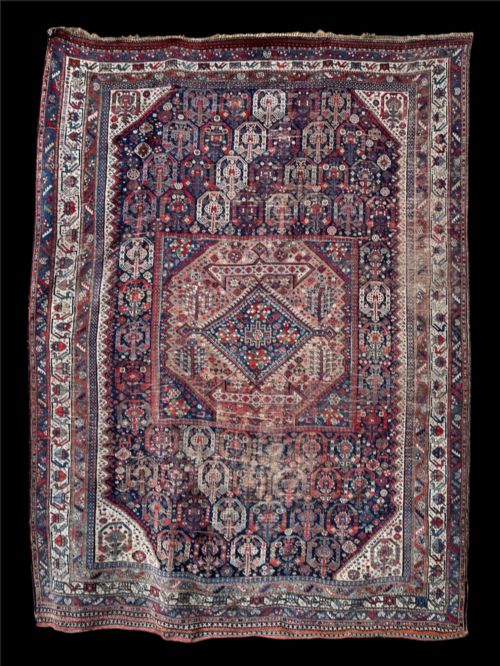
When you search for a blue antique carpet runner, you encounter long, narrow floor coverings originating from Persian, Caucasian, and Anatolian weaving traditions. These textiles date from the nineteenth century up through the nineteen-thirties, spanning tribal workshops and village looms.
The format is suited for corridors, hallways, and narrow spaces where a linear pattern draws the eye. Most examples rely on wool pile knotted tightly onto cotton or wool foundations, carrying saturated shades of indigo and navy.
What varies in quality
Quality rests in the precision of the knot density and the stability of the foundation structure. Finer examples display intricate geometric or floral motifs rendered with crisp boundaries and balanced proportions.
The complexity of the dye work dictates visual depth, where varied saturation across individual wool strands indicates superior natural dyeing methods. Structural integrity of the selvedges and ends determines how well the textile holds its shape under daily use.
Listings span multiple decades from eighteen-fifty through nineteen-thirty, utilising pure wool and natural dyes.
The Blue Carpet Runner Glossary
- Runner
- A long, narrow carpet format designed specifically for corridors, staircases, and hallways. These pieces measure significantly longer than they are wide.
- Pile
- The upright yarn loops or cut ends that form the soft surface of a carpet. This layer takes the wear of footsteps.
- Warp
- The vertical foundation threads stretched tightly on the loom before knotting begins. The pile knots attach directly to these stable cords.
- Weft
- Horizontal threads passed back and forth between warp threads to lock the knots in place. This structure secures the woven row.
- Natural Dyes
- Colorants extracted from plants, insects, and minerals rather than synthetic chemical sources. These pigments fade gradually into rich secondary tones.
Blue Carpet Runner: Frequently Asked Questions
Where should I place a runner?
These long carpets suit narrow corridors, entryways, and gallery spaces where floor coverage requires a linear format.
They also function well alongside kitchen islands or beside beds to add warmth underfoot.
How do I clean an old wool rug?
Gentle surface vacuuming without a beater bar removes loose dust and grit from the pile.
Professional specialist cleaning is recommended for deep washing to protect natural wool fibres.
Are these runners made by hand?
Traditional village and tribal weavers produced these textiles entirely by hand on upright looms.
Each knot is tied individually using hand-spun wool over cotton or wool foundations.
What causes the colour variations?
Natural dyes react to light and age over decades, creating subtle shifts in tone known as abrash.
Variations in wool batches also absorb dye differently, giving the surface visual depth.